Why food fraud persists, even with improving tech
Summary
The article discusses ongoing issues with food fraud, even though technology is improving. Fraudsters often target foods like honey, dairy, and spices, sometimes making them harmful to health. While there are many tests to identify fake products, no single method can detect all fake honey, and new techniques are needed.Key Facts
- Food fraud includes diluting or swapping ingredients and altering documents.
- An estimate for 2025 says food crime might cost the world economy about £81 billion ($110 billion) each year.
- Foods like honey, olive oil, and seafood are common targets for fraud.
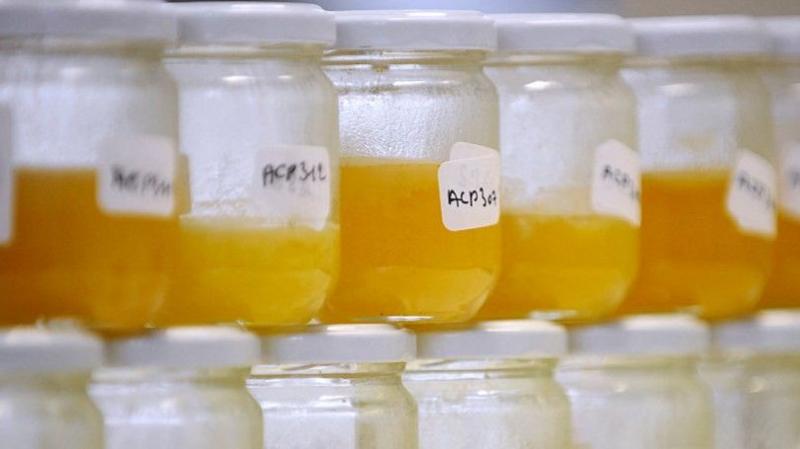
- Fake honey can look, taste, and smell like real honey, making it hard to identify.
- Existing methods to test honey include chemical and isotope analysis, but none are foolproof.
- Fraudulent foods can pose health risks due to allergens or toxic chemicals.
- In 2008, melamine-tainted infant formula in China led to health problems and deaths.
- Tainted spices with industrial dyes have caused lead poisoning incidents among children.
Read the Full Article
This is a fact-based summary from The Actual News. Click below to read the complete story directly from the original source.