Top UN court says countries can sue each other over climate change
Summary
The International Court of Justice (ICJ) has declared that countries can sue each other over climate change issues, including past emissions of greenhouse gases. This ruling, while not legally binding, could influence future legal cases as it recognizes the rights of countries most affected by climate change to seek compensation. The decision is seen as a step forward for vulnerable nations seeking action against climate damage.Key Facts
- The International Court of Justice (ICJ) is the UN's top court located in The Hague, Netherlands.
- The court ruled that countries can sue each other over climate change, including historical greenhouse gas emissions.
- The ruling is advisory, meaning it is not legally binding but may guide future legal actions.
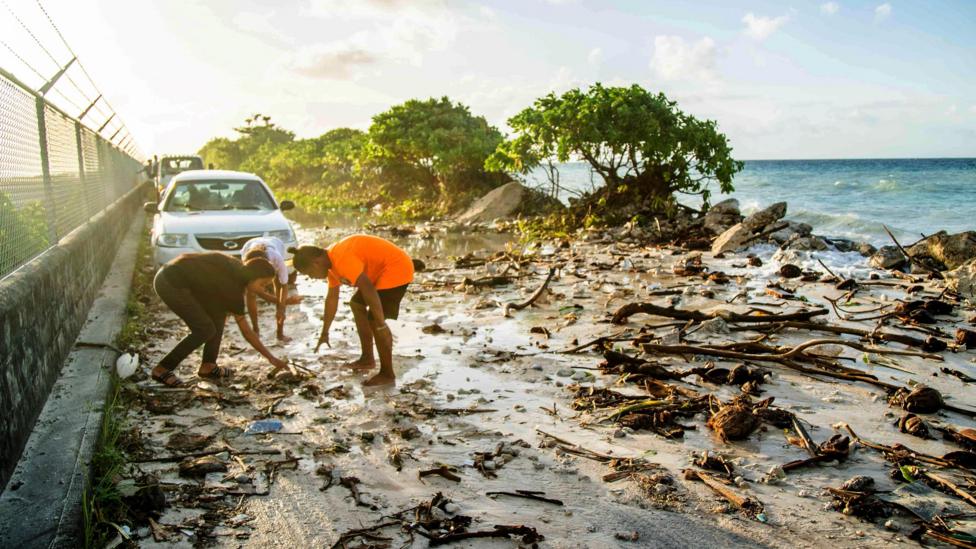
- This decision was inspired by young law students from Pacific islands significantly affected by climate change.
- Vulnerable countries see this as a victory, as they seek accountability for climate harm.
- The ruling challenges the view that existing agreements, like the 2015 Paris Agreement, are sufficient on their own.
- The court noted that even countries not part of the Paris Agreement must still act to protect the environment.
- The UK is evaluating the court's opinion before making any statements.
Read the Full Article
This is a fact-based summary from The Actual News. Click below to read the complete story directly from the original source.