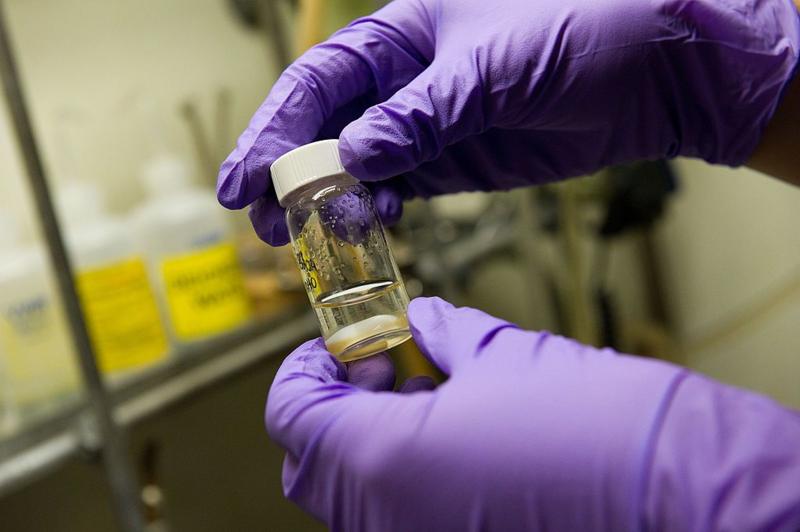
Single nasal spray vaccine could protect against all colds and flus, researchers say
Summary
Researchers at Stanford University have developed a nasal spray vaccine that could protect against multiple respiratory infections, such as colds and flus. The vaccine has been tested on animals and prepares immune cells to react quickly to different infections. Human clinical trials are still needed to confirm its effectiveness.Key Facts
- A nasal spray vaccine could protect against colds, flus, and some bacterial infections.
- The vaccine has been tested in animal studies, but human trials are still required.
- This approach is different from traditional vaccines, which target specific infections.
- It readies lung immune cells, called macrophages, to act quickly against infections.
- The vaccine offers widespread protection and may even help reduce allergy symptoms.
- The immunity effect observed in animal tests lasted for about three months.
- Researchers are planning human trials to further test its effectiveness and safety.
Read the Full Article
This is a fact-based summary from The Actual News. Click below to read the complete story directly from the original source.