Summary
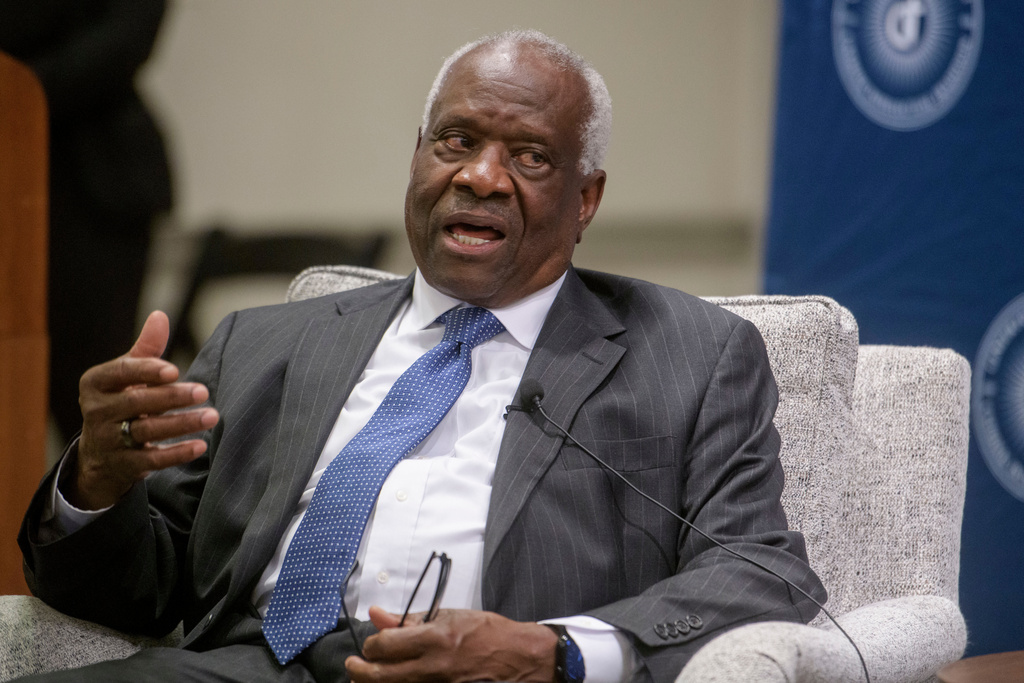
Supreme Court Justice Clarence Thomas disagreed with Justice Neil Gorsuch about President Donald Trump's power to impose tariffs. The court decided that a 1977 law does not give the president broad authority to set tariffs. The decision was split, with some justices supporting Trump's tariff actions and others opposing.
Key Facts
- Justice Clarence Thomas and Justice Neil Gorsuch disagreed on an important decision about President Trump's tariff authority.
- The Supreme Court ruled that a 1977 law does not allow the president to implement wide-ranging tariffs.
- Justice Gorsuch wrote a concurring opinion explaining past congressional decisions against expanding presidential powers.
- Justice Thomas argued that Congress has historically given the president authority over foreign trade, including tariffs.
- The current Supreme Court has a conservative 6-3 majority but was split on this decision.
- President Trump aimed to use tariffs to reduce the trade deficit and boost U.S. manufacturing.
- The court's decision limits the president's ability to set tariffs quickly and extensively under certain laws.
- Chief Justice John Roberts stated that the president cannot unilaterally impose tariffs under the law cited by Trump.