Summary
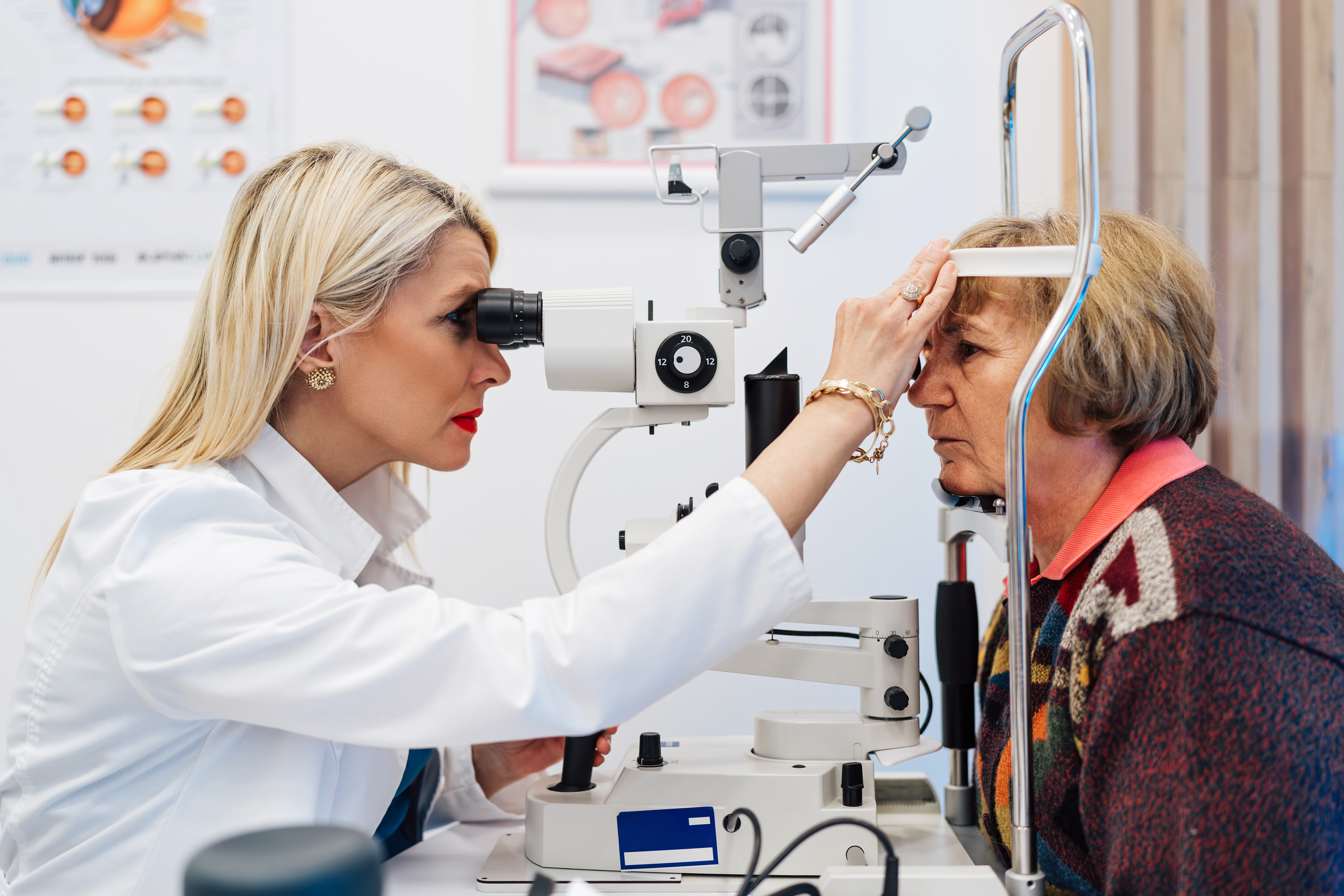
New research from Houston Methodist Hospital shows that the outer edges of the eye's retina may reveal early signs of Alzheimer's disease. Researchers found changes in retinal cells that could help doctors diagnose Alzheimer's long before other symptoms appear.
Key Facts
- Scientists at Houston Methodist Hospital conducted the research.
- The study looked at the outer part of the retina, not the center.
- Changes in retina cells may indicate early Alzheimer's, before brain damage occurs.
- The research used mice to study these early changes.
- A protein called Aquaporin-4 increases in the early stages of Alzheimer's.
- Stress in the retina shows as changes in size and number of support cells.
- These changes may help detect Alzheimer's before symptoms develop.