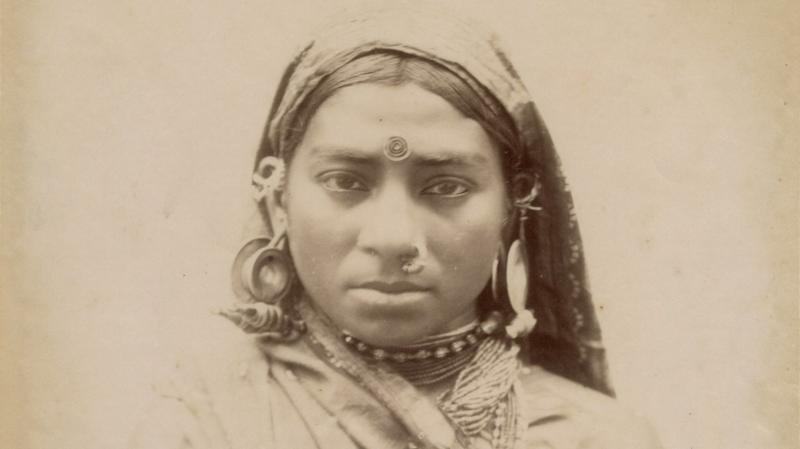
How photography helped the British empire classify India
Summary
An exhibition in India showcases nearly 200 rare photographs from 1855 to 1920, highlighting how the British Empire used photography to classify and document India's diverse communities. The exhibition, organized by a Delhi-based gallery, explores how these images helped shape the British understanding of India's complex social landscape during colonial rule. The photographs also reveal the ethnographic practices of the period and their impact on both the British administration and Indian society.Key Facts
- Photography was used by the British Empire in the 19th and early 20th centuries to classify and document different communities in India.
- The exhibition, called "Typecasting: Photographing the Peoples of India, 1855-1920," is held by DAG, a Delhi art gallery.
- Nearly 200 photographs from this period are featured, spanning 65 years from 1855 to 1920.
- These photos included diverse groups from across India, such as Lepcha, Bhutia, Afridis, and Parsi, as well as lower social groups like dancers and laborers.
- The exhibition explores how these photographs not only documented but also shaped perceptions of India's social and cultural diversity.
- The core of the exhibition is based on The People of India, a photographic survey published between 1868 and 1875.
- Photographers like Edward Taurines, Samuel Bourne, Lala Deen Dayal, and others contributed to creating a visual language of the time through their work.
- The exhibition illustrates how photography affected both the British rulers and Indian society by classifying social identities.
Read the Full Article
This is a fact-based summary from The Actual News. Click below to read the complete story directly from the original source.