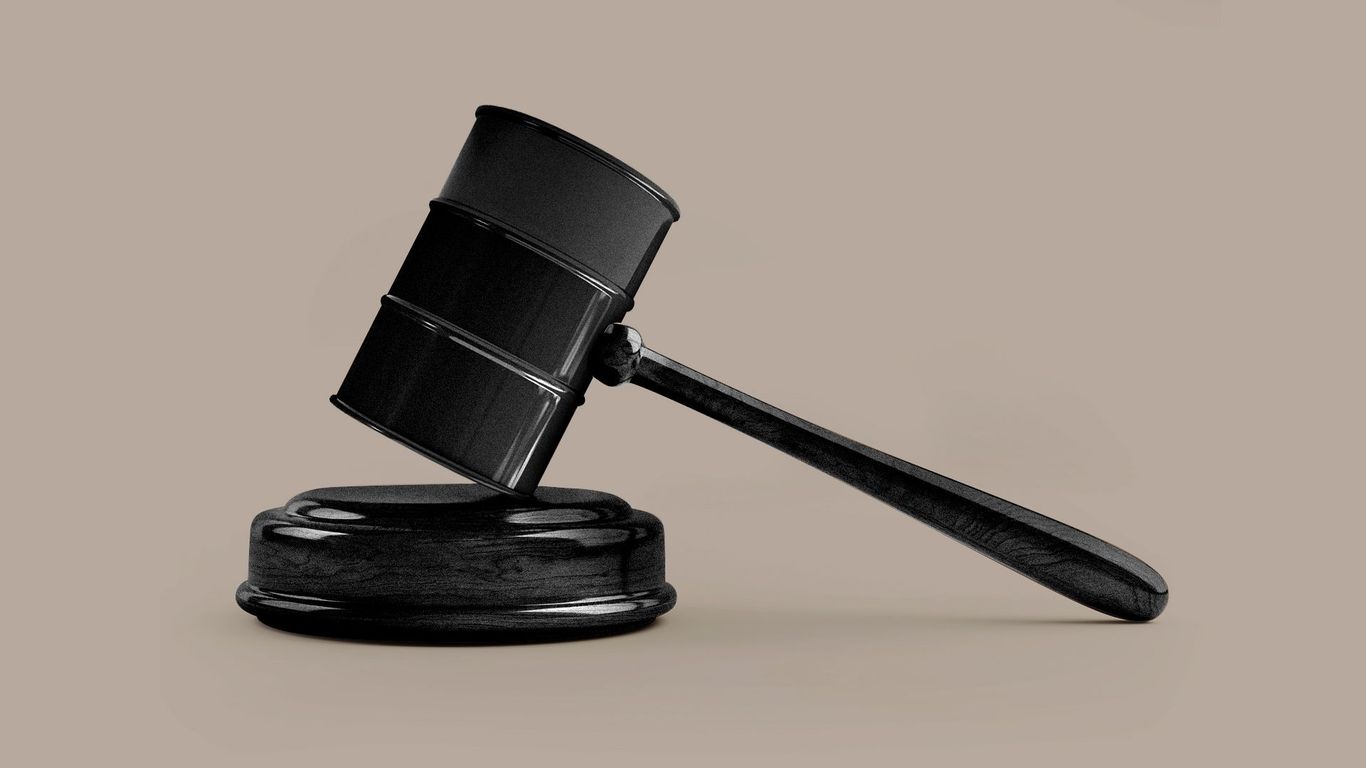
Supreme Court blunts President Trump's energy weapon
Summary
The Supreme Court decided President Trump cannot use the International Emergency Economic Powers Act (IEEPA) to impose tariffs, limiting his ability to pressure other countries using energy-related tariffs. The ruling affects various sectors differently, with some industries benefitting and others still facing existing tariffs under different laws. President Trump announced new tariff plans using other legal powers.Key Facts
- Supreme Court struck down the use of IEEPA for President Trump to impose tariffs.
- President Trump previously used tariffs as a tool for economic and geopolitical influence.
- The decision particularly benefits companies from South Korea and Japan regarding batteries, while solar industries still face other tariffs.
- Oil and gas companies remain affected by steel tariffs under a different act, which increase domestic costs.
- President Trump plans to impose new 10% tariffs on most countries, excluding certain critical goods.
- A new bipartisan bill is being considered that could penalize countries buying Russian oil and gas.
- The ruling aims to ensure market predictability for businesses and consumers in the U.S.
Read the Full Article
This is a fact-based summary from The Actual News. Click below to read the complete story directly from the original source.