Summary
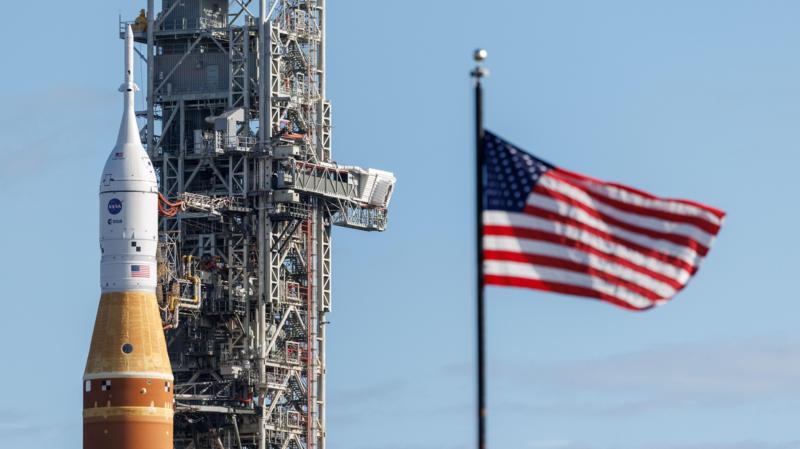
NASA's planned moon mission, Artemis II, is likely to be delayed due to a problem with the helium flow system in its rocket. The mission was set to launch in early March and aims to send astronauts on a 10-day trip around the Moon and back. Engineers found an interruption in helium flow, a crucial part of launch operations, which could push back the launch date.
Key Facts
- NASA planned to launch the Artemis II mission in early March.
- The mission intended to send astronauts to and around the Moon for the first time in 50 years.
- A helium flow issue in the rocket's system was identified, likely delaying the mission.
- Helium is used to pressurize fuel tanks and cool rocket systems.
- Four astronauts are set to participate: three Americans and one Canadian.
- The mission aims to prepare for future lunar landings by 2028.
- The Artemis II mission involves a 10-day journey to the Moon's far side and back.
- NASA conducted a 50-hour test simulating launch conditions, revealing the helium issue.