Mysterious Inscription Reignites Debate Over Roman Emperor's Lost Temple
Summary
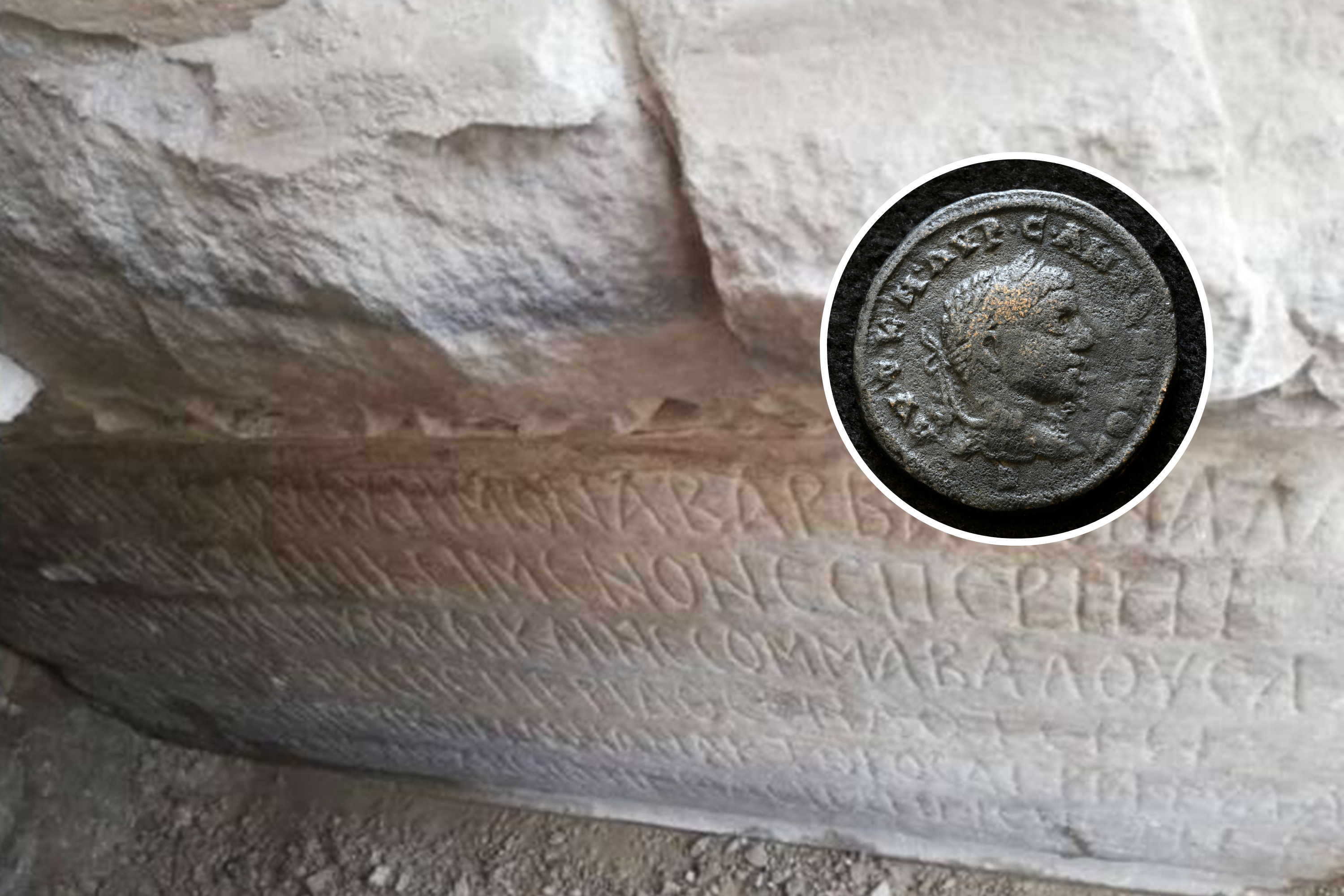
A discovery of a Greek inscription in Homs, Syria has renewed debate about the location of a long-lost temple dedicated to the sun god El-Gabal. The inscription was found on a column base in the Great Mosque of al-Nuri, suggesting a historical connection to the site’s past as a Roman temple.Key Facts
- An inscription was found during restoration work at the Great Mosque of al-Nuri in Homs, Syria.
- Homs was known as Emesa in ancient times and was a key location on trade routes.
- The mosque was built on the remains of a 4th-century church, possibly above a Roman sun god temple.
- The inscription is in Greek and was carved into granite, discovered during 2016 excavations.
- The text describes a heroic and militaristic ruler, hinting at historical and cultural connections.
- Professor Maamoun Saleh Abdulkarim sees this as evidence linking the mosque to a possible pagan temple.
- The Greek text has unique grammatical features typical of Roman-era Syrian inscriptions.
- The discovery could show a historical connection between pagan and Islamic religious sites.
Read the Full Article
This is a fact-based summary from The Actual News. Click below to read the complete story directly from the original source.