Summary
A potential weather event known as sudden stratospheric warming (SSW) could affect the United States in early March. This could disrupt the polar vortex, bringing cold Arctic air into the country and changing weather patterns. Although it's uncertain if or how the SSW will impact the U.S., past events have led to cold weather and increased snow.
Key Facts
- Sudden stratospheric warming (SSW) could impact the U.S. in early March.
- SSW events can disrupt the polar vortex, which is a large area of low pressure and cold air over the Arctic.
- If the polar vortex weakens or splits, cold Arctic air might move south into the U.S.
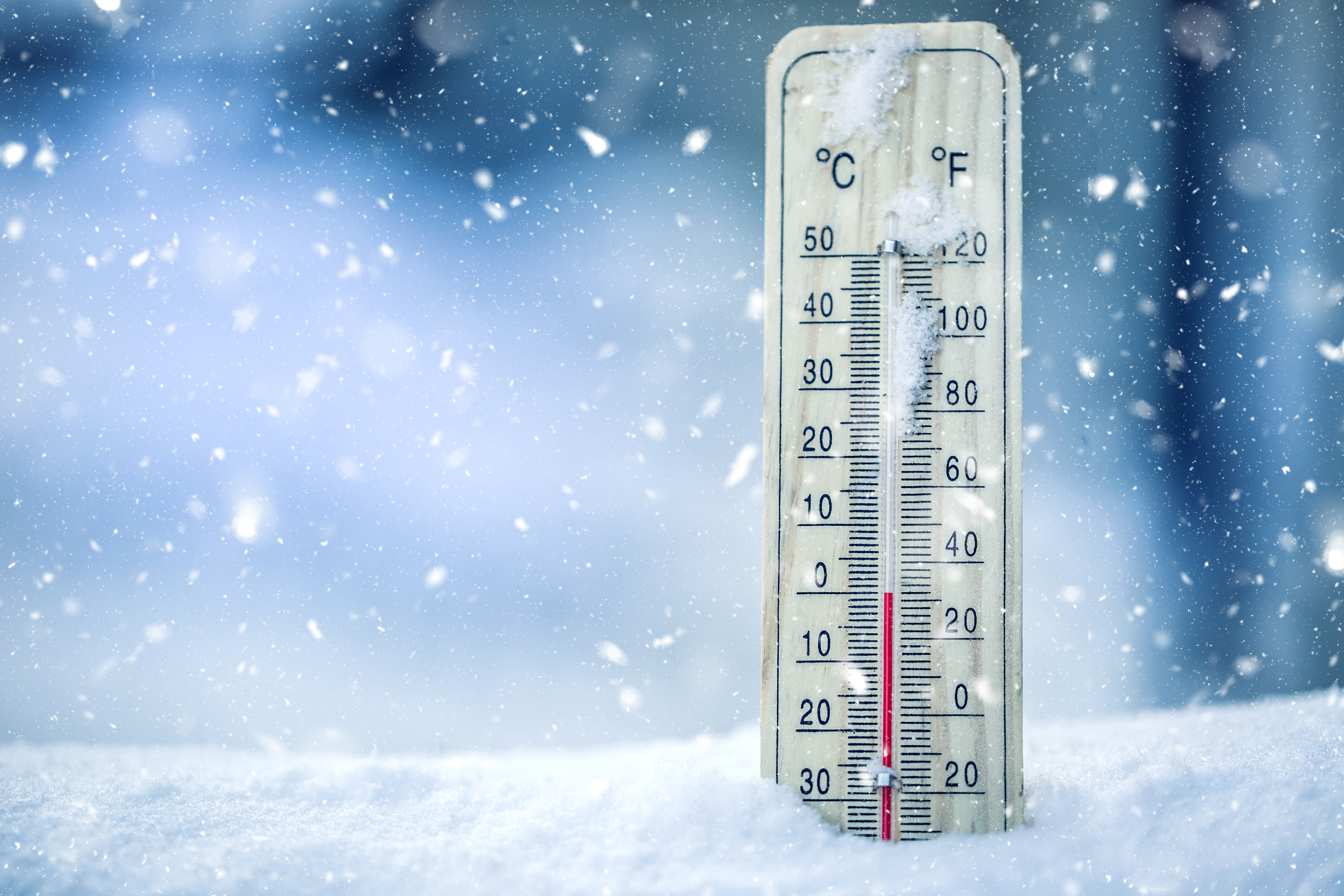
- Such weather changes could result in cold temperatures and more snow in many areas.
- Meteorologist Ben Noll noted that having two SSW events in one season is rare, occurring about once per decade.
- The current temperature outlook suggests above-average temperatures for the U.S. until mid-March.
- There is still uncertainty about if or when the SSW event will impact the U.S., and which states might be most affected.