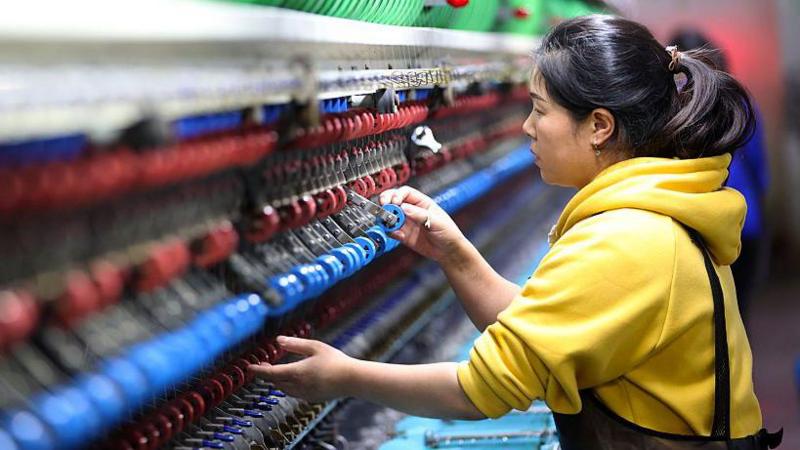
'We don't know where we are going': Asian businesses brace for more Trump tariff turmoil
Summary
Asian businesses are uncertain about their trade future with the U.S. after a recent Supreme Court decision affected President Trump's tariff policy. This uncertainty arose because President Trump quickly imposed a new tariff despite the court ruling. As a result, companies are unsure about their costs and are considering changes to their business strategies.Key Facts
- The U.S. Supreme Court ruled against the emergency powers law used by President Trump to impose tariffs, causing confusion among Asian businesses.
- President Trump reacted by signing an executive order for a new 10% global tariff that can last for 150 days without needing Congress's approval.
- Trump hinted at a possible tariff increase to 15%, but the current rate remains at 10%.
- The tariffs are part of a strategy to reduce reliance on Chinese manufacturing.
- Asian exporters worry the new tariffs could actually strengthen China's role in global production.
- Business leaders express concern over the lack of clear guidance from U.S. trade policies.
- Some companies, like those in Singapore and Thailand, are facing increased costs and are altering their market strategies due to this uncertainty.
- Businesses now focus on efficiency and exploring markets outside the U.S. due to trade uncertainty.
Read the Full Article
This is a fact-based summary from The Actual News. Click below to read the complete story directly from the original source.