Summary
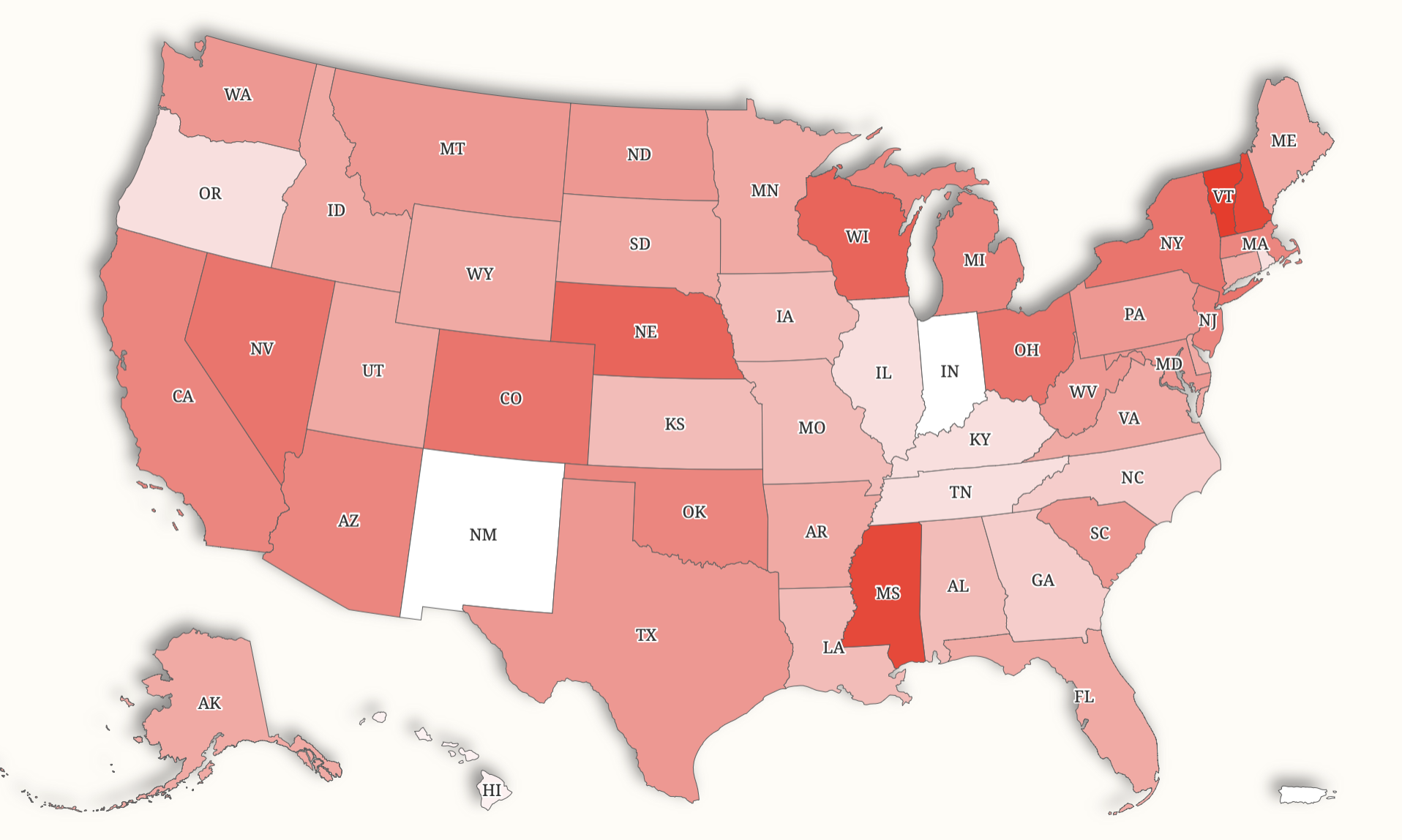
A report from Diversity Data Kids shows that child care costs in the United States are generally much higher than the federal guideline for affordability. The report found that many families spend a large part of their income on child care, with costs often exceeding what is considered affordable, especially for low-income and minority families.
Key Facts
- Federal guidelines suggest child care costs are affordable if they take up no more than 7% of household income.
- Only three states meet the 7% affordability benchmark for center-based child care.
- In Vermont and New Hampshire, low-income families might spend more than 50% of their income on child care.
- Home-based care costs more than 7% of income in 46 states.
- 68% of working parents exceed the 7% benchmark for center-based care costs.
- Low-income families are the most affected, with 99% spending more than the affordability threshold.
- A typical two-child household earns far less than the income needed to afford child care under federal guidelines.
- Racial and immigrant groups face higher barriers, with a majority spending more than 7% of their income on child care.