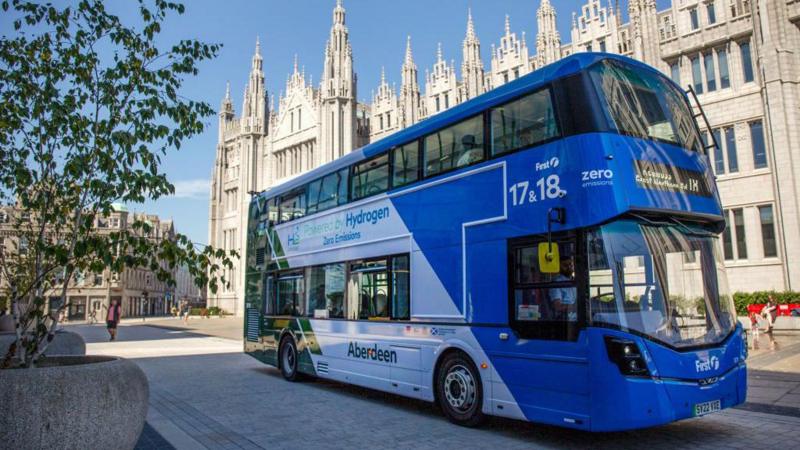
Why has the world's first hydrogen double-decker fleet failed?
Summary
The world's first hydrogen-powered double-decker bus fleet in Aberdeen, Scotland, is being replaced by electric buses due to advancements in electric vehicle technology and issues with hydrogen fuelling stations. The project, initially envisioned to create 700 jobs and position Aberdeen as a hydrogen hub, faced multiple technical setbacks and high costs. As a result, city officials and their partner, BP, decided to shift focus to electric vehicles.Key Facts
- Aberdeen's hydrogen bus fleet included 25 buses but is now being replaced by electric buses.
- The project aimed to make Aberdeen a hub for hydrogen-powered buses and create 700 jobs.
- The hydrogen buses faced technical issues, particularly with fueling stations.
- Aberdeen City Council and BP partnered in 2022 for the hydrogen project.
- Advancements in electric vehicle technology have outpaced hydrogen technology in transport.
- Electric buses are increasingly preferred because they are more efficient and cost-effective in the long run.
- The hydrogen buses have been inactive since September 2024 due to fueling station problems.
- The council is negotiating with BP and First Bus for the transition to electric buses.
Read the Full Article
This is a fact-based summary from The Actual News. Click below to read the complete story directly from the original source.