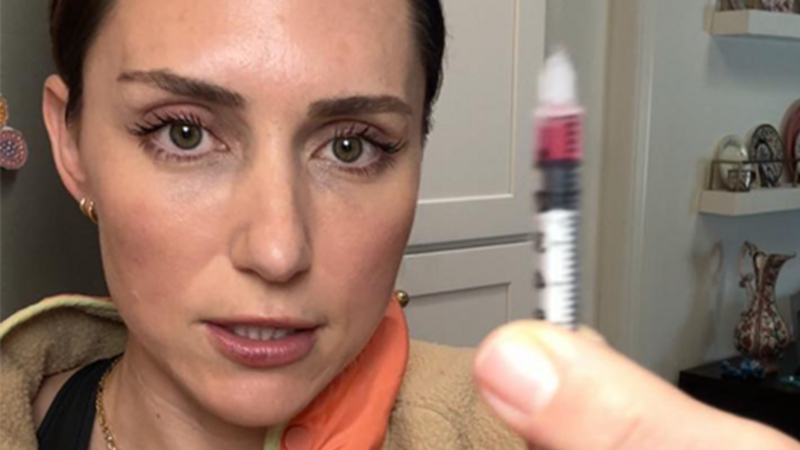
Wellness peptide craze: Why people are injecting drugs 'not for human consumption'
Summary
People are using unregulated peptides, such as GHK-Cu, for personal wellness despite warnings that they are not for human use. These peptides are being sold online and popularized on social media, leading to potential health risks since they are not approved or regulated for safety in humans. The rise in these substances is partly due to the success and normalization of injecting approved weight loss drugs, which has led people to assume all peptides are safe.Key Facts
- Peptides are small proteins naturally produced by the body and play roles in skin health and other body functions.
- GHK-Cu is a peptide that some people inject, but it is labeled only for research purposes and not approved for human use.
- There is a "grey market" for peptides, meaning they are in a legal zone where they are not illegal to have, but not regulated for human use.
- The popularity of injectable weight-loss drugs has made people more comfortable with self-injections, leading to the misuse of unregulated peptides.
- Social media has contributed to the growth of this trend with videos of people injecting peptides that are not tested for human safety.
- BPC 157 and TB 500 are examples of peptides promoted for benefits like muscle growth and reduced inflammation, although they are not scientifically verified for use in humans.
- Early studies on these peptides are mostly on animals, not humans, making the effects on people uncertain.
Read the Full Article
This is a fact-based summary from The Actual News. Click below to read the complete story directly from the original source.