Summary
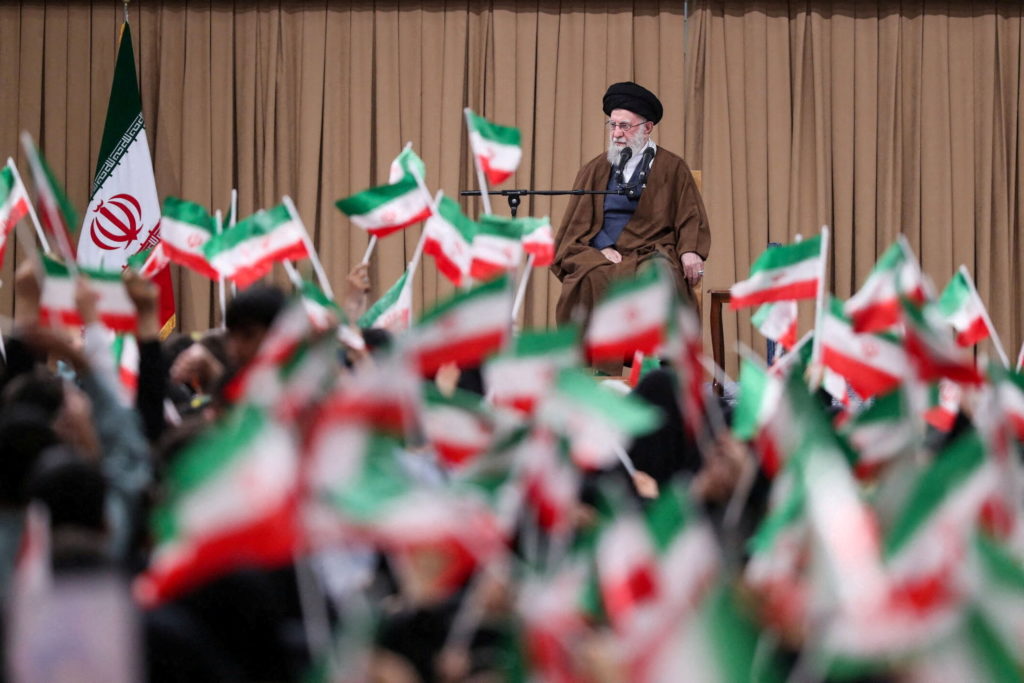
Iran is navigating a leadership transition after the death of Supreme Leader Ayatollah Ali Khamenei. A temporary council is currently governing, while a group called the Assembly of Experts will choose the next supreme leader. The process is intricate and decisions are made behind closed doors, with Khamenei's son Mojtaba as a potential candidate.
Key Facts
- Ayatollah Ali Khamenei, Iran's Supreme Leader for nearly 37 years, was killed in a U.S. and Israeli airstrike.
- A temporary council is currently in charge of Iran, including the president, judiciary head, and a Guardian Council member.
- The Assembly of Experts, made up of Shiite clerics, is responsible for selecting the next supreme leader.
- Candidates for the Assembly of Experts are approved by the Guardian Council, which can disqualify contestants.
- Khamenei's son, Mojtaba, a Shiite cleric, is considered a possible successor, despite having no government experience.
- The last transfer of supreme leader power happened in 1989, after the death of Grand Ayatollah Ruhollah Khomeini.
- The supreme leader has significant power, including control over Iran's military and Revolutionary Guard.