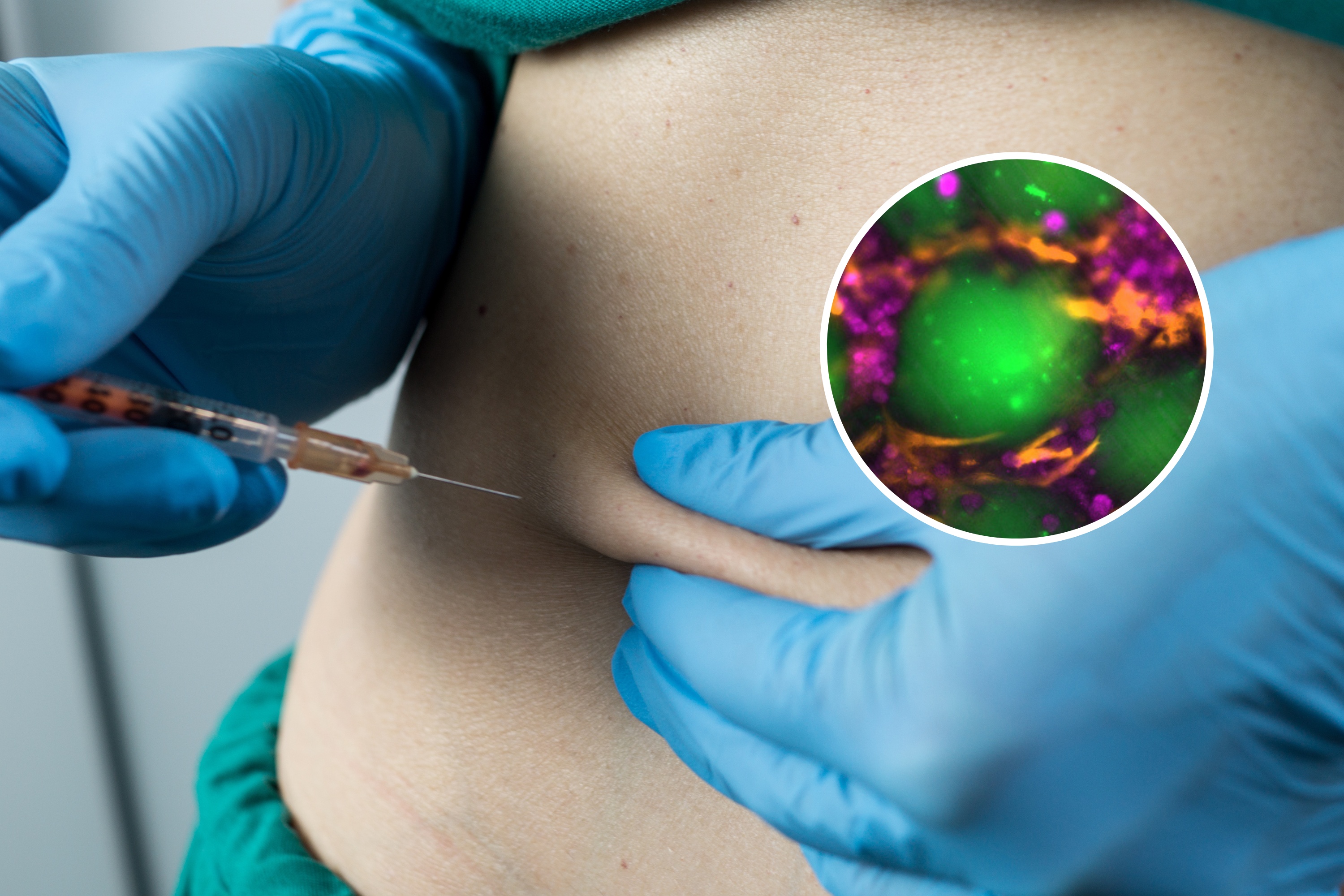
MIT Engineers Develop ‘Mini Livers’ That Can Be Injected Into the Body
Summary
MIT scientists have created tiny liver-like structures that can be injected into the body to help perform liver functions. These "mini livers" could assist people with liver disease who are waiting for a transplant by producing necessary enzymes and proteins. The technology involves using special hydrogel microspheres to keep liver cells together and connected to blood vessels, allowing them to work in the body for at least two months.Key Facts
- MIT researchers developed "mini livers" that can be injected into the body.
- These could help people with liver disease by performing liver functions.
- More than 10,000 Americans are waiting for liver transplants.
- The technology uses hydrogel microspheres to support liver cells.
- In tests with mice, the cells stayed functional for at least two months.
- The engineered cells produce enzymes and proteins like a real liver.
- The strategy helps liver cells connect with blood vessels in the body.
- Ultrasound helps guide the injection and monitor stability in the body.
Read the Full Article
This is a fact-based summary from The Actual News. Click below to read the complete story directly from the original source.