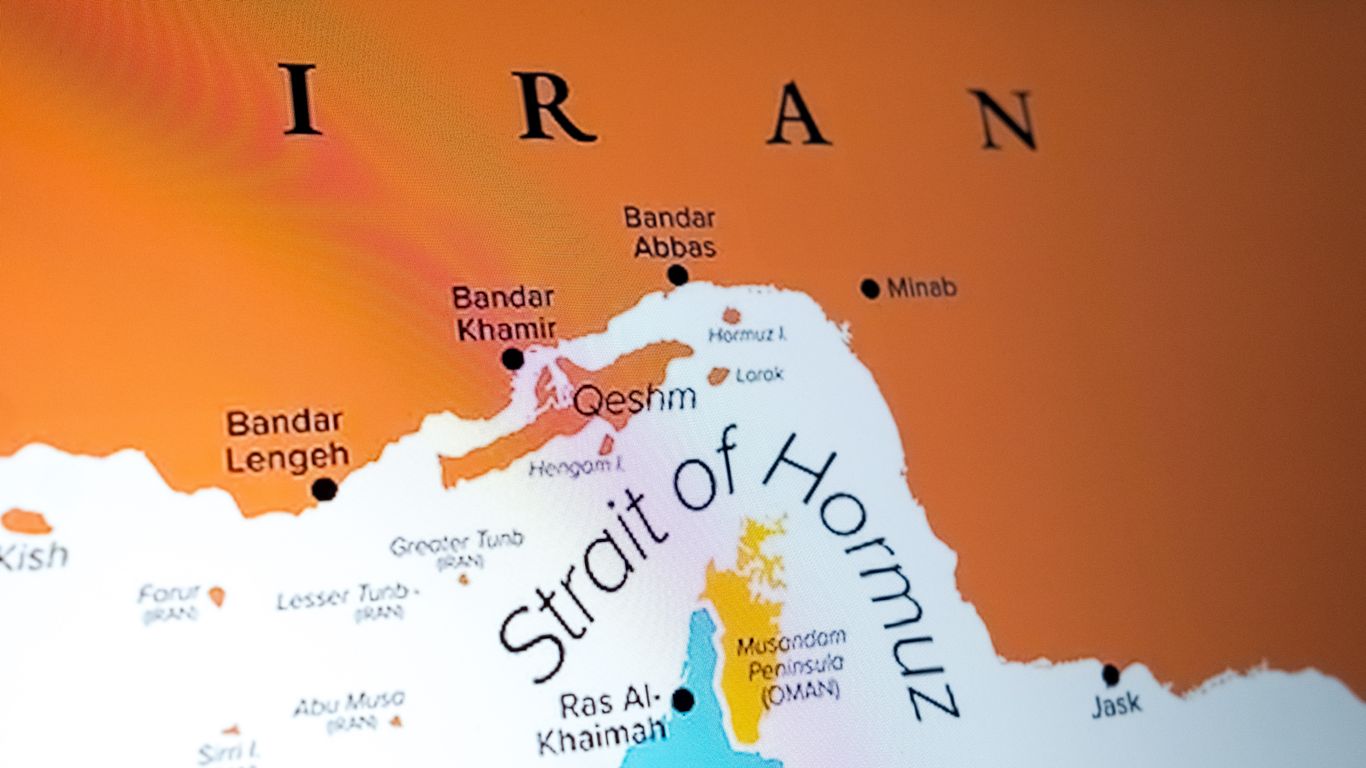
How Iran's Strait of Hormuz shutdown could hit the global economy
Summary
The conflict between the U.S., Israel, and Iran is causing disruptions in the Strait of Hormuz, a key waterway for global oil and gas trade. This may lead to higher prices for oil, gas, and fertilizers, affecting the global economy. The U.S. is taking actions to protect shipping in the area and reduce Iran's control over the strait.Key Facts
- The Strait of Hormuz is crucial for global trade, handling 25% of the world's oil and 20% of liquefied natural gas.
- 33% of global fertilizers, such as sulfur and ammonia, pass through the strait.
- Iran has threatened to attack vessels trying to pass through the strait, escalating tensions.
- President Trump announced U.S. plans to provide insurance and escort ships through the strait if needed.
- Oil and gasoline prices have risen, with national gas prices expected to reach $3.25 to $3.50 per gallon.
- The conflict affects fertilizer supply, potentially increasing costs for U.S. farmers.
- QatarLNG will cease production of some products after drone strikes on its facilities.
- The U.S. is less dependent on foreign oil now, compared to past decades.
Read the Full Article
This is a fact-based summary from The Actual News. Click below to read the complete story directly from the original source.