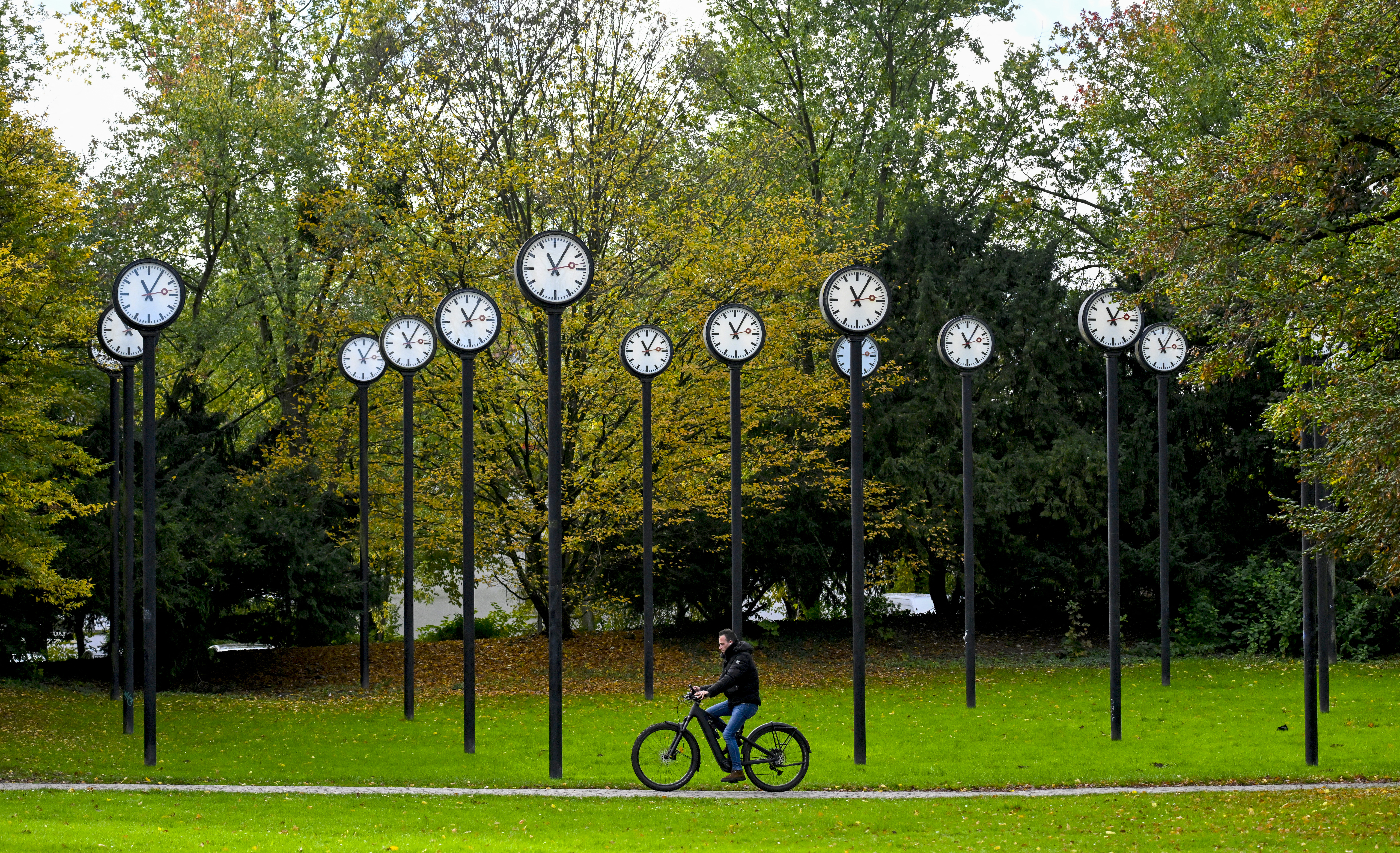
Daylight Savings Time To Become Permanent For Millions
Summary
British Columbia in Canada will permanently adopt daylight saving time, meaning it will be their last time changing clocks on Sunday. The change aligns British Columbia's time with other regions, and similar efforts in the U.S. need congressional approval.Key Facts
- British Columbia will stop changing clocks after this upcoming Sunday, adopting permanent daylight saving time.
- This change will align British Columbia with the Yukon Territory, which stopped changing clocks in 2020.
- The new time zone, Pacific Time, aligns with regions like Alberta in winter and California in summer.
- In the U.S., there have been debates about ending the practice of changing clocks twice a year.
- A 2022 survey showed 53% of U.S. adults preferred permanent daylight saving time.
- A proposed U.S. bill called the Daylight Act of 2026 aims to stop clock changes but needs Congress approval.
- The American Medical Association suggests sticking with one time standard to align with human biology.
- President Trump expressed concerns about the costs and inconvenience of daylight saving time changes.
Read the Full Article
This is a fact-based summary from The Actual News. Click below to read the complete story directly from the original source.