Summary
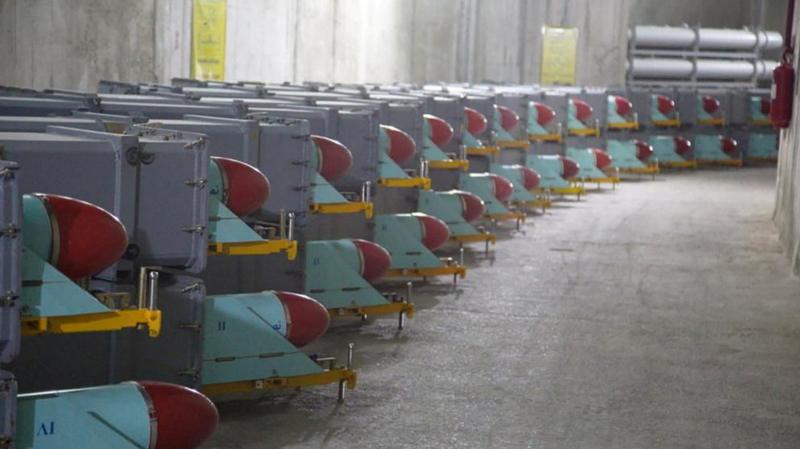
Iran's war strategy focuses on survival by using deterrence and endurance in conflicts involving Israel and the United States. Instead of aiming for a direct military victory, Iran uses ballistic missiles, drones, and regional allies to raise the cost of war for its opponents. Iran also uses economic tactics like targeting energy supplies to increase international pressure to end the fighting.
Key Facts
- Iran's strategy aims for survival rather than conventional victory in conflicts with Israel and the US.
- Iran has developed ballistic missile capabilities, long-range drones, and formed alliances with armed groups in the region.
- US mainland targets are beyond Iran's reach, but US bases in nearby countries are within range.
- Iran's strategy includes targeting Israeli missile defense systems, making each missile or drone strike both a military and psychological challenge.
- Iran's attacks aim to make hosting US bases costly for regional countries like Qatar, UAE, Kuwait, Oman, and Iraq.
- Energy markets, particularly the Strait of Hormuz, serve as a leverage point by affecting oil prices and increasing pressure for de-escalation.
- Iran’s military approach uses decentralized decision-making to withstand heavy attacks.
- This approach may risk isolating Iran further by hardening regional opposition.