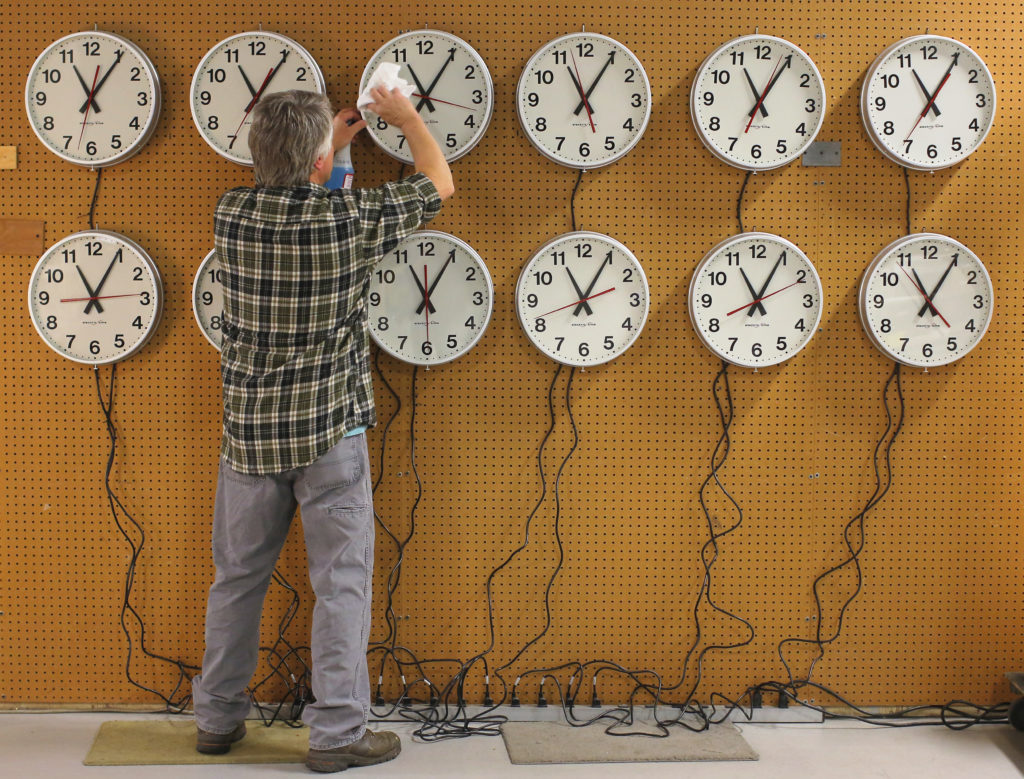
This weekend's U.S. clock change brings back debate over daylight saving time
Summary
Clocks in most of the U.S. will move forward by one hour on Sunday for daylight saving time. Many people dislike changing the clocks twice a year, but efforts to make daylight saving time permanent have not succeeded. Some states have passed laws to make daylight saving permanent, but Congress needs to approve it.Key Facts
- Most U.S. clocks will move forward by an hour at 2 a.m. on Sunday for daylight saving time.
- Many people find the time change disruptive, affecting sleep and daily routines.
- A poll shows that about half of U.S. adults oppose changing the clocks, and many prefer permanent daylight saving time.
- Nineteen states have passed laws supporting permanent daylight saving time but need Congress to approve it.
- In 2022, the U.S. Senate passed a bill for permanent daylight saving time, but the House has not voted on it.
- The airline industry opposes the change due to scheduling complexities.
- Some experts argue for permanent standard time for better alignment with natural light and health benefits.
Read the Full Article
This is a fact-based summary from The Actual News. Click below to read the complete story directly from the original source.