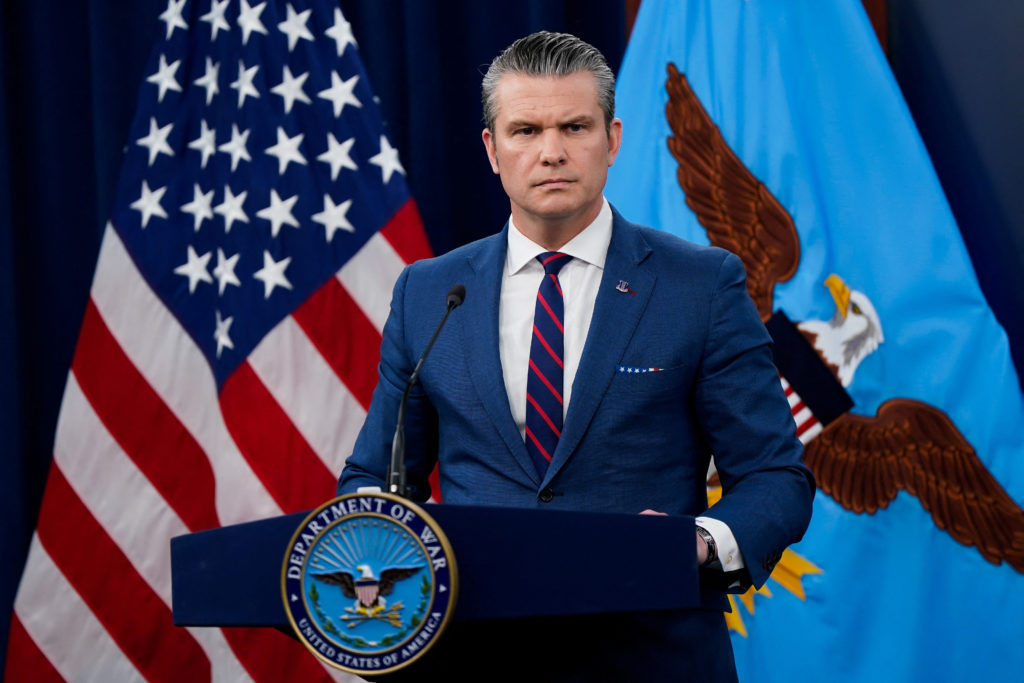
Hegseth's remarks highlight the government's reluctance to show human costs of war
Summary
Defense Secretary Pete Hegseth criticized the media for focusing on U.S. casualties in the war with Iran, suggesting it aims to make President Trump look bad. The article discusses the long-standing tension between the government and media over showing the human costs of war. Historically, news coverage of war has evolved, with access to battlefield reporting changing significantly over the years.Key Facts
- Defense Secretary Pete Hegseth said the American press highlights U.S. casualties to make President Trump appear unfavorable.
- Hegseth mentioned this during a Pentagon briefing about six U.S. Army reservists killed in Iran's attack on Kuwait.
- White House press secretary Karoline Leavitt supported Hegseth's remarks against the media.
- The article mentions the historical impact of war coverage, such as in the Vietnam War, where graphic TV images changed public opinion.
- Reporting on wars has shifted from embedded journalists during World War II to more restricted access in recent conflicts.
- The presence of war imagery in media has influenced public perception and government media strategy, especially in conflicts involving U.S. forces.
- The Pentagon had previously restricted media coverage of military casualties to protect privacy but changed this policy in 2009.
Read the Full Article
This is a fact-based summary from The Actual News. Click below to read the complete story directly from the original source.