Summary
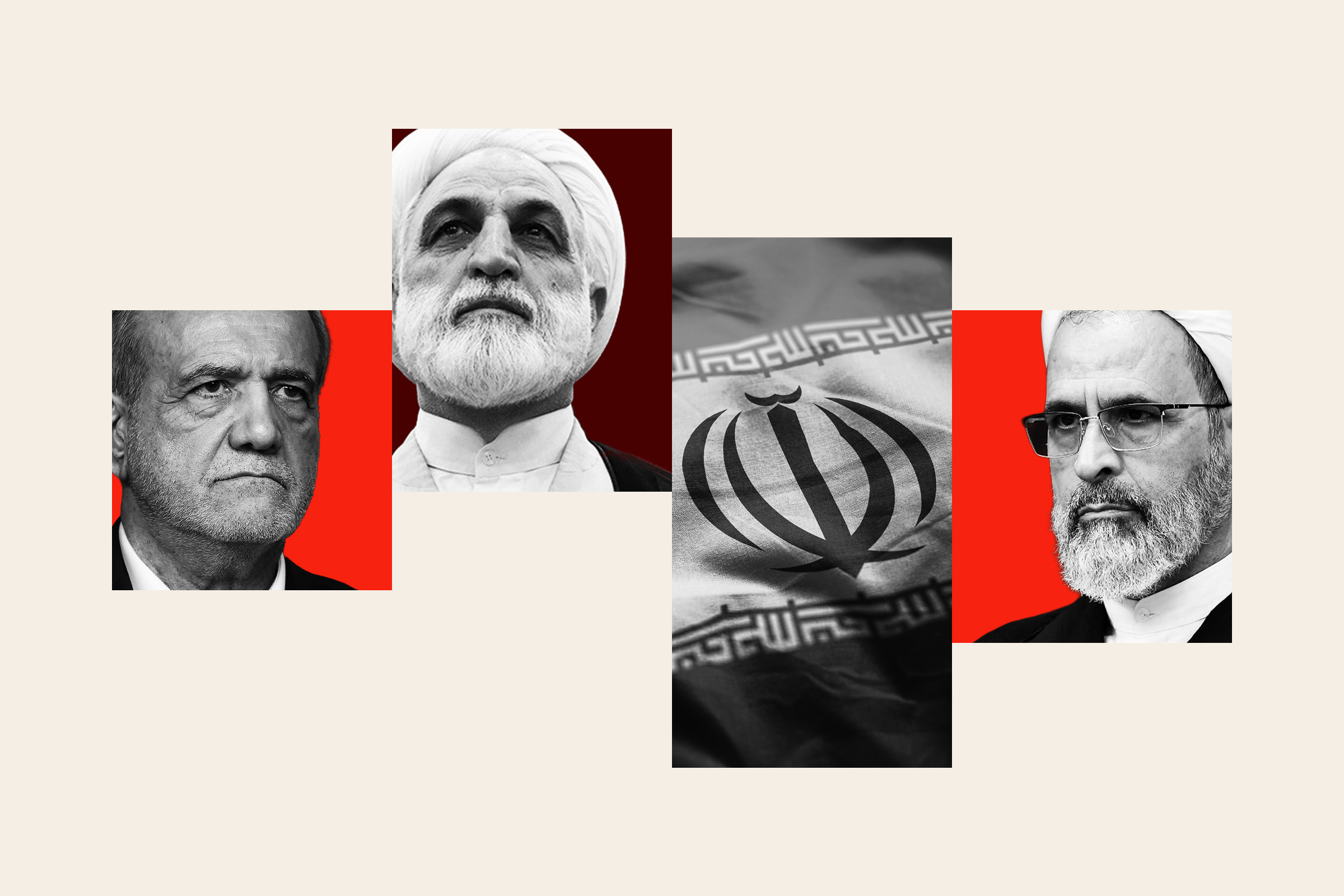
Iran is preparing to choose a new leader after the death of Supreme Leader Ali Khamenei during a conflict involving the U.S. and Israel. The new leader may not have the same power as past leaders due to changes in Iran's political structure. This shift could increase the influence of groups like the Islamic Revolutionary Guard Corps.
Key Facts
- Iran's Supreme Leader, Ayatollah Ali Khamenei, has died during a U.S.-Israeli conflict.
- Khamenei became Supreme Leader in 1989 after the death of Iran's founding leader, Ayatollah Ruhollah Khomeini.
- Iran’s power structure has been gradually changing, allowing more influence from various political and military groups.
- The Islamic Revolutionary Guard Corps (IRGC) now plays a more significant role in Iran's political system.
- Discussions about who will succeed Khamenei are influenced by the IRGC and other insiders.
- Mojtaba Khamenei, the late leader's son, is frequently mentioned as a possible successor.
- U.S. President Donald Trump has criticized Mojtaba Khamenei's candidacy.
- The Israel Defense Forces have targeted meetings related to the selection of Iran's next leader.