SpaceX recently became a public company with a very high valuation, making many employees millionaires through stock shares. The company reported strong revenue growth but also large losses, and some investors are concerned about the risks related to its spending and ties to artificial intelligence (AI).
Key Facts
SpaceX went public in June with the largest initial public offering (IPO) ever, valuing the company at over $2 trillion.
Early employees like Andre Lavoie, who joined in 2009, own shares now worth millions of dollars.
SpaceX shares will be gradually released to shareholders, with the first 20% available on August 6.
The company’s revenue nearly doubled to $7.8 billion in the last quarter but had a net loss of $143 million.
Spending increased sharply to $18.3 billion in the last quarter, raising investor concerns.
Elon Musk believes the profitable Starlink satellite internet service could eventually provide most of the world's internet.
Some analysts warn that the high stock price reflects Musk’s brand more than the space business and that AI-related investments could be risky.
Employees who got shares at early stages of the company are now starting to sell parts to fund personal projects, like a hotel and brewery in Italy.
Read the Original
Want the full story? Tap a source to open the original
article.
A federal judge ruled that Utah can enforce its anti-gambling laws on prediction market platforms like Kalshi. The judge said federal law does not stop the state from applying its restrictions. Kalshi disagrees and plans to appeal the decision.
Key Facts
Utah passed strict anti-gambling laws that include banning certain types of bets called proposition bets.
Kalshi and similar prediction markets let people bet on events using apps.
Kalshi sued Utah to stop the state from enforcing its gambling laws on their market.
U.S. District Judge Robert Shelby ruled in favor of Utah, allowing the state to enforce its laws.
Utah’s attorney general said he plans to enforce these laws but is still considering his options.
Kalshi says prediction markets should be regulated only by the federal government, not by states.
Courts in different states have issued mixed rulings about these prediction markets.
The Trump Administration has supported prediction markets, and President Trump’s eldest son advises and invests in these platforms.
Read the Original
Want the full story? Tap a source to open the original
article.
Malaysian durian farmers face challenges from climate change and rising costs as they try to meet strong demand from China. Extreme weather and higher prices for fuel and fertilizer make it harder for growers to produce quality fruit and earn a profit.
Key Facts
Malaysian durian growers like Stephen Chow work long hours to harvest fruit popular in China.
Climate change causes extreme weather like heavy rain and high temperatures, damaging durian trees and reducing yields.
Flooding in 2021 damaged about 100 of Chow’s trees and his farming equipment.
Unusual rain during flowering seasons caused pollination problems from 2022 to 2024.
Afternoon temperatures from February to April reached 33-35°C (91-95°F), affecting fruit quality.
Farmers use more water and fertilizer to help durians grow in hotter weather.
Costs for fuel and fertilizer increased due to the Iran war, making farming more expensive.
Malaysia competes with Thailand and Vietnam in the growing durian export market to China.
Read the Original
Want the full story? Tap a source to open the original
article.
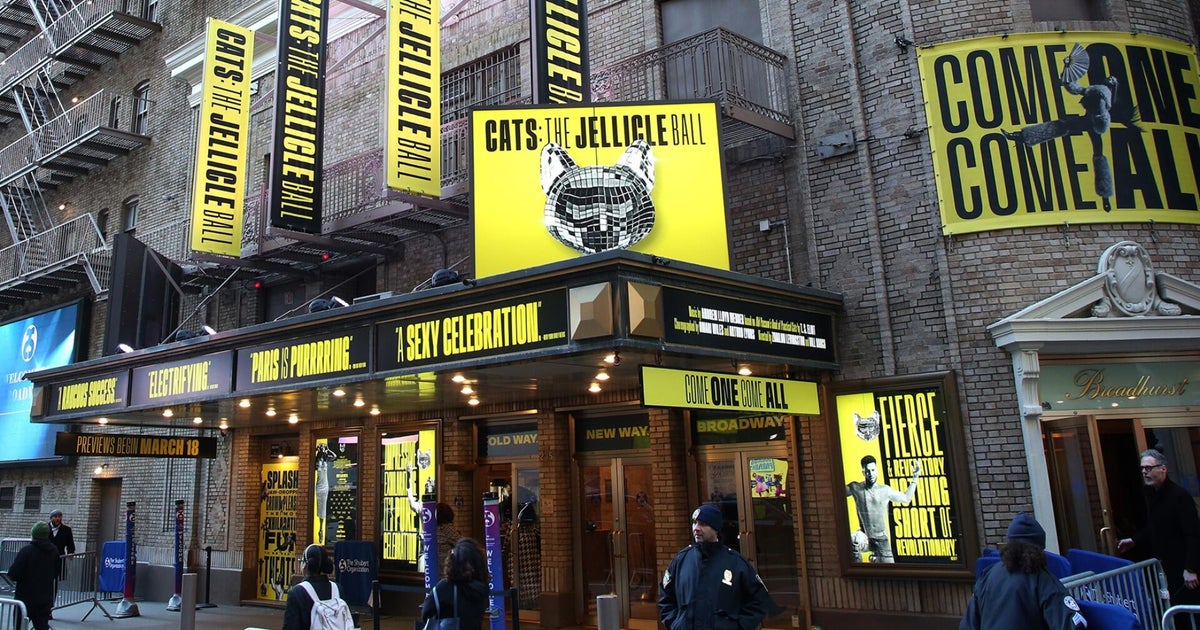
The costs to produce Broadway musicals have increased a lot in recent years. CBS News contributor Jamie Wax reports on the financial challenges of making these shows.
Key Facts
Producing Broadway musicals is becoming more expensive.
Costs have grown significantly over recent years.
Higher expenses create financial risks for producers.
Broadway shows require large investments for sets, actors, and production.
Rising costs can affect how many musicals are made and shown.
The article focuses on the financial side of Broadway theater.
CBS News contributor Jamie Wax shares this report.
Read the Original
Want the full story? Tap a source to open the original
article.
A large warehouse fire in Los Angeles in June was one of many fires linked to Lineage, a major company that runs cold storage warehouses worldwide. Records show at least 63 fires at Lineage properties in the last ten years, raising concerns about the company's safety practices and the impact on nearby communities.
Key Facts
The June 17 fire in Boyle Heights, Los Angeles, was a major industrial fire lasting over a week.
Lineage operates over 500 temperature-controlled warehouses globally.
At least 63 fires have been reported at Lineage locations or related sites since 2016.
Lineage acknowledged 34 building fires, including one nearly two months long in Finley, Washington.
The Boyle Heights warehouse is owned by Chill Build LLC but operated by Lineage.
Residents and environmental experts are worried about pollution and health risks from the fire.
Lawsuits have been filed against Lineage, Chill Build, and solar contractors involved with the warehouse.
The fire is suspected to have started during solar panel maintenance, but the exact cause is still under investigation.
Read the Original
Want the full story? Tap a source to open the original
article.
A company called Lineage Logistics was involved in a warehouse fire in Los Angeles that destroyed a large amount of meat. This fire caused bad smells and health problems for nearby residents. The company is also connected to many other similar warehouse incidents.
Key Facts
Lineage Logistics operates the warehouse that caught fire in Los Angeles.
The fire destroyed tens of millions of pounds of meat.
The incident caused foul odors and health risks for the local community.
Lineage Logistics has links to several other warehouse incidents.
The event raised concerns about warehouse safety and community impact.
Read the Original
Want the full story? Tap a source to open the original
article.
A logistics company called Lineage Logistics experienced a warehouse fire in Los Angeles that destroyed a large amount of meat and caused health problems for the nearby community. The company has had other fires at its properties in the past.
Key Facts
The fire happened at a Lineage Logistics warehouse in Los Angeles.
Tens of millions of pounds of meat were ruined by the fire.
The fire created bad smells and health risks for people living nearby.
Lineage Logistics is a company that stores and moves food products.
This company has had previous fires at different locations.
The incident affected the local community’s environment and safety.
Investigations into the cause of the fire are ongoing.
Read the Original
Want the full story? Tap a source to open the original
article.
Many women aged 40 to 65 with long careers say they struggle to find jobs and get mostly automatic rejections. They believe AI recruitment tools, which scan CVs and applications, may be biased against older women, making it harder for them to get hired.
Key Facts
Women over 40 with senior work experience report difficulty finding employment.
Many receive automated rejections or no replies after applying for many jobs.
Some women remove age-related details from their CVs to avoid bias, a process called "Botoxing" their CVs.
AI recruitment tools are used by many companies to screen job applications.
Experts worry that AI tools reflect existing biases and may disadvantage mid-life women.
Organizations like the City of London Women Pivoting to Digital Taskforce have raised concerns about AI's impact on female jobseekers.
Women say networking in person often feels more effective than online applications screened by AI.
Employers rarely disclose how much AI impacts their hiring decisions, making it hard to prove bias.
Read the Original
Want the full story? Tap a source to open the original
article.
News Corp’s digital subscriptions in Australia slightly dropped from 1,166,000 to 1,162,000 during the last financial year, reversing recent growth. The company’s chief executive criticized artificial intelligence (AI) tools for using news content without permission, while News Corp continues to seek payments from tech companies for using its news.
Key Facts
News Corp Australia’s digital subscribers fell slightly in the past year.
The drop reversed previous growth in digital subscriptions.
Australian titles under News Corp include The Australian, Daily Telegraph, and Herald Sun.
News Corp’s overall advertising revenue declined by 2% to June 30.
Costs rose due to launching a new newspaper, the California Post, based in Los Angeles.
CEO Robert Thomson criticized AI models for using News Corp’s content without paying.
News Corp has agreements with tech companies OpenAI and Meta.
The Australian government is planning to make tech companies pay media outlets for news content on their platforms.
Read the Original
Want the full story? Tap a source to open the original
article.
US beef prices have reached record highs mainly because there are fewer cattle available, mostly due to drought and disease. While ranchers get higher prices for their cattle, their costs for supplies and feed have also risen sharply, so they are not making much more profit than before.
Key Facts
US beef prices in supermarkets are 12% higher than a year ago, much faster than overall inflation.
There are fewer cattle in the US now than at any time since 1951, caused by drought and disease.
Rancher Eric Gropper sells calves at record prices but faces much higher costs for fuel, fence materials, feed, and equipment.
Over 60% of US cattle graze on drought-affected land, forcing many farmers to buy extra feed like hay and silage.
Most cattle are raised in large feedlots, where animals are fattened before slaughter; these feedlots also pay high prices for cattle.
Four companies (Tyson, JBS, Cargill, National Beef) control about 85% of US beef processing, raising concerns about market concentration.
Despite higher beef prices, increased costs mean ranchers and feedlot operators do not see significantly higher profits.
Read the Original
Want the full story? Tap a source to open the original
article.
This article discusses what clothing is appropriate to wear at work during hot summer weather. It covers opinions on shorts, sandals, and strappy tops in professional settings and how to balance comfort with workplace dress standards.
Key Facts
A poll found 62% of adults think it's okay for men to wear shorts at work when it's hot, and 63% agreed for women.
Fashion experts suggest shorts should be tailored, longer (around the kneecap), and paired with smart tops or blazers for a professional look.
Flip-flops are generally considered inappropriate for offices because they suggest leisure, while refined leather sandals may be acceptable if clean and neat.
Socks and sandals, a popular casual trend, are usually seen as too informal for work.
About 40% of people accept tank tops for women at work, but fewer (24%) accept them for men.
Some workplaces have rules asking staff to cover tattoos or dress more formally, even in hot weather.
Experts recommend wearing strappy tops under jackets or overshirts to keep a professional appearance.
Public opinion and workplace rules vary on acceptable summer workwear, showing a balance between comfort and professionalism is important.
Read the Original
Want the full story? Tap a source to open the original
article.
Adaptive reuse is now a major trend in U.S. development, where old offices and buildings are converted into housing and commercial spaces. This approach helps cities address office vacancies, housing shortages, and land costs by reusing existing buildings instead of building new ones from scratch.
Key Facts
More than 90,000 apartments are being created from former office buildings in the U.S., a 28% increase from last year.
These office-to-residential projects make up 47% of all adaptive reuse development plans.
Rising land prices since 2020 have made redevelopment more expensive, encouraging reuse of existing urban properties.
Over 276,000 acres of buildable government land is available in cities near public transit.
Municipalities are forming partnerships to develop mixed-use projects that combine housing, public spaces, and infrastructure.
Adaptive reuse supports walkable neighborhoods where people can live, work, and access services nearby.
Developers face challenges such as preserving historic features, managing complex construction, securing financing, and meeting community needs.
Firms like Urban Realty Partners focus on combining residential, commercial, and public spaces within reused buildings to boost urban growth.
Read the Original
Want the full story? Tap a source to open the original
article.
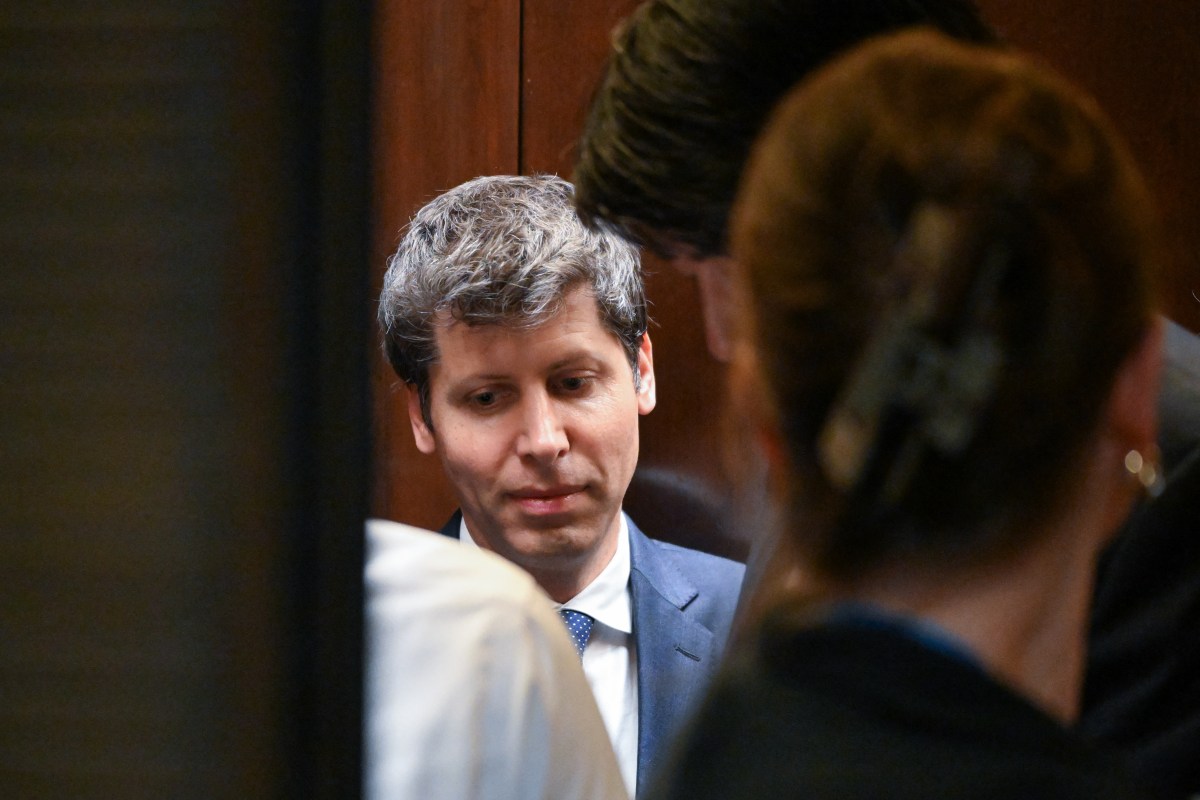
OpenAI agreed to pay $3.2 million to settle a lawsuit by the U.S. Department of Justice after being accused of discriminating against American workers in its hiring process. The settlement resolves claims that OpenAI favored foreign workers with temporary visas and used recruitment methods that made it hard for U.S. applicants to apply for certain job openings.
Key Facts
The Department of Justice accused OpenAI of discriminating against U.S. workers during the Permanent Labor Certification (PERM) hiring process.
OpenAI settled by agreeing to pay $1.2 million in penalties and $2 million in backpay to affected workers.
The DOJ found OpenAI failed to advertise some PERM jobs properly and used unusual methods such as late-night radio ads and paper applications, discouraging U.S. applicants.
PERM is a process employers use to sponsor foreign workers for permanent residency only after trying to hire qualified U.S. workers.
OpenAI agreed to change its hiring practices, including advertising PERM jobs on its public website and accepting electronic applications.
The company also committed to training staff on anti-discrimination rules and allowing federal monitoring.
OpenAI denies wrongdoing but chose to settle to focus on its hiring program, which supports employees needing immigration help.
This settlement follows earlier Newsweek reporting that showed some companies advertise green card jobs in ways that U.S. job seekers rarely see.
Read the Original
Want the full story? Tap a source to open the original
article.
Qantas, an Australian airline, is preparing to start direct, non-stop flights from Sydney to London in 2027, with plans to also fly from Sydney to New York later. These flights will use specially modified planes that can fly longer distances without stopping and will include a special in-flight area called the "Wellbeing Zone" designed to improve passenger comfort on very long trips.
Key Facts
Qantas announced Project Sunrise in 2017 to connect Sydney directly with London and New York.
The Sydney to London flight will begin in October 2027 and cut up to four hours from usual one-stop flights.
Flights will use modified Airbus A350-1000ULR planes that can fly over 16,000 kilometers non-stop for up to 22 hours.
The "Wellbeing Zone" is a new cabin area focused on passenger health and comfort during long flights.
The aircraft will have only 238 seats, making it a low-density layout with more personal space for passengers.
The A350 planes have special extra fuel tanks to enable these ultra-long flights.
Other airlines are also innovating in long-haul flight comfort, adding private suites, special lighting, and wellness features.
The aviation industry faces challenges like higher fuel costs and a recent drop in global air travel demand.
Read the Original
Want the full story? Tap a source to open the original
article.
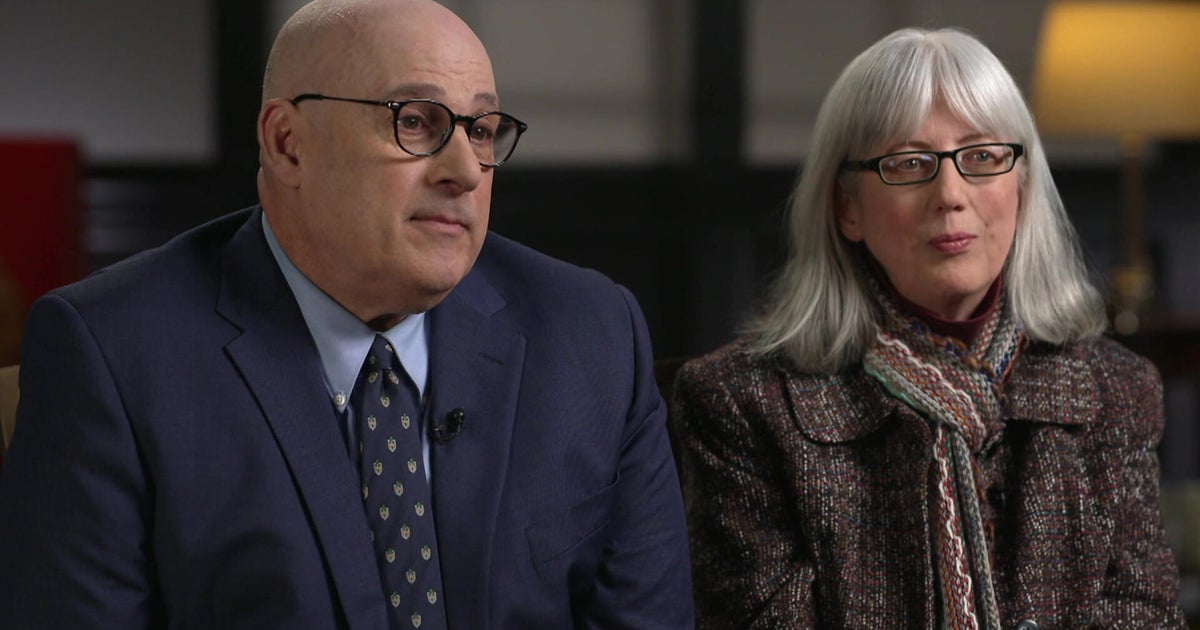
eBay agreed to pay $55.7 million to a couple in Massachusetts who were victims of a harassment and cyberstalking campaign. The campaign was carried out by former eBay employees, and the case was covered by the news program 60 Minutes in 2023.
Key Facts
eBay will pay $55.7 million in a settlement.
The victims are Ina and David Steiner, a couple from Massachusetts.
The harassment included stalking and cyberstalking, which means following and threatening someone online.
The harassment was done by people who used to work for eBay.
The story was reported on the TV show 60 Minutes in 2023.
The case involved unusual and serious behavior from former employees against private citizens.
The settlement is part of eBay’s response to the incident.
Read the Original
Want the full story? Tap a source to open the original
article.
SpaceX shares fell after the company said it would spend more money on artificial intelligence (AI). The increase in AI spending was mentioned in SpaceX's latest earnings report.
Key Facts
SpaceX announced higher spending on AI in its recent earnings report.
After this announcement, SpaceX shares dropped in value.
The share price fall happened on a Wednesday.
The news was analyzed by Javier David, a CBS News business contributor.
The increased AI spending may have caused concern among investors about costs or profits.
Read the Original
Want the full story? Tap a source to open the original
article.
Putting $40,000 into a 9-month certificate of deposit (CD) can earn savers between about $1,135 and $1,224 in interest, depending on the rate. CDs offer higher interest than regular savings accounts but require keeping the money locked in for the full term to avoid penalties.
Key Facts
A CD is a bank account where money is locked in for a set time in exchange for higher interest.
The best 9-month CD rates in August range from 3.80% to 4.10%.
At these rates, a $40,000 deposit can earn between $1,134.67 and $1,223.80 by maturity.
Early withdrawal from a CD usually results in losing all earned interest as a penalty.
Terms for CDs can vary from 3 months to 3 years or more.
A 9-month CD balances good interest earnings with moderate access to funds.
Using a CD is a safer option than investing in stocks or real estate during uncertain markets.
Online platforms make it easy to compare CD rates and open accounts quickly.
Read the Original
Want the full story? Tap a source to open the original
article.
The U.S. government has refunded $100 billion to businesses under tariff policies started by President Trump, covering about 60% of the tariffs collected. This follows a Supreme Court ruling that declared these broad import tariffs unlawful, leading to ongoing reviews and more refunds.
Key Facts
President Trump’s tariff refunds have reached $100 billion so far.
This amount equals about 60% of all tariff money collected under the policy.
Nearly $29 billion in refunds is still being reviewed by trade authorities.
About $1.6 billion is waiting because importers have not provided their bank details.
The Supreme Court ruled in February that the tariffs were unlawful under the 1977 International Emergency Economic Powers Act.
Some large companies like Amazon have already received refunds, with Amazon getting around $600 million in the second quarter.
Amazon plans to use some refund money to reduce prices for customers.
More refunds are expected as claims continue to be reviewed and bank information is updated.
Read the Original
Want the full story? Tap a source to open the original
article.
More than 120 UK politicians have asked the chancellor to urgently review the current student loan repayment system, saying it places a heavy financial burden on young workers. The main concern involves Plan 2 loans taken by students in England and Wales, as rising repayments and fixed thresholds make paying off these loans harder for many graduates.
Key Facts
Over 120 MPs and peers signed a letter calling for a review of the student loan repayment system.
The letter was coordinated by the campaign group Rethink Repayment and includes politicians with Plan 2 loans.
Plan 2 loans affect students in England from 2012-2023 and still apply in Wales; repayments start when income passes a set level, at 9%.
The repayment threshold for Plan 2 loans is frozen at £29,385 from 2027 to 2030 instead of increasing with inflation.
This freeze means graduates will start repaying earlier and pay more as their salaries rise.
Many middle-income earners see less than half of their pay rises after taxes and loan repayments.
The Treasury committee criticized past government comparisons of loan repayments to cheap phone contracts, calling it misleading for higher earners.
MPs voiced concern that changing loan terms after borrowers signed up is unfair.
Read the Original
Want the full story? Tap a source to open the original
article.
Opening a 1-year certificate of deposit (CD) with $20,000 in August can earn a guaranteed interest of about $830 to $880 by next summer. CDs are safe because they have fixed interest rates and are insured by the government up to $250,000.
Key Facts
A 1-year CD locks your money for one year but offers a fixed interest rate.
Interest rates for a $20,000 CD range from 4.15% to 4.40% as of August.
Expected interest earnings on $20,000 would be between $830 and $880 after one year.
Early withdrawal from a CD may lead to penalties, so it is best if the money can stay deposited until maturity.
CDs are FDIC-insured up to $250,000, protecting your money if the bank fails.
Fixed interest rates make CDs more predictable than savings or money market accounts.
Comparing rates from different banks can help find the best return.
Using online tools makes it easier to research and open CD accounts.
Read the Original
Want the full story? Tap a source to open the original
article.