A report shows the U.S. needs to invest $2.1 to $2.4 trillion in water infrastructure over the next 25 years. Experts say that besides building big water treatment plants, future systems should be more flexible and able to keep working during problems by using smaller, modular treatment units near water sources.
Key Facts
The U.S. faces a major need to upgrade drinking water infrastructure, costing over $2 trillion in 25 years.
Water main breaks happen about every 2 minutes in the U.S., showing aging pipes are a big issue.
Traditional water systems rely on large, centralized treatment plants serving wide areas.
New planning focuses on making water systems more resilient and flexible to handle disruptions.
Decentralized, modular treatment systems are gaining attention as a way to add capacity near water sources.
Modular systems can grow step-by-step as communities and water demand increase.
These smaller systems provide backup since if one fails, others keep working independently.
Companies like Air Water Solutions and HydroGenesis develop advanced modular water treatment technologies.
Read the Original
Want the full story? Tap a source to open the original
article.
This article explains how to tell if an air conditioning (HVAC) repair was done correctly. It warns that cheap repairs may seem good at first but can cause bigger problems later if they are rushed or incomplete. The article gives advice on signs to look for after a repair to avoid repeat visits and higher bills.
Key Facts
Many homes experience HVAC strain during heat waves, leading to more repair needs.
Low repair costs can be tempting but might mean poor or incomplete fixes.
A well-done repair should cool the home evenly without the system running non-stop.
The technician should clearly explain what was fixed and provide a detailed bill.
After repair, there should be no strange noises, smells, or visible issues like water leaks or ice.
Energy bills should not rise sharply if the repair was effective.
A good repair often comes with a warranty for protection against future problems.
Knowing what to watch for can save money by avoiding repeated repairs and early system replacement.
Read the Original
Want the full story? Tap a source to open the original
article.
Families of four teenagers who died by suicide have filed a lawsuit against Meta, Snapchat, TikTok, and YouTube. They claim that using these social media platforms caused mental health problems such as addiction, depression, and anxiety, which led to the teens' deaths.
Key Facts
The lawsuit was filed in Delaware on Thursday.
The families are from Minnesota, North Carolina, Tennessee, and Texas.
The teenagers who died were aged 13, 14, 17, and 18.
The teens experienced serious mental health issues like sleep problems, anxiety, and suicidal thoughts linked to social media use.
The Social Media Victims Law Center is representing the families.
The complaint says social media companies created addictive products harming young users.
Meta, Snapchat, TikTok, and YouTube's parent company Google have not yet responded to the lawsuit.
This lawsuit follows other legal cases where social media companies were found responsible for harming youth mental health.
Read the Original
Want the full story? Tap a source to open the original
article.
U.S. oil and gas companies earned large profits during spring as fighting between the U.S. and Iran slowed oil shipments. The conflict blocked much shipping through the Strait of Hormuz, raising fuel prices and causing shortages worldwide.
Key Facts
The fighting between the U.S. and Iran has lasted six months.
The Strait of Hormuz is a key shipping route for about 20% of the world’s oil and natural gas.
Most shipping through this waterway stopped because of the conflict.
Global oil supplies became limited due to these shipping disruptions.
Prices for Brent crude oil rose from about $70 to over $100 per barrel during March, April, and May.
At one point, Brent crude prices reached as high as $126 per barrel.
Higher oil prices caused fuel costs to increase for consumers globally.
U.S. oil and gas companies made large profits during this time.
Read the Original
Want the full story? Tap a source to open the original
article.
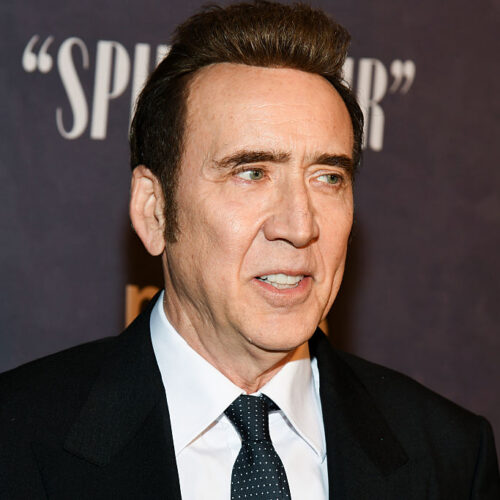
Netflix is being sued after an unencrypted drive with an unreleased Nicolas Cage movie called Fortitude was stolen from its offices. The movie’s financier claims Netflix did not protect the drive properly and caused potential financial losses, while Netflix denies responsibility and says the production company did not encrypt the drive as required.
Key Facts
Netflix admits a drive containing the unreleased movie Fortitude was stolen from its office desk.
The movie was financed by Simon Afram, who invested $45 million to produce it.
The drive was unencrypted, making its contents accessible to thieves.
Netflix waited a week before informing the production company about the theft.
The production company and Afram say Netflix failed to secure the drive and breached their contract.
Netflix denies liability and claims the production company did not follow security precautions by encrypting the drive.
Netflix says there is no evidence the movie has been leaked online.
The lawsuit demands over $112 million in damages and accuses Netflix of ignoring the issue.
Read the Original
Want the full story? Tap a source to open the original
article.
The UK government plans to let regional mayors in England keep a portion of income tax and business rates from 2027 and 2028. This move aims to give local leaders more control over funding for public services, though some critics worry it could create inequality between richer and poorer areas.
Key Facts
Regional mayors will begin keeping some business rates revenue from April 2027.
They will get a share of income tax from April 2028, but tax rates will not change.
The government says this is the biggest transfer of power from central government to local regions.
Some mayors want the ability to offer taxpayers rebates, but current plans do not allow this.
Critics argue that poorer areas might lose out and that central government support is still needed.
Some regions, like Cornwall, may not have elected mayors or combined authorities and could miss out on these powers.
Chancellor John Healey will provide more details in the October 28 Budget.
The policy is part of Prime Minister Burnham’s focus on devolution, giving more power to local leaders.
Read the Original
Want the full story? Tap a source to open the original
article.
Three Federal Reserve officials disagreed with the decision to keep interest rates the same and argued for raising them to fight high inflation. They believe inflation will not go down on its own and that small rate increases now could prevent bigger problems later.
Key Facts
Three Fed officials wanted to raise interest rates by a quarter-point instead of leaving them unchanged.
They say inflation has stayed too high for too long because of ongoing supply problems and strong demand.
These officials think the current policy is not slowing the economy enough to reduce inflation.
Fed President Neel Kashkari compared the current situation to the 1970s, warning repeated shocks can make inflation stick.
Kashkari mentioned big investments in data centers as a new factor driving demand and inflation.
Cleveland Fed President Beth Hammack heard from businesses and consumers about rising prices and supports rate hikes.
The officials suggest making small increases now to avoid having to make bigger increases later.
They are watching whether more Fed members agree with this approach in the near future.
Read the Original
Want the full story? Tap a source to open the original
article.
A judge ruled that private equity investors behind a £300 million used-car company planned in advance to remove the company’s CEO, Peter Waddell, from his role. Although Waddell was properly dismissed for serious misconduct, the court found the investors delayed addressing his behavior to gain full control of the business without paying for his shares.
Key Facts
Peter Waddell was CEO of Big Motoring World, a used-car dealership valued at £300 million.
Private equity firm Freshstream invested in the company in 2022, acquiring about one-third of the shares.
The judge found Freshstream had a planned strategy to remove Waddell and take full control of the business.
Waddell was dismissed for “gross misconduct” after making racist, sexist, and bullying remarks.
Freshstream delayed acting on Waddell’s behavior until they could force him out without paying for his remaining shares.
Waddell built the company from scratch, growing it to 525 employees and £371 million in revenue in 2021.
Waddell said he wants to regain control of the company after the ruling.
Freshstream says it was right to dismiss Waddell and is reviewing legal options regarding the judge’s other findings.
Read the Original
Want the full story? Tap a source to open the original
article.
The UK government, led by Prime Minister Andy Burnham and Chancellor John Healey, will announce a budget on October 28 focused on spreading money and power beyond London. The budget aims to follow strict spending rules while addressing economic challenges like inflation and rising borrowing costs.
Key Facts
The budget date is set for October 28.
The government plans to distribute money and power away from Westminster to other regions.
Chancellor John Healey promises to follow Labour’s fiscal rules, balancing spending with income.
Prime Minister Burnham has introduced policies like cutting VAT on energy bills and lowering business rates for pubs and live venues.
The UK is facing higher borrowing costs partly due to the economic effects of the Iran war.
The national debt is at its highest level since the 1960s.
Burnham has ruled out increasing income tax, National Insurance, or VAT but has not dismissed other tax changes like wealth or property taxes.
The government plans to fund social care, cost of living support, regional devolution, and increased defense spending within this budget.
Read the Original
Want the full story? Tap a source to open the original
article.
The United States faces a big shortage of automotive technicians, with 1.2 million more needed by 2029 to meet demand. This shortage is due to fewer young people entering the field, retiring experienced workers, and more complex car technologies requiring new skills.
Key Facts
The U.S. needs about 1.2 million new automotive, collision, and diesel technicians by 2029.
Current training programs will only supply a small portion of the needed technicians.
Retiring experienced workers and advanced car technology make the shortage worse.
Electric and high-tech vehicles require special training that takes time to develop.
Longer wait times and higher labor costs for repairs are affecting consumers.
The U.S. Department of Labor is investing $162 million to grow apprenticeship programs.
Companies are offering scholarships and better pay to attract more workers.
Industry leaders say the root problem is that young people are not introduced early enough to automotive careers or vocational training.
Vocational careers in the automotive field offer opportunities beyond traditional repair jobs, like vehicle customization and detailing.
Read the Original
Want the full story? Tap a source to open the original
article.
New York state has filed a lawsuit against Kalshi, saying the company is running an illegal gambling business. The lawsuit claims Kalshi is not following state laws by operating without a proper license and avoiding gambling taxes.
Key Facts
New York sued Kalshi on Friday.
The lawsuit accuses Kalshi of running an illegal gambling operation.
Kalshi is described as a prediction market platform.
The company allegedly did not get a license from New York's gaming commission.
The lawsuit says Kalshi avoided paying gambling-related taxes.
The state claims Kalshi ignored New York laws on gambling.
The term "Empire State" refers to New York.
The legal action is focused on compliance with state regulations.
Read the Original
Want the full story? Tap a source to open the original
article.
Creditors usually begin to negotiate with borrowers when the borrower has missed payments and it becomes unlikely they will pay the full debt. The size of the debt matters less than how late the payments are and other factors like income and financial hardship.
Key Facts
Creditors often start negotiating when a debt account is 90 days or more overdue.
There is no set minimum debt amount that triggers creditor negotiations.
A smaller debt that is very overdue may get better settlement offers than a large debt with current payments.
Creditors look at payment history, account status, income, assets, and potential recovery chances.
Some credit card companies offer hardship programs to reduce payments or interest for those facing temporary financial problems.
Hardship programs usually do not forgive any part of the debt.
Direct negotiation works best for a few accounts or temporary financial problems.
For multiple debts or ongoing financial trouble, a broader debt relief plan may be needed.
Read the Original
Want the full story? Tap a source to open the original
article.
Americans plan to spend more money on back-to-school shopping this year. Higher prices due to inflation are causing total spending to increase compared to previous years.
Key Facts
Inflation has raised the cost of goods, including school supplies and clothing.
Families expect to spend more on back-to-school items in 2024.
CBS Mornings shared tips to help shoppers save money.
Finding deals is important for managing increased costs.
The trend reflects broader economic changes affecting everyday expenses.
Read the Original
Want the full story? Tap a source to open the original
article.
New York state is suing Kalshi, a prediction market platform, accusing it of operating illegal gambling activities. The lawsuit seeks to stop Kalshi's business in New York, recover money for consumers, and impose fines, arguing that Kalshi violates state gambling laws and allows underage betting.
Key Facts
New York Attorney General Letitia James filed a lawsuit against Kalshi for illegal gambling.
The complaint demands Kalshi pay restitution to bettors, forfeit profits, and pay triple fines based on earnings in New York.
Kalshi is accused of allowing users under the state's legal gambling age of 21 to place bets.
New York Governor Kathy Hochul supports the lawsuit, saying Kalshi ignores state gaming laws.
Prediction market activity has grown rapidly since the 2024 presidential election, with combined monthly trading volume on such platforms rising from under $5 billion in 2025 to $24 billion in 2026.
Kalshi claims it is federally licensed and regulated by the Commodity Futures Trading Commission (CFTC).
The lawsuit is part of a wider legal struggle between states wanting to regulate or ban prediction markets and the federal CFTC, which claims exclusive regulatory authority.
A recent federal court ruling blocked Minnesota from enforcing a law banning most prediction market bets, showing ongoing legal conflicts.
Read the Original
Want the full story? Tap a source to open the original
article.
Chancellor John Healey has announced that his first Budget will be presented on 28 October. The Budget will focus on careful money management and aims to provide stability for businesses and families while respecting government spending rules.
Key Facts
John Healey is the Chancellor responsible for the UK's Budget.
The Budget date is set for Wednesday, 28 October 2026.
It will focus on moving resources from central government in Westminster to local areas across Britain.
The Budget will follow strict fiscal rules, meaning careful control of government spending and borrowing.
Prime Minister Andy Burnham’s government promises not to increase income tax, VAT, or national insurance contributions, sticking to Labour’s 2024 promises.
Economists warn that added government spending priorities like defence and social care could strain public finances.
Recent cost-of-living policies include removing VAT from domestic electricity bills.
The economic impact of the Middle East war and ongoing inflation may reduce financial buffers left by the previous Chancellor, Rachel Reeves.
Read the Original
Want the full story? Tap a source to open the original
article.
About 178,000 OCTROT heated blankets and throws are being recalled because they can catch fire or cause electric shocks. The products have caused fires and injuries, and customers are advised to stop using them and contact the company for a refund.
Key Facts
Approximately 178,000 OCTROT heated blankets and throws are recalled.
The electrical cord can detach and catch fire, creating fire, burn, and shock risks.
The Consumer Product Safety Commission (CPSC) received 555 reports of problems like melting, sparking, and smoke.
There were 27 fires and 15 injuries related to burns or electric shocks.
The products were sold on Amazon from August 2021 to December 2025, priced between $40 and $60.
The recalled items have model numbers OCT-5060, OCT-5062, OCT-6248, OCT-7284, or OCT-8490.
Consumers should stop using the products immediately, unplug and cut the cords, then send a photo to OctrotRecall@gmail.com to get a refund.
The official recall number is 26-652.
Read the Original
Want the full story? Tap a source to open the original
article.
New York’s Attorney General sued prediction market company Kalshi, claiming it operates illegal gambling without a license. Kalshi says it is regulated by the federal government, but New York argues it breaks state gambling laws and could face fines up to $36 billion.
Key Facts
New York sued Kalshi for running an illegal gambling platform disguised as a prediction market.
The lawsuit claims the outcomes are based mostly on chance, not skill.
Kalshi states it deals in federally regulated contracts, which it calls derivatives.
New York’s lawsuit says Kalshi violates laws on sports betting and underage gambling protections.
The Commodity Futures Trading Commission wants a court to stop New York’s lawsuit.
The suit demands Kalshi pay taxes, give up profits, and compensate users nationwide.
Potential penalties for Kalshi could reach about $36 billion.
New York officials say gambling laws protect consumers and fund public services.
Read the Original
Want the full story? Tap a source to open the original
article.
Wedding dresses are becoming more creative and less traditional. More designers and brands now offer unique styles that reflect the bride’s personality instead of the classic big white gown.
Key Facts
Celebrities like Charli XCX and Gabbriette have worn non-traditional wedding dresses, including minidresses and gothic-style gowns.
Designers such as Dilara Findikoğlu and brands like Weddings & Funerals and Wed. focus on alternative bridal wear, including black dresses and bold styles.
Brides today want their wedding looks to show who they truly are, not just follow traditional norms.
Wed. was started by Amy Trinh after she struggled to find a wedding dress she liked, showing demand for non-traditional options.
Alternative bridal wear is not new; past examples include Elizabeth Taylor’s yellow dress and Yoko Ono’s sneakers.
The rising popularity of unique wedding dresses coincides with fewer people getting married overall, as reported by the Centre for Social Justice.
These new bridal styles attract a wide range of women, including professionals in tech, law, and finance.
Read the Original
Want the full story? Tap a source to open the original
article.
A $40,000 deposit in a 3-month certificate of deposit (CD) account can earn between about $375 and $390 in interest at current rates around 3.8% to 3.95%. CDs offer a guaranteed fixed return and protect money from market changes during the short term but charge fees if funds are withdrawn early.
Key Facts
The Federal Reserve is currently keeping interest rates steady but may raise them in September.
CDs pay a fixed interest rate for a set term, such as three months.
Current top 3-month CD rates range from 3.80% to 3.95%.
A $40,000 deposit in a 3-month CD can earn approximately $375 to $390 in interest.
Early withdrawal from a CD usually incurs fees that can reduce earnings.
Money market accounts offer variable rates and easier access but do not guarantee interest earnings.
CDs help protect savings from market fluctuations during uncertain times.
Savers may consider renewing CDs later if rates increase for potentially higher returns.
Read the Original
Want the full story? Tap a source to open the original
article.
New York state sued the prediction market company Kalshi, calling it an illegal gambling business. The state wants to stop Kalshi’s operations and make the company give up its profits. Kalshi says it is regulated by the federal government and that states cannot control it.
Key Facts
New York officials filed a lawsuit against Kalshi in Manhattan’s state Supreme Court.
The state claims Kalshi operates without a state license and breaks gambling laws.
New York wants Kalshi to forfeit illegal profits, pay back consumers, and face fines.
Kalshi and similar platforms say they have federal licenses and are not traditional gambling.
The lawsuit argues Kalshi lets users aged 18 to 20 participate, but New York requires bettors to be 21 or older.
New York also sued other prediction market platforms like Coinbase and Gemini for similar reasons in April.
The state says prediction markets are gambling because event outcomes are uncertain and based on chance.
Kalshi’s spokesperson said shutting down the platform would push users to offshore sites and harm New Yorkers.
Read the Original
Want the full story? Tap a source to open the original
article.