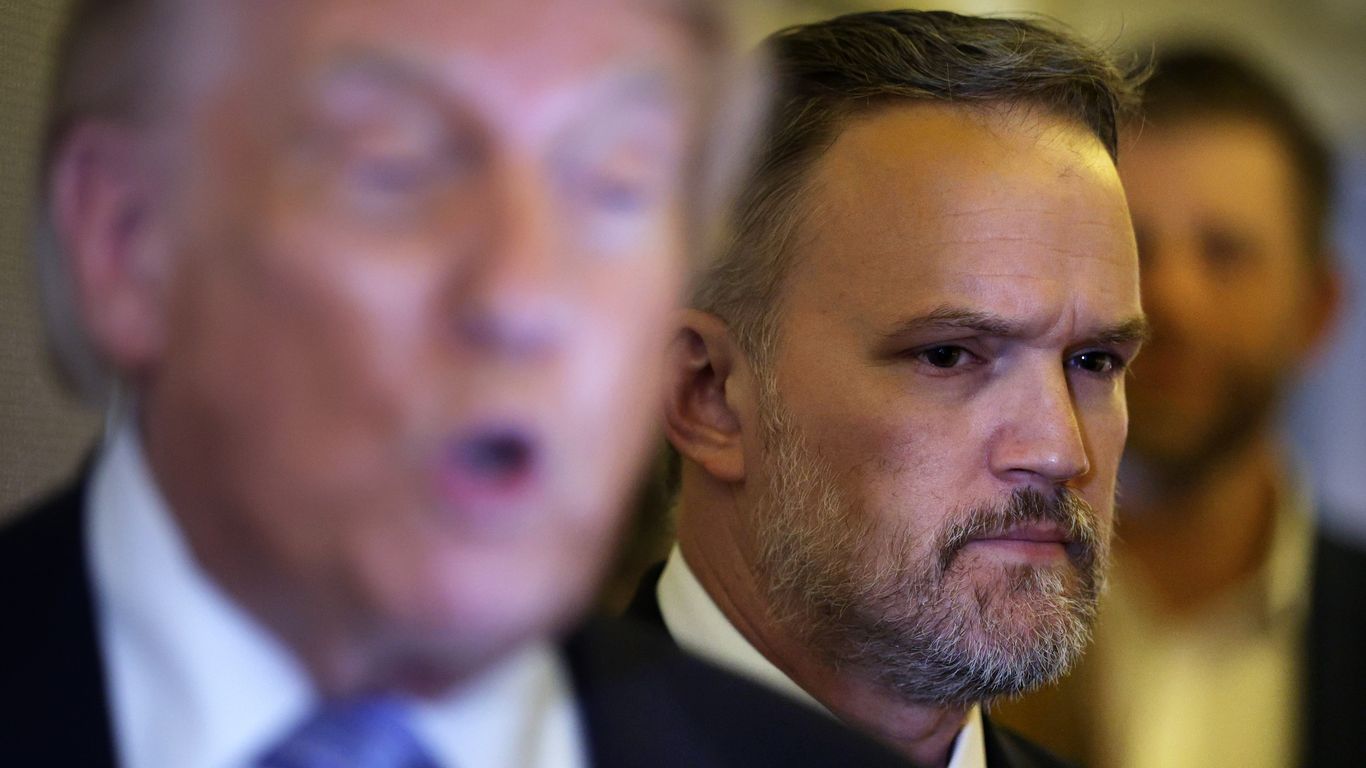
President Donald Trump’s administration has introduced new tariffs of up to 12.5% on imports from 60 countries as a temporary tariff program is ending. These tariffs aim to continue the U.S. trade policy and are based on findings that some trading partners are not properly stopping goods made with forced labor.
Key Facts
New tariffs up to 12.5% start immediately after the previous temporary tariffs expire.
The tariffs target countries that don’t enforce bans on goods made with forced labor.
Countries with partial enforcement, like India, face a lower tariff of 10%.
Certain products such as oil, gas, some fertilizers, and food are exempt to avoid economic disruption.
The tariffs rely on Section 301 of the Trade Act of 1974, which requires a formal investigation and public comment before duties are imposed.
This replaces the previous use of the International Emergency Economic Powers Act, which was ruled by the Supreme Court to be an unsuitable basis for tariffs.
The administration is also exploring other legal routes and may consider higher tariffs for other trade issues in the future.
The new tariff approach shows legal and policy adjustments to maintain President Trump’s trade agenda.
Read the Original
Want the full story? Tap a source to open the original
article.
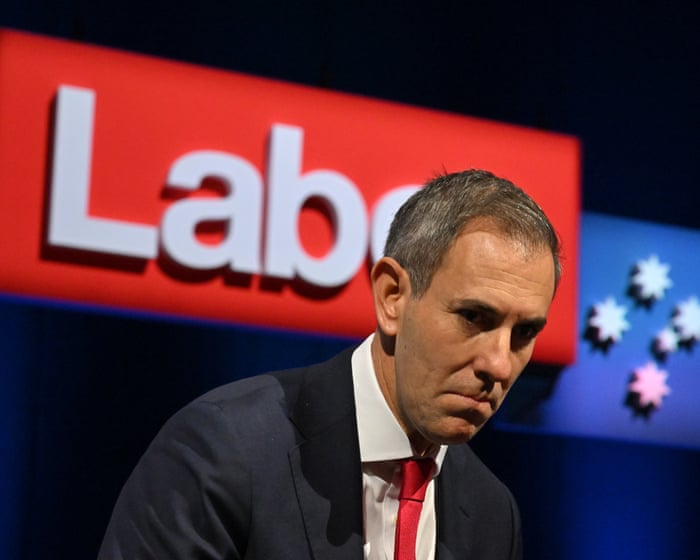
Australia’s job market grew strongly in June, adding over 76,000 jobs. However, rising oil prices due to conflict in the Middle East have increased expectations that the Reserve Bank of Australia will raise interest rates later this year. Treasurer Jim Chalmers said the government has other priorities besides introducing a new gas tax and highlighted recent resource tax reforms.
Key Facts
The Australian labour market added more than 76,000 jobs in June.
The Reserve Bank of Australia may raise interest rates for the fourth time in 2024 due to inflation concerns.
Rising oil prices, from about $72 to over $100 per barrel, are pushing petrol prices higher and adding inflation pressure.
Treasurer Jim Chalmers said the government’s focus is on resource tax reforms and gas reservations, not a new gas tax.
Labor party members approved plans to seek a “fairer return” from Australia’s natural resources at their conference.
Chalmers criticized right-wing parties for “anti-worker” policies and said Labor has worked to boost wages and cut taxes.
Real wages have grown recently, but ongoing inflation means people might have less money left after essentials.
The government aims to remain a reliable gas supplier internationally while managing domestic concerns.
Read the Original
Want the full story? Tap a source to open the original
article.
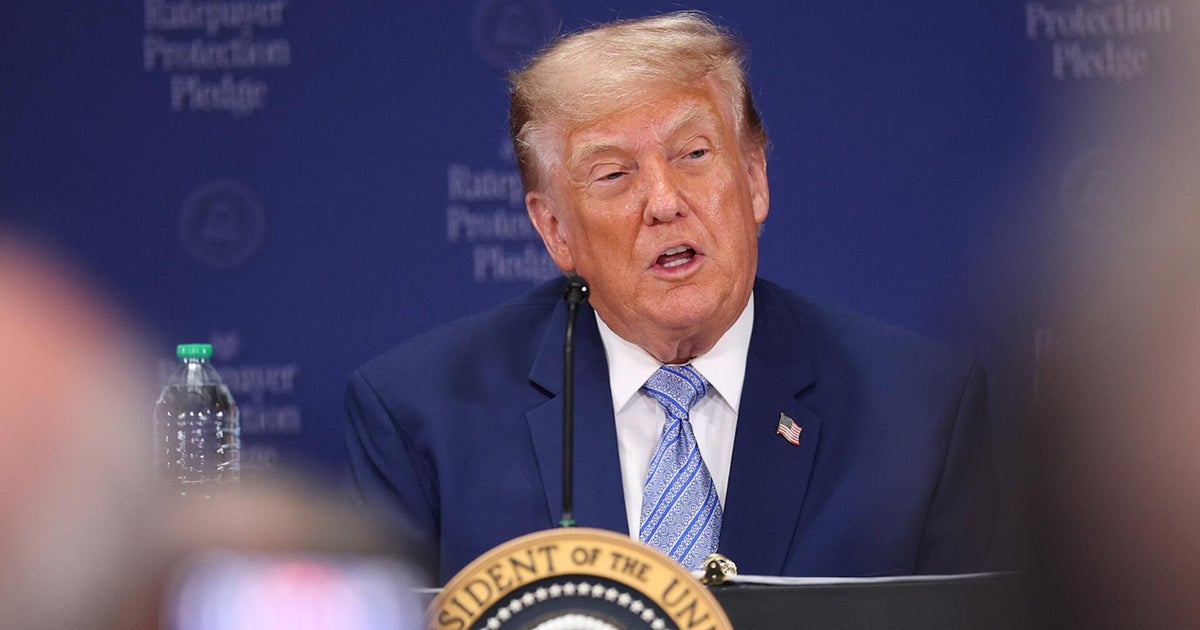
President Donald Trump discussed a plan to stop electric customers from paying extra costs caused by building new data centers for artificial intelligence (AI). He wants to protect ratepayers from increased electricity bills linked to these AI facilities.
Key Facts
President Trump spoke about protecting ratepayers from bearing costs of new AI data centers.
AI data centers need a lot of electricity to operate.
Building these centers can lead to higher electric bills for customers if costs are passed on.
The plan aims to prevent these extra costs from being charged to electricity users.
Trump made these comments during a news segment covered by CBS News.
The focus is on managing expenses linked to growing AI infrastructure.
Read the Original
Want the full story? Tap a source to open the original
article.
Alphabet (Google's parent company) and Tesla are facing pressure to keep spending money on artificial intelligence (AI) because competition is getting tougher. Investors on Wall Street are starting to wonder if the high costs of AI development are worth it. The episode also discusses the economic impact of Canada's wildfires and President Donald Trump's new plans for tariffs that could affect global trade.
Key Facts
Alphabet and Tesla released recent financial results showing ongoing investment in AI.
Competition in AI technology is increasing, causing companies to spend more.
Wall Street investors are concerned about the large expenses in the AI race.
Canada's wildfires are causing growing economic problems.
Ketchup-flavored potato chips are popular only in Canada.
President Donald Trump is restarting tariff talks that might change world trade rules.
The discussion took place on BBC's Business Daily program with hosts in Hanoi and Toronto.
The Google logo image mentioned was from a tech trade show in Las Vegas in January 2024.
Read the Original
Want the full story? Tap a source to open the original
article.
Paramount Skydance wants to buy Warner Bros. Discovery, which some states and a court are stopping because they worry it will reduce competition in movie theaters. However, the bigger issue may be that streaming platforms like Netflix now control most viewers, data, and advertising, changing how entertainment companies compete.
Key Facts
The European Commission approved the Paramount-Warner deal with conditions on July 22, 2025.
A judge in California temporarily stopped the deal while 12 states challenge it as an antitrust issue.
States worry fewer big studios mean fewer places for creators to sell their work and less competition.
The Writers Guild of America sued to block the merger, fearing harm to writers and the creative market.
Antitrust law focuses on specific markets, like movie theaters, and does not allow losses in one market to be balanced by gains in another.
Streaming services like Netflix have grown hugely, with over 325 million paid members and $45.2 billion revenue in 2025.
Streaming now controls much of TV viewing, advertising, and data to decide what content to produce and promote.
Traditional studios lack the direct customer relationships and technology that streaming platforms use to compete.
Read the Original
Want the full story? Tap a source to open the original
article.
Midwest Poultry Services has recalled over 1.5 million dozen eggs produced in Texas because they may be contaminated with Salmonella bacteria. The eggs were sold in several Southern and Southwestern states, and consumers are advised to check and return affected cartons for a refund. No illnesses have been reported so far.
Key Facts
The recall covers 1,589,577 dozen white and brown cage-free eggs produced between June 6 and July 3.
Affected eggs have sell-by dates from July 20 to August 17 and carry plant codes P-1950 or 0840962 with Julian dates 157–184.
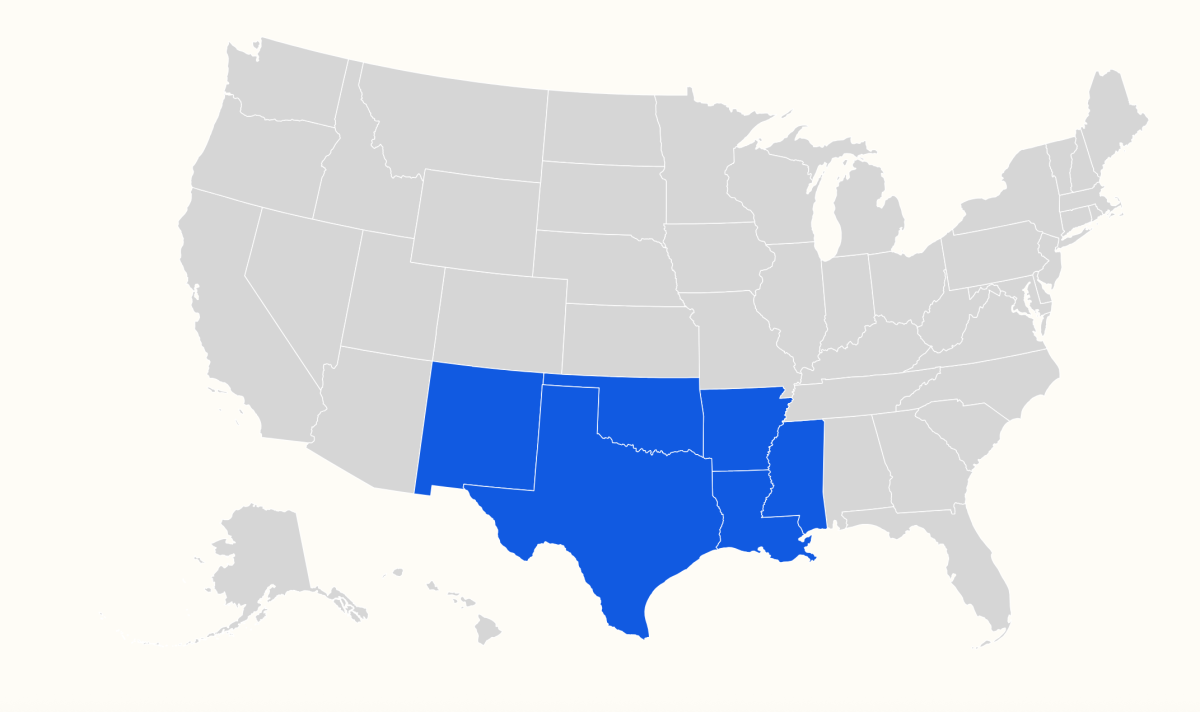
Eggs were distributed mainly in Texas, Louisiana, Oklahoma, Arkansas, New Mexico, and Mississippi at retailers like Kroger and Brookshire Grocery stores.
Midwest Poultry Services identified the risk through internal testing and began a voluntary recall to ensure food safety.
The company is pausing egg distribution from the affected farms while investigating the contamination.
Salmonella Enteritidis can cause severe illness in young children, elderly people, and those with weak immune systems.
The FDA is monitoring the situation and no cases of illness have been reported linked to these eggs.
Consumers are urged to avoid eating the recalled eggs and return them for a full refund.
Read the Original
Want the full story? Tap a source to open the original
article.
Ford and Chinese automaker Geely will work together to build low- and zero-emission vehicles at Ford’s factory in Valencia, Spain. The joint venture aims to help Ford compete better in Europe’s changing car market and will focus on producing several electric and hybrid models starting in 2028.
Key Facts
Ford and Geely announced a partnership to manufacture green vehicles in Spain.
The joint venture will be owned two-thirds by Ford and one-third by Geely.
They plan to produce five models, including the Ford Kuga plug-in hybrid and a new Bronco SUV.
Geely will make two electric SUVs at the same plant, with production starting in 2028.
A new multi-energy crossover vehicle will also be jointly developed and released in 2028.
The partnership aims to address strong competition, rising costs, and stricter rules in the European market.
Chinese automakers like Geely are expanding globally by offering affordable, advanced electric vehicles.
Ford’s vehicle sales in Europe have dropped from over 1 million a decade ago to less than half a million last year.
Read the Original
Want the full story? Tap a source to open the original
article.
Oil prices rose above $100 per barrel due to new fighting and military strikes in the Middle East, causing higher costs for gas, groceries, and school supplies. Companies are passing these costs on to consumers, leading to increased prices for everyday items and fuel.
Key Facts
Oil prices exceeded $100 a barrel because of renewed conflict in the Middle East.
Gasoline prices in the U.S. averaged $4.09 per gallon, up 15 cents from the previous week.
Higher oil prices increase costs for farming equipment fuel and transportation, raising grocery prices.
Fresh produce and dairy may see bigger price rises due to the need for refrigeration during shipping.
Imported foods like olive oil could become more expensive due to higher shipping costs.
Gasoline demand in the U.S. increased by 1% last week, showing people have not reduced driving.
Damage to oil refineries in the Middle East and Russia has reduced refinery capacity.
Futures prices suggest oil costs may fall after military actions end, but prices at the pump could keep rising short-term.
Read the Original
Want the full story? Tap a source to open the original
article.
Credit card users with high debt have several options to reduce what they owe starting this August. They can look into debt management, credit counseling, debt forgiveness, or consolidation loans and should gather their financial paperwork and research trustworthy debt relief companies.
Key Facts
Household debt reached a record high last year.
Interest rates have been cut several times in 2024 and 2025 but might rise again this fall.
Not all debt relief options work for everyone; options include credit counseling, debt forgiveness, and consolidation loans.
Bankruptcy can help but is not always the best first step.
Proof of financial hardship is often required for debt forgiveness programs.
Gathering all necessary documents early can prevent delays and further credit damage.
It’s important to research and choose legitimate debt relief companies carefully.
Checking reviews and organizations like the Better Business Bureau can help avoid scams.
Read the Original
Want the full story? Tap a source to open the original
article.
A new study by the Federal Reserve Bank of Minneapolis shows that only about 53% of U.S. adults actually own homes, which is much lower than the commonly reported 65% homeownership rate. The traditional measure counts homes as owned if someone in the household owns the home, even if some adults living there do not own it themselves.
Key Facts
The usual homeownership rate counts the share of homes where the owner lives, not the share of adults who own homes.
The new Federal Reserve measure, called the homeowners-to-population ratio (HPOP), counts the percentage of adults who own a home.
About 14% of U.S. adults live in owner-occupied homes but do not themselves own the home.
These adults can include grown children living with parents, relatives living together, or roommates.
According to the HPOP, only 53% of U.S. adults own homes, less than the 65% rate commonly cited.
The new measure shows homeownership is lower in every state, especially in states with high housing costs like California and New York.
Policymakers might need to reconsider strategies since the traditional data overestimates actual homeownership.
The new measure highlights how difficult it has become for many Americans to buy homes.
Read the Original
Want the full story? Tap a source to open the original
article.
Lake Powell’s water level is dropping toward a point where the Glen Canyon Dam may no longer generate hydropower. If this happens, electricity prices in parts of the Western U.S. could rise because other, more expensive sources of power would replace the lost hydropower.
Key Facts
Lake Powell’s water level is only 34 feet above the minimum level needed for power generation.
The U.S. Bureau of Reclamation projects Lake Powell could reach that minimum level by March 2027, depending on future water management rules.
Glen Canyon Dam produces hydropower for about seven states in the Western U.S., powering roughly 700,000 homes annually.
As water levels drop, the dam becomes less efficient, reducing electricity production before it stops completely.
If the dam stops producing hydropower, electricity utilities would likely buy power from other regions or burn more natural gas, which can be more expensive and less stable in price.
Droughts have caused significant losses in hydropower in the Western U.S., costing the sector billions of dollars in recent decades.
Hydropower loss due to drought is a recurring problem that affects energy costs over time, not just a one-time event.
Other dams, like Lake Oroville in California, have faced similar shutdowns when water levels dropped too low.
Read the Original
Want the full story? Tap a source to open the original
article.
Putting $10,000 into a 1-year certificate of deposit (CD) or a high-yield savings account can earn more interest than a regular savings account today. The CD offers a fixed rate, earning about $417 in a year, while the high-yield savings account has a variable rate, earning about $410 if rates stay the same.
Key Facts
Traditional savings accounts currently pay very low interest rates, around 0.38%.
CDs and high-yield savings accounts are offering rates close to 4% now.
A 1-year CD locks in a fixed interest rate, so earnings are predictable.
High-yield savings accounts have variable rates that can change over time.
With $10,000, a 1-year CD paying 4.17% would earn about $417 in interest.
The same amount in a high-yield savings account at 4.10% would earn about $410 if the rate stays stable.
If high-yield savings rates rise, that account could earn more than the CD.
Online banks often offer better rates than traditional banks with physical branches.
Read the Original
Want the full story? Tap a source to open the original
article.
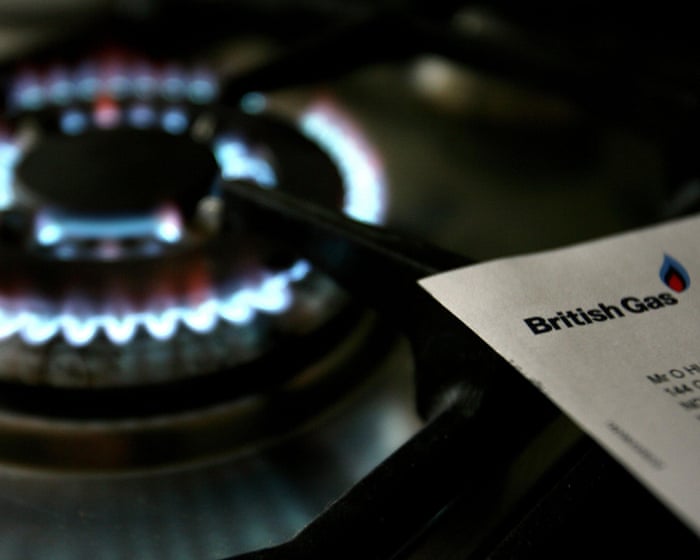
British Gas plans to cut 1,300 call centre jobs over two years as more customers use digital services and AI chatbots instead of phone calls. The company’s owner, Centrica, says this job reduction reflects customer habits rather than AI causing layoffs. Meanwhile, Centrica reported higher profits despite having fewer customers.
Key Facts
British Gas will cut 1,300 call centre jobs across six UK cities over two years.
These cuts include 800 new reductions plus 500 already announced.
Over 90% of British Gas customers now use digital channels first, like websites or apps.
Customer phone calls have dropped by 20%, reflecting changing behavior.
Centrica says AI tools help serve customers but are not the main reason for job cuts.
British Gas had 7.45 million domestic customers at mid-year, down from 7.5 million.
Despite fewer customers, Centrica’s retail profits rose from £338 million to £346 million in six months.
British Gas will pay up to £112 million in compensation for issues related to prepayment meters during the Russian gas crisis.
Read the Original
Want the full story? Tap a source to open the original
article.
The average 30-year mortgage rate in the U.S. rose to 6.58%, the highest level in nearly a year, making home loans more expensive. This increase comes as rising oil prices and inflation concerns affect the economy and borrowing costs.
Key Facts
The 30-year fixed mortgage rate increased from 6.55% last week to 6.58% this week.
One year ago, the 30-year mortgage rate was higher at 6.74%.
The 15-year fixed mortgage rate also went up, from 5.93% to 5.96%.
Rising mortgage rates add hundreds of dollars to monthly payments for buyers.
Higher rates reduce buying power and have contributed to slower home sales in the U.S. this year.
Mortgage rates often follow the 10-year Treasury yield, which rose from 3.97% in February to 4.7% in mid-October.
The increase in Treasury yields is linked to inflation concerns driven by rising oil prices and geopolitical tensions in Iran.
The Federal Reserve’s interest rate decisions influence bond markets, which in turn affect mortgage rates.
Read the Original
Want the full story? Tap a source to open the original
article.
Treasury bond yields have been rising because investors want bigger rewards to lend money for a long time. This happens as governments and companies need more funds for spending and investments, raising borrowing costs and making it more expensive to pay national debt interest.
Key Facts
Investors demand higher returns to lend money for long periods, pushing Treasury yields up.
Inflation expectations remain steady, so the Federal Reserve may keep interest rates higher for a long time.
Higher borrowing costs increase the U.S. government's debt service expenses.
Mortgage rates are unlikely to drop soon due to rising Treasury yields.
Long-term Treasury yields, like 10-year and 30-year bonds, have reached highs not seen in years.
Governments are running large deficits while companies invest heavily, competing for limited money.
Alphabet plans to spend an additional $15 billion on computer infrastructure amid strong demand.
Sustained yield increases could add nearly $2 trillion in extra government interest costs over ten years.
Read the Original
Want the full story? Tap a source to open the original
article.
A lobbying firm called CT Group is under pressure to reveal details about secretly paying journalists to write positive articles for its clients. Critics say this practice harms journalism ethics and democracy, and there are calls for stricter rules on lobbying and transparency.
Key Facts
CT Group, a political lobbying firm, secretly paid journalists for favourable stories about its clients.
This practice was revealed after a four-month investigation by The Guardian.
CT Group was co-founded by Lynton Crosby, a political strategist linked to former UK Prime Ministers.
The firm offered cash incentives to journalists in exchange for editorial control of articles.
Experts and politicians said paying journalists undermines press integrity and democracy.
There are calls for CT Group to disclose full details and for stronger lobbying regulations.
CT Group denies the specific allegations and says the undercover journalist pursued them.
The investigation raised concerns about freelance journalists’ vulnerability due to irregular pay and work.
Read the Original
Want the full story? Tap a source to open the original
article.
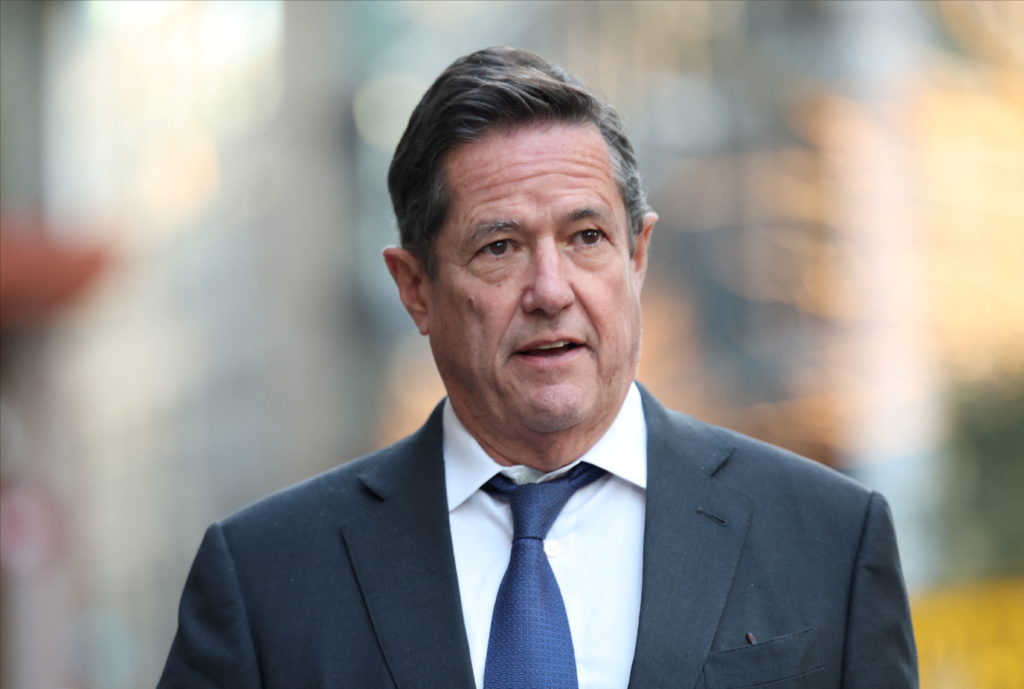
Jes Staley, an American banker and former CEO of Barclays, was interviewed privately about his connections to Jeffrey Epstein, a convicted sex offender. Staley resigned in 2021 while UK regulators investigated his relationship with Epstein.
Key Facts
Jes Staley is an American banker.
He was the CEO of Barclays, a British bank.
Staley stepped down from his CEO position in 2021.
The UK's financial regulator examined his links to Jeffrey Epstein.
Epstein was a convicted sex offender.
Staley underwent a private interview about this issue in 2024.
Questions about Staley's relationship with Epstein had been raised over several years.
Read the Original
Want the full story? Tap a source to open the original
article.
The FDA is investigating a new cyclospora outbreak in the US that has sickened at least 72 people, but the exact source is unknown. Meanwhile, the CDC is managing the largest recorded cyclospora outbreak linked to shredded iceberg lettuce from Taylor Farms Mexico. Experts suggest choosing whole lettuce heads over pre-cut products and note that indoor-grown lettuce may carry lower risks.
Key Facts
The FDA is studying a new cyclospora outbreak with no confirmed food source yet.
At least 72 people have become ill in this new outbreak.
The CDC reports over 4,000 confirmed cyclospora cases in 41 states in a separate, larger outbreak.
That larger outbreak is linked to shredded iceberg lettuce from Taylor Farms in central Mexico.
Cyclospora is a parasite that contaminates food or water through human fecal matter.
Symptoms include diarrhea, nausea, fever, and stomach cramps, appearing 2 to 14 days after eating contaminated food.
Experts recommend buying whole heads of lettuce and removing outer leaves for safety.
Indoor-grown lettuce from controlled environments may reduce contamination risk compared to traditional farming.
Read the Original
Want the full story? Tap a source to open the original
article.
A 1-year certificate of deposit (CD) with $100,000 can earn savers about 4% interest, roughly $4,100 to $4,170, with a guaranteed fixed rate. While stocks may offer higher returns, CDs provide safety and predictable earnings by locking in funds for the term.
Key Facts
Current top 1-year CD interest rates are around 4.10% to 4.17%.
A $100,000 deposit in a 1-year CD could earn between $4,100 and $4,170 in interest.
CD funds must stay locked in until the maturity date, usually 12 months, to avoid early withdrawal fees.
Stocks generally offer higher returns but come with more risk and less predictability.
Online banks often offer better CD rates than banks with physical branches.
Money market accounts offer easier access to funds and check-writing but usually have variable, lower rates.
CDs are best for savers wanting guaranteed and predictable earnings with no risk to principal.
Early withdrawal from CDs may result in penalties that reduce earnings.
Read the Original
Want the full story? Tap a source to open the original
article.
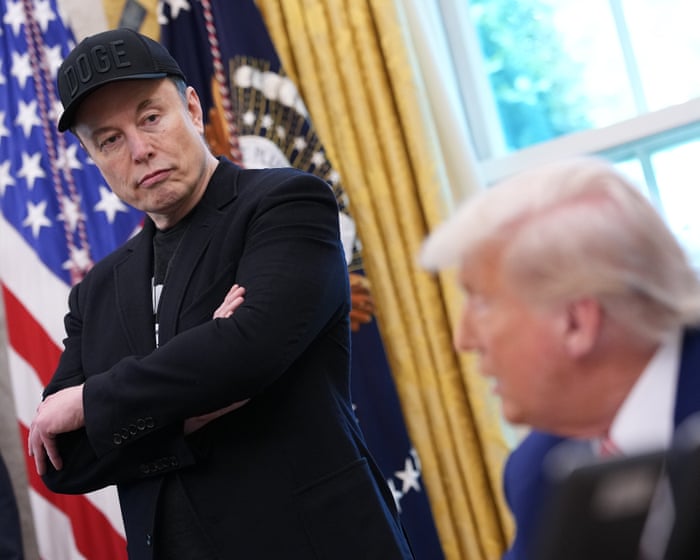
Elon Musk said he got too involved in politics while working with President Donald Trump, especially in his role leading a government office called Doge that cut many federal jobs and budgets. He also talked about his future plans for artificial intelligence, predicting that robots and AI will take over many jobs and bring great abundance in the next decade.
Key Facts
Elon Musk helped President Donald Trump get elected in 2024 by giving $200 million.
Musk led the "department of government efficiency" called Doge, cutting $150 billion and many federal jobs.
Musk admitted he "got carried away" with politics and might focus more on his companies in the future.
Musk’s SpaceX briefly made him the first trillionaire before his wealth dropped to around $750 billion.
He predicts AI will surpass all human intelligence within five years and robots will take over many jobs in ten years.
Musk plans to combine his AI work with SpaceX and Tesla, including making humanoid robots.
He said AI data centers in space could harm Earth, but this is part of his plans.
Musk shared controversial views on UK politics and migration, criticizing the media’s portrayal of Europe’s far right.
Read the Original
Want the full story? Tap a source to open the original
article.