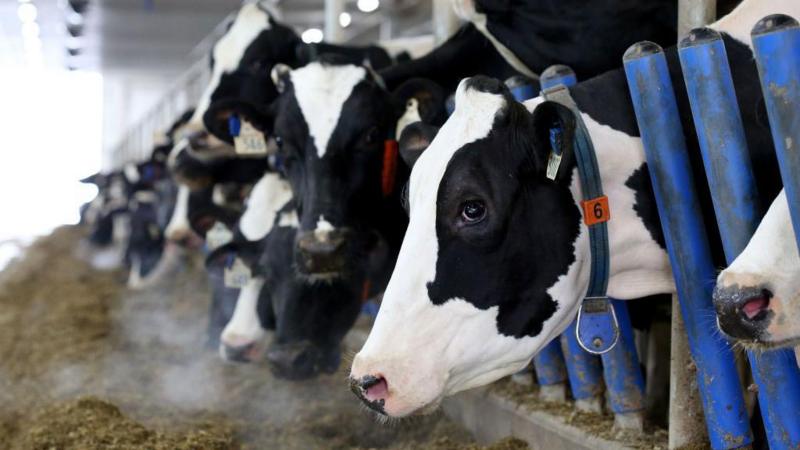
Canada’s dairy supply management system controls how much dairy farmers produce and the prices they get. President Donald Trump is targeting this system with new U.S. tariffs on Canadian goods, saying it limits American farmers’ access to Canada’s market. Canadian leaders say the system is important for their economy and rural communities and are resisting changes.
Key Facts
Canada controls dairy production through quotas and sets prices to support farmers and keep supply steady.
The U.S. will impose a 50% tariff on $20 billion of Canadian goods starting in August, partly because of Canada’s dairy system.
American farmers want more access to sell dairy products in Canada due to high U.S. dairy production.
Canadian leaders, including Quebec's Premier and the Trade Minister, say the dairy system is essential and non-negotiable.
Foreign dairy imports above set limits face very high tariffs of 200% to 300%, making it expensive for outsiders to sell dairy in Canada.
Canada currently allows the U.S. tariff-free access to only 3.5% of its dairy market, despite being a large buyer of U.S. dairy products.
The dairy supply management system has been in place since the 1970s, unlike similar systems phased out in Australia and New Zealand.
The U.S. and other international partners have challenged Canada’s dairy policies in trade talks and agreements.
Read the Original
Want the full story? Tap a source to open the original
article.
A report finds that climate change will cause about $1.47 trillion in losses to U.S. home values over the next 30 years while some areas will see gains of $244 billion. Climate-driven natural disasters will raise homeowners' insurance costs by nearly 30% on average and force 55 million Americans to move within the country by 2055.
Key Facts
Climate change is set to reduce U.S. home values by around $1.47 trillion by 2055.
Some properties will increase in value by about $244 billion during the same time.
Homeowners insurance premiums are expected to go up by 29.4% on average due to climate risks.
Around 55 million Americans will relocate within the U.S. due to climate impacts like heat, wildfires, and flooding.
California, Florida, and Texas have paid more than 40% of the nation’s $2.8 billion in natural disaster costs since 1980.
Cities like Miami may see insurance rates increase more than four times, with other areas also facing large hikes.
Some counties in the Sun Belt states could lose 10% to 40% of their property value by 2055.
Recent wildfires in Los Angeles killed dozens, displaced tens of thousands, and damaged thousands of buildings.
Read the Original
Want the full story? Tap a source to open the original
article.
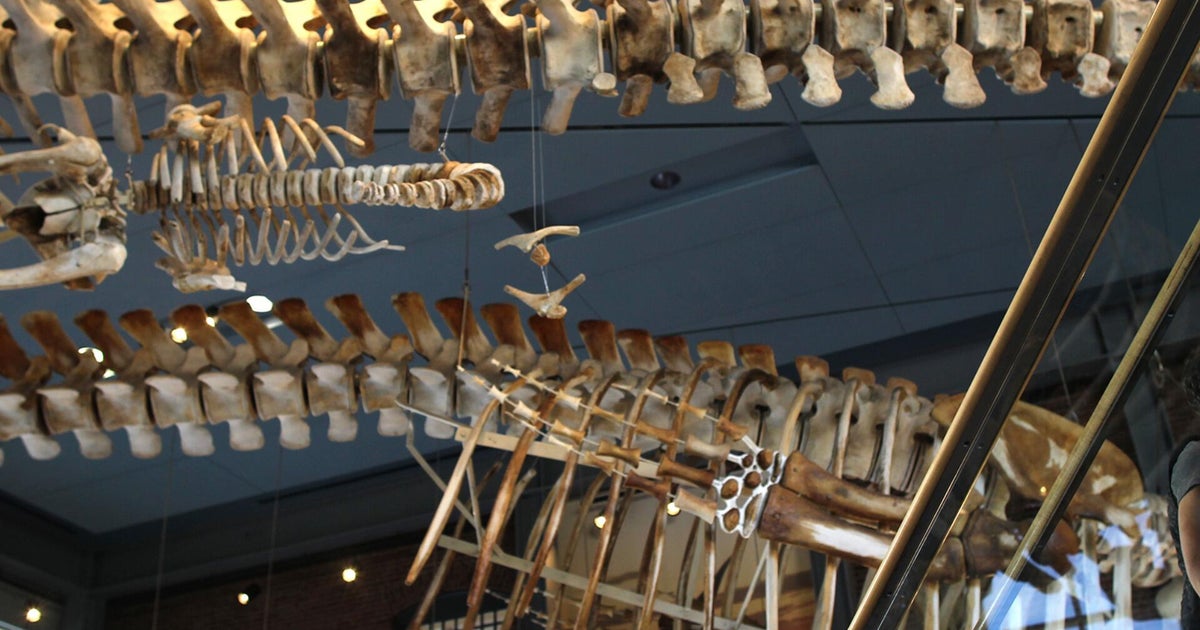
The New Bedford Whaling Museum received a negative Google review calling it the "worst aquarium ever." The museum used this bad review to create free marketing and attract more visitors.
Key Facts
The New Bedford Whaling Museum got a bad review on Google.
The review described the museum as the "worst aquarium ever."
The museum is not an aquarium, so the review was misleading.
Instead of removing the review, the museum used it in their marketing.
This strategy helped the museum get more attention and visitors.
The story was reported by CBS News journalist Tony Dokoupil.
Read the Original
Want the full story? Tap a source to open the original
article.
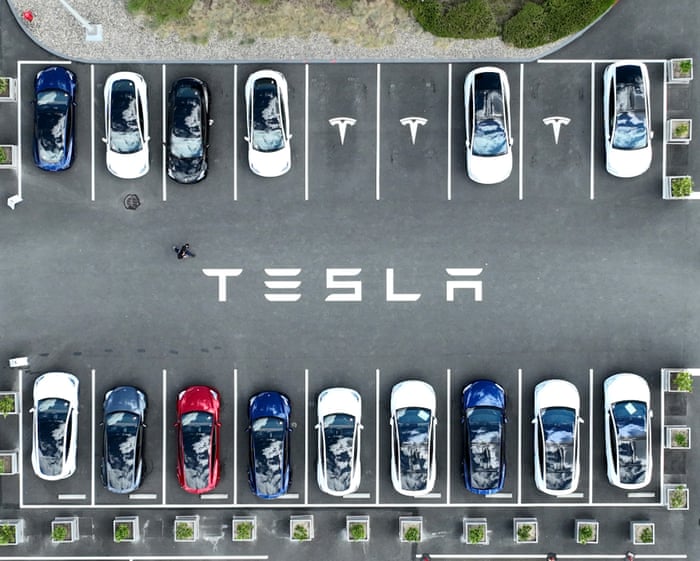
Tesla is spending a lot of money on developing robots, self-driving cars, and AI technology, which is lowering their current profits. The company expects these investments to bring big financial gains in the future.
Key Facts
Tesla's CEO Elon Musk said he is very optimistic about the future despite current spending costs.
The company plans to spend over $25 billion this year on new equipment and factories, with spending increasing in the next few years.
Tesla may borrow up to $30 billion to fund projects like robotaxis, humanoid robots called Optimus, AI chips, and solar energy production.
In the second quarter, Tesla earned $28 billion in revenue, a 23% increase from last year, but profits dropped slightly.
Tesla’s operating margin (profit compared to sales) fell from 4.1% to 1.4% over the past year due to high research and development costs.
Production began on Tesla’s Cybercab, a self-driving taxi, in Texas, but the robotaxi service is being introduced slowly to ensure safety.
The Tesla Semi truck is expected to be produced later this year, but fully self-driving trucks won’t be a focus until next year.
Tesla is working to expand battery production, which limits how many cars they can make, and expects to start making Optimus robots in their California factory by the end of the year.
Read the Original
Want the full story? Tap a source to open the original
article.
Drop-off fees at the UK's major airports have increased by about one third since last summer. Gatwick and Stansted airports charge the highest fees, with £10 for a short stay near the terminals, while other airports offer free or cheaper drop-off options further away with shuttle services.
Key Facts
Drop-off fees rose at 16 of the 20 busiest UK airports in the past year.
Gatwick charges £10 for 10 minutes near its terminals; Stansted charges £10 for 15 minutes.
London City Airport charges £8 for 5 minutes, the highest cost per minute.
None of the top 10 EU airports charge drop-off fees near terminals.
Airports argue fees help reduce congestion, pollution, and meet climate goals.
Gatwick encourages public transport use, linking to over 120 train stations and running 24/7 bus routes.
Some free drop-off options exist at long-stay car parks with shuttle buses.
Businesses say the fees increase their travel costs and question the reasons given for the fees.
Read the Original
Want the full story? Tap a source to open the original
article.
The European Union approved Paramount's $81 billion acquisition of Warner Bros. Discovery with some conditions to keep competition fair, especially in movie theater distribution. The deal still faces challenges in the U.S., where several states have sued to block the merger over concerns it would reduce competition.
Key Facts
The EU’s antitrust authority approved Paramount's takeover of Warner Bros. Discovery for $81 billion.
The EU required Paramount to end a film distribution partnership with Universal in Europe within 13 months of completing the deal.
Paramount cannot make new distribution agreements with Universal in Europe for 10 years.
Warner films in Europe must be distributed through Paramount’s existing channels.
The merger combines major studios and streaming services like HBO Max, Paramount+, and popular franchises such as Harry Potter and Top Gun.
U.S. states including California have sued to stop the merger, fearing it will reduce competition in movies and cable TV.
A U.S. judge ordered a pause on the merger at least until a hearing on August 3.
Paramount argues the EU approval shows the merger will still allow enough competition.
Read the Original
Want the full story? Tap a source to open the original
article.
The toy industry is already preparing for the upcoming holiday season by showcasing new toys that may become popular. Bradley Blackburn reported on these new toy options that children might want in December.
Key Facts
The holiday season is several months away, but toy companies are starting early.
New toys for the season have been previewed to the public.
Bradley Blackburn covered the story about these new toy items.
The report focused on toys that could be popular gifts for kids.
The preview was available on CBS News and its app.
Read the Original
Want the full story? Tap a source to open the original
article.
The U.S. government has imposed 25% tariffs on certain goods imported from Brazil, including wood products, ethanol, and farm machinery. Most food items, including coffee, are currently exempt, so Americans will not see immediate price increases in grocery bills. However, over time, these tariffs could lead to higher costs if Brazil responds with its own tariffs or shifts exports to other countries.
Key Facts
President Donald Trump’s administration introduced 25% tariffs on some Brazilian imports.
The tariffs target products like wood, ethanol, and farming equipment, but not most food items.
The tariffs began after a trade investigation found Brazil restricted U.S. exporters’ access to its market.
Food items, including coffee, are mostly exempt now, so grocery prices will not rise immediately.
Brazil might retaliate by putting tariffs on U.S. exports or targeting vulnerable goods.
If Brazil sells more goods to other countries, fewer goods would come to the U.S., which could raise prices over time.
Retaliation options could include tariffs or changes affecting U.S. technology, medicine, or agriculture exports.
The tariffs cover up to $11 billion of Brazilian exports to the U.S., about 26% of Brazil’s shipments there.
Read the Original
Want the full story? Tap a source to open the original
article.
European regulators have approved Paramount Skydance's $110 billion plan to buy Warner Bros Discovery after Paramount agreed to end a key film distribution deal in Europe. However, the merger is still delayed in the United States because a group of states has filed a lawsuit to stop it, and a judge has paused the deal while the case is reviewed.
Key Facts
The European Commission approved the $110 billion merger after Paramount agreed to end its European film distribution deal with Universal Pictures within 13 months.
Paramount cannot start a similar distribution partnership in Europe for 10 years to avoid too much market control.
In the US, a coalition of 12 states sued to block the merger, saying it would harm movie theaters, cable companies, and audiences.
A US judge temporarily paused the merger to consider the lawsuit’s claims.
If the deal does not close by September 30, Paramount must pay Warner Bros $7 million every day as a penalty.
The Writers Guild of America opposes the merger, fearing it will reduce jobs and lower writers’ pay.
UK regulators are also reviewing the deal for possible effects on local news, children’s TV, and streaming competition.
Paramount promises to release at least 30 movies in theaters yearly after the merger, double its current output.
Read the Original
Want the full story? Tap a source to open the original
article.
Tesla reported higher sales and revenue in the second quarter compared to last year, but also faced increased costs and spending. The company made a small profit, but its profit margin fell sharply due to rising expenses and heavy investments in new technology projects.
Key Facts
Tesla’s sales revenue grew 26% to $28.2 billion in Q2 2025.
Electric vehicle revenue increased 23% to $20.5 billion.
Profit margin dropped to 1.4%, down from previous double-digit levels.
Operating expenses rose 47% to $4.4 billion.
Tesla’s net profit was $1.1 billion, 5% less than last year’s same quarter.
Capital spending jumped 142% to $5.8 billion.
Free cash flow was negative $1.1 billion, a large decline from positive $1.4 billion last quarter.
Spending focuses on AI, humanoid robots, and robotaxi services, not on new cars or solar roof development.
Tesla plans to start producing humanoid robots later this year and expand robotaxi services in seven major cities, pending regulatory approval in California.
Read the Original
Want the full story? Tap a source to open the original
article.
Tesla reported lower profits than expected for the second quarter, even though its revenue was higher than predicted. The company is shifting focus from car sales to new technology areas like robotics, self-driving cars, and artificial intelligence.
Key Facts
Tesla’s second-quarter earnings were 31 cents per share, below the expected 51 cents.
The company’s revenue was $28.23 billion, higher than the forecasted $25.71 billion.
Tesla’s stock dropped over 3% after the earnings announcement.
Electric vehicle tax subsidies ended in the US last year, reducing Tesla’s sales advantage.
Tesla’s vehicle sales grew in Europe due to ongoing subsidies and higher gas prices caused by the US-Iran conflict.
Tesla is focusing on robotics and autonomous driving technology, including its Optimus robot and Robotaxi service.
Robotaxi, Tesla’s self-driving taxi, now operates in Texas cities like Austin and Miami and is expanding to Tampa and Orlando.
Only about 50 Robotaxis currently run in Austin, showing a slower rollout than initially promised.
Read the Original
Want the full story? Tap a source to open the original
article.
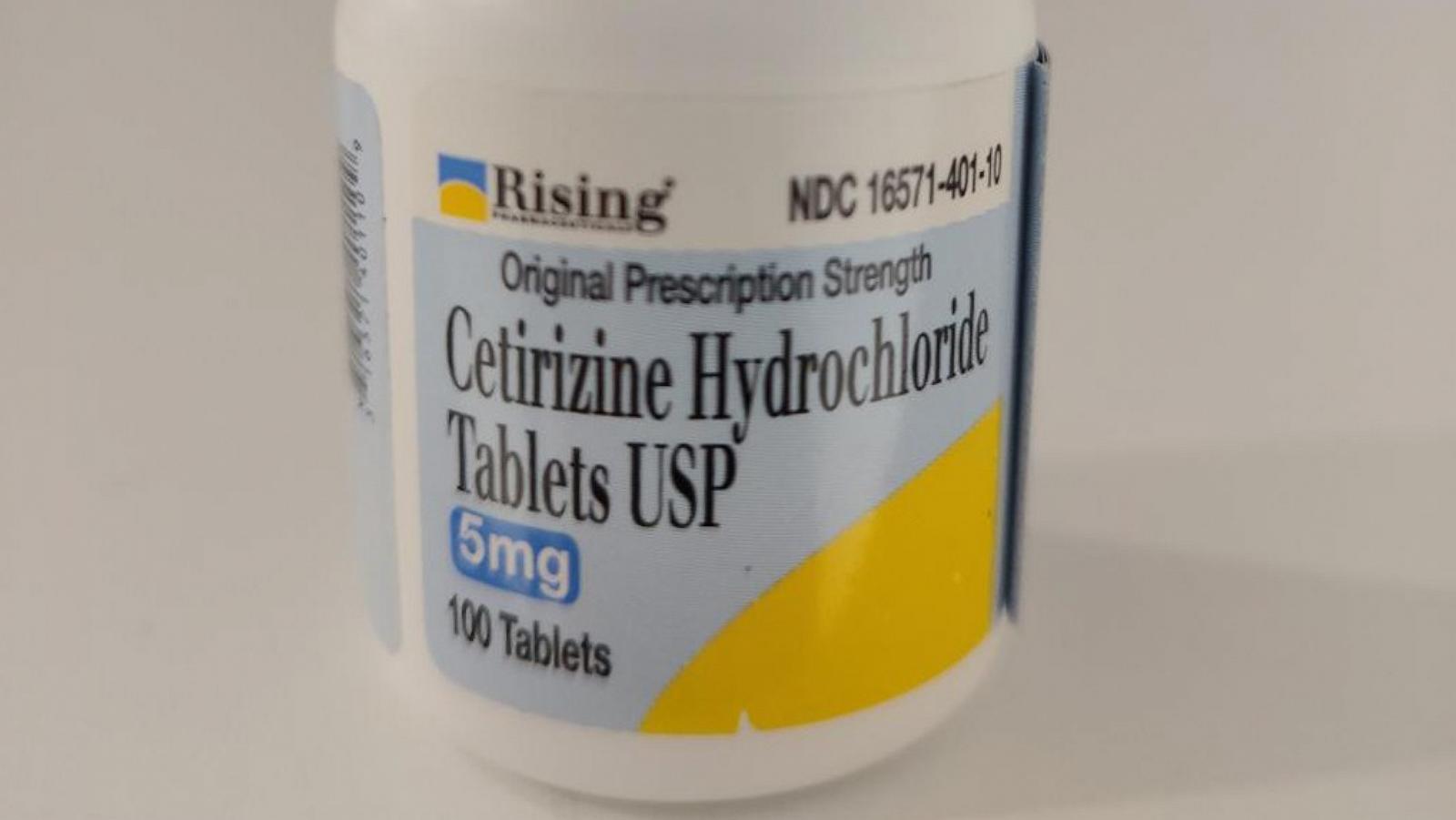
A company called Unique Pharmaceutical Laboratories has recalled four batches of its allergy medication Cetirizine Hydrochloride because some pills might be mixed with ranitidine, a heartburn medicine. This mix-up could cause serious allergic reactions in people sensitive to ranitidine.
Key Facts
Unique Pharmaceutical Laboratories recalled four lots of Cetirizine Hydrochloride 5 mg tablets due to contamination with ranitidine.
Ranitidine is used to treat heartburn and acid reflux.
The contamination could cause life-threatening allergic reactions in people sensitive to ranitidine.
Symptoms could include severe allergic reactions like swelling, difficulty breathing, and loss of consciousness.
The recall was announced on July 18, 2026, and posted by the FDA shortly after.
The problem was discovered when a pharmacy technician noticed red dots and discoloration on some tablets.
No adverse events have been reported so far related to this recall.
The manufacturer is working with distributors to take back the affected products.
Read the Original
Want the full story? Tap a source to open the original
article.
A $40,000 investment in a 1-year certificate of deposit (CD) account at current rates can earn about $1,640 to $1,668 in interest by the time it matures. CDs offer a safe way to grow money with a fixed interest rate and provide protection of the initial amount invested, though withdrawing early may result in penalties.
Key Facts
Current 1-year CD interest rates range roughly from 4.10% to 4.17%.
Investing $40,000 in a 1-year CD could generate between $1,640 and $1,668 in interest.
CDs protect the principal—meaning the original $40,000 is safe from loss.
Early withdrawal from a CD can lead to penalties that may cancel out earned interest.
CDs require less daily management compared to stocks, bonds, or real estate investments.
CDs are a short-term investment option, typically maturing in one year, which allows reinvestment or access after maturity.
While other investments can yield higher returns, they carry higher risks of loss.
CDs provide a predictable and secure return in an uncertain economic environment.
Read the Original
Want the full story? Tap a source to open the original
article.
Paramount Skydance’s £80 billion takeover of Warner Brothers has received conditional approval from the European Union after agreeing to end a film distribution partnership with Universal Pictures. The deal still faces legal challenges in the US and possible intervention in the UK due to concerns about competition and impacts on media content.
Key Facts
The European Commission approved the takeover after Paramount agreed to end a joint film distribution venture with Universal Pictures within 13 months.
Paramount must avoid any agreements with Universal to co-distribute films in the European Economic Area for 10 years.
Paramount beat Netflix in a bidding war to acquire Warner Brothers in February.
The combined company would control media assets such as CNN, Warner Brothers Pictures, TNT Sports, and HBO Max.
A US court has ordered a pause on the deal after 12 states argued it would harm competition, despite approval from the US Department of Justice.
President Donald Trump has expressed interest in how the merger affects CNN, a channel he often criticizes.
The Writers Guild of America has filed a lawsuit, claiming the deal could harm writers’ jobs and the entertainment industry.
The UK government is considering intervention over concerns about effects on news, children's TV, and streaming services.
Read the Original
Want the full story? Tap a source to open the original
article.
NovaGold Resources plans to buy the remaining 40% stake in Donlin Gold Holdings, creating a new U.S.-based company valued at $4.2 billion. This deal is part of a larger increase in mining mergers and acquisitions, driven by rising gold prices and demand for important minerals.
Key Facts
NovaGold is buying the 40% of Donlin Gold it does not already own from Paulson Advisers.
The combined company will be called NovaGold Corp and listed on the New York Stock Exchange (NYSE).
Donlin Gold is now the largest gold development project in the U.S.
Mining merger and acquisition deals totaled $26.3 billion in the second quarter, a 68% rise from the previous quarter.
Gold prices are about 20% higher than one year ago.
Demand for minerals like gold, copper, lithium, and rare earth elements is growing due to AI and energy needs.
The Trump administration is pushing for more gold production and recently approved plans for deep-sea mining near American Samoa.
Starting new mines is expensive and can face public opposition, which has encouraged companies to merge or acquire instead.
Read the Original
Want the full story? Tap a source to open the original
article.
The Federal Reserve will meet soon, and many homebuyers and homeowners are deciding whether to lock in current mortgage rates or wait for potentially better rates later. Mortgage rates have risen recently due to global conflicts and inflation, and rate changes after the Fed meeting could affect borrowing costs.
Key Facts
The Fed meeting begins on July 28 and is expected to keep federal funds rates unchanged for now.
Mortgage rates recently increased, with average 30-year purchase rates at about 6.75% and refinance rates at 7.20%.
Rates were lower earlier in 2026, with some under 6%, but those options are no longer widely available.
Locking a mortgage rate now gives borrowers payment certainty but may mean paying more than in the past.
Waiting could risk higher rates later, as there is a 75% chance the Fed will raise interest rates in September.
Refinancing later to a better rate is possible but usually involves additional costs.
Borrowers must weigh the pros and cons of locking rates now versus waiting for potentially better conditions.
Read the Original
Want the full story? Tap a source to open the original
article.
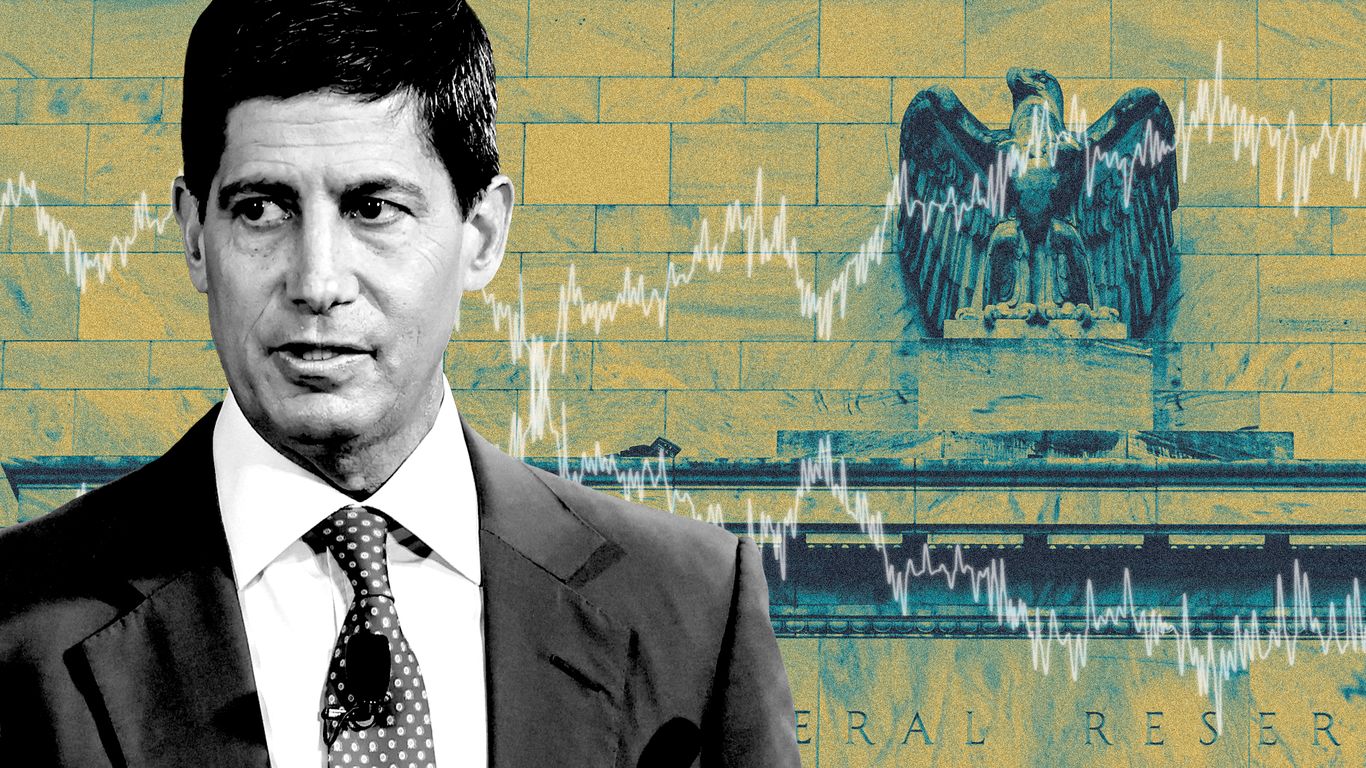
Federal Reserve Chairman Kevin Warsh gave little guidance about upcoming interest rate decisions during his recent Congressional testimony. Other Fed officials shared mixed views, suggesting the Federal Reserve might keep rates steady for now but could raise them later if inflation does not decrease.
Key Facts
Kevin Warsh testified before Congress for over five hours but gave few hints about future Fed policy.
Warsh aims to keep the Fed’s plans flexible by not signaling future rate moves directly.
Other Fed members offered more insights: Governor Christopher Waller noted recent inflation data could lead him to support a rate hike.
Governor Lisa Cook said she is ready to act if inflation does not show signs of falling soon.
Vice Chair Philip Jefferson indicated the Fed might reconsider its current stance if inflation remains high.
Dallas Fed President Lorie Logan favors modestly higher rates.
Cleveland Fed President Beth Hammack highlighted broad-based inflation but plans to keep an open mind at the upcoming meeting.
The Fed’s policy meeting is scheduled for July 29, with expectations leaning toward no immediate rate change but caution about future hikes.
Read the Original
Want the full story? Tap a source to open the original
article.
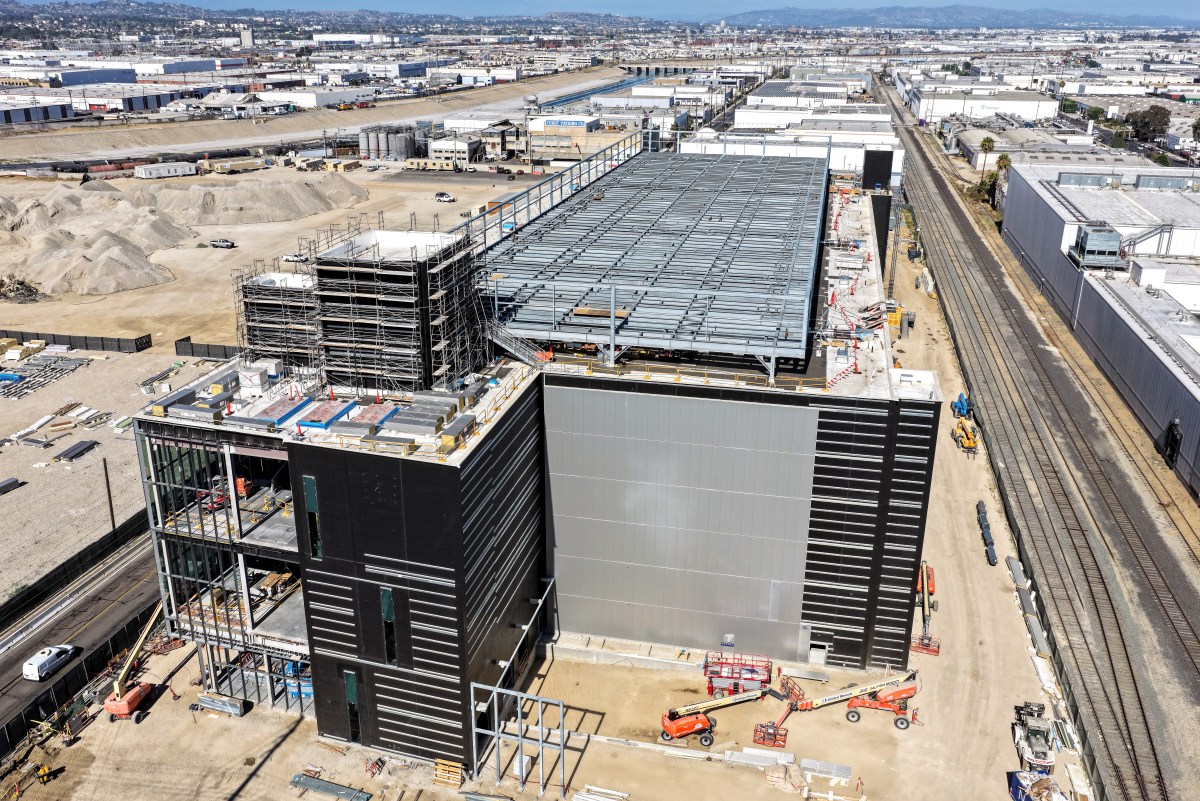
The House Energy and Commerce Committee approved a bill called the Ratepayer Protection Act. This law would make large data centers, which use a lot of electricity, pay more for their energy to avoid higher bills for regular customers.
Key Facts
The Ratepayer Protection Act is a bipartisan bill introduced by Representative Gabe Evans from Colorado.
It targets customers with electricity use of 100 megawatts or more, including large AI data centers.
The bill requires these large users to pay for the electricity infrastructure they need, so current ratepayers don’t carry the cost.
Utilities would charge these big electricity customers for extra grid upgrade costs through special rates or agreements.
Supporters say the bill protects families from rising electric bills without stopping AI and data center growth.
Some data center industry leaders say the bill unfairly singles out their industry, while they claim to invest heavily and create jobs.
Environmental groups oppose the fast growth of data centers and do not fully support the bill either.
The bill passed the committee unanimously and has support from both Republicans and Democrats.
Read the Original
Want the full story? Tap a source to open the original
article.
Hyundai says its plan to use humanoid robots in the U.S. starting in 2028 is not part of current talks with striking South Korean workers. The workers’ strike is about pay and retirement issues, not about robots working in factories.
Key Facts
Hyundai plans to start using Atlas humanoid robots at a U.S. electric vehicle factory by 2028.
Hyundai denies that robot deployment is part of talks with striking South Korean autoworkers.
The Hyundai union is striking over wages, bonuses, and retirement age, not robots.
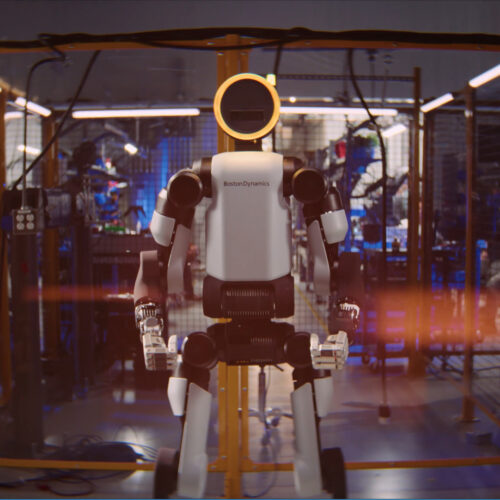
The Atlas robot was developed by Boston Dynamics, now owned by Hyundai.
The union demands job protections during the rise of robots and AI in factories.
Hyundai and the union are discussing wage reforms to provide income stability amid robot use.
South Korea passed a new labor law in 2026 that strengthens workers’ rights regarding automation.
This law requires companies to negotiate with workers before introducing significant changes like robot labor.
Read the Original
Want the full story? Tap a source to open the original
article.
Aston Martin has secured a loan deal worth £550 million to improve its finances and support future car projects. The company has faced financial losses and job cuts due to challenges like US tariffs and weak demand in China.
Key Facts
Aston Martin received loans totaling £550 million.
The funds will help the company’s financial situation and product development.
The loan includes a £450 million senior secured-term loan and a £100 million delayed draw term loan.
Senior secured loans are paid back before other debts and are backed by company assets.
Aston Martin reported a net loss of £493.2 million last year, over 50% higher than before.
The company cut about 600 jobs earlier this year, mostly in the UK.
Challenges include US tariffs and poor demand for cars in China.
The company plans to publish its half-year financial results on 29 July.
Read the Original
Want the full story? Tap a source to open the original
article.