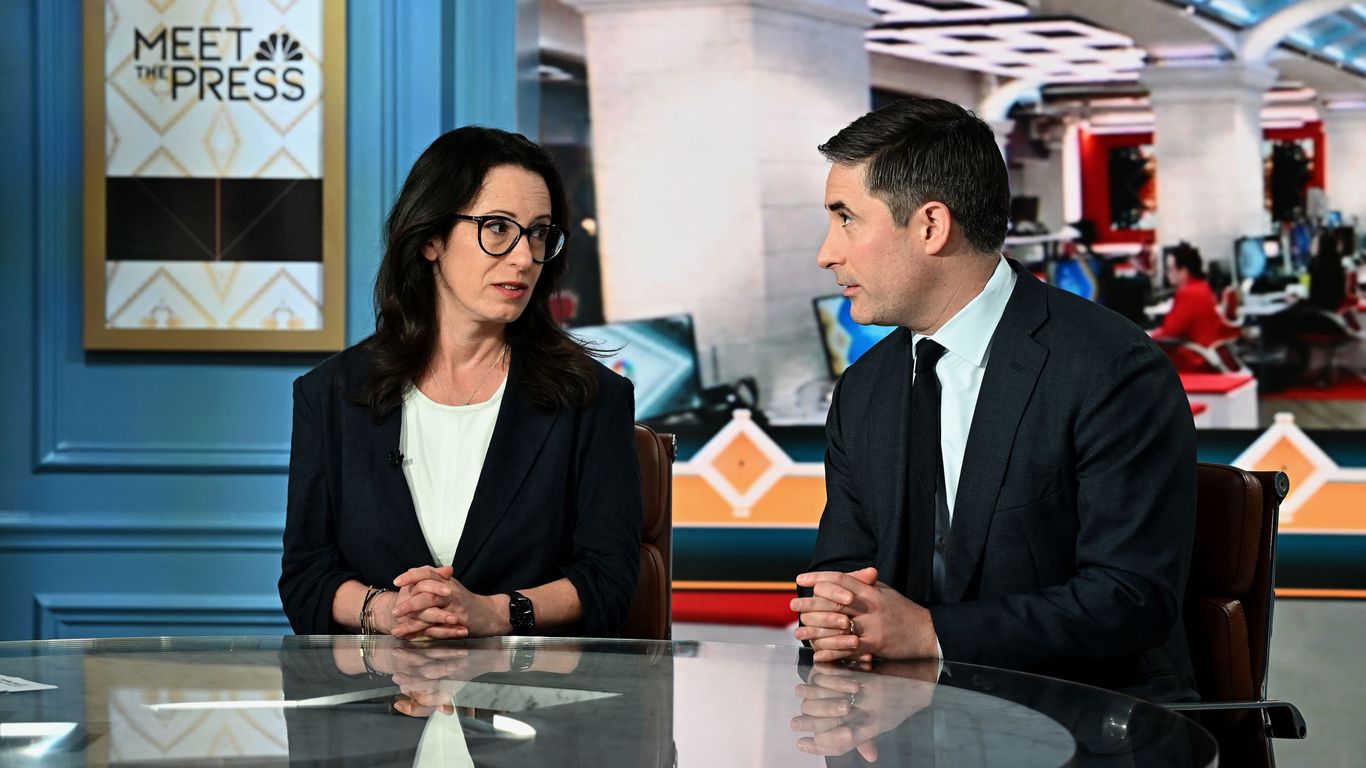
The book "Regime Change," about President Trump's second term, has sold over 500,000 copies across different formats within a month. It is expected to become the bestselling nonfiction book of 2026 and has reached No. 1 on bestseller lists in several countries.
Key Facts
"Regime Change" is written by Maggie Haberman and Jonathan Swan.
The book has sold 500,000 units (hardcover, audio, e-book) in one month.
Simon & Schuster has ordered a seventh printing, totaling 460,000 hardcover copies.
The book is number one on the New York Times nonfiction bestseller list for three weeks.
It also ranks number one in Canada, Australia, and the Netherlands, and number two in the UK.
Experts say this success is unusual because political nonfiction books usually sell less nowadays.
The book reveals new details about President Trump’s second term and has not been disputed by Trump or his team.
Sales of nonfiction books about politics have declined due to alternative media like audiobooks, newsletters, documentaries, and podcasts.
Read the Original
Want the full story? Tap a source to open the original
article.
JD Wetherspoon has issued its fourth profit warning in seven months, blaming lower sales and rising costs for food, workers, energy, and taxes. Despite the World Cup, sales did not meet expectations, and the company now expects profits to be below forecasts.
Key Facts
JD Wetherspoon runs 793 pubs in the UK and Ireland.
The company warned profits would be lower than expected when it reports full-year results in October.
Like-for-like sales increased only 4% in the 12 weeks ending July 19, less than hoped.
Rising costs for food, labor, repairs, energy, and business rates are pressuring profits.
The timing of World Cup games with late kick-offs made it harder for pubs to attract customers.
UK minimum wage and business rate increases started in April, adding to cost pressures.
The company expects net debt to be about £720 million, similar to last year’s level.
External factors like energy price rises linked to the US-Israel conflict have affected costs.
Read the Original
Want the full story? Tap a source to open the original
article.
Leadership development is a growing industry, but employee engagement worldwide is low, costing the economy a lot. Experts say companies may need to focus more on how leaders think and handle emotions, not just on skills like communication and planning.
Key Facts
Only 20% of employees globally feel engaged at work.
This low engagement is estimated to cause $10 trillion in lost productivity.
Leadership training often focuses on visible skills like communication and strategy.
Experts suggest that leaders’ internal thinking and emotional habits greatly affect their success.
Half of CEOs believe their businesses must reinvent themselves within ten years to survive.
Mental fitness, including managing emotions and thoughts, is important for strong leadership.
Artificial intelligence is handling routine tasks, making human skills like judgment and emotional intelligence more valuable.
Leadership is seen as a shared effort, where understanding others leads to better team results.
Read the Original
Want the full story? Tap a source to open the original
article.
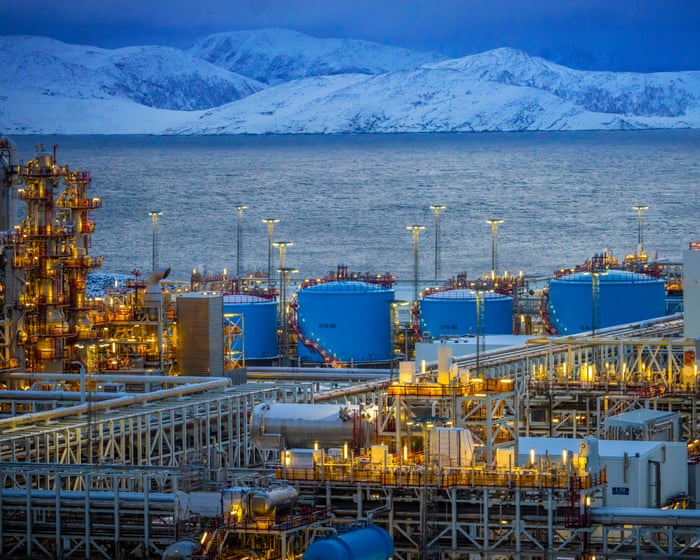
Norway’s state oil company, Equinor, nearly doubled its profits to $11.5 billion in the second quarter of 2024. This rise was mainly due to higher oil and gas prices caused by conflicts involving the US, Israel, and Iran, which affected global oil supply.
Key Facts
Equinor’s profits rose from $6.5 billion to $11.5 billion between April and June 2024.
The increase happened because oil and gas prices went up amid the US-Israel conflict with Iran.
Oil production was increased to fill supply gaps caused by problems in the Gulf region.
Brent crude oil prices fluctuated between $75 and over $100 per barrel during this period.
Prices fell briefly after a US-Iran agreement but rose again due to resumed fighting.
US military strikes on Iran have continued into their 11th night, targeting military sites.
The Iran-aligned Houthis in Yemen have blocked a key shipping route used by Saudi Arabia.
These events are causing more concern about oil supply risks and pushing prices higher.
Read the Original
Want the full story? Tap a source to open the original
article.
The Glasgow School of Art (GSA) says it cannot fully rebuild the Mackintosh Building, which was damaged by fires in 2014 and 2018, without more money. The restoration costs have risen to £265 million due to inflation and economic factors, and the school now seeks outside investment and government help to continue.
Key Facts
The Mackintosh Building was heavily damaged by two fires, one in 2014 and another in 2018.
The Glasgow School of Art originally planned to restore the building exactly as it was.
New financial information shows the school cannot afford to restore it fully by itself.
Rising construction costs and economic instability have increased the restoration expense to £265 million.
The restoration depends on uncertain external funding sources, widening a significant funding gap.
The school hopes to find investors and government support for the project.
Plans now include removing scaffolding to improve the site’s look and help stabilize the building.
Some experts criticize the delay and call for a full, faithful restoration of the building as a cultural treasure.
Read the Original
Want the full story? Tap a source to open the original
article.
The UK inflation rate dropped to 2.6% in the year ending June, mainly because fuel prices went down. Food prices also decreased, especially for items like chocolate, beef, and margarine.
Key Facts
Inflation in the UK slowed from 2.8% in May to 2.6% in June.
Lower fuel prices, especially diesel, contributed to the drop in inflation.
Food prices fell for products including chocolate, beef, and margarine.
The data comes from the Office for National Statistics (ONS).
The ONS chief economist, Grant Fitzner, noted fuel price drops helped reduce inflation.
Related issues include household struggles to afford essentials and planned VAT cuts on electricity bills.
The report was published recently and reflects economic changes affecting everyday costs.
Read the Original
Want the full story? Tap a source to open the original
article.
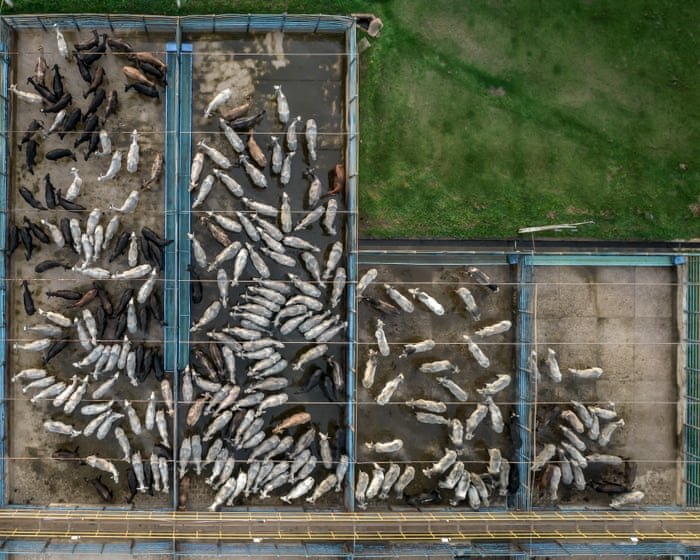
The world’s largest meat company, JBS, is facing a legal challenge in the Netherlands to disclose how its $6 billion global expansion plan fits with environmental and human rights responsibilities. Greenpeace has filed a petition asking Dutch courts to check if JBS is following local laws and its own promises related to climate and social care.
Key Facts
JBS plans to spend $6 billion on expanding its meat business worldwide, including $2.5 billion to build six large meat plants in Nigeria.
Greenpeace seeks information to verify if JBS complies with Dutch laws on “duty of care” and its publicly stated environmental and social commitments.
The legal case is the first of its kind targeting a meat company’s climate and social responsibilities, similar to recent lawsuits against fossil fuel firms.
Critics worry JBS’s expansion could harm small farmers, food security, land use, and increase methane emissions, a potent greenhouse gas.
JBS moved its headquarters to the Netherlands in 2023 to access global financial markets and better raise capital.
Greenpeace and other groups say JBS must follow stricter Dutch rules on transparency and corporate responsibility.
The lawsuit reflects concerns over JBS’s history of not fully meeting its sustainability promises, especially in Brazil.
Environmental groups hope the case will set a new legal standard for holding agriculture companies accountable for climate impacts.
Read the Original
Want the full story? Tap a source to open the original
article.
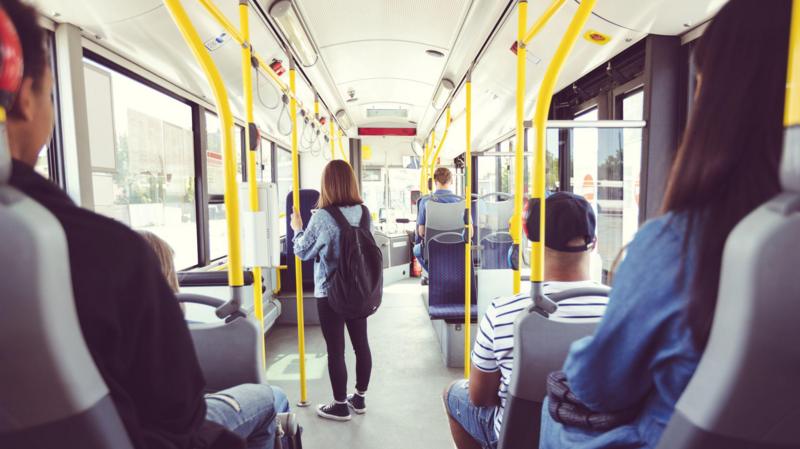
The government in England will lower the maximum price for a single bus ticket back to £2 starting January 2027. This change aims to help people with living costs and will cost over £500 million.
Key Facts
The bus fare cap in England will return to £2 from January 1, 2027.
The policy is expected to cost more than £500 million.
The original £2 cap was introduced in January 2023 by the previous Conservative government and later extended.
In January 2025, the fare cap was raised to £3 by Sir Keir Starmer's Labour government.
The £2 fare cap was first used in Greater Manchester in September 2022.
The fare cap helps lower-income passengers most and has increased bus use by about 13%.
The Burnham government plans to fund the £2 cap by canceling Sir Keir Starmer’s digital ID scheme.
The fare cap applies to buses outside London on a voluntary basis by bus operators.
Read the Original
Want the full story? Tap a source to open the original
article.
Japan had a trade deficit of 406.9 billion yen ($2.5 billion) in June due to higher oil import prices. Both exports and imports increased sharply, helped by a weaker yen, with exports growing 19% and imports rising 25% compared to last year.
Key Facts
Japan’s trade deficit in June was 406.9 billion yen, reversing a surplus from a year ago.
Exports rose 19% to 10.9 trillion yen, including more semiconductor shipments.
Imports increased 25% to 11.3 trillion yen, driven by higher oil prices.
The Japanese yen weakened against the dollar, moving from 140 yen per dollar to about 163 yen.
Japan imports almost all its oil, and disruptions in the Strait of Hormuz have affected shipments.
Oil imports from the U.S. to Japan jumped nearly five times compared to last year.
Brent crude oil prices rose from about $60 to a high of $114 per barrel this year, recently falling to around $90.
For the first half of 2024, exports increased nearly 14% and imports rose almost 11%, resulting in an overall trade deficit of about one trillion yen.
Read the Original
Want the full story? Tap a source to open the original
article.
A 19-year-old named Quinn Brown bought a 1972 NBA Finals Lakers jacket at a Goodwill store for just over $3. This jacket, worn by basketball legend Wilt Chamberlain, sold for almost $100,000 online.
Key Facts
Quinn Brown is 19 years old and likes selling items online.
He found the Lakers jacket from the 1972 NBA Finals at a Goodwill store.
The jacket originally belonged to Wilt Chamberlain, a famous basketball player.
Brown bought the jacket for just over $3.
He later sold the jacket for close to $100,000.
The jacket is considered valuable because of its age and connection to NBA history.
This story was reported by CBS News.
Read the Original
Want the full story? Tap a source to open the original
article.
Canada canceled a planned joint ceremony with the United States to celebrate the opening of the Gordie Howe International Bridge after President Donald Trump announced a 50% tariff on many Canadian goods. The tariffs were imposed due to disputes over trade issues involving U.S. cars, alcohol, and dairy products.
Key Facts
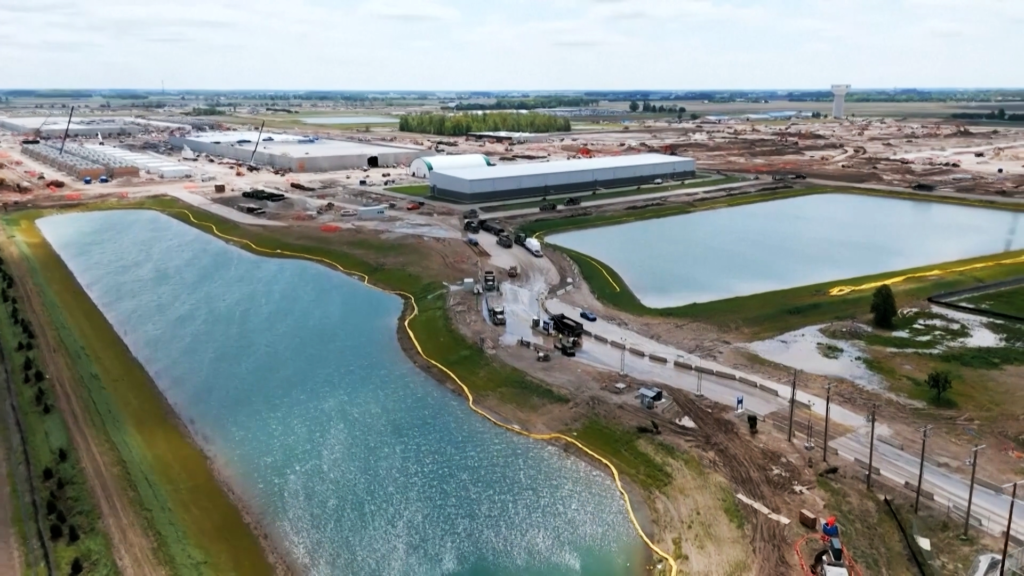
The Gordie Howe International Bridge connects Detroit, Michigan, and Windsor, Ontario.
The bridge project has been under construction since 2018 and cost almost $4.4 billion.
Canada funded the bridge and will recover costs through tolls.
A joint U.S.-Canada ceremony to open the bridge was planned but canceled by Canada because of new U.S. tariffs.
President Trump announced a 50% tariff on most Canadian goods, citing unfair treatment of U.S. automotive, alcohol, and dairy products by Canada.
Canada will hold its own opening ceremony without the U.S. participation.
The tariffs will take effect in 30 days, giving time for further trade talks.
The bridge is expected to open to traffic on July 27, 2026, despite the political tensions.
Read the Original
Want the full story? Tap a source to open the original
article.
Chile’s Congress has approved most parts of a major economic reform proposed by President José Antonio Kast to boost growth and reduce the budget deficit. The bill lowers corporate taxes, changes tax rules for new homes, and affects free tuition for some universities, and it now awaits final approval on a small issue about municipal compensation.
Key Facts
Chile’s Congress approved nearly all changes to President Kast’s economic reform package.
President Kast took office about three months ago and aims to improve the economy.
Chile’s economy shrank by 0.5% in early 2026, and unemployment rose to 9.4%.
The reform will cut the corporate tax rate from 27% to 23% gradually.
New homes will be exempted from the country’s value-added tax.
The program limiting which universities can offer free tuition will be changed.
Private companies can seek compensation when environmental issues delay projects.
The bill still needs to resolve one small issue about how municipalities get compensated for tax breaks before it becomes law.
Read the Original
Want the full story? Tap a source to open the original
article.
Nearly two-thirds of low-income families in the UK struggle to afford essentials like food, clothes, and heating, according to the Joseph Rowntree Foundation. About 7.4 million households have been unable to buy needed items recently, and many have cut meals to save money. The new Prime Minister, Andy Burnham, plans to reduce VAT on electricity bills starting in October to help people with these costs.
Key Facts
62% of low-income families (7.4 million households) have recently struggled to afford essential items.
Almost half of these families have skipped meals or eaten smaller portions to save money.
Elderly people, like 77-year-old Elaine Yates, often avoid using heating or cooking appliances due to cost.
Fuel prices are rising, adding to the financial strain, especially for those in rural areas who rely on cars.
Single parent Zoe Hayden reports rising food prices make it hard to provide for her family despite being debt-free.
Prime Minister Andy Burnham promises to lower VAT on electricity bills starting in October.
Charities suggest more help is needed, including increased energy bill discounts and affordable activities for children in low-income families.
About 35% of UK adults worry daily about their finances, according to Christians Against Poverty research.
Read the Original
Want the full story? Tap a source to open the original
article.
A group of UK MPs recommends lowering the tax employers pay on wages for workers under 25 to help more young people find jobs. They say high costs like employer National Insurance contributions make it harder to hire young workers, contributing to many youths not being in school, work, or training (called Neet). The MPs want the government to create clearer, more helpful policies for youth employment.
Key Facts
MPs suggest cutting employer National Insurance (NI) contributions for all workers under 25.
Over one million 16 to 24-year-olds in the UK are not in education, employment, or training (Neet).
Employer NI rates rose from 13.8% to 15% in April last year, with the start threshold lowered from £9,100 to £5,000.
The retail and hospitality sectors, which hire many young people, have been hit hard by increased employer NI costs.
Employers pay no NI for workers under 21 or apprentices under 25 (unless paid over £50,270), but must pay 15% for non-apprentices aged 21-24 on earnings above £5,000.
MPs highlighted contradictions in policies, like cutting benefits for trainees that discourage apprenticeships.
The cost of young people being Neet is estimated at £125 billion a year due to benefits and lost economic output.
The government says it is working to create opportunities for young people and support education and jobs.
Read the Original
Want the full story? Tap a source to open the original
article.
Artificial Intelligence (AI) is changing how jobs are done by automating some tasks and helping workers with others. Studies show AI is affecting job opportunities and wages in sectors like finance, software, and creative industries, with companies investing heavily in AI tools to improve productivity and reduce costs.
Key Facts
AI companies claim their tools can either replace or assist human workers.
Businesses are spending large sums on AI to save money on employee costs.
Some AI models now perform complex tasks like software coding that used to take humans hours.
AI is beginning to impact jobs in finance, legal work, and creative fields.
Research from Stanford shows a 2.7% drop in jobs for young adults since ChatGPT launched, with bigger drops (up to 12.8%) in AI-exposed jobs.
Online job postings have declined in sectors exposed to AI, such as telemarketing and legal services.
The UK’s service-heavy economy is vulnerable to AI-related job changes.
Top companies track AI use with "token leaderboards" to boost worker productivity from AI models.
Read the Original
Want the full story? Tap a source to open the original
article.
Artificial intelligence (AI) is driving economic growth and new construction in the U.S. However, some communities are debating the value and impact of building AI data centers. The article examines these debates in Janesville, a city in the Midwest.
Key Facts
AI is contributing to rising stock markets and economic growth.
Many new buildings, especially data centers, are being constructed to support AI technology.
Data centers are large facilities that store and process data needed for AI.
Some local communities, including Janesville, are concerned about the costs and effects of these data centers.
Debates focus on whether the benefits of data centers outweigh their downsides for residents.
Janesville was notably affected by the Great Recession, making its economic recovery important.
The article looks at how economic growth from AI is sparking local disagreements over development.
Read the Original
Want the full story? Tap a source to open the original
article.
Rep. Ritchie Torres has asked the Securities and Exchange Commission (SEC) to investigate whether Truth Social’s parent company, Trump Media & Technology Group (TMTG), breaking federal securities laws by charging Wall Street firms for faster access to President Trump’s posts. The company plans to launch a product called Truth API that sells real-time data access, raising concerns about fair trading and possible conflicts of interest.
Key Facts
Truth Social’s parent company, TMTG, plans to sell early access to President Trump’s posts to investors through a product called Truth API starting August 1.
The service would charge up to $100,000 per month for access to posts from top trending accounts, including President Trump’s.
Rep. Ritchie Torres sent a letter to the SEC asking them to review whether this service could violate securities laws or enable market manipulation.
Torres highlighted that President Trump owns about 41% of TMTG through a trust, raising conflict of interest concerns.
Senate leaders from both parties have expressed worry about the fairness and legality of the new product.
TMTG says Truth API only provides the fastest way to access publicly available data and is not insider information.
The SEC has previously investigated TMTG’s related companies and reached a settlement with a company linked to TMTG in 2023.
TMTG is currently suing 20 media organizations, including Axios, for defamation.
Read the Original
Want the full story? Tap a source to open the original
article.
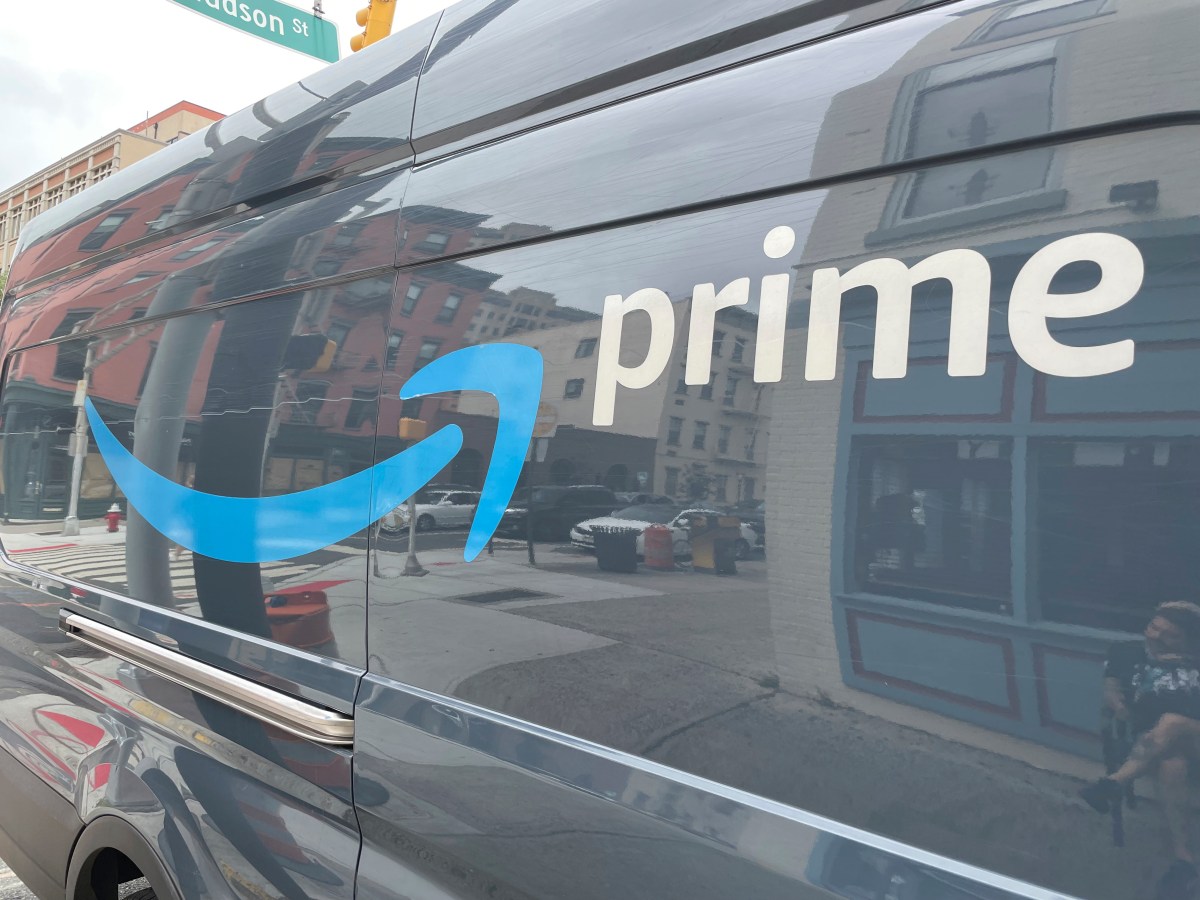
Amazon reached a $2.5 billion settlement with the Federal Trade Commission over claims that it signed up customers for Prime without clear permission and made it hard to cancel. Eligible customers can claim refunds up to $51 by July 27.
Key Facts
The settlement totals $2.5 billion, with $1.5 billion set aside for consumer refunds.
The FTC accused Amazon of using confusing designs to enroll people in Prime and make cancellations difficult.
Amazon denied wrongdoing but agreed to settle and change some subscription processes.
Eligible customers must have enrolled or tried to cancel between June 23, 2019, and June 23, 2025.
Refunds are limited to $51 per person but may vary based on total eligible claims.
Some customers were already paid automatically in an earlier phase and do not need to claim again.
The deadline to request a refund is July 27.
The FTC warns consumers about scams asking for money to claim the settlement.
Read the Original
Want the full story? Tap a source to open the original
article.
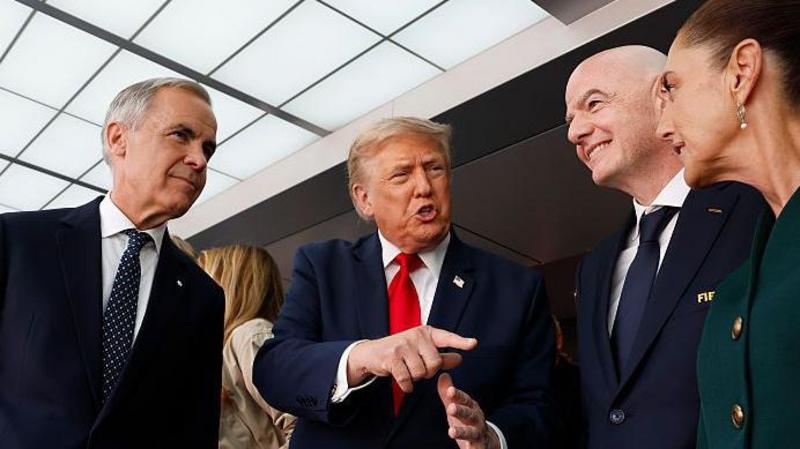
The United States has imposed a 50% tariff on certain Canadian goods, including hockey sticks and candles, citing unfair treatment of US products by Canada. This move comes just after Canadian Prime Minister Mark Carney and US President Donald Trump attended the World Cup final together and as talks continue to update the North American free trade agreement.
Key Facts
The US announced a 50% tariff on a range of Canadian products starting August 19.
The tariffs target goods such as hockey sticks, candles, and synthetic wigs.
The US cited Canada’s alleged unequal treatment of American cars, dairy, and alcohol as reasons.
Canada and the US are in on-again, off-again negotiations to renew the USMCA trade deal with Mexico.
The new Gordie Howe International Bridge between Windsor (Canada) and Detroit (US) is set to open soon.
The US already imposes tariffs from 15% to 50% on Canadian steel, aluminum, copper, softwood lumber, and car parts.
Canada responded with its own tariffs, including a 25% levy on some US goods and boycotting US alcohol in many provinces.
Experts say the US tariffs are likely a negotiation strategy by the Trump administration to gain leverage.
Read the Original
Want the full story? Tap a source to open the original
article.
A review ordered by the Gates Foundation found that Bill Gates and foundation staff met with Jeffrey Epstein about 30 times between 2011 and 2014. The review concluded there is no evidence that the foundation knew about Epstein’s criminal activities or that Epstein was paid by the foundation.
Key Facts
The Gates Foundation held roughly 30 meetings with Jeffrey Epstein and foundation leaders or staff from 2011 to 2014.
Foundation employees expressed concerns about associating with Epstein due to his past conviction.
The foundation hired the law firm WilmerHale to conduct an independent review after documents linking Gates to Epstein became public.
The review found no proof that the foundation knew about Epstein’s sex trafficking or criminal acts during the meetings.
There was no evidence Epstein was paid by the Gates Foundation or used its name to support his actions.
Bill Gates said he met Epstein through trusted contacts and accepted the meetings without sufficient investigation.
Gates ended his interactions with Epstein in December 2014 and publicly apologized for the association.
The meetings mainly involved discussions about fundraising ideas and charitable projects like polio eradication.
Read the Original
Want the full story? Tap a source to open the original
article.