A recent survey by the Employee Benefit Research Institute shows that both working and retired Americans feel less confident about having enough money for a comfortable retirement than they did a year ago. This is happening even though people are saving more money for retirement.
Key Facts
The survey was done by the Employee Benefit Research Institute.
Both working and retired Americans feel less sure about their financial future.
Confidence in being able to afford a comfortable retirement has decreased compared to last year.
Despite this, people are saving more money for retirement.
The survey highlights increasing anxiety about retirement finances among Americans.
The information was reported by CBS News and business analyst Jill Schlesinger.
Read the Original
Want the full story? Tap a source to open the original
article.
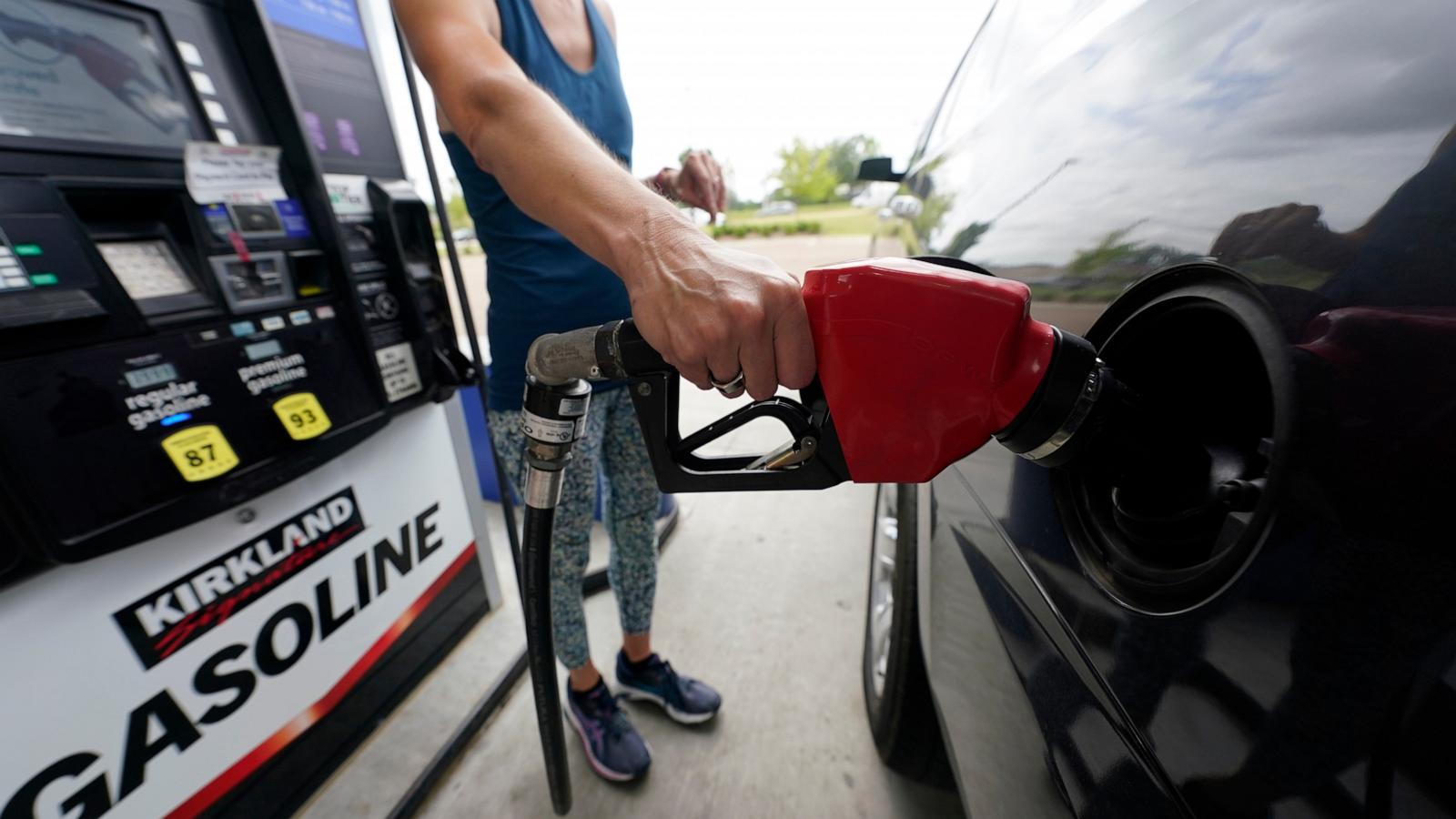
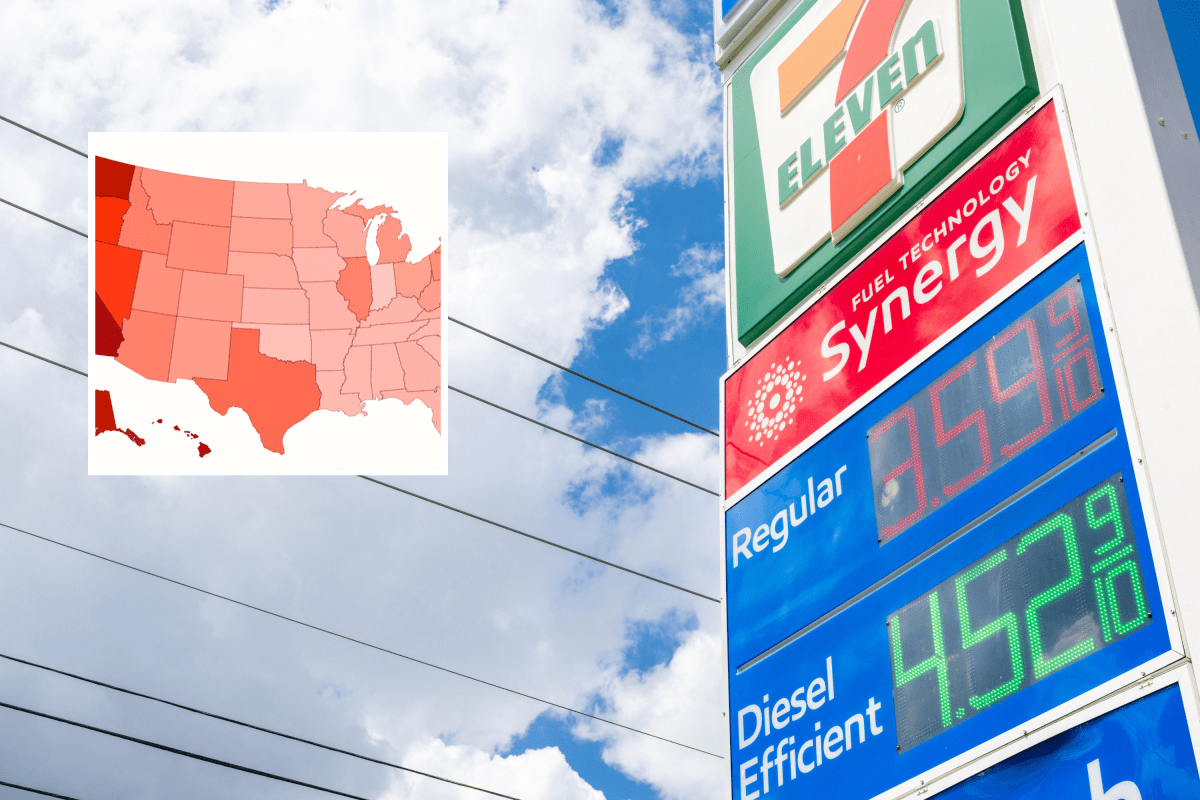
U.S. gas prices have dropped below $4 per gallon for the first time since March, averaging about $3.999. This decrease followed a 15% fall in U.S. crude oil prices, linked to a new agreement between President Donald Trump and Iran about Iran’s nuclear program and sanctions.
Key Facts
Gas prices in the U.S. fell just below $4 per gallon on average.
Prices have not been this low since March.
President Trump signed an agreement with Iran that includes diluting Iran’s stockpile of highly enriched uranium and easing some sanctions.
U.S. crude oil prices fell 15% this month, dropping to about $80 per barrel.
Gas prices vary by state, with California at $5.64 and South Carolina at $3.58 per gallon.
The agreement starts a 60-day period to negotiate a final deal on Iran’s nuclear program.
The Strait of Hormuz, a key route for oil shipping, remains disrupted, delaying oil flow and keeping prices higher.
Oil refineries pay for crude oil in advance, so lower prices won’t reduce fuel costs immediately.
Read the Original
Want the full story? Tap a source to open the original
article.
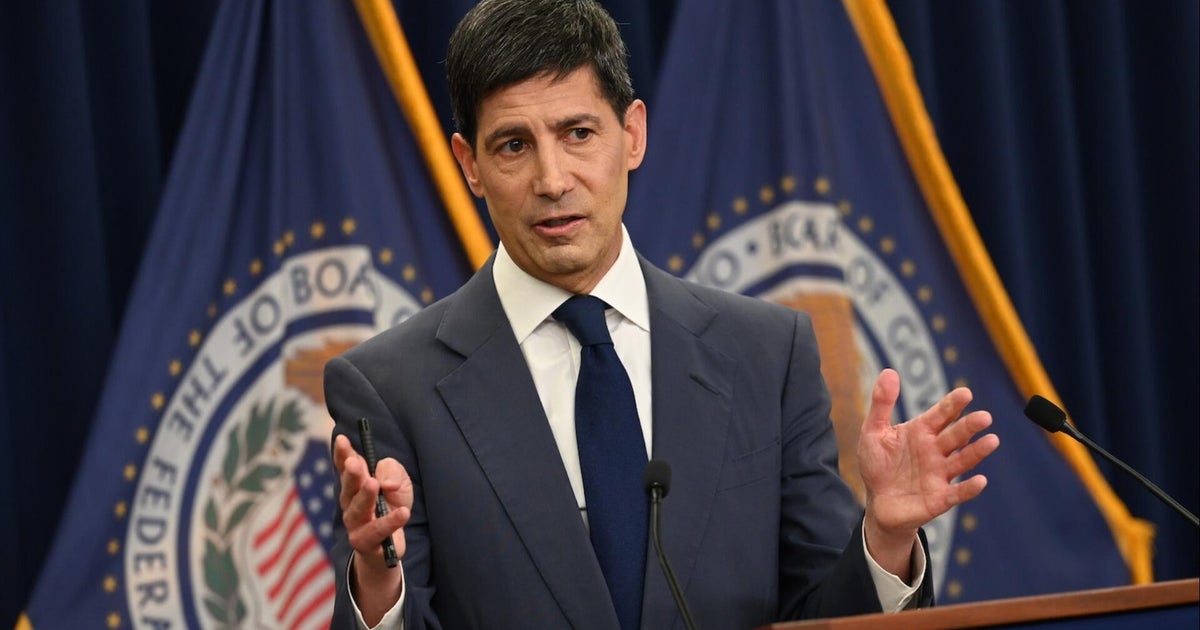
Federal Reserve Chair Kevin Warsh decided to keep interest rates the same at his first meeting. He mentioned there is high uncertainty because of the ongoing war in Iran, which is affecting the economy in the United States and other countries.
Key Facts
Kevin Warsh is the Chair of the Federal Reserve.
The Federal Reserve chose not to change interest rates at this meeting.
This was Warsh’s first meeting as Federal Reserve Chair.
Warsh spoke about "elevated uncertainty" due to the war in Iran.
The war in Iran is having negative effects on the U.S. economy and others.
Interest rates are an important tool used to control economic growth and inflation.
Keeping rates steady means the Federal Reserve is watching how the situation develops before making changes.
Read the Original
Want the full story? Tap a source to open the original
article.
CrossCountry, a train company in Britain, received the lowest score in a passenger satisfaction survey for the first quarter of the year. The company had 72% of its trains arriving within three minutes of the scheduled time and canceled 7% of services. They have been asked to improve how they handle delays, provide better information, and reduce overcrowding.
Key Facts
CrossCountry achieved 72% on-time arrivals within three minutes and had a 7% cancellation rate.
79% of surveyed passengers were satisfied overall with CrossCountry's service.
Passenger satisfaction with punctuality and reliability was 77%; only 46% were happy with how delays were managed.
Passenger satisfaction was lower among disabled travelers (85%) compared to non-disabled passengers.
Hull Trains and LNER were the top-rated train companies with 94% and 93% satisfaction scores respectively.
More than 100,000 passengers were surveyed over six months ending in March.
CrossCountry runs long-distance routes connecting cities like Cambridge, Cardiff, and Manchester.
The company is improving trains with refurbishments, better cleaning, catering, wi-fi, and clearer information during disruptions.
Transport Focus, the watchdog, urged CrossCountry to focus on reducing delays, improving passenger experience, and easing overcrowding.
Read the Original
Want the full story? Tap a source to open the original
article.
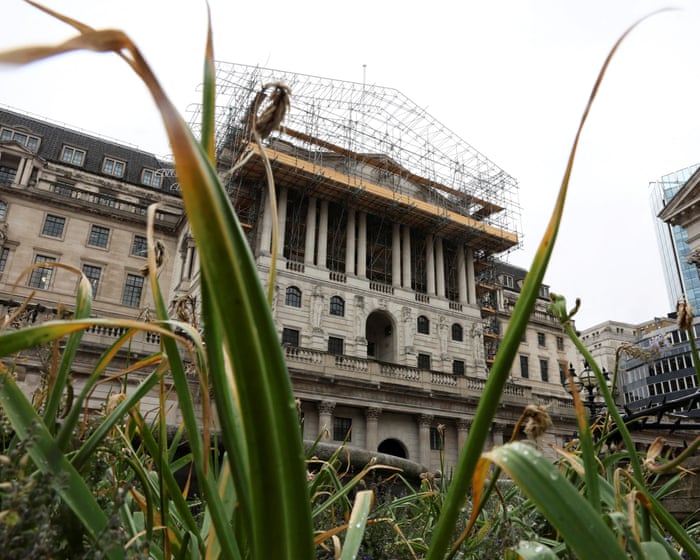
The Bank of England decided to keep interest rates at 3.75% because of uncertainty about how high energy prices will affect the economy. Although oil prices have recently fallen, energy costs remain higher than before the conflict in the Middle East, which is causing ongoing inflation concerns.
Key Facts
The Bank of England’s Monetary Policy Committee has kept interest rates unchanged for the fourth time in a row at 3.75%.
High energy prices, partly caused by the war in the Middle East, are putting upward pressure on inflation.
Recent drops in oil prices are seen as a positive sign but prices are still above pre-conflict levels.
Inflation is currently higher than the Bank expected earlier this year but is forecasted to fall to about 3.25% by the end of 2026, above the 2% target.
Some committee members voted to increase the interest rate to 4%, citing uncertainty over the impact of energy costs on households and businesses.
A recent US-Iran peace deal could ease energy supply worries if oil flow through the Strait of Hormuz returns to normal.
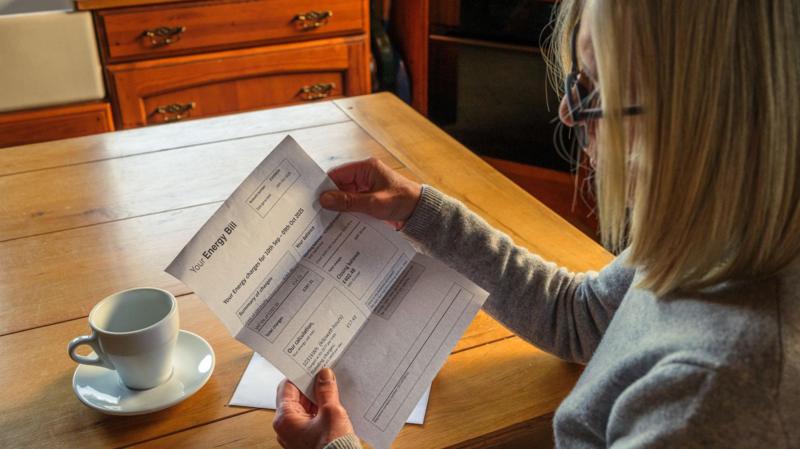
UK energy bills are expected to rise by 13% in July due to regulator Ofgem’s price cap increase.
Official data shows inflation steady at 2.8% in May and slowing food price increases, but transport costs have risen quickly.
Read the Original
Want the full story? Tap a source to open the original
article.
The Bank of England has decided to keep the UK interest rate at 3.75%, choosing not to raise it despite some calls to do so. The bank also lowered its forecast for inflation, citing uncertainty caused mainly by recent events in the Middle East that have affected global energy prices.
Key Facts
The Bank of England kept the interest rate at 3.75%, with 7 members voting to hold and 2 wanting to increase it to 4%.
Energy prices have fallen since the last meeting but remain higher than before the Middle East conflict began.
The Bank believes monetary policy cannot control energy prices but aims to manage the economy’s adjustment to those price changes to keep inflation near 2%.
Inflation forecasts were lowered due to these uncertain factors, especially those linked to the Middle East.
The Bank had cut rates six times earlier in 2024 but paused to observe economic effects related to energy price shocks.
The Middle East conflict, especially events following President Trump’s Operation Epic Fury and Iran’s impact on oil supplies, is seen as a major source of uncertainty.
UK financial industry groups showed caution about government plans to reform banking rules and the Financial Ombudsman Service.
Recent economic indicators include a fall in the UK unemployment rate to 4.9% and a drop in the British pound to a 10-week low against the dollar.
Read the Original
Want the full story? Tap a source to open the original
article.
U.S. gas prices have fallen below $4 per gallon for the first time since March. This drop followed President Donald Trump signing an agreement with Iran aimed at reducing tensions and lifting some sanctions, which has impacted global oil prices.
Key Facts
The average gas price in the U.S. is now about $3.999 per gallon.
Gas prices vary by state, with California at $5.64 and South Carolina at $3.58 per gallon.
President Trump signed an agreement with Iran to dilute its highly enriched uranium and waive some U.S.-backed sanctions.
The deal includes a 60-day period to negotiate a final agreement on Iran's nuclear program and aims to end hostilities.
U.S. crude oil prices have dropped 14% this month, falling to around $80 per barrel.
The Strait of Hormuz, a critical oil shipping route, was blocked during conflicts but is expected to reopen gradually.
It will take time for oil shipments and production to return to normal levels due to logistical and safety concerns.
Refiners pay for crude oil in advance, so lower oil prices won’t immediately reduce fuel costs.
Read the Original
Want the full story? Tap a source to open the original
article.
The average price of regular gasoline in the U.S. has fallen below $4 per gallon for the first time since late March. This change comes as oil prices eased following a U.S.-Iran agreement to reopen the Strait of Hormuz, an important oil shipping route.
Key Facts
On June 18, the U.S. national average gas price fell to $3.999 per gallon, according to the American Automobile Association (AAA).
Gas prices dropped from a high of $4.56 per gallon on May 21 during the Iran conflict.
Prices have decreased for three weeks in a row.
Indiana has the cheapest gas at about $3.40 per gallon.
California has the highest gas price at about $5.64 per gallon.
Twenty-eight states now have average prices below $4 per gallon.
The drop follows a U.S.-Iran deal to reopen the Strait of Hormuz, which handles about 20% of global oil supply.
While prices have fallen, they remain sensitive to possible future supply disruptions.
Read the Original
Want the full story? Tap a source to open the original
article.
EY executive Jad Shimaly talked about how artificial intelligence (AI) is changing business and work. He explained that AI helps companies work better in areas like productivity, hiring, and consulting.
Key Facts
AI is improving how companies operate in many ways.
It can increase productivity, helping workers do more in less time.
AI is transforming recruitment by changing how companies find and hire employees.
Consulting services are also being reshaped by AI technologies.
Jad Shimaly shared these insights during VivaTech 2026, a technology event in Paris.
AI's impact could change the future of work and business models significantly.
The discussion took place in June 2026, showing ongoing interest in AI's business effects.
Read the Original
Want the full story? Tap a source to open the original
article.
The number of job vacancies in the UK has dropped to the lowest point in five years, with many businesses hiring fewer workers. The overall job market is stable but shows signs of weakness, especially in professional services, retail, and hospitality.
Key Facts
Job vacancies fell to 707,000 between March and May 2026, the lowest since early 2021.
Businesses are becoming cautious about hiring new staff.
Professional services saw the biggest drop in job openings, followed by retail and hospitality.
The number of new hires in April was just under 540,000, the lowest monthly total since March 2021.
Unemployment slightly decreased from 5% to 4.9% in early 2026.
Average regular pay increased by 3.4% annually but wage growth in the private sector is at its slowest in over five years.
Rising costs, like minimum wage and national insurance, make it harder for businesses to hire young and inexperienced workers.
Some workers are choosing self-employment amid fewer job vacancies.
Read the Original
Want the full story? Tap a source to open the original
article.
Audi’s CEO says the U.S. market holds the most potential for the company’s future growth. Audi is focusing on new SUV models, the Q7 and Q9, designed especially for North American customers to better compete with rivals BMW and Mercedes-Benz.
Key Facts
North America is the second-largest new vehicle market globally and a top priority for Audi.
Audi of America sold 164,942 vehicles in 2025, a 16.1% drop from 2024.
BMW sold 388,897 vehicles in the U.S. in 2025, up 4.7%, and Mercedes-Benz sold 343,200 vehicles, up 1%.
Luxury vehicles make up about 12.5% of U.S. auto sales, with 1.6 million luxury SUVs sold annually.
Audi’s new Q7 and Q9 SUVs include upgrades like better technology, comfort, lighting, and more power.
The Q9 is a large, three-row SUV designed with U.S. customer needs in mind, including bigger cup holders and a redesigned center console.
The Q9 will compete with BMW X7 and Mercedes GLS, while the Q7 targets BMW X5 and Mercedes GLE.
Audi’s CEO reviewed customer feedback and made significant improvements for U.S. buyers in these new models.
Read the Original
Want the full story? Tap a source to open the original
article.
The Bank of England has kept interest rates steady at 3.75% while considering how the conflict involving Iran affects the UK economy. Rising energy costs from a key shipping route closure have increased inflation fears, but recent lower inflation and stronger job market data make future rate decisions uncertain.
Key Facts
The Bank of England kept interest rates at 3.75%.
Inflation in the UK was 2.8% in May, lower than expected.
Closure of the Strait of Hormuz, an important shipping lane, has raised energy costs.
Higher energy costs may increase inflation and slow economic growth in the UK.
The Bank of England has cut rates six times earlier in 2024 before pausing now.
President Donald Trump’s agreement with Iran raises hope that oil supplies will return.
UK wage growth was higher than expected at 4.4% including bonuses.
Unemployment in the UK has decreased recently.
The U.S. Federal Reserve also kept interest rates steady between 3.5% and 3.75%.
Read the Original
Want the full story? Tap a source to open the original
article.
Many employees now value wellbeing at work as much as their pay. Employers are changing benefits to focus more on health and flexibility to keep staff and attract new talent.
Key Facts
A 2026 report found 86% of workers say wellbeing is as important as salary.
Only 11% of HR leaders said they have not seen increased demand for wellbeing support.
Employers are adding preventative healthcare like health checks to reduce long-term costs.
Employees prefer useful and accessible rewards over expensive healthcare plans.
Companies offer flexible benefits tailored to life stages, such as menopause care or fertility treatment.
88% of employees believe caring employers keep staff longer; 84% say it helps attract talent.
Many employers lack a clear view of their full benefits program worldwide.
HR experts say businesses must know their benefits well to create effective wellness programs.
Read the Original
Want the full story? Tap a source to open the original
article.
The article discusses the decline of the "three-martini lunch," a long business lunch once common in corporate America. It argues that modern work demands and technology have replaced these social gatherings with quick, digital communication, which affects personal connections at work.
Key Facts
The three-martini lunch was a popular mid-20th-century business tradition involving long lunches with drinks.
President Gerald Ford jokingly praised it in 1978 as an efficient business ritual.
Modern work culture prioritizes fast productivity supported by AI and digital tools.
Long lunches have mostly disappeared due to high workloads and expectations for rapid output.
Workers now often connect through brief video calls or chat apps instead of in-person meetings.
The shift away from leisurely business meals has contributed to workplace loneliness.
The "hustle culture" of the 2000s, emphasizing constant productivity, discouraged slow work habits.
Technology platforms like Slack and the rise of remote work have intensified work communication speed.
Read the Original
Want the full story? Tap a source to open the original
article.
LED face masks have become popular but are expensive beauty devices that use light to improve skin issues like wrinkles, spots, and redness. Experts say these masks can help boost skin health when used regularly and combined with a good skincare routine, but they are not miracle cures.
Key Facts
LED face masks use different types of light, like red, blue, and infrared, to treat skin concerns.
Red and infrared light are generally safe for all skin types, but blue light may worsen skin darkening for people with darker skin tones.
Light therapy for skin has been studied since the 1990s and shows benefits for wound healing and acne treatment.
The most effective results come from regular use alongside cleansing and sun protection.
LED masks can cost from around £50 to over £400.
Experts recommend starting with a basic skincare routine before investing in an LED mask.
Different masks may suit different needs, such as acne treatment or anti-ageing.
Testing these masks requires patience because results take time to appear.
Read the Original
Want the full story? Tap a source to open the original
article.
The average price of gas in the U.S. has fallen below $4 a gallon after several months of rising costs. This drop follows an agreement between the U.S. and Iran to extend a ceasefire, which helps keep oil flowing through the Strait of Hormuz.
Key Facts
The national average gas price is now about $3.99 per gallon, down from over $4.
A year ago, the average gas price was $3.19 per gallon.
Diesel prices remain above $5 per gallon but have also decreased recently.
The U.S.-Iran ceasefire aims to reopen the important oil shipping route in the Strait of Hormuz.
Even with lower prices, gas costs are expected to stay higher than before the conflict started.
Many Americans blamed President Trump for higher gas prices during the recent rise.
President Trump and his supporters say the higher prices are a short-term problem to stop Iran from getting nuclear weapons.
Consumer confidence in the U.S. improved slightly as gas prices fell, according to a recent university survey.
Read the Original
Want the full story? Tap a source to open the original
article.
The US Federal Reserve has kept interest rates the same for now but signaled it may raise them later this year to control rising inflation. Kevin Warsh, the new Fed chair appointed by President Donald Trump, introduced changes including ending previous guidance on future rate changes and creating new groups to improve how the Fed shares information and analyzes data.
Key Facts
The Federal Reserve did not change interest rates at its latest meeting.
Officials now expect to raise rates later this year instead of lowering them.
The goal of raising rates is to reduce inflation, which has been increasing.
Kevin Warsh is the new chair of the Federal Reserve, chosen by President Donald Trump.
Warsh removed the Fed’s previous system of giving advice about future rate moves.
He announced new task forces to improve communication and data analysis at the Fed.
This was Warsh’s first meeting as Fed chair.
The Federal Reserve is the US central bank that helps manage the economy by adjusting interest rates.
Read the Original
Want the full story? Tap a source to open the original
article.
Deputy Lucy Stephenson has proposed lowering fuel tax by 10 pence per litre for three months to help residents with rising living costs. The current fuel tax is 64 pence per litre, and the suggested cut would save the average family about £5 per fuel fill-up.
Key Facts
The proposal aims to reduce fuel duty from 1 October to 31 December.
The reduction is 10p per litre for petrol and diesel.
The current fuel duty is 64p per litre for both petrol and diesel.
The Deputy says the cost of living is a top concern for islanders across all incomes.
The proposal argues the cost-of-living crisis is no longer temporary but a long-term problem.
The plan will be reviewed by the new minister for treasury and resources, chosen soon.
The savings could help families manage increased expenses caused by recent price rises.
The proposal is part of wider discussion about government profits from rising costs and economic pressures.
Read the Original
Want the full story? Tap a source to open the original
article.
The Financial Conduct Authority (FCA) has closed a nearly 10-month investigation into Drax, a UK power company, over how it reports the source of wood pellets used for biomass energy. The FCA found no evidence that Drax made misleading statements or left out important information for investors.
Key Facts
The FCA reviewed thousands of pages of documents during its investigation.
The investigation focused on Drax’s annual reports from 2021 to 2023.
Drax operates the largest biomass power station in the UK, burning imported wood pellets to create electricity.
Critics have questioned whether the wood pellets are sustainably sourced and if they increase carbon emissions.
In 2024, Drax paid £25 million after a separate energy watchdog found issues with its data reporting but no deliberate wrongdoing.
The FCA confirmed Drax did not make false claims or wrongly receive renewable energy subsidies.
Drax’s stock price rose by 1.2% following the FCA’s announcement.
Drax’s CEO said the company cooperated fully with the investigation and welcomed the closure with no action taken.
Read the Original
Want the full story? Tap a source to open the original
article.
President Donald Trump has banned foreign access to new artificial intelligence (AI) models developed by the U.S. company Anthropic, citing national security concerns. This move has raised worries in Europe about dependence on American tech companies and the risks to government and corporate security.
Key Facts
President Trump ordered Anthropic to cut off foreign access to its latest AI models within 90 minutes.
The decision was made due to national security reasons.
European companies like BNP Paribas have partnerships with Anthropic for AI and security services.
Europe's reliance on U.S. tech companies includes services like Visa, Google, Amazon, and cloud storage.
Silicon Valley tech firms hold significant global influence over money, data, and digital services.
There are concerns about how dependent governments and businesses are on U.S. technology and policies.
The issue was discussed during the G7 summit and at France's VivaTech trade fair.
European leaders are exploring ways to protect their digital sovereignty and security from sudden U.S. restrictions.
Read the Original
Want the full story? Tap a source to open the original
article.