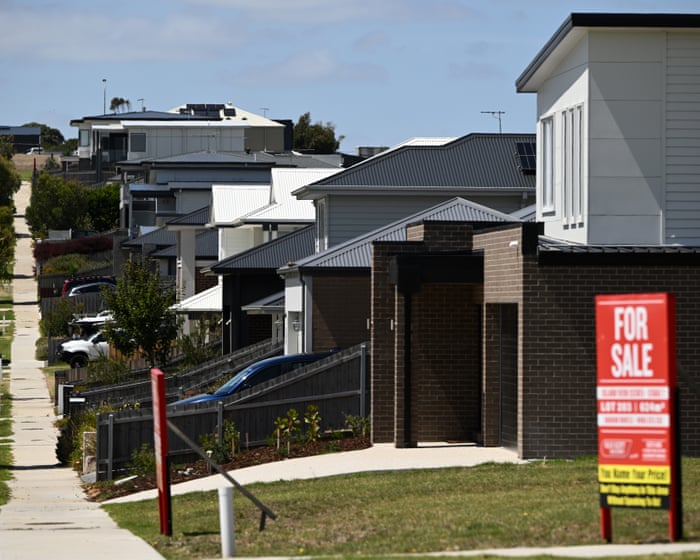
Housing prices in Sydney and Melbourne have fallen mainly at the expensive end of the market, easing fears that many first-home buyers will owe more on their mortgages than their homes are worth. Experts say that most first-time buyers purchase cheaper homes, which have not dropped much in value, so the risk of negative equity is limited.
Key Facts
Property prices are falling in Sydney and Melbourne, mostly in higher-priced areas.
Rising inflation, interest rates, and the Middle East conflict have affected housing values.
First-home buyers often borrow with very small deposits, sometimes helped by government schemes.
Some Liberal politicians worry that young buyers could face negative equity, which means owing more than their home's value.
Experts say most first buyers buy from the cheaper 25% of the market, where prices are stable or slightly up.
There is a risk of negative equity for those who bought near the $1.5 million price limit using 5% deposits.
Negative equity is mainly a concern if buyers need to sell or refinance quickly.
Changes in tax rules might reduce investors looking for cheap properties and affect prices.
Read the Original
Want the full story? Tap a source to open the original
article.
The UK government has allowed pubs to stay open later during some World Cup games involving England, Scotland, and Wales to match the late start times due to time differences with host countries. This move aims to boost the struggling hospitality sector, but the benefits may be limited due to the timing of matches and licensing rules.
Key Facts
Pubs can stay open until 1am or 2am on certain World Cup match days featuring the home nations.
In England, late opening applies only from the knockout stages; in Scotland, it starts from the first match against Haiti.
Late openings are allowed for 13 of 104 games in theory, but fewer will practically qualify.
Many home nation games end well before the late extended hours, limiting demand for longer opening times.
Some pubs only have licenses to open until 10.30pm or 11pm and need special permission to stay open later.
Landlords must apply for "temporary events notices" (TENs) to extend hours and have a limited number of these permitted each year.
The hospitality sector, like the Garricks Head pub in Manchester, has prepared for late openings, expecting increased sales.
Weather delays and licensing limits could affect how long pubs can stay open during matches.
Read the Original
Want the full story? Tap a source to open the original
article.
Residents near the Nashville Zoo are upset about plans to build a large data center close to the zoo. They are protesting because they do not want the data center in their neighborhood.
Key Facts
A 70,000-square-foot data center is planned near the Nashville Zoo.
Local residents are opposing the construction.
The protests show community members want their voices heard.
The data center is a large building used to store and manage computer data.
The location of the data center near a public zoo is causing concern among residents.
The issue has attracted news coverage from CBS News.
Read the Original
Want the full story? Tap a source to open the original
article.
Blue Yonder CEO Duncan Angove says companies are focusing on the wrong goals when using AI in supply chains. Instead of just automating jobs, businesses should rethink how AI can improve the whole supply chain system to deliver better results.
Key Facts
Many companies ask how many supply chain jobs can be replaced by AI agents, but this is the wrong question.
The real value of AI is in transforming the whole supply chain system and its outcomes.
Blue Yonder surveyed 678 senior supply chain professionals from large companies in retail, manufacturing, and logistics.
Their top priorities are improving efficiency, making faster decisions, increasing profits, controlling costs, and managing risks.
AI is seen as a tool to help achieve these business goals, not as a separate priority.
Effective AI use requires connecting different parts of the supply chain so they share data and decisions in real time.
Treating AI like a simple upgrade to old workflows limits its benefits, similar to how factories initially misused electric motors.
Many supply chain operations depend on complex, real-world work and hidden knowledge, making AI integration challenging.
Read the Original
Want the full story? Tap a source to open the original
article.
Since SpaceX started building its Starbase facility in Brownsville, Texas, in 2014, the city’s population has grown by over 10,000 people. The development of SpaceX’s operations has affected the local economy in various ways.
Key Facts
SpaceX began construction of its Starbase site in Brownsville, Texas, in 2014.
Since then, Brownsville’s population has increased by more than 10,000 people.
The company’s presence has created new jobs in the area.
Local businesses have seen changes related to SpaceX’s activities.
The economic growth involves increased demand for housing and services.
Infrastructure and public services in Brownsville have had to adjust to the growth.
SpaceX’s operations have attracted more people and investment to the region.
Read the Original
Want the full story? Tap a source to open the original
article.
A former SpaceX welder, who still owns shares in the company, spoke with CBS News about how he started working at SpaceX and what it means for him when the company becomes publicly traded. The conversation explores the effects on employees and shareholders when a private company goes public.
Key Facts
The interview is with a former SpaceX welder who keeps some SpaceX shares.
He described how he became involved with SpaceX.
SpaceX is planning to become a public company by selling shares on the stock market.
Going public can change how employees who own shares benefit financially.
The report was presented by Jo Ling Kent for CBS News.
The story was shared through the CBS News App and website.
Read the Original
Want the full story? Tap a source to open the original
article.
The Washington National Opera (WNO) has sued the Kennedy Center, claiming it owes more than $17 million in donations following their separation earlier this year. The WNO argues that the Kennedy Center, as a federally chartered organization and part of the Smithsonian Institution, must return these funds.
Key Facts
The Washington National Opera filed a lawsuit against the Kennedy Center on Thursday.
The WNO claims the Kennedy Center owes it more than $17 million in donations.
The dispute follows the opera company and the Kennedy Center ending their partnership earlier in 2024.
The WNO references the Kennedy Center’s status as a federally chartered entity.
The Kennedy Center is part of the Smithsonian Institution, which the WNO includes in its legal challenge.
The WNO wants the Kennedy Center to return the donations it received for the opera company.
Read the Original
Want the full story? Tap a source to open the original
article.
U.S. household debt reached a record $18.8 trillion in early 2026, mainly from auto loans and mortgages. Credit card debt stands at $1.35 trillion, with some cities having much higher or lower amounts per household.
Key Facts
Total U.S. household debt hit $18.8 trillion in the first quarter of 2026.
Credit card debt totaled $1.35 trillion at the end of Q1 2026, about $11,000 per household.
Credit card debt is $212 billion below the inflation-adjusted record from 2008.
The credit card delinquency rate (90+ days late) rose to 13.1% in early 2026, the highest in 15 years.
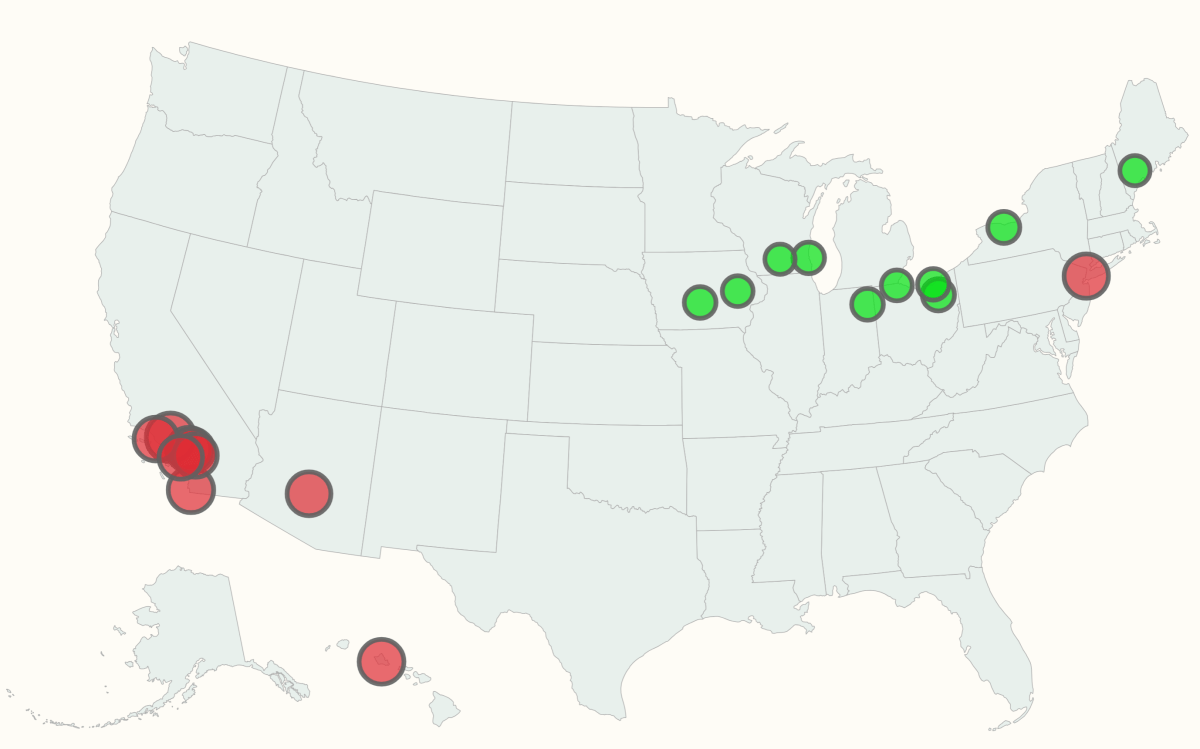
Santa Clarita, California, has the highest average credit card debt per household at $23,714.
Many high-debt cities, like Santa Clarita and Chula Vista, have high incomes and low delinquency, suggesting they can afford their debt.
Lewiston, Maine, has the lowest average credit card debt at $9,185 per household.
Midwestern cities generally have lower credit card debt, corresponding with lower incomes.
Read the Original
Want the full story? Tap a source to open the original
article.
SpaceX has started trading on the stock market after raising $75 billion in the largest initial public offering (IPO) ever. The company is valued at $1.77 trillion and plans to fund projects like colonizing Mars and building solar-powered data centers in space.
Key Facts
SpaceX priced its shares at $135 each in the IPO.
The IPO raised $75 billion, surpassing Saudi Aramco's previous record of nearly $26 billion.
SpaceX’s shares began trading on Nasdaq under the symbol "SPCX."
The company owns businesses beyond rockets, including the AI company xAI and the satellite internet provider Starlink.
Elon Musk owns about 42% of SpaceX and holds 82.4% of voting power, maintaining control over the company.
SpaceX reported $18.7 billion in revenue last year but is not yet profitable.
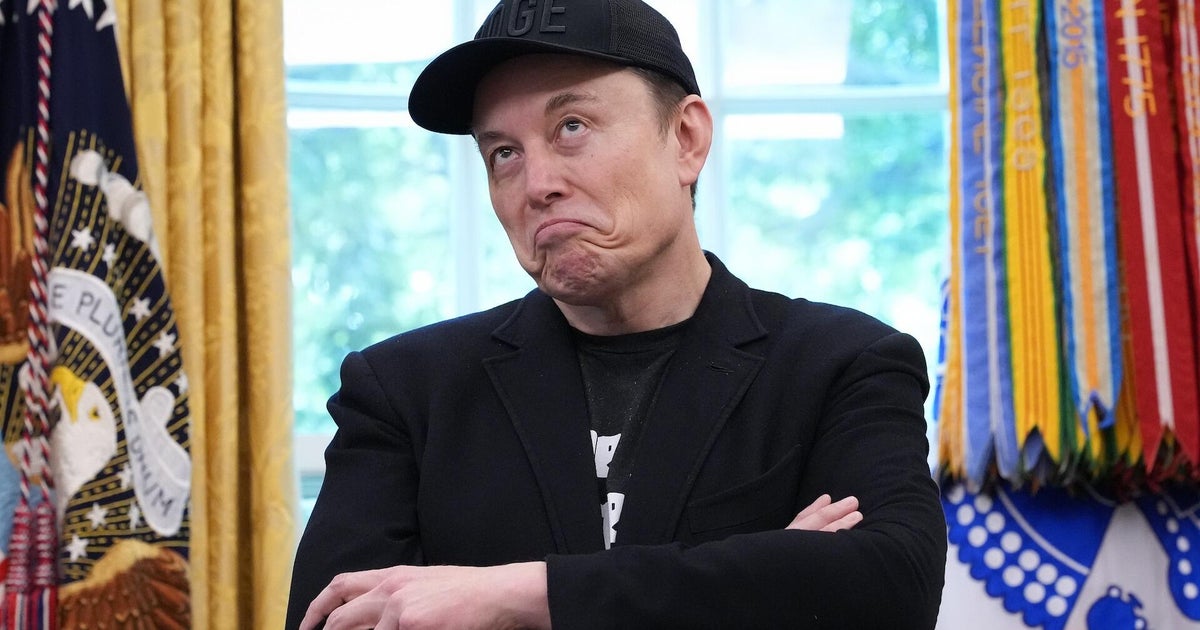
The IPO makes Elon Musk a trillionaire on paper due to his large shareholdings.
SpaceX sees a market opportunity of more than $28 trillion, with most expected growth coming from its AI business, xAI.
Read the Original
Want the full story? Tap a source to open the original
article.
Alfredo sauce sold in 41 states is being recalled due to concerns about salmonella, a type of bacteria that can cause illness. The FDA called this recall a Class I, which means it is a very serious health risk.
Key Facts
Alfredo sauce products were sold in 41 U.S. states.
The sauce is being recalled because it might be contaminated with salmonella.
Salmonella can cause food poisoning and serious illness.
The FDA classified this recall as Class I, the highest level of warning.
Class I recalls indicate a dangerous product that could cause serious health problems or death.
Consumers should avoid eating the sauce and check for recall details.
The company involved has not been named in the provided information.
The FDA is responsible for ensuring the safety of food products in the U.S.
Read the Original
Want the full story? Tap a source to open the original
article.
SpaceX is planning to become a public company by offering shares to the public for the first time. This event, called an Initial Public Offering (IPO), could make many former and current SpaceX employees millionaires through the shares they own.
Key Facts
SpaceX is preparing for an IPO, where it will sell shares on the stock market.
Thousands of SpaceX workers, both past and present, own shares in the company.
These shares could become very valuable once the company goes public.
The IPO is highly anticipated by investors and employees alike.
SpaceX is a private space exploration company founded by Elon Musk.
Making employees millionaires means their shares would be worth at least one million dollars.
The IPO will allow public investors to buy part of SpaceX.
This event could change the financial situation of many people involved with SpaceX.
Read the Original
Want the full story? Tap a source to open the original
article.
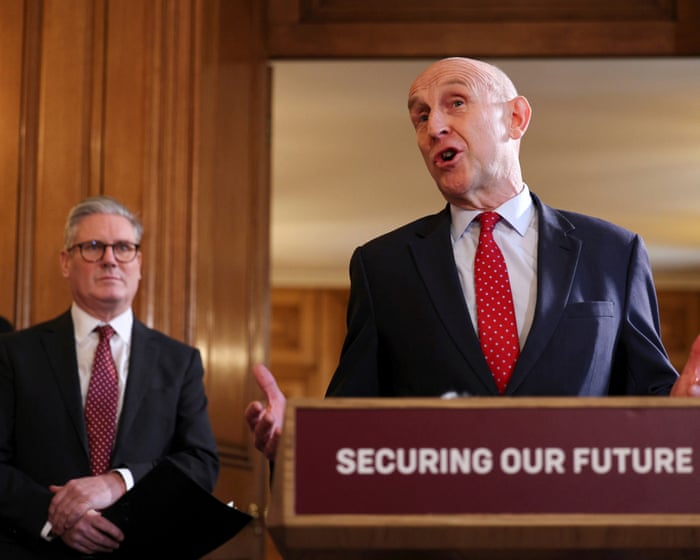
The UK government is trying to increase defence spending by £18.5 billion over four years. Chancellor Rachel Reeves chose to fund this by making small cuts across other government departments, which upset Defence Minister John Healey, leading to his resignation.
Key Facts
The Ministry of Defence asked for an extra £18.5 billion over four years to fund defence plans.
Chancellor Rachel Reeves responded by cutting about 1% from capital budgets of other government departments.
Reeves also used £3.5 billion from her department's reserve funds for defence projects.
The final defence budget increase was £13.5 billion, less than the £18.5 billion requested.
John Healey resigned in protest over what he saw as insufficient defence funding.
The UK government has promised to spend 3% of GDP on defence next parliament and 3.5% by 2035.
Funding options include cutting other spending, raising taxes, or borrowing money; none are currently fully supported politically.
Chancellor Reeves had recently relaxed rules to allow more borrowing but remains cautious due to high UK borrowing costs.
Read the Original
Want the full story? Tap a source to open the original
article.
CBS has canceled four shows, including The Late Show with Stephen Colbert, as part of changes to its 2026-2027 TV schedule. The network said cancellations were made mostly for financial reasons and to make room for new series.
Key Facts
CBS canceled The Late Show with Stephen Colbert after 11 seasons; its final episode had 6.74 million viewers.
Other canceled shows are The Neighborhood (8 seasons), Watson (2 seasons), and DMV (1 season).
The Late Show’s cancellation was linked by media to Colbert’s recent criticism of CBS’s parent company settlements, but CBS says it was purely financial.
The Neighborhood ended partly due to salary raise requests.
Watson is a medical mystery drama based on Sherlock Holmes characters, and DMV is a workplace comedy.
CBS’s new 2026 fall schedule includes 19 returning shows plus 4 new series like NCIS: New York.
CBS evaluates shows mainly on total viewership numbers before deciding cancellations.
The network aims to keep a "high bar" for renewals and make space for fresh content.
Read the Original
Want the full story? Tap a source to open the original
article.
Elon Musk's company SpaceX plans to become publicly traded soon, meaning people can buy shares and invest in it. Some experts are discussing whether SpaceX’s value is set too high compared to its actual worth.
Key Facts
SpaceX is a private company owned by Elon Musk.
Elon Musk is the world’s first trillionaire.
SpaceX will soon offer shares to the public through a stock market listing.
Going public means anyone can invest in SpaceX by buying shares.
Some analysts are debating if SpaceX’s current valuation might be too high.
This news is attracting attention from American investors thinking about risk and reward.
William Cohan provided expert insight about the topic in a CBS News report.
Read the Original
Want the full story? Tap a source to open the original
article.
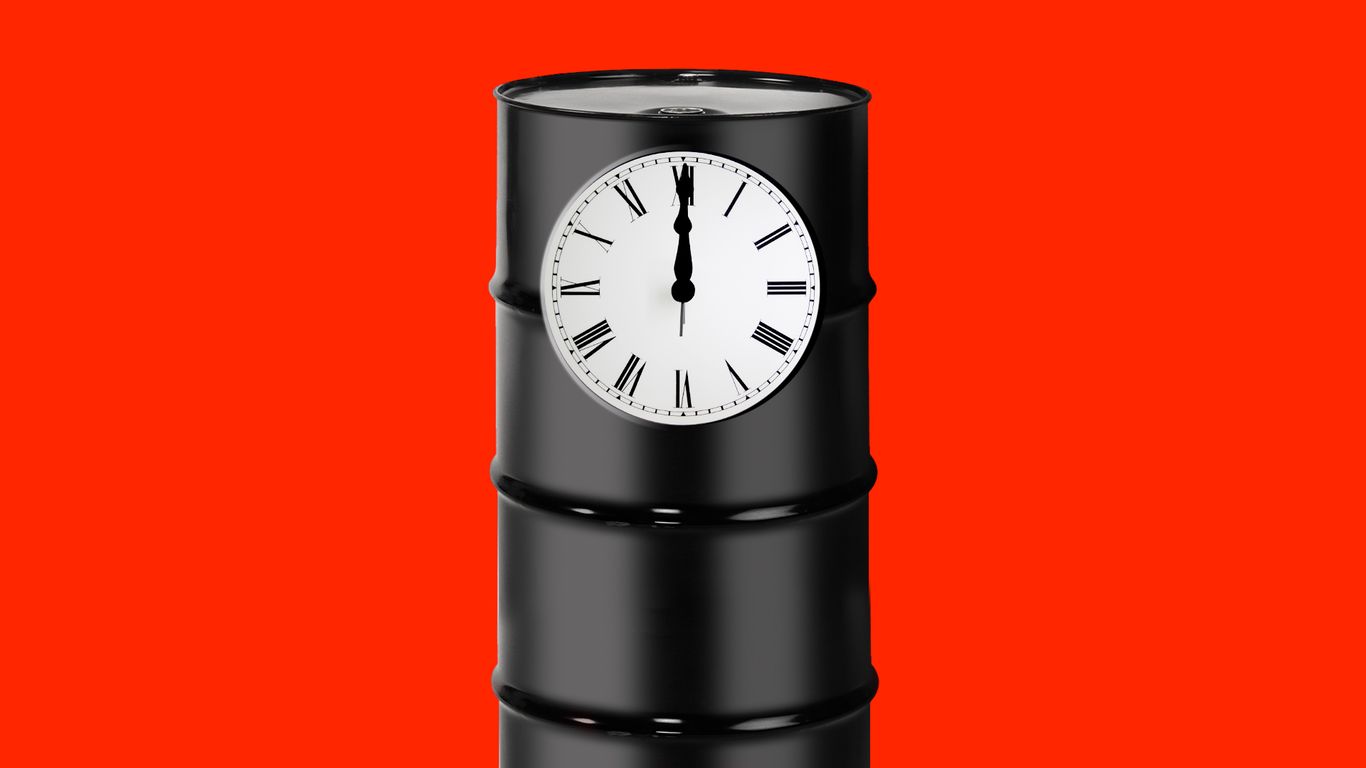
Oil prices have stayed lower than some expected, but experts warn they could rise sharply soon if the Strait of Hormuz remains closed and oil stockpiles run too low. U.S. and global oil reserves are falling fast, reducing the supply buffer that helps keep prices stable.
Key Facts
Oil prices are currently around $87.94 per barrel for Brent crude, the global benchmark.
The Strait of Hormuz, a key oil shipping route, is closed, causing supply disruptions.
If the strait remains closed by early September, oil prices could jump to $130-$150 per barrel.
Some experts predict prices might reach about $200 per barrel if the conflict lasts into 2027.
U.S. oil stockpiles, including commercial reserves and the Strategic Petroleum Reserve, are dropping quickly.
Inventories are reaching critical low levels needed for refinery and pipeline operations.
Increased U.S. oil exports are partly causing faster inventory drops.
Strategic reserves and alternative routes have helped prevent price spikes so far but may not last much longer.
Read the Original
Want the full story? Tap a source to open the original
article.
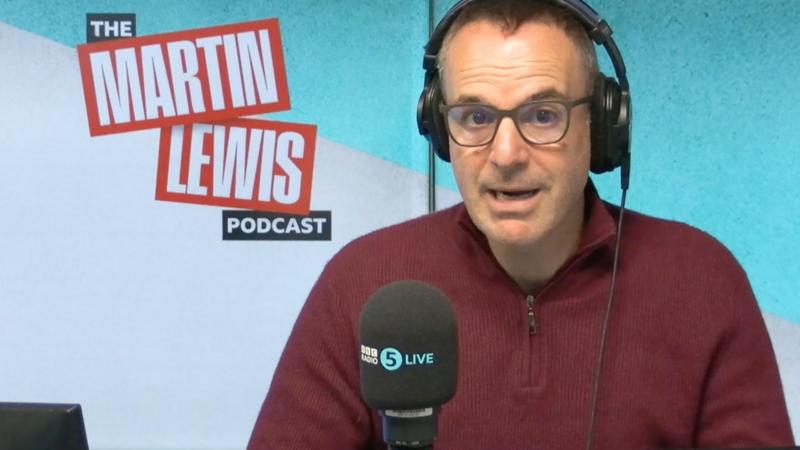
The article discusses issues related to people being mis-sold car finance deals. It encourages readers to listen to a full episode on BBC Sounds where the topic is explored in more detail.
Key Facts
The article addresses the problem of mis-selling car finance agreements.
Mis-selling means customers were wrongly advised or sold unsuitable finance deals.
The topic is covered in an episode available on BBC Sounds.
Martin Lewis, a known personal finance expert, is mentioned.
The goal is to help people understand if they have been mis-sold car finance.
It aims to inform consumers about their rights and what actions they can take.
Read the Original
Want the full story? Tap a source to open the original
article.
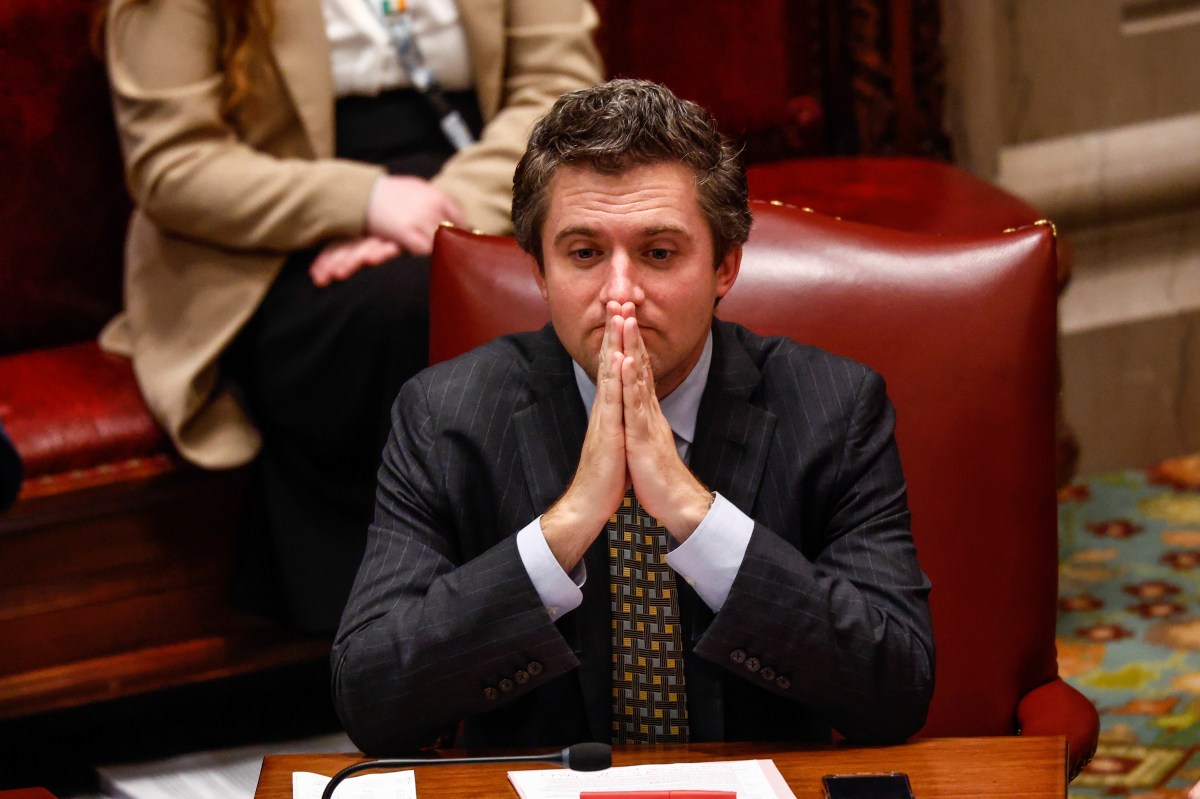
A New York State senator, James Skoufis, says life insurance costs in New York may be higher because insurers use national data that mixes New Yorkers with people from states like Texas, where people tend to have shorter lifespans. He proposes a law to make insurers use only New York's specific data to set rates, aiming to reduce costs for New Yorkers.
Key Facts
Senator James Skoufis argues that using national mortality data raises life insurance costs for New Yorkers.
His proposed TEXAS Act would require insurers in New York to use only state-specific life expectancy data for pricing.
Life expectancy in the U.S. averages about 79 years, but varies widely by state, with New York around 79.6 years and Texas around 77.1 years.
New York has lower uninsured rates (4.9%) compared to Texas (16.8%), linked to different health policies.
New York ranks as the most expensive state for permanent life insurance, averaging $1,500 per year.
Experts say while national models can hide regional differences, other factors like age and individual health mostly determine premiums.
Life insurance prices consider many details, not just state-level life expectancy averages.
The proposed law aims to prevent New Yorkers from indirectly subsidizing higher risks in other states.
Read the Original
Want the full story? Tap a source to open the original
article.
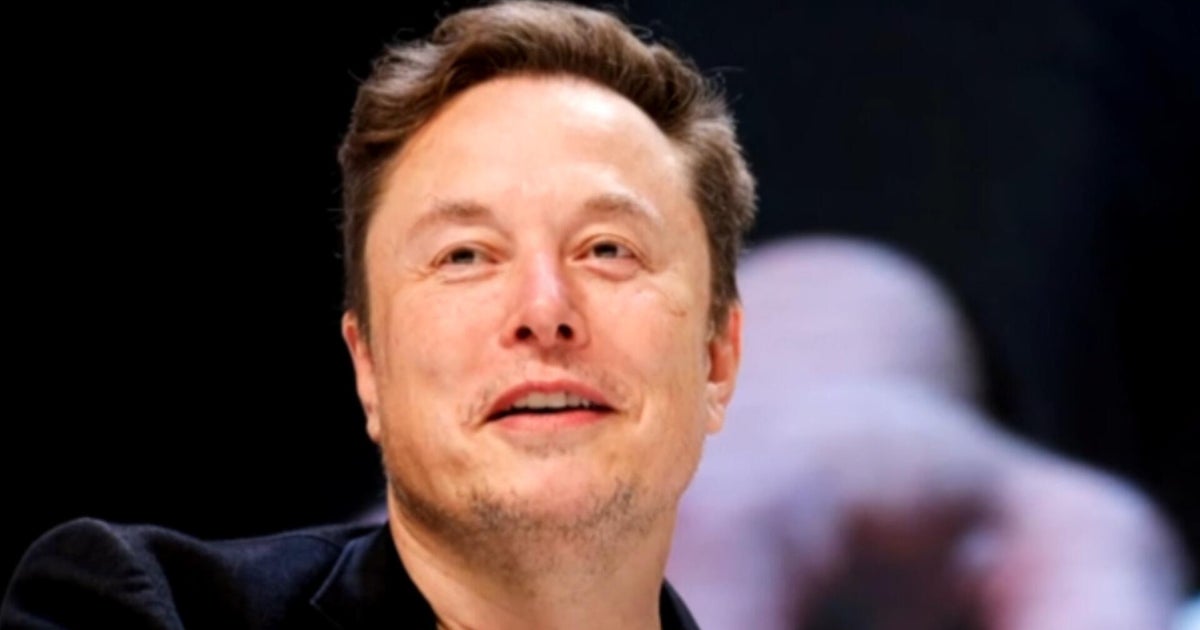
Elon Musk became the first person to have a fortune valued at over $1 trillion on paper after SpaceX set its stock price at $135 per share in its initial public offering (IPO). This IPO greatly increased Musk’s wealth and made him richer than nearly half the world’s population.
Key Facts
SpaceX set its IPO price at $135 per share.
Before the IPO, Elon Musk was worth about $813 billion.
After the IPO pricing, Musk’s net worth rose to about $1.005 trillion.
Musk owns 42% of SpaceX’s shares, about 4.8 billion shares.
Musk also holds 350 million stock options at a lower price.
SpaceX’s ticker symbol is "SPCX."
About 4,400 SpaceX employees may become millionaires from the IPO.
Musk’s wealth is now higher than the combined wealth of the bottom 46% of the world’s population.
Read the Original
Want the full story? Tap a source to open the original
article.
Nike made the United States men's national soccer team’s World Cup jerseys in Thailand instead of the U.S., despite having American factories. This decision drew criticism from a group of American manufacturers who said the jerseys could have been made in the U.S., especially given tariffs on imported goods introduced by President Trump.
Key Facts
Nike produced the U.S. men’s national soccer team jerseys in Thailand, not in America.
The Alliance for American Manufacturing (AAM), a group supporting U.S. factories, criticized Nike for not using American production facilities.
AAM said American companies already make similar high-performance gear for military and professional athletes.
Nike’s choice to make jerseys abroad ignored tariffs that increase costs on imports, which were introduced by President Trump in 2025.
In April 2025, President Trump announced tariffs on imports from over 180 countries to boost American jobs and industry.
Despite the tariffs, the U.S. lost 89,000 manufacturing jobs between April 2025 and February 2026.
The Supreme Court later ruled the tariff program exceeded presidential authority, leading to adjusted trade agreements with countries like Thailand and Vietnam.
Nike’s supply chain spreads production of jerseys across multiple Asian countries to lower risks and costs through a process called multi-sourcing.
Read the Original
Want the full story? Tap a source to open the original
article.
AI technology is causing health care costs to rise, mainly because it helps providers document care in ways that lead to higher billing. While AI may reduce some administrative costs over time, its current use mostly increases spending by encouraging more complex and frequent billing.
Key Facts
PwC predicts medical costs will increase by 9% in employer health plans and 8.5% in individual plans next year.
AI tools help providers record more detailed patient care, which leads to higher payments from insurers.
The cost increase is less about using more services and more about how care is coded and billed.
Health care providers have financial incentives to use AI to increase revenue under the current fee-for-service system.
AI investments are mostly focused on billing, revenue management, and developing new expensive drugs.
Experts believe the hype about AI reducing administrative costs may decline as focus shifts to improving patient outcomes.
Big, for-profit hospitals are likely to adopt AI faster and gain a market advantage over nonprofit hospitals.
AI could support value-based care models that pay for patient results rather than services, which might help control costs long term.
Read the Original
Want the full story? Tap a source to open the original
article.