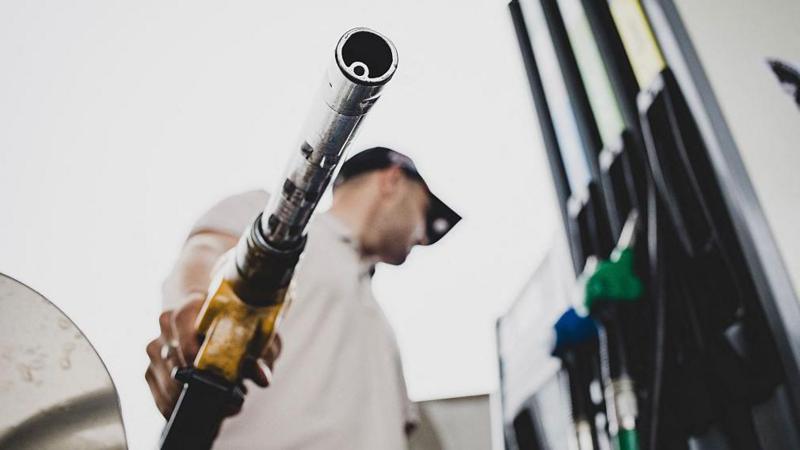
Iran announced it is ending its military actions against Israel, which led to oil prices falling from recent highs and stock markets recovering in Europe. This news helped government bond prices rise and lowered interest rates on debts in the UK, US, and eurozone.
Key Facts
Iran’s military command said it is stopping offensive operations after clashes with Israel.
Brent crude oil price fell from $98 a barrel to about $94.58 a barrel.
European stock markets moved from losses to slightly higher levels, shown by the Stoxx 600 index.
Government bond prices increased, causing yields (interest rates) in the UK, US, and eurozone to go down.
President Donald Trump asked both Iran and Israel to stop shooting immediately.
Nationwide’s CEO Debbie Crosbie’s pay nearly doubled to £4.7 million after a bonus scheme change.
Nationwide is asking its members to vote on the CEO’s pay report and board changes on July 13.
A recent tech stock sell-off was described by analysts as a needed market reset after strong gains.
Read the Original
Want the full story? Tap a source to open the original
article.
A federal judge criticized DOGE, a cryptocurrency, for having problems like arrogance, laziness, and ignoring important rules. The judge's comments highlight concerns about how DOGE operates in the financial space.
Key Facts
Judge Colleen McMahon oversees cases in the Federal District Court in Manhattan.
She described DOGE with negative traits such as arrogance and laziness.
The judge said DOGE ignores established procedures.
DOGE is a type of cryptocurrency, a digital currency used for online transactions.
The criticism points to legal and regulatory challenges related to DOGE.
Read the Original
Want the full story? Tap a source to open the original
article.
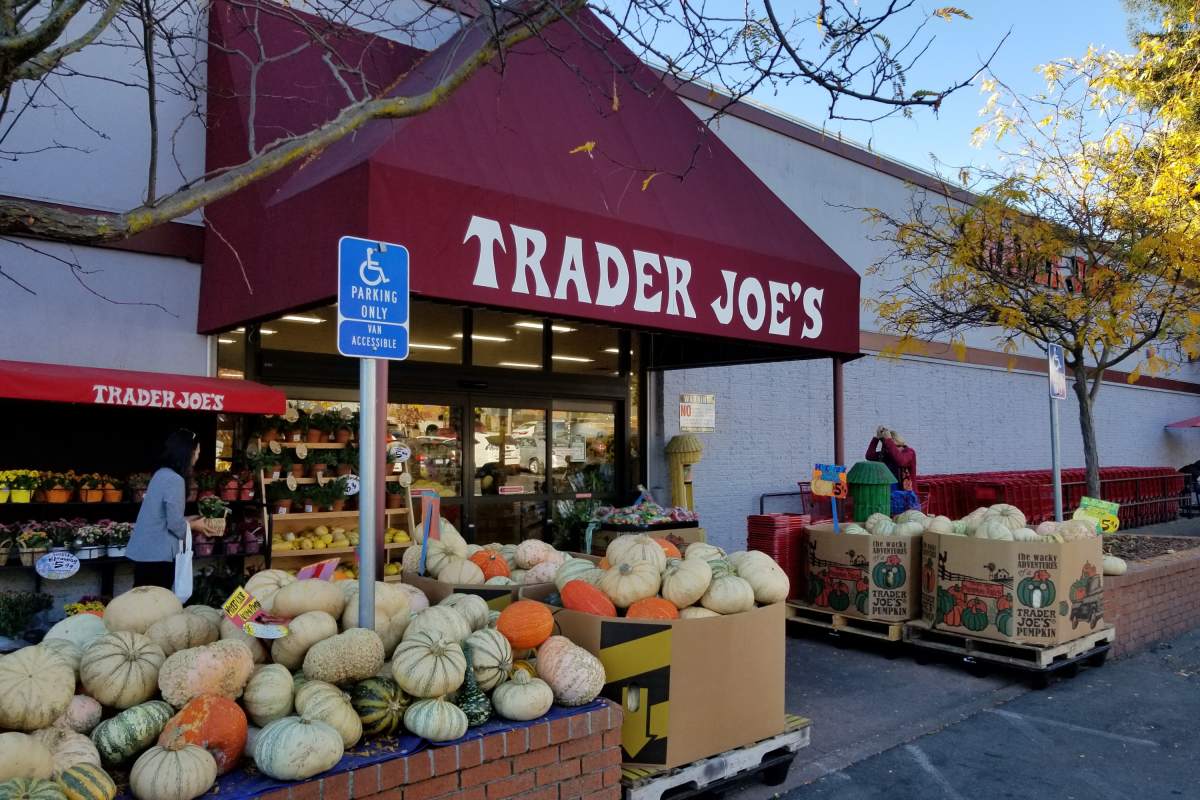
Trader Joe’s has agreed to pay $7.4 million to settle a lawsuit about printing too much credit and debit card information on some receipts in 2019. Eligible customers who used cards at affected stores during that time can claim part of the payout, but they must file a claim by June 9.
Key Facts
Trader Joe’s was sued for violating a law that limits how much card information can appear on receipts.
The receipts showed the first six and last four digits of card numbers, instead of just the last five as allowed.
Trader Joe’s denies wrongdoing but agreed to a $7.4 million settlement to avoid court battles.
About $3.86 million will be shared among eligible customers after fees and costs are paid.
Estimated payouts per person range roughly from $56 to $113, depending on how many claims are filed.
To be eligible, shoppers must have used a card at Trader Joe’s stores between March 5 and July 19, 2019, and received a receipt with the full card digits printed.
Approximately 757,663 unique card numbers are part of the settlement class.
Claims must be submitted by June 9 online, by mail, or by phone to receive money.
Read the Original
Want the full story? Tap a source to open the original
article.
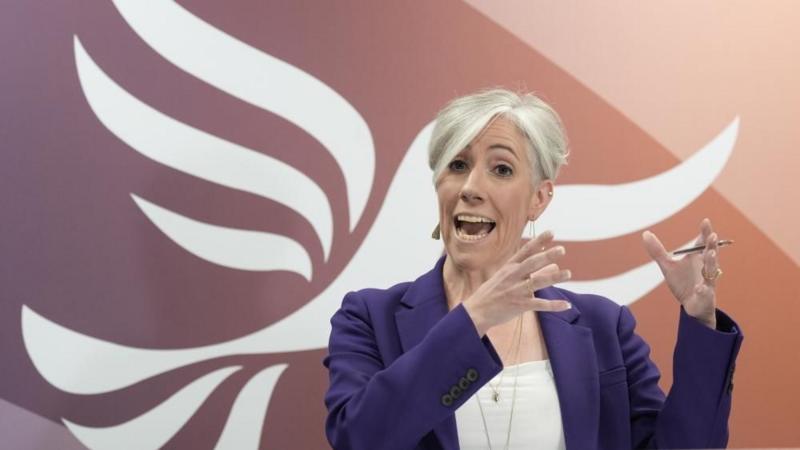
The Liberal Democrats have proposed a new energy policy that offers all households a basic amount of energy at a lower price, with extra discounts for those who need more support. The plan aims to reduce energy bills, especially for low-income families, and would be funded by reclaiming extra profits from energy companies.
Key Facts
All households would get a discounted "Essential Energy Allowance" to cover basic energy needs.
Families with more children and those with special needs (like electric wheelchairs) would get extra discounted energy.
The poorest 20% of households could save about £140 a year, while others save around £100 annually.
The policy aims to reduce health costs caused by cold homes, which currently cost the NHS £1 billion a year.
Funding would come from the energy regulator forcing companies to return an estimated £5 billion in extra profits by 2028.
The Lib Dems want to allow free home insulation and heat pump installation for low-income families.
They propose removing green levies from bills and instead taxing banks and energy company windfall profits.
The government currently plans to raise the energy price cap in July due to rising oil and gas prices, but some parties call for VAT removal or price freezes.
Read the Original
Want the full story? Tap a source to open the original
article.
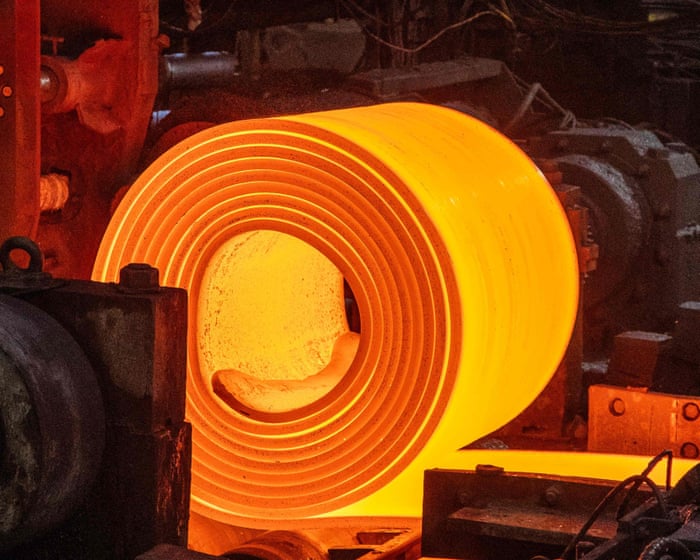
Tata Steel faces a delay of up to a year in connecting its new electric arc furnace to the electricity grid in south Wales, caused by engineering and planning problems. Trade unions have called on the government to help speed up the process, as the delay affects jobs and efforts to reduce carbon emissions.
Key Facts
Tata Steel’s new electric arc furnace in Port Talbot, south Wales, will be delayed by 6 to 12 months for connection to the electricity grid.
National Grid, the company managing the UK’s power infrastructure, cited problems like poor ground conditions and planning issues.
Tata Steel closed its old blast furnaces in September 2024, cutting 2,000 jobs as it moves to a cleaner furnace.
The electric arc furnace project has received £500 million in UK government subsidies to reduce carbon emissions.
A recent fire damaged part of Tata Steel’s existing Port Talbot site but caused no injuries.
Trade unions Community, Unite, and GMB demand government action to solve the delay and protect jobs.
National Grid is a private company, and union leaders criticized it for prioritizing shareholders over the UK economy.
Tata Steel and National Grid are discussing ways to adjust schedules to minimize the delay.
Read the Original
Want the full story? Tap a source to open the original
article.
Many American adults have trouble reading and using basic skills needed for work, and artificial intelligence (AI) tools may help hide these problems. While AI helps people complete tasks, it can also hide gaps in understanding that might cause trouble when workers need to think critically or solve problems.
Key Facts
About 130 million U.S. adults read below a sixth-grade level.
Around 43 million adults struggle with reading, writing, or basic math above a third-grade level.
More than 90% of jobs need some computer skills.
Low literacy affects everyday work tasks like emails, safety instructions, and training materials.
AI can make it easier for workers to finish tasks without fully understanding them, which hides skill gaps.
Lack of literacy and digital skills makes it harder for adults to get better jobs or training.
Some experts worry AI creates an "invisible drag" on productivity because workers rely on it without deep understanding.
Book buying is rising, but this doesn’t always mean people have strong reading skills or use them regularly.
Read the Original
Want the full story? Tap a source to open the original
article.
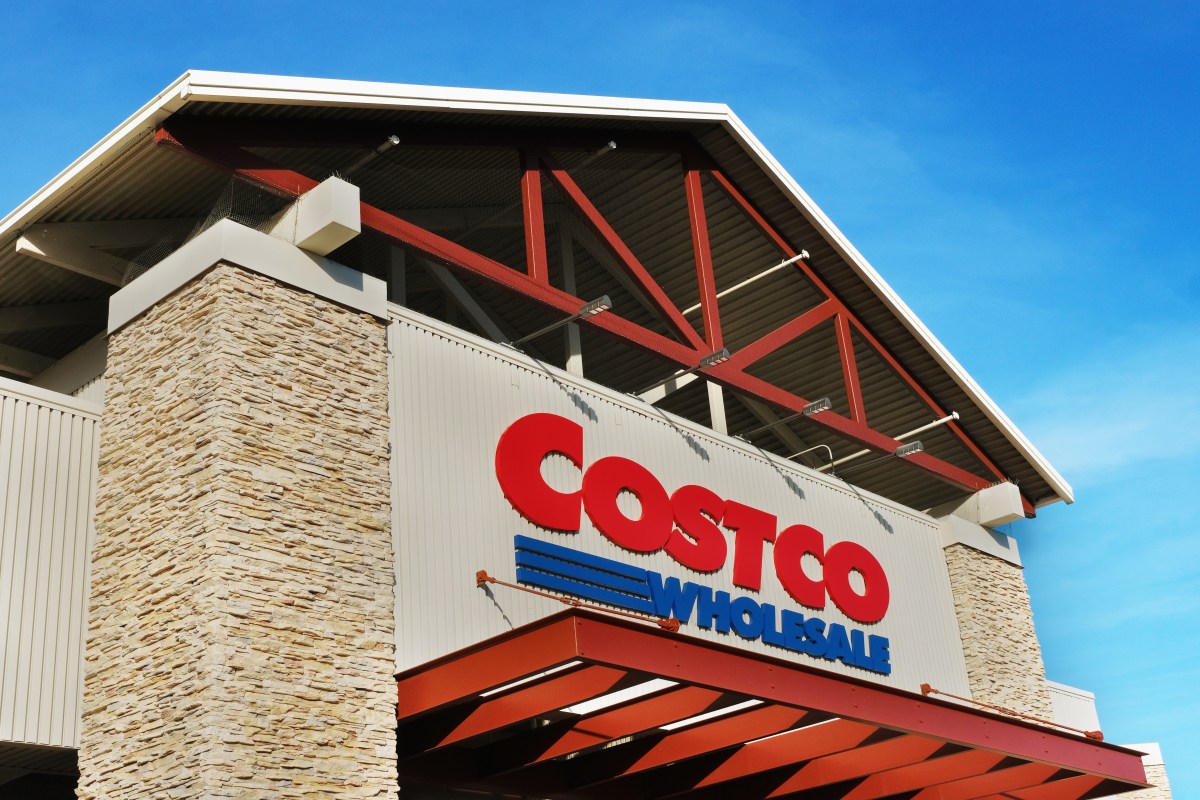
Costco has lowered prices on a few Kirkland Signature products, including food, household, and sporting goods items, according to recent reports and company statements. The price cuts are modest but important because Costco usually keeps prices very steady and low through its business model focused on membership fees.
Key Facts
Costco cut prices on four Kirkland products: crispy wings, milk chocolate almonds, golf balls, and king size sheets.
Price reductions ranged from $1 to $10 on these items.
CEO Ron Vachris said Costco aims to lower prices first and raise them last.
Most of Costco’s profits come from membership fees, allowing it to keep product prices low.
The price cuts were not heavily promoted in stores or online.
Some shoppers had complained recently about price increases or fluctuations on Costco products.
Kirkland Signature is key to Costco’s brand, offering good quality at lower prices.
It is unclear if more Kirkland products will have price cuts or how long the new prices will last.
Read the Original
Want the full story? Tap a source to open the original
article.
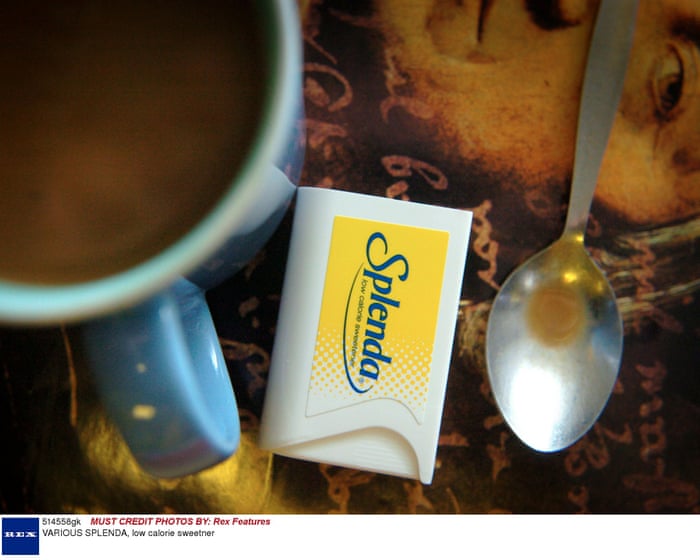
Tate & Lyle, a UK company known for artificial sweeteners, has agreed to be bought by the US company Ingredion for £2.7 billion. The deal may result in about 475 job cuts but will create a larger company with combined revenue of almost $10 billion.
Key Facts
Ingredion will buy Tate & Lyle for £2.7 billion, valuing each share at 615p.
The takeover price is about 60% higher than Tate & Lyle’s share price before the news.
Around 475 jobs (3% of the combined workforce) might be cut after the merger.
Tate & Lyle employs nearly 5,000 people worldwide, with about 200 in the UK.
Ingredion is based in Chicago and has about 11,000 employees globally.
Tate & Lyle shifted focus to artificial sweeteners and special food ingredients after selling its sugar business in 2010.
The combined company expects around $9.9 billion in yearly sales and $1.8 billion in profits.
The deal is another example of important UK companies leaving London’s stock market.
Read the Original
Want the full story? Tap a source to open the original
article.
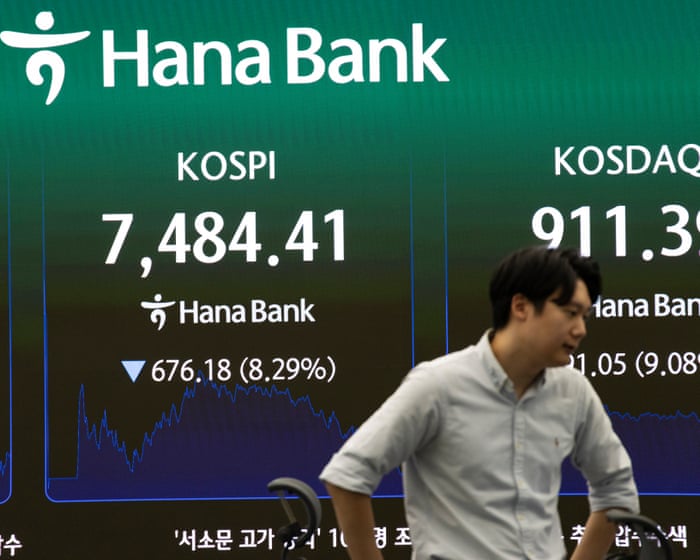
Asia’s main stock markets fell sharply due to renewed conflict between Iran and Israel and worries about possible interest rate increases in the United States. South Korea experienced the biggest losses, with major tech companies dropping heavily, while other Asian markets also declined amid these concerns.
Key Facts
South Korea’s KOSPI index fell nearly 9% early in the day, triggering a 20-minute trading halt (circuit breaker).
The KOSPI closed 8.29% lower after the market reopened.
Samsung Electronics and SK Hynix stocks dropped 10.2% and 7.6%, respectively.
Japan’s Nikkei 225 index declined by 3.9%.
China’s SSE Composite and Hong Kong’s Hang Seng indexes fell 1.7% and 1.3%, respectively.
Taiwan’s TAIEX, influenced by chip maker TSMC, dropped 3.5%.
Brent crude oil prices rose 3.7%, surpassing $88.50 per barrel.
The stock sell-off followed strong U.S. jobs data that raised fears the Federal Reserve may increase interest rates.
Wall Street’s main indexes also fell, with the Nasdaq dropping 4.18%, its worst day since April 2025.
Read the Original
Want the full story? Tap a source to open the original
article.
Global stock markets fell due to worries about technology companies involved in artificial intelligence and increased oil prices after conflicts between Iran and Israel. Asian and European markets dropped sharply, while oil prices rose nearly 5% amid fears the Middle East conflict could escalate.
Key Facts
Stock markets in Asia and Europe fell sharply on Monday, following a sell-off in US tech stocks the previous week.
The South Korean Kospi index dropped nearly 9%, partly caused by large losses in chipmaker shares like Samsung Electronics and SK Hynix.
Oil prices rose almost 5% to $97.60 a barrel after Iran and Israel exchanged fire, raising concerns about regional stability.
European tech companies involved in AI, including Besi, ASML, Aixtron, and Nokia, saw share prices fall between 3% and 6%.
Investors worry about the large spending plans of tech companies during a period of possible higher interest rates and inflation.
Experts say investors now want clearer proof that AI companies can make money and spend wisely before investing.
The Middle East conflict risks blocking the strait of Hormuz, a key shipping route for a fifth of the world’s oil and gas supply.
President Trump said before the conflict he would advise Israel on the war but later said Israel’s strikes in Lebanon were not coordinated with the US and expressed unhappiness about them.
Read the Original
Want the full story? Tap a source to open the original
article.
Asian stock markets fell on Monday after big technology companies’ shares dropped sharply in the U.S., causing Wall Street’s largest single-day loss since October. Concerns over interest rate hikes and renewed conflicts in the Middle East also added to market fears. Japan’s economic growth was revised downward, and oil prices rose after Israel launched airstrikes targeting Iran.
Key Facts
Japan’s Nikkei 225 index dropped 4.5% to 63,604.15 on Monday.
Japan’s economic growth for the first quarter was revised down to 1.8% annualized from 2.1%.
South Korea’s Kospi index fell 8.2%, with Samsung Electronics shares dropping nearly 10%.
Taiwan’s Taiex index fell 3.5%, Hong Kong’s Hang Seng lost 1.7%, and Shanghai’s Composite dropped 1.8%.
Brent crude oil price jumped $4.55 to $97.64 per barrel after Israeli airstrikes in Iran.
U.S. stocks suffered their worst day since October, with the S&P 500 falling 2.6%, Dow Jones down 1.4%, and Nasdaq down 4.2%.
The recent U.S. jobs report increased expectations that the Federal Reserve will raise interest rates.
The conflict between Israel and Iran intensified despite a tentative ceasefire extension agreed upon by negotiators.
Read the Original
Want the full story? Tap a source to open the original
article.
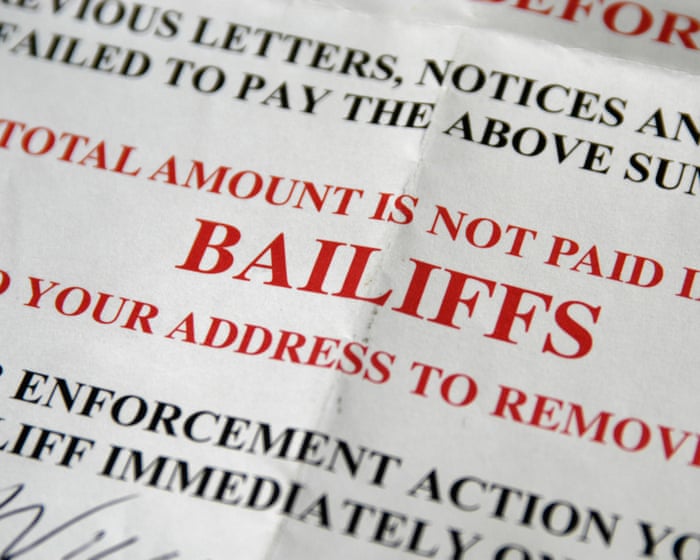
The UK government has delayed making rules to control bailiffs who collect debts from people. The Enforcement Conduct Board, which monitors bailiffs, says many companies are still not following fair rules and calls for the government to act faster.
Key Facts
The bailiff industry in the UK collects over £1 billion each year from debts like unpaid fines and council tax.
More than 7 million cases are sent to bailiffs annually, affecting many people.
Currently, enforcement firms are not legally required to be regulated or follow the standards of the Enforcement Conduct Board (ECB).
Some bailiff companies refuse to sign up to the ECB’s rules or oversight.
Complaints include aggressive behaviour, overcharging, and unfair treatment such as clamping vehicles used by disabled people.
The government announced plans for mandatory regulation in June 2025 but has made little visible progress a year later.
Consumer groups, debt charities, and many in the bailiff industry support legal regulation to protect people in debt.
The Ministry of Justice says it is working on proposals to ensure fair treatment and will announce next steps soon.
Read the Original
Want the full story? Tap a source to open the original
article.
Airline industry leaders say it is unlikely they will reach their goal of having net zero carbon emissions by 2050. They blame slow progress in producing sustainable aviation fuels, lack of government action, and delays in new aircraft and air traffic system improvements.
Key Facts
The aviation industry set a goal in 2021 to be net zero on carbon emissions by 2050.
Willie Walsh, head of the global airlines association IATA, says hope to meet this goal is fading.
More than half of the emissions reduction depends on sustainable aviation fuels (SAF), which this year only make up 0.8% of needed fuel.
A global emissions trading program, Corsia, led by the UN, is not working well due to government inaction.
The UK and EU have set ambitious targets for advanced SAF by 2030, but these fuels are not yet available in large amounts.
Airlines are disappointed with manufacturers delaying more efficient planes and no major updates to air traffic management worldwide.
Fuel companies have not delivered on promises to supply enough sustainable fuels.
IATA warns that current government targets for SAF production are unrealistic and might raise fuel prices.
Read the Original
Want the full story? Tap a source to open the original
article.
Several well-known chefs and restaurateurs support Andy Burnham’s call to cut VAT (a type of sales tax) on hospitality businesses like restaurants, pubs, and hotels from 20% to 10%. Burnham, running as a Labour candidate and potential future prime minister, argues this cut would help struggling businesses and match lower VAT rates in European countries.
Key Facts
Andy Burnham is campaigning to reduce VAT on hospitality from 20% to 10%.
European countries like France, Spain, Italy, and Germany have VAT rates between 7% and 10% for hospitality.
Top chefs, including Tom Kerridge and Tommy Banks, back Burnham’s plan to support the hospitality sector.
Hospitality venues in the UK are closing rapidly due to high taxes, wages, energy costs, and inflation.
Burnham has a history of supporting hospitality, especially as Mayor of Manchester.
Other politicians, like Nigel Farage, also propose VAT cuts but suggest funding them differently, which some chefs oppose.
Industry leaders say the current UK government does not fully understand or support hospitality businesses.
Chefs believe a VAT cut could save many businesses and jobs in the hospitality sector.
Read the Original
Want the full story? Tap a source to open the original
article.
Aviva found over £230 million in fake insurance claims in 2025, many involving new tricks like using artificial intelligence (AI) to create fake car accident scenes and documents. Most false claims were in motor insurance, with fraudsters exaggerating damages and costs rather than staging accidents.
Key Facts
Aviva detected more than 18,400 suspicious insurance claims worth £233 million in 2025.
This was a record amount and included claims from the Direct Line brands, added after acquisition.
Motor insurance fraud made up over 70% of the detected bogus claims.
Fraudsters are shifting from fake collisions to exaggerated injuries and repair costs.
AI is being used by scammers to create fake accident images and documents.
Aviva is using AI and advanced analytics to catch fraud faster, with human oversight.
Serious fraud cases led to 37 years of prison and suspended sentences combined.
Fraud in home insurance claims rose by 15%, often due to exaggerating damage or contents.
Read the Original
Want the full story? Tap a source to open the original
article.
UK companies are hiring more temporary workers instead of permanent staff due to low confidence in the economy and higher costs. Recruitment firms report a rise in temporary job offers and a drop in permanent hiring amid political issues and global conflicts, leading to cautious business behavior.
Key Facts
In May, UK firms increased offers of temporary jobs while permanent hiring fell sharply, the biggest drop in 10 months.
Political uncertainty and the Middle East conflict have made businesses hesitant to add permanent staff.
Temporary work is filling the gap as companies face higher costs and new employment rules.
More people are applying for jobs due to layoffs and fears about job security.
Salaries for entry-level and temporary workers increased only slightly in May.
Nursing and care sectors saw more demand for permanent staff, while retail had the largest decline.
UK unemployment rose unexpectedly to 5% in the first quarter of the year.
Reports show a record high of over one million young people not working or studying, linked to fewer entry-level job opportunities.
Read the Original
Want the full story? Tap a source to open the original
article.
San Diego fishermen are selling their fresh local seafood directly to customers every Saturday at the Tuna Harbor Dockside Market. This market is similar to a farmer's market but focuses only on fish and seafood from the area.
Key Facts
The market is held every Saturday at Tuna Harbor in San Diego.
Local fishermen sell their fresh catch directly to consumers.
It aims to promote a taste for local seafood.
The market operates like a farmer’s market, but only for fish.
This effort helps connect fishermen with the local community.
It supports local fishing businesses and provides fresh seafood options.
Customers can buy a variety of fish and seafood caught nearby.
The market encourages sustainable and local food choices.
Read the Original
Want the full story? Tap a source to open the original
article.
Stevie Nicks has donated money to the University of Southern California to help create an endowed chair at the Keck School of Medicine. The donation honors Dr. Joseph Sugerman, her doctor who specializes in ear, nose, and throat care, and supports advancements in vocal medicine.
Key Facts
Stevie Nicks donated to help reach a $3 million goal for an endowed chair at USC’s Keck School of Medicine.
The chair is within the Caruso Department of Otolaryngology – Head and Neck Surgery.
The donation honors Dr. Joseph Sugerman, Nicks’ personal ear, nose, and throat doctor.
Dr. Sugerman has treated Nicks’ voice during her long music career.
The first holder of the endowed chair will be Dr. Michael M. Johns, director of the USC Voice Center.
The chair aims to advance research and treatment in vocal medicine.
Dr. Sugerman praised the donation for supporting the USC Voice Center’s programs.
Read the Original
Want the full story? Tap a source to open the original
article.
The 2026 Tony Awards took place at Radio City Music Hall in New York. Several winners were announced in categories including acting, directing, music, and choreography.
Key Facts
John Lithgow won Best Actor in a Leading Role for the play “Giant.”
Laurie Metcalf won Best Featured Actress in a Play for “Arthur Miller’s Death of a Salesman.”
Zhailon Levingston and Bill Rauch won Best Direction of a Musical for “Cats: The Jellicle Ball.”
Cinco Paul won Best Original Score and Best Book of a Musical for “Schmigadoon!”
The choreography award went to Omari Wiles and Arturo Lyons for “Cats: The Jellicle Ball.”
The Best Play award was given to “Death of a Salesman,” directed by Joe Mantello.
The ceremony was hosted and featured performances by Pink and Neil Patrick Harris.
The event marks the 79th annual Tony Awards, celebrating achievements in theater.
Read the Original
Want the full story? Tap a source to open the original
article.
Oil prices rose after Iran fired missiles at Israel, breaking a fragile ceasefire agreement from April. President Donald Trump said he plans to call Israeli Prime Minister Benjamin Netanyahu to urge Israel not to retaliate, as peace talks with Iran are ongoing.
Key Facts
Iran launched missiles at Israel, the first attack since a ceasefire in April.
Brent crude oil price increased by 2.6% to $95.50 per barrel.
US crude oil price rose by 2.5% to $92.75 per barrel.
Iran’s military group, the Islamic Revolutionary Guard Corps, said this is the start of a week of strikes.
President Donald Trump plans to ask Israel not to strike back to avoid ruining a near-final deal with Iran.
The ceasefire between Israel and Iran has been broken several times since April 17.
The conflict affects oil supply because Iran threatened to attack ships crossing the Strait of Hormuz, a key shipping route for oil.
Oil prices have been unstable since US and Israel launched strikes on Iran in late February.
Read the Original
Want the full story? Tap a source to open the original
article.