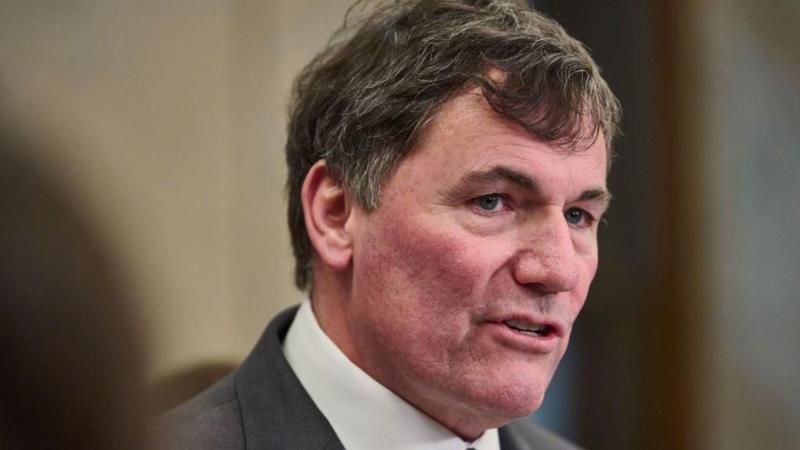
Canada has proposed renewing the trade agreement with the US and Mexico, called USMCA, for 16 years and wants to discuss specific tariffs before upcoming meetings with US trade officials. Canada’s trade minister, Dominic LeBlanc, will meet with US Trade Representative Jamieson Greer to review the agreement and address tariffs on steel, aluminum, and cars that affect Canada’s economy.
Key Facts
Canada wrote a letter to the US and Mexico recommending a 16-year renewal of the USMCA trade agreement.
Canada wants to hold talks on specific tariffs, like those on steel, aluminum, and cars.
Canada’s trade minister, Dominic LeBlanc, will meet US Trade Representative Jamieson Greer, joined by chief negotiator Janice Charette.
Canada was not included in earlier trade talks between the US and Mexico last week.
Businesses have criticized Canada for starting the USMCA review process slowly compared to Mexico.
The US and Mexico have already held talks about updating the USMCA, including rules about car parts ("rules of origin") and economic security.
The US wants Canada to accept some tariffs and make changes to allow more US business access, such as in dairy products.
If the countries do not agree to extend the deal, it will move to annual reviews until 2036.
Read the Original
Want the full story? Tap a source to open the original
article.
A federal jury in California convicted short seller Andrew Left of securities fraud for using false and exaggerated claims to manipulate stock prices. Left faces up to 25 years in prison and is scheduled for sentencing on August 31, 2024.
Key Facts
Andrew Left was convicted of one count of participating in a securities fraud scheme and 12 counts of securities fraud.
He was charged with making false statements to federal investigators and running a scheme to manipulate stock prices.
Left made money by short selling, which means betting that stock prices would fall.
He operated under the name Citron Research, publishing investment advice that influenced stock prices.
The prosecution said Left used exaggerated headlines and social media posts to move stock prices for his own gain.
Before publishing his research, Left took positions in stocks to profit from the price changes caused by his reports.
The Justice Department said his actions harmed regular investors by manipulating the market unfairly.
Left disagreed with the conviction and said he will continue to fight, claiming it affects free speech.
Read the Original
Want the full story? Tap a source to open the original
article.
South West Water was fined £1.85 million for providing water that caused a parasite outbreak in Devon, making hundreds of people sick. The outbreak was linked to faults in the company's management of water safety equipment on farmland and resulted in significant health and social impacts.
Key Facts
South West Water admitted to supplying unsafe drinking water that caused a cryptosporidiosis outbreak in Brixham, Devon during spring and summer 2024.
The company was fined £1.85 million, the largest penalty for a drinking water offense in the UK.
The parasite outbreak made 537 people ill, with 159 needing health care and 10 hospitalized.
Water contamination was caused by a broken air valve on farmland and illegal cross connections mixing clean and unsafe water.
South West Water had a policy to inspect air valves but did not implement it, and no inspections occurred on the high-risk farm site.
The outbreak forced thousands of households to boil their water and undermined public trust in local tap water.
Schools suffered from absenteeism and lower exam results, particularly affecting disadvantaged students.
The company apologized and showed remorse, admitting to failings in following safety recommendations.
Read the Original
Want the full story? Tap a source to open the original
article.
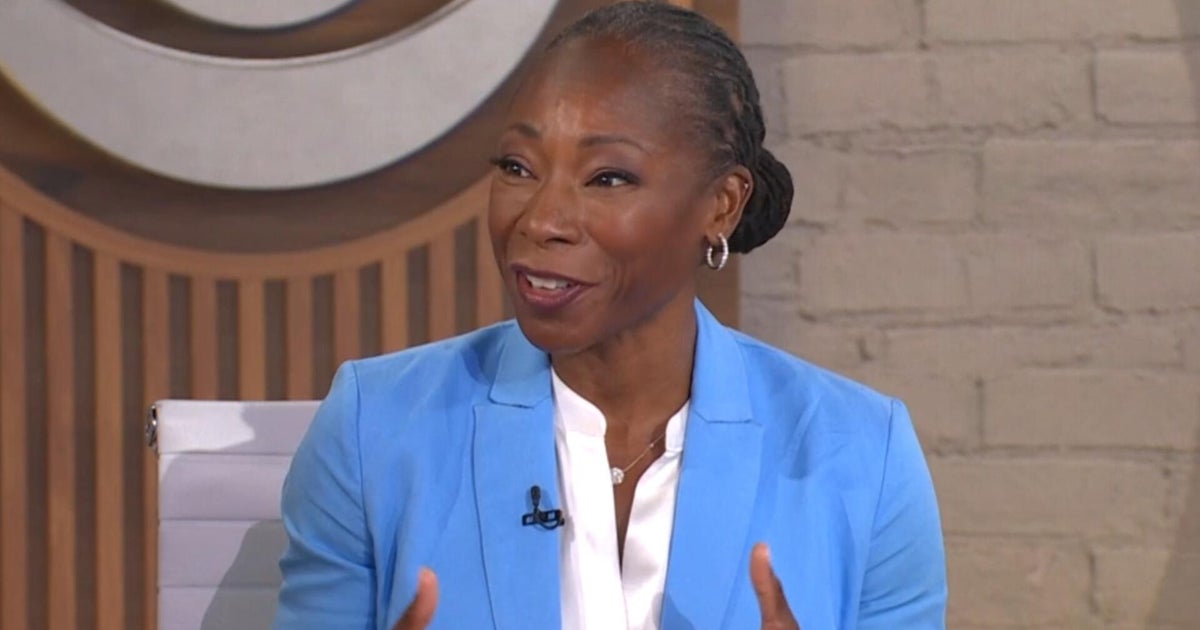
A new report from AARP shows that Americans aged 50 and older contribute $12.5 trillion to the U.S. economy. Dr. Myechia Minter-Jordan, the CEO of AARP, explains the findings in an interview.
Key Facts
Americans aged 50 and above contribute $12.5 trillion to the U.S. economy.
The information comes from a recent AARP report.
Dr. Myechia Minter-Jordan is the CEO of AARP.
She discussed the report’s details during a CBS News segment.
The report highlights the economic importance of older adults in the U.S.
Contributions include spending, investments, and other economic activities by people 50 and older.
Read the Original
Want the full story? Tap a source to open the original
article.
The Trump administration has proposed a 25% tax on goods imported from Brazil. This decision came after a U.S. investigation found Brazil using trade practices that hurt American business, such as weak anti-corruption efforts and unfair taxes on imports.
Key Facts
The U.S. wants to add a 25% tariff on many Brazilian imports.
The reason is Brazil’s actions that the U.S. says limit fair trade.
The U.S. Trade Representative and President Trump met with Brazil’s President Lula but still disagree on the issues.
A public hearing about the proposed tariffs is set for July 6.
The tariff plan lets some imports like aircraft and minerals from Brazil avoid the tax.
The U.S. used a 1974 law called Section 301 to start the investigation and tariff plan.
Last year, President Trump imposed a 50% tariff on Brazil using a different legal method, which the Supreme Court later said was not allowed.
The new tariff approach may help the U.S. recover some tax money lost after the court blocked the earlier tariffs.
Read the Original
Want the full story? Tap a source to open the original
article.
Canada has officially asked to renew the USMCA trade agreement with the US and Mexico for another 16 years before the July deadline. Canadian trade minister Dominic LeBlanc is meeting with US trade officials to negotiate terms, but there are disagreements on tariffs and rules for making cars and other goods.
Key Facts
Canada requested a 16-year extension of the USMCA trade deal.
Dominic LeBlanc, Canada’s trade minister, is in Washington for talks with US and Mexican representatives.
The US and Canada disagree on tariffs for steel, aluminum, cars, and lumber.
The US wants more access to Canadian dairy markets, where Canada limits imports to protect local farmers.
The US aims to increase the amount of American-made content in North American cars to at least 50%.
Canada’s cars already have about 50% US-made parts, according to Canadian officials.
Canada has retaliated against US tariffs by banning some American liquor, which the US sees as a trade irritant.
If the agreement is not renewed by July, it would need yearly renewals until 2036.
Read the Original
Want the full story? Tap a source to open the original
article.
When a creditor wins a debt lawsuit, they may try to collect money by going after certain assets of the borrower. Creditors often target bank accounts, wages, investment accounts, real estate equity, and valuable personal property, but laws protect some assets from being taken.
Key Facts
Creditors can freeze money in checking and savings accounts through a bank levy with court approval.
Federal benefits like Social Security are usually protected and cannot be taken from accounts.
Wage garnishment allows creditors to take a part of a person’s paycheck, but federal and state laws limit how much can be taken.
Investment accounts such as stocks and bonds may be used to pay debts depending on state laws.
Creditors can place a lien on real estate, which can affect selling or refinancing the property later.
Many states have homestead exemptions that protect a certain value of home equity from creditors.
Creditors may also try to claim valuable personal property, subject to exemptions and local laws.
The exact rules for what assets can be taken vary by state and depend on the type of debt involved.
Read the Original
Want the full story? Tap a source to open the original
article.
An investigation by consumer group Choice found many unsafe and banned products, such as toy-like cigarette lighters and gel blasters, being sold on online marketplaces in Australia. Choice has asked the Australian Competition and Consumer Commission (ACCC) to take action and review product safety laws to better protect consumers.
Key Facts
Choice discovered unsafe items including fake cigarettes, toy lighters, gel blasters, flick knives, and fake tongue studs sold online.
These products are banned in Australia due to fire risks or choking hazards.
Choice filed a special complaint to the ACCC, which requires a response within 90 days.
The ACCC has asked marketplaces like Amazon and eBay to remove dangerous products such as high-powered magnets and banned toys.
A survey showed 6% of Australians who bought things online had injuries or property damage from products.
Online marketplaces often evade responsibility because current laws do not clearly apply to them.
The federal government plans to improve product safety laws, including stronger recalls and penalties for unsafe product sales.
The ACCC is making unsafe goods in digital markets a top enforcement priority for a second year.
Read the Original
Want the full story? Tap a source to open the original
article.
Santos has received government approval to drill up to 12 new wells for gas in the Beetaloo basin in Australia's Northern Territory and may start drilling within weeks. Environmental groups have called on federal Environment Minister Murray Watt to review the project’s potential effects on water and endangered species using national environmental laws.
Key Facts
Santos plans to drill up to 12 appraisal wells at Tanumbirini Station in the Beetaloo basin.
Appraisal wells test the quality and value of gas resources before full production.
The Northern Territory government approved the project last month.
Environmental groups want a federal review of the project’s impact on water and wildlife.
The project could lead to large-scale fracking, which raises climate and environmental concerns.
Santos aims to prioritize Beetaloo operations and sees the area as a long-term gas supply for Australia’s east coast.
Independent reports suggest gas from Beetaloo might be more expensive than other Australian gas sources.
Minister Murray Watt and Santos have not yet publicly responded to calls for further environmental assessment.
Read the Original
Want the full story? Tap a source to open the original
article.
A new award in Australia named a single-use plastic and metal hybrid can the country’s worst packaging because it is hard to recycle and not accepted in refund schemes. The award highlights the large amount of plastic waste produced in Australia, while also recognizing successful alternatives like refillable milk kegs that reduce single-use plastic.
Key Facts
The “franken-can” is a plastic-metal hybrid drinking can that is difficult to recycle and not accepted by container refund programs.
This can won the first-ever Unpackit award for Australia’s worst plastic packaging.
The Unpackit awards were created by the Australian Marine Conservation Society, Plastic Free Foundation, and WWF-Australia.
Australians generate around 1.3 million tonnes of plastic packaging waste each year.
The “franken-can” is banned in Western Australia, but no national ban exists yet.
The winner for best packaging was Udder Way’s 18L refillable milk kegs, which have prevented approximately 4.5 million single-use plastic milk bottles since 2021.
Other honorable mentions include reusable pallet wraps by Bearhug and reusable coffee cups by Cercle.
Nearly 60% of litter collected in Australia is packaging waste.
Read the Original
Want the full story? Tap a source to open the original
article.
Buying secondhand clothes has become very popular, especially among younger people, because it often offers good deals and access to high-end brands. However, experts warn that many shoppers waste money by buying clothes they don’t need or won’t wear, treating thrift shopping like buying new clothes without a plan.
Key Facts
In 2025, 58% of consumers bought secondhand clothing, led by younger generations.
People shop secondhand for better deals, the excitement of finding bargains, and to get high-end brands.
Many shoppers make the mistake of buying secondhand clothes without focusing on what they actually need.
Buying clothes just because they are cheap or trendy often leads to unused items and wasted money.
Experts advise making a list of needed items based on your current wardrobe to avoid impulse buys.
Negotiating prices online can help shoppers get better deals.
Slowing down and thinking about how often you’ll wear an item can help save money in the long run.
The goal of thrifting is to extend the life of clothes, not to accumulate more that will go unused.
Read the Original
Want the full story? Tap a source to open the original
article.
The U.S. Securities and Exchange Commission (SEC) defended its settlement with Elon Musk regarding late disclosure of his ownership in Twitter, now called X. The SEC explained that the $1.5 million penalty and agreement reflected compromises made during negotiations.
Key Facts
The SEC settled with Elon Musk over Musk’s late announcement of his Twitter stake.
Twitter has been renamed X.
The settlement involved Musk paying a $1.5 million fine.
A judge questioned the fairness of the settlement.
The SEC stated the deal was a result of compromises by both sides.
The issue relates to rules about timely disclosure of large stock holdings.
The settlement aims to enforce transparency in financial markets.
Read the Original
Want the full story? Tap a source to open the original
article.
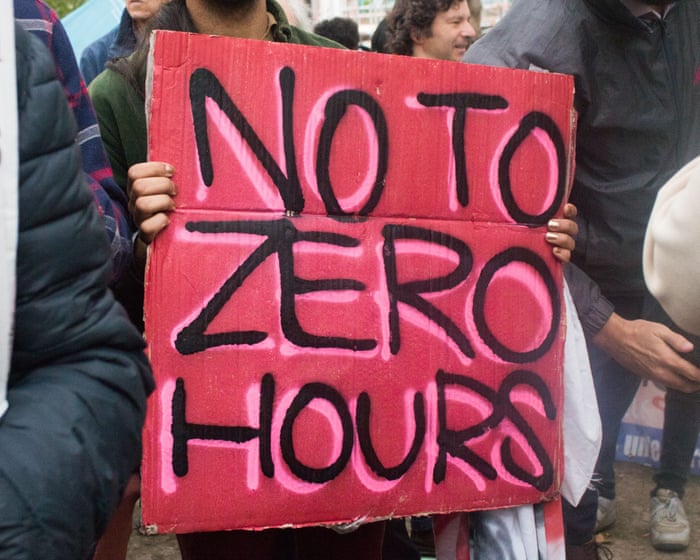
The UK government plans to ban zero-hours contracts by requiring employers to offer workers a guaranteed minimum number of hours each week, based on their usual work pattern. The proposed rules would guarantee between 8 and 20 hours weekly, but some unions and employers have criticized the details and impact of these plans.
Key Facts
Zero-hours contracts mean workers have no guaranteed minimum hours each week.
More than 1 million people in the UK currently work under zero-hours contracts.
New rules aim to guarantee weekly hours based on a worker’s regular hours over a 12-week period.
Workers could still choose zero-hours contracts but could get compensation if shifts change at short notice.
The changes come from the Labour Employment Rights Act passed last year.
Some unions say guaranteeing only up to 20 hours a week is not enough for many workers.
Employers warn strict rules could reduce job opportunities, especially for young people.
Businesses suggest a longer 26-week reference period to better reflect seasonal work patterns.
Read the Original
Want the full story? Tap a source to open the original
article.
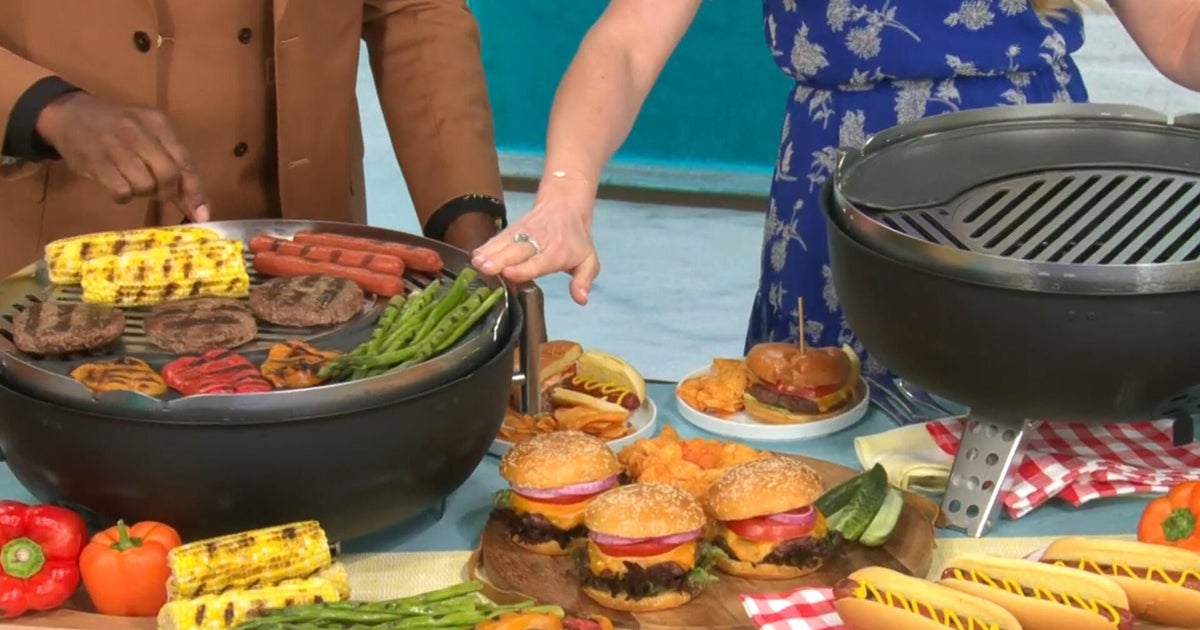
CBS Mornings Deals offers special discounts on products that can improve daily life. Customers can visit cbsdeals.com to find these exclusive deals and purchase items.
Key Facts
CBS Mornings Deals provides exclusive discounts on various products.
The deals focus on items to improve everyday lifestyle.
Customers can access the discounts by visiting cbsdeals.com.
CBS earns commissions on purchases made through the website.
The promotion is part of the CBS Mornings broadcast.
Offers are available while supplies last.
The deals can be accessed via web browsers like Chrome and Safari.
Read the Original
Want the full story? Tap a source to open the original
article.
The U.S. Treasury and U.S. Mint announced a special coin program to celebrate the 2026 FIFA World Cup, which the United States will co-host with Canada and Mexico. The coins will come in gold, silver, and clad versions and will raise money to support soccer programs for military families.
Key Facts
The coin program includes a $5 gold coin, a $1 silver coin, and a half-dollar clad coin.
These coins will not cost taxpayers; money comes from coin sales surcharges.
Surcharges are $35 for gold, $10 for silver, and $5 for clad coins.
Funds raised will support youth soccer programs for children of military service members.
Preorders will start soon, with shipments beginning before the 2026 World Cup ends.
Canada and Mexico are also issuing special coins to mark the World Cup.
Canada released a $1 coin that entered regular circulation on May 14.
Mexico’s coin series includes 12 different coins featuring host cities like Mexico City and Guadalajara.
Read the Original
Want the full story? Tap a source to open the original
article.
President Trump changed tariffs on certain imported steel, aluminum, and copper products. He lowered tariffs from 25 percent to 15 percent on some items like farming equipment and specific heating and cooling systems.
Key Facts
President Trump adjusted tariffs on aluminum, copper, and steel imports.
Tariffs on some aluminum and steel derivative products were reduced from 25% to 15%.
The products affected include agricultural equipment and certain HVAC systems.
The original tariff rate was 25 percent on aluminum and steel imports.
This change was announced through an official presidential proclamation.
The adjustments target specific items rather than all imports in these metal categories.
The move aims to modify trade costs for businesses using these metal products.
Read the Original
Want the full story? Tap a source to open the original
article.
Dawn Airey has been appointed the new chair of Arts Council England, starting August 1. She plans to focus on supporting the arts while addressing challenges such as the impact of artificial intelligence and improving trust in the organization.
Key Facts
Dawn Airey is a media executive with experience at ITV, Channel 5, Sky, Yahoo, Getty Images, and the Women’s Super League.
She replaces Nicholas Serota, who served as chair for nearly ten years.
Arts Council England (ACE) has faced criticism for political interference and complicated funding processes.
An independent review led by Labour peer Margaret Hodge called for a major overhaul of ACE to restore trust.
Airey aims to support the arts transparently, fairly, and quickly, according to the new mandate.
Culture Secretary Lisa Nandy praised Airey’s broad experience and commitment to the arts.
The chair position requires working two days a week and pays £60,000 annually.
Airey begins her four-year term on August 1, 2024.
Read the Original
Want the full story? Tap a source to open the original
article.
CD (certificate of deposit) interest rates are currently high compared to historical levels and are expected to stay stable through the summer. Experts say these rates allow savers to lock in good returns now, but future changes will depend on inflation and Federal Reserve decisions.
Key Facts
Current national average CD rates range from about 0.21% to 1.50%, with top rates around 4.10% to 4.15%.
CD accounts let savers lock in interest rates for months or years, unlike typical savings accounts.
The Federal Open Market Committee (FOMC) has kept rates steady this year and is expected to hold rates at its June 17 meeting.
About 57% of recent CD rate changes were increases, while 43% were cuts.
Future CD rate changes will depend on inflation trends and Federal Reserve policy decisions.
If inflation stays high, the Fed might delay cutting rates or even raise them in 2026, which could keep CD rates stable or higher.
Locking in a CD rate now acts as protection against possible future rate drops.
CD rates vary by bank and by the length of the CD term, so shopping around can help find a better rate.
Read the Original
Want the full story? Tap a source to open the original
article.
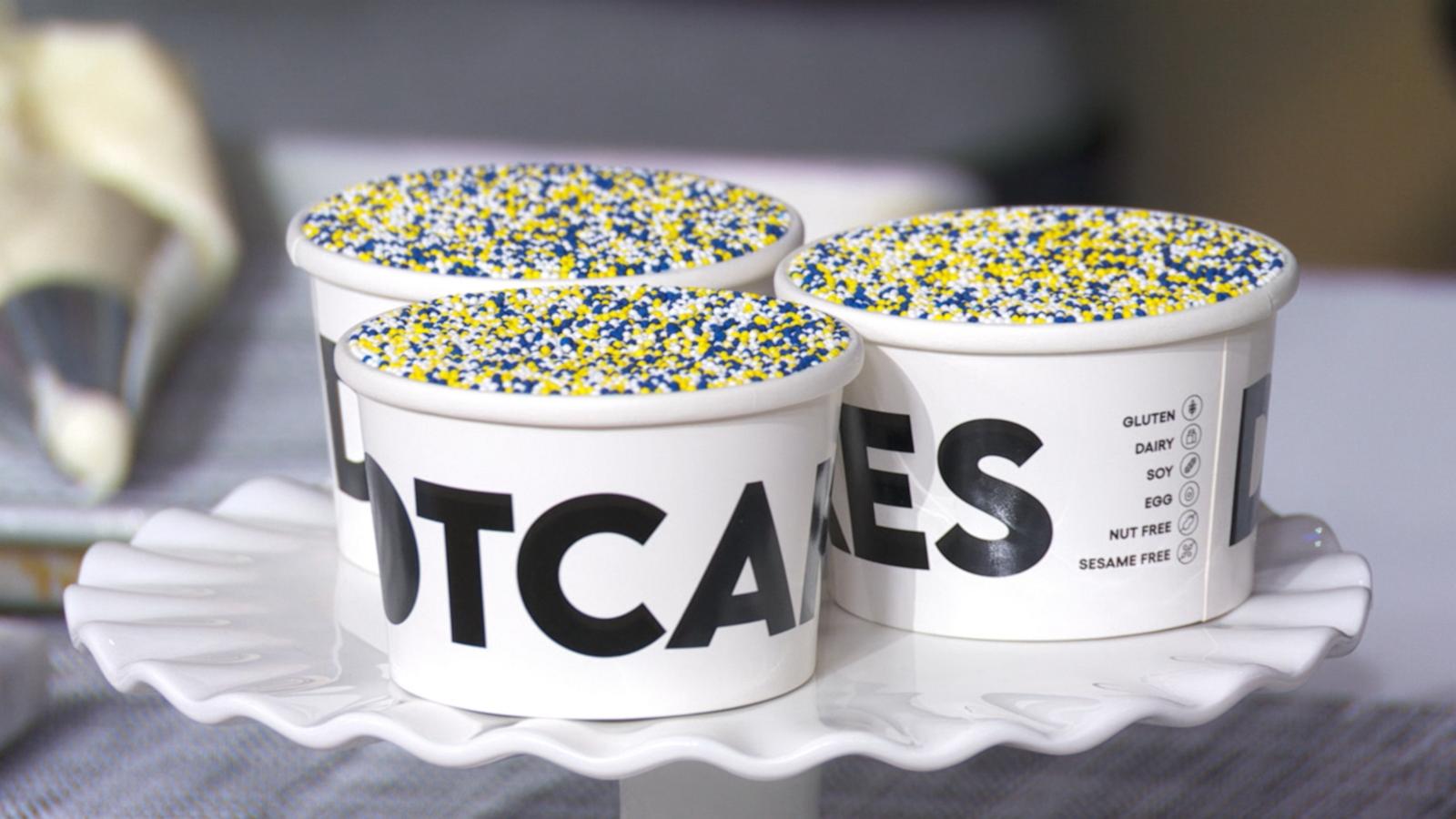
Alex and Sondra Posner are the owners of The Dotcakes bakery. They recently shared tips on how to make their popular treats that have become a viral trend.
Key Facts
The Dotcakes bakery is run by Alex and Sondra Posner.
Their bakery has gained attention because of a viral trend around their treats.
The Posners shared secrets and tips for creating perfect dotcakes.
The article focuses on their experience and advice about making these treats.
Dotcakes have become popular enough to attract media coverage.
Read the Original
Want the full story? Tap a source to open the original
article.