Ferrari has introduced its first fully electric car, called the Luce, which is also its first five-seater model. The car features an electric motor on each wheel and can accelerate to 60 mph in about 2.5 seconds. Ferrari plans to offer this electric vehicle alongside petrol and hybrid cars.
Key Facts
The Ferrari Luce costs $640,000 and is expected to be available later this year.
It is designed in partnership with LoveFrom, a company led by former Apple design chief Jony Ive.
The Luce took five years to develop and uses all Ferrari-made components.
The car’s name, Luce, means “light” in Italian.
Ferrari’s rivals like Lamborghini and Porsche have reduced their electric vehicle plans due to weak demand and competition from Chinese makers.
Ferrari's CEO is Benedetto Vigna, and the company aims to keep repairing the car with its own parts to maintain resale value.
Some social media responses praised the design, while others criticized it for changing Ferrari’s traditional style.
Ferrari has seen a drop in shares over the past year, reflecting lower demand for luxury goods worldwide.
Read the Original
Want the full story? Tap a source to open the original
article.
Australia’s climate change minister, Chris Bowen, has told major polluters like BHP to reduce emissions at their sites. Leaked documents show BHP has delayed and dropped some climate actions, despite previous commitments and government rules requiring cuts in pollution.
Key Facts
Chris Bowen expects big polluting companies, including BHP, to cut emissions directly at their operations.
Leaked documents revealed BHP stopped a major project to cut global emissions and delayed renewable energy projects in Western Australia’s Pilbara region.
BHP also plans to postpone switching diesel trucks and trains to electric power for up to 20 years.
The safeguard mechanism is an Australian policy making about 200 large polluters cut emissions intensity (pollution per unit produced) each year.
Companies can meet targets by cutting pollution onsite or by buying carbon offsets, such as government-approved carbon credits or credits from emitting less than allowed.
The Albanese Labor government improved the safeguard mechanism in 2023 by tightening emission limits for facilities.
Minister Bowen wants all big polluters to reduce emissions onsite, not just buy offsets.
Resources Minister Madeleine King says BHP is meeting its responsibilities and making commercial decisions.
Read the Original
Want the full story? Tap a source to open the original
article.
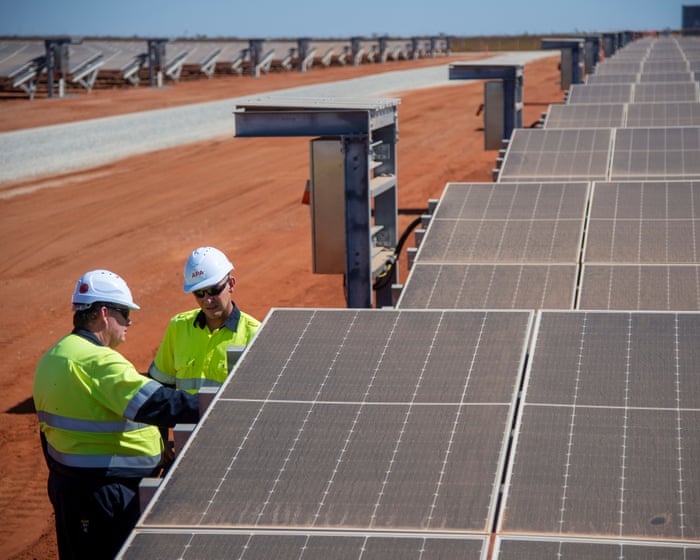
Energy bills for homes and small businesses in parts of eastern Australia will drop by up to 10% starting in July. This is mainly because more renewable energy and battery storage are reducing reliance on coal and gas, which helps lower electricity prices.
Key Facts
Electricity prices will fall by up to 10.7% for households in South Australia, New South Wales, and southeast Queensland.
Small businesses will see even larger drops, up to 20.9%, in their electricity bills.
The Australian Energy Regulator sets a maximum price limit to protect consumers in these states.
New consumer rules from July 1 will stop price hikes during fixed contracts and ban unfair fees.
Renewable energy provided 43% of Australia’s electricity in 2025, up from 39% in 2024.
Australia is third worldwide in large-scale battery capacity, with 2 gigawatts connected to the grid.
Investment in new wind and solar projects dropped by 48% in 2025, raising concerns about future growth.
Home battery installations increased by 260% in 2025, helped by a government program lowering costs.
Read the Original
Want the full story? Tap a source to open the original
article.
The boss of retailer Next, Lord Wolfson, says entry-level jobs in the UK have dropped sharply, with more people applying for fewer positions. He also warns that new rules ending zero-hours contracts will make hiring harder and urges the government to reconsider increases in employer taxes and minimum wages to help create more jobs for young people.
Key Facts
Entry-level job applicants for Next shops nearly doubled from 10 to 19 people per job in two years.
Youth unemployment in the UK is 16.2%, much higher than the general rate of 5%.
A ban on zero-hours contracts starts next year, requiring more predictable work hours.
Lord Wolfson says high employer costs, including National Insurance and wage rises, make hiring harder.
The government says raising the minimum wage helped over 200,000 young workers and provides a £2.5 billion youth employment support package.
Next's physical stores have fewer staff, while its online business grows, using more technology like self-scanning lockers.
Next owns several well-known brands and employs over 30,000 people.
The company expects profits of £1.2 billion this year, with sales up 6.2% in the first quarter.
Read the Original
Want the full story? Tap a source to open the original
article.
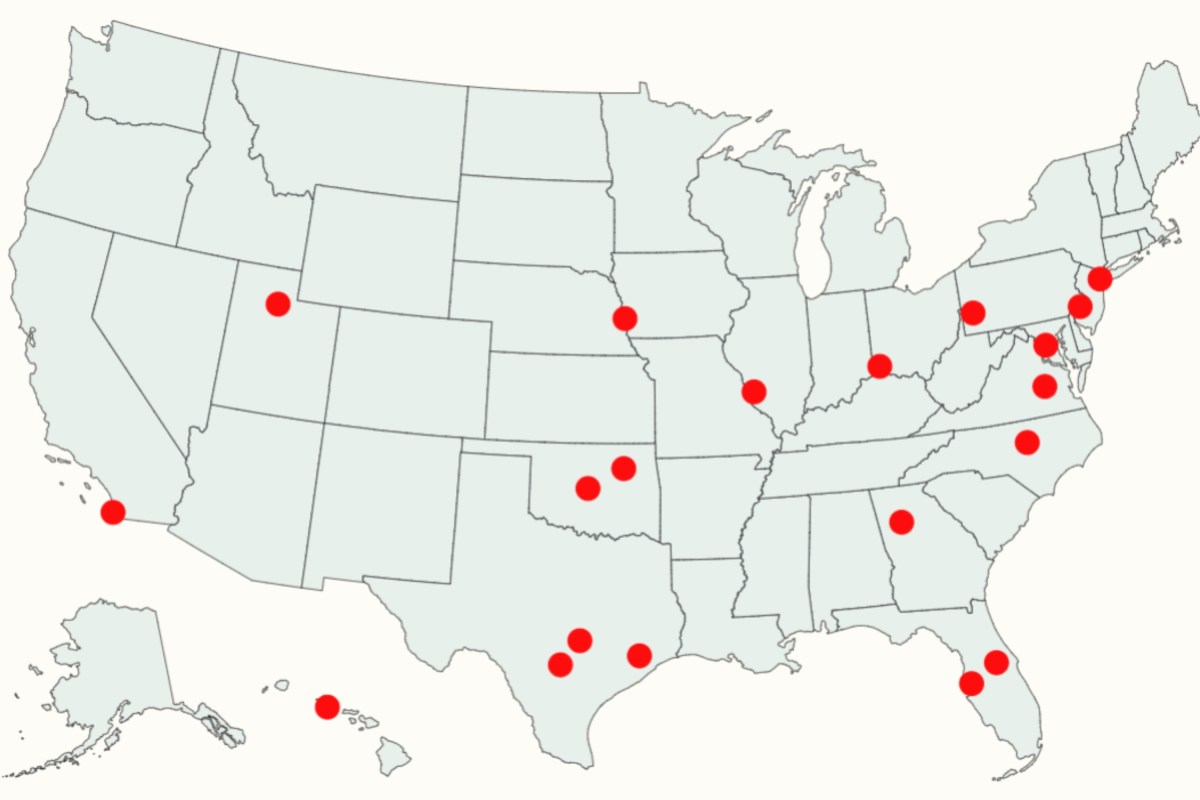
Raaw Energy is recalling dog food products made between July 17, 2025, and December 23, 2025, plus one batch from March 31, 2026, over possible contamination with listeria bacteria. The affected products were sold in several northeastern U.S. states, and the company has stopped production temporarily while investigating the issue.
Key Facts
The recalled dog food may contain Listeria monocytogenes, which can cause illness in humans and pets.
Symptoms of infection in humans include vomiting, diarrhea, fever, and lethargy; severe cases can lead to meningitis, abortion, or death.
Pets may carry the bacteria without showing symptoms and spread it through saliva or feces.
The recalled products come in 2-pound or 5-pound clear tubes sealed with metal clips and frozen boxes containing 5 to 20 tubes.
The recall impacts customers in Connecticut, New Hampshire, New Jersey, New York, Delaware, Massachusetts, Maryland, Pennsylvania, and Virginia.
Not all products were tested, but some tested positive for Listeria by the New Jersey Department of Agriculture.
Production of the dog food was stopped on May 21 to review and fix the contamination problem.
Consumers are advised to stop using, selling, or feeding the recalled dog food and to dispose of it safely.
Read the Original
Want the full story? Tap a source to open the original
article.
Custard apple farming is growing in parts of India due to the fruit’s ability to withstand dry conditions and increasing demand. Farmers and scientists have developed new varieties that last longer, have more edible flesh, and are easier to sell, creating new business and export opportunities.
Key Facts
Custard apple trees can survive with little water, making them suitable for dry areas like Kolar in southern India.
Ashoka Shivareddy revived his family farm in 2018, growing custard apples using scientific methods and producing around 25 tonnes recently.
Traditional custard apple varieties have short shelf life and many seeds, limiting their market appeal.
Scientists at the Indian Institute of Horticulture Research developed a hybrid called Arka Sahan with longer shelf life and more pulp.
The hybrid increases the usable fruit from 30% to about 70%, doubling farmers’ effective yield without extra land.
Researchers are working on ways to keep the custard apple pulp from turning brown quickly after extraction to boost processed food uses.
Maharashtra produces about one-third of India’s custard apples, and farmer Navnath Malhari Kaspate created the high-yield variety NMK-01.
NMK-01 has helped expand exports of custard apples to Gulf countries and Europe for the first time at a large scale.
Read the Original
Want the full story? Tap a source to open the original
article.
France's energy company EDF is about to start taking apart the Fessenheim nuclear power plant. The project will cost €1.4 billion and is expected to take 22 years to complete. The plant, which began operating in 1971, has been closed since 2020 due to safety concerns.
Key Facts
The Fessenheim nuclear plant is located on the border between France and Germany.
It has two reactors and is the oldest nuclear facility in France.
The plant operated for 43 years before shutting down in 2020.
Safety problems were a main reason for closing the plant.
EDF, France’s main electricity company, will handle the dismantling.
The decommissioning project costs about €1.4 billion.
The process is expected to last 22 years.
The project includes carefully taking apart and disposing of the nuclear equipment.
Read the Original
Want the full story? Tap a source to open the original
article.
WiseTech, an Australian software company, plans to cut about 190 jobs due to advances in artificial intelligence (AI). Meanwhile, Australia’s renewable energy sector reached nearly half of the nation’s power supply in 2025, but investment in new wind and solar projects dropped sharply, raising concerns about future growth.
Key Facts
WiseTech is notifying around 190 employees about possible job cuts linked to AI advancements.
These cuts are part of a larger plan to remove 2,000 roles across the company.
WiseTech’s founder mentioned personal attacks and threats during the restructuring process; one threat is under police investigation.
A two-week consultation will be held with affected employees to discuss the changes.
Renewable energy provided 43% of Australia’s electricity in 2025, up from 39% in 2024.
Australia is the third-largest country in the world for large-scale battery capacity, with 2 gigawatts connected to the grid—a 233% increase from the previous year.
Investment in new wind and solar projects fell by 48% in 2025, with wind project funding especially declining.
Industry leaders warn this reduction in investment could slow Australia’s energy transition away from coal power.
Read the Original
Want the full story? Tap a source to open the original
article.
Toshifumi Suzuki, a Japanese businessman known for building the 7-Eleven convenience store chain into a global retail empire, has died at the age of 93. He passed away on May 18 from heart failure at his home in Tokyo.
Key Facts
Toshifumi Suzuki was a Japanese businessman.
He played a key role in growing 7-Eleven into a worldwide convenience store chain.
Suzuki was an honorary adviser at Seven & i Holdings, the company that owns 7-Eleven.
He died on May 18.
The cause of death was heart failure.
He died at his home in Tokyo.
Suzuki was 93 years old when he died.
Read the Original
Want the full story? Tap a source to open the original
article.
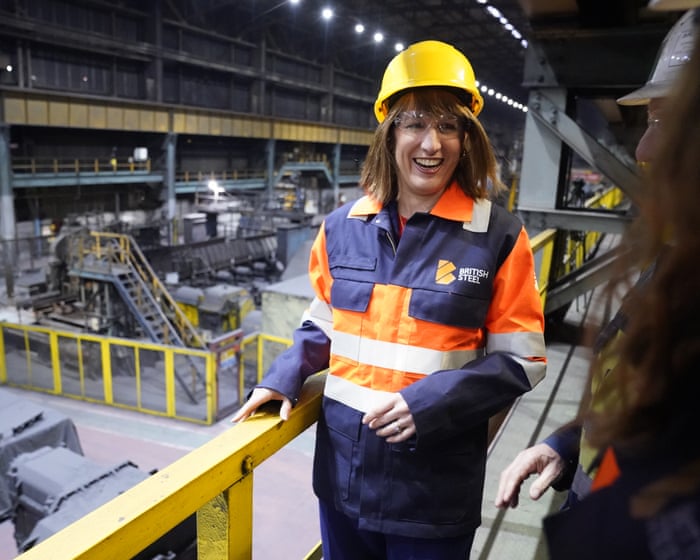
Chancellor Rachel Reeves has told government ministers to prioritize awarding contracts to British companies in four main industries: shipbuilding, steel, energy, and artificial intelligence. She expressed disappointment that many contracts are currently going to foreign firms and said officials will now oversee contract decisions to ensure more support for UK businesses.
Key Facts
Rachel Reeves sent a letter to all cabinet ministers instructing them to “buy British” when awarding government contracts.
The focus is on four industries: shipbuilding, steel-making, energy, and artificial intelligence.
The Treasury and Cabinet Office will monitor and can override contract decisions by ministers.
Reeves is unhappy about recent contracts given to foreign companies, including a £200 million navy support vessel contract to a Dutch firm and a £9 million ship refit to a Danish shipyard.
A £1.9 billion contract to upgrade the Faslane nuclear submarine shipyard might also be awarded abroad.
Some contracts, like parts for an offshore windfarm, could involve Chinese suppliers.
British unions oppose awarding contracts to foreign companies, citing impact on UK jobs.
Some government officials argue competitive bidding gets the best prices for taxpayers.
Read the Original
Want the full story? Tap a source to open the original
article.
A small beach hut in Abersoch, Wales, is being sold for the same price as a typical three-bedroom house. This highlights how property prices in some popular areas can be very high, even for small or simple buildings.
Key Facts
The beach hut is located in Abersoch, Wales.
It is being sold at a price equal to that of a three-bedroom house.
Beach huts are usually small buildings near the beach used for storage or changing.
Three-bedroom houses are considered standard family homes.
The high price shows rising property costs in popular holiday or coastal areas.
The market for beach huts can be very strong and expensive compared to normal homes.
This story reflects trends in the local housing and holiday property market.
Read the Original
Want the full story? Tap a source to open the original
article.
Inflation has risen to its highest point in three years, causing mortgage interest rates to increase from around 5% to about 6.6%. Experts expect mortgage rates to stay high or possibly rise further in 2024, partly due to inflation driven by factors like the conflict in Iran and Federal Reserve policies.
Key Facts
Inflation is currently at its highest level in three years.
Mortgage rates have increased from the high 5% range to around 6.62%.
Rising inflation causes investors to sell mortgage bonds, which pushes mortgage rates up.
The war in Iran is contributing to inflation and rising mortgage rates.
Experts predict mortgage rates will stay in the mid-to-upper 6% range this year, possibly hitting 7%.
The Federal Reserve has not cut interest rates in 2026 and may raise them by the end of the year.
Higher mortgage rates and inflation make housing less affordable by increasing home prices and insurance costs.
Inflation reduces buyers' purchasing power by increasing costs faster than wages, especially affecting lower-income borrowers.
Read the Original
Want the full story? Tap a source to open the original
article.
Car prices in the U.S. are rising due to inflation and consumers buying bigger vehicles. The average new car costs nearly $50,000, and many buyers are taking longer loans to afford monthly payments around $773.
Key Facts
The average new car price in March was nearly $50,000, up 3.5% from last year.
New car prices have increased 30% since 2019.
The average used car cost $25,390 in March.
Inflation reached 3.8% in April, pushing costs higher.
Bigger vehicles are more popular and cost more than smaller cars.
Average auto loan interest rates are about 7%.
One in four buyers finance their car for seven years to lower monthly payments.
Experts advise not to spend more than half a car's value on repairs.
Leasing a car means you don't own it, while buying means ownership after loan payments end.
Shoppers should research online, compare dealerships, and be ready to walk away to get better deals.
Read the Original
Want the full story? Tap a source to open the original
article.
A report by WalletHub has ranked the best summer travel spots in the U.S. for 2026, based on costs, attractions, weather, and safety. Atlanta, Orlando, and Austin are the top three destinations because of affordable travel options and many things to do.
Key Facts
WalletHub compared 100 large U.S. metro areas to find the best summer travel destinations.
The rankings used six categories: travel costs and hassles, local costs, attractions, weather, activities, and safety.
Atlanta ranked first due to low-cost flights and a variety of attractions like spas, shopping, and dessert spots.
Orlando came second with major theme parks, nonstop flights, and low hotel prices.
Austin was third, noted for affordable restaurants, cultural events, outdoor trails, and a lower cost of living.
The study analyzed 41 different factors, scored on a scale up to 100.
Data was gathered from official sources like the Census Bureau, FBI, and travel websites.
The airfare data reflected a typical 10-day trip during peak summer travel season.
Read the Original
Want the full story? Tap a source to open the original
article.
Krispy Kreme agreed to pay $1.6 million to settle a lawsuit after a data breach in November 2024 exposed customers' sensitive information. People affected by the breach can claim money by June 26, 2025, with payouts ranging from $75 to $3,500 depending on documentation of losses.
Key Facts
The data breach occurred on November 29, 2024, exposing names, birth dates, social security numbers, and financial details.
Krispy Kreme denies any wrongdoing but settled the case for $1.6 million.
U.S. residents who got notice that their data was exposed are eligible to apply for a payout.
People without proof of loss can get $75; those who prove fraud or identity theft losses can receive up to $3,500.
The deadline to file a claim is June 26, 2025.
The last day to object to or opt out of the settlement is June 6, 2025.
Other recent settlements include cases involving Blue Cross Blue Shield, Apple iPhone marketing, and Capital One 360 Savings accounts.
Some settlements require past filing deadlines; others need proof of purchase or account ownership.
Read the Original
Want the full story? Tap a source to open the original
article.
Many young Americans are finding it hard to buy homes due to rising prices and high borrowing costs. As a result, they are considering investing in cryptocurrencies as an alternative way to build wealth, even though it comes with risks compared to owning property.
Key Facts
Home prices in the U.S. have increased by about 130% over the past 30 years.
Young people under 40 often cannot afford the down payment needed to buy a home in major cities.
Many young adults see Bitcoin and other cryptocurrencies as investments they can buy in small amounts, unlike costly real estate.
Real estate has been a stable way to build wealth, with homeowners gaining equity worth about three years of income over the last decade.
Older generations like baby boomers and Gen Xers own most homes and have gained the most from rising home prices.
Baby boomers make up 42% of homebuyers, compared to 26% for millennials and 4% for Gen Zers.
Buying a home by age 30 can lead to 22.5% more wealth by age 50 compared to buying later.
Young Americans face a difficult choice between investing in volatile crypto markets or saving for expensive homes.
Read the Original
Want the full story? Tap a source to open the original
article.
Hotel prices in the United States are rising because more people want to travel. Experts say the hotel industry is not able to build enough new hotels quickly to meet this growing demand.
Key Facts
Travel demand in the U.S. is increasing.
Hotel rates are going up as a result.
The hotel industry cannot build new hotels fast enough.
Limited hotel supply is causing prices to rise.
This trend is affecting hotel costs nationwide.
Read the Original
Want the full story? Tap a source to open the original
article.
CBS Mornings Deals offers special discounts on various products to help people prepare for summer. Customers can visit cbsdeals.com to find these exclusive offers, and CBS earns a commission from purchases made through this site.
Key Facts
CBS Mornings Deals features products with discounted prices.
The deals focus on items useful for the summer season.
Shoppers can access these discounts at cbsdeals.com.
CBS earns commissions from sales made through its deal website.
The promotion is part of CBS News programming.
Read the Original
Want the full story? Tap a source to open the original
article.
The travel company Tui is facing questions about safety after a British baby died from an E. coli infection at a hotel in Egypt, where other children had also gotten very sick with the same illness before. The baby, Ariella Mann, fell ill during a holiday booked through Tui and later died from a rare kidney condition caused by E. coli. Tui and other travel companies still offer holidays to that same hotel.
Key Facts
A one-year-old British girl, Ariella Mann, died from a kidney illness linked to E. coli after staying at the Jaz Makadi Aquaviva hotel in Egypt on a holiday booked through Tui.
Ariella developed symptoms like fever, diarrhea, and vomiting while on the trip and was treated at the hotel before her condition worsened in the UK, leading to her death.
Two other children previously became critically ill with the same illness at the same hotel: a six-year-old boy in 2025 and a two-year-old girl in 2024.
All three children were diagnosed with haemolytic uraemic syndrome (HUS), a rare kidney condition caused by E. coli infection that can lead to kidney failure and brain damage.
Ariella’s parents said they were not informed about previous E. coli cases linked to the hotel before booking the holiday.
The family spent thousands on medical treatment and emergency care both in Egypt and after returning home.
Despite the illnesses, Tui and other tour operators, like Thomas Cook and easyJet Holidays, continue to advertise holidays to the same hotel.
The cases raise concerns about the safety checks and health standards at the hotel and how much information travel companies share with customers.
Read the Original
Want the full story? Tap a source to open the original
article.
The article shares advice on how to save money when buying a car in a difficult market. It provides practical tips to help buyers get better deals and avoid common pitfalls.
Key Facts
The car market is currently challenging for buyers.
Money-saving strategies can help buyers spend less.
Expert Jill Schlesinger gives advice on car buying.
Tips include how to negotiate and what to look for in a deal.
Understanding market conditions can lead to better purchases.
The article aims to guide buyers through the buying process.
Smart buying can help avoid overpaying for a vehicle.
The advice is meant for anyone planning to buy a car soon.
Read the Original
Want the full story? Tap a source to open the original
article.