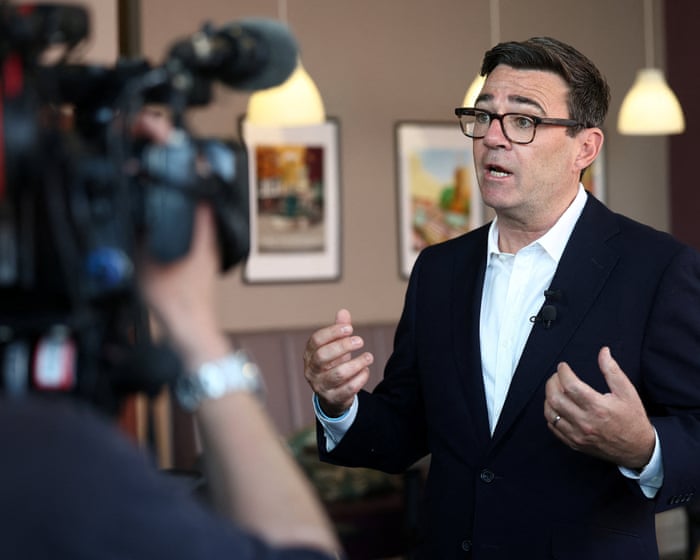
UK Prime Minister Andy Burnham said the country needs a change in how business is done. He plans to meet with leaders of major companies to discuss supporting risk-taking and giving local leaders more power to work with businesses.
Key Facts
PM Burnham will meet CEOs of major UK companies, including BP, Shell, HSBC, Morrisons, and Rolls-Royce.
He wants the government to back businesses that take risks and give local leaders tools to support growth.
The government aims to be a partner for growth to improve all parts of Britain.
UK borrowing costs are high, making it harder for the government to spend on business support.
Recent UK economic growth was partly due to investment in artificial intelligence (AI).
Rising oil and energy prices, due to global conflicts, are increasing costs for households and businesses.
High inflation risks and potential interest rate increases add pressure on the UK economy.
Some critics say Labour’s business taxes and regulations have harmed investment and job growth.
Read the Original
Want the full story? Tap a source to open the original
article.
Prime Minister Andy Burnham will host business leaders, entrepreneurs, and local mayors at Downing Street to promote his government as a supporter of business growth in the UK. He emphasized reindustrializing Britain by supporting those who create jobs and innovate, while Chancellor John Healey prepares for a challenging budget focused on economic growth and managing public spending.
Key Facts
Andy Burnham will hold meetings with entrepreneurs and mayors at No 10 Downing Street on Monday.
The event aims to present the government as a partner for business growth and investment.
Participants include leaders from companies like Octopus Energy, Revolut, HSBC, BP, Rolls-Royce, and others.
Burnham wants to “reindustrialize” Britain by making it easier to start and grow businesses and rewarding ambition.
Chancellor John Healey faces challenges with rising borrowing costs and economic uncertainty from global issues like the Iran war.
UK economy grew by 0.4% in July, helped by AI and cloud computing, but growth may be slowing due to higher energy costs.
Labour’s fiscal rules require that government spending be covered by taxes, with no increase in income tax, national insurance, or VAT planned.
Healey plans to give more power and resources to local leaders and use public investment to attract private money.
Read the Original
Want the full story? Tap a source to open the original
article.
Maine’s lobster industry is facing serious challenges due to a trade dispute with Canada, higher fuel costs from conflicts abroad, and political disagreements in Congress. These problems are making it harder and more expensive for lobster fishermen to operate.
Key Facts
The lobster industry in Maine is important to local economy and culture.
Trade issues with Canada have created difficulties in selling lobsters.
Rising diesel fuel prices, partly caused by tensions with Iran, increase fishing costs.
Warmer ocean waters force fishermen to travel farther to catch lobsters.
Political disputes in the U.S. Congress add uncertainty for the industry.
These combined pressures threaten the sustainability of Maine’s lobster business.
Lobstermen are dealing with both economic and environmental challenges at the same time.
Read the Original
Want the full story? Tap a source to open the original
article.
Eleven-year-old Brooke Sumpter has become the first child to design and show a collection of clothes for American Girl dolls. She learned to sew when she was four years old and now leads a group creating fashion for these popular dolls.
Key Facts
Brooke Sumpter is 11 years old.
She started learning to sew at age four.
Brooke is the first child to design a fashion collection for American Girl dolls.
She has created a group, or collective, focused on doll fashion.
American Girl dolls are well-known, collectible dolls in the U.S.
Brooke’s accomplishments represent a milestone in doll-related fashion design.
The news highlights a young person’s early success in fashion and entrepreneurship.
Read the Original
Want the full story? Tap a source to open the original
article.
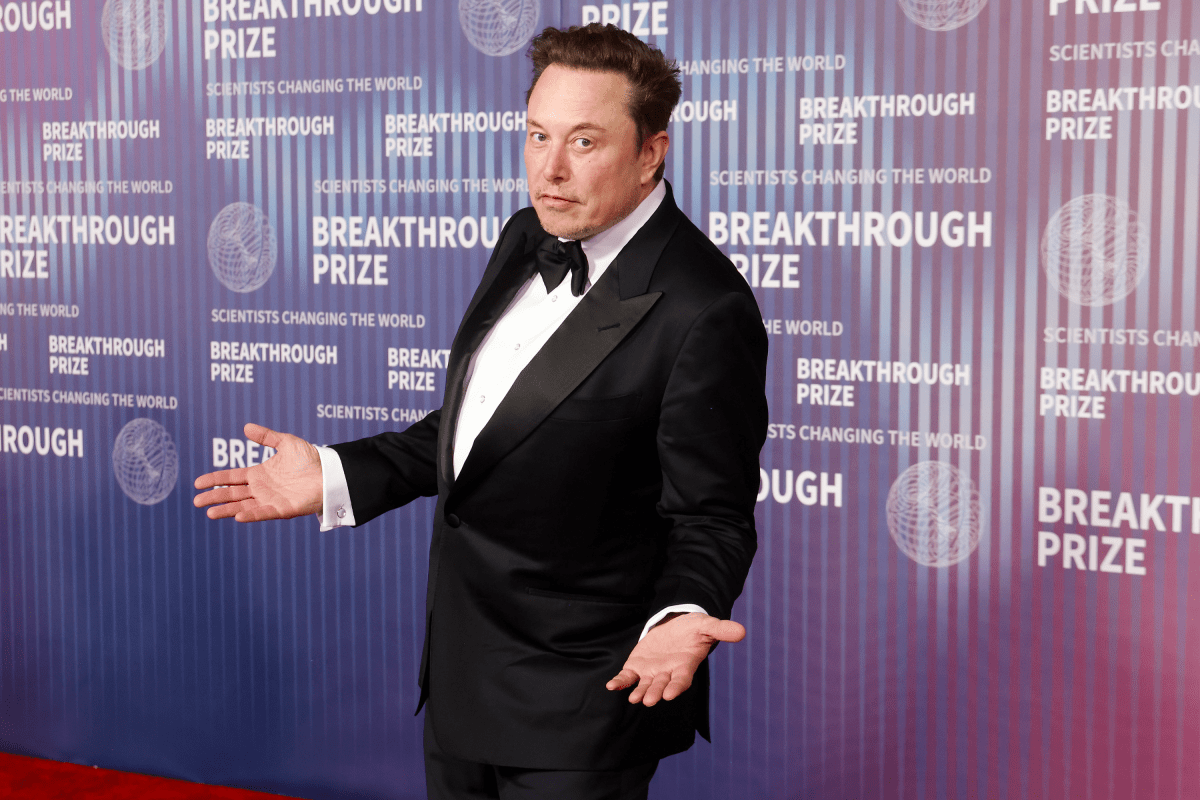
Elon Musk responded to Jennifer Welch's claim that he is "the biggest deadbeat dad on the globe" by stating he has provided more for his children than anyone else. The dispute involves personal attacks and public discussions about Musk’s role as a father alongside his business and political activities.
Key Facts
Jennifer Welch called Elon Musk a "deadbeat dad" during a podcast about family values and politics.
Musk denied the claim, saying he has provided the most for his children financially.
The exchange included personal insults between Musk and Welch on social media.
Musk has at least 14 children with four different women.
Welch previously criticized Musk on topics like government contracts, taxes, and political influence.
Musk’s family conflicts, including with his transgender daughter Vivian Jenna Wilson, have been publicly discussed.
Influencer Ashley St. Clair accused Musk of trying to keep their relationship and child private.
The debate highlights the difference between financial support and active parenting.
Read the Original
Want the full story? Tap a source to open the original
article.
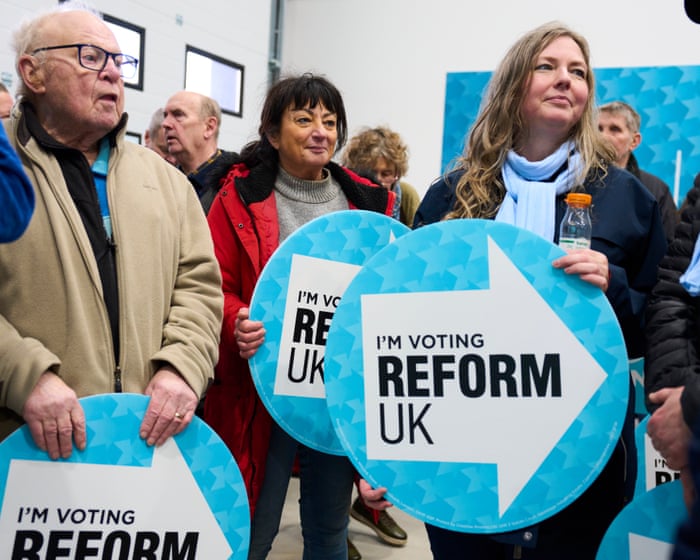
The Reform political party has received large donations totaling £72 million from two crypto billionaires, Ben Delo and Christopher Harborne. The party faces multiple police investigations about possible financial wrongdoing, but its representatives say the donations are legal and transparent.
Key Facts
Reform received two big donations totaling £72 million from crypto billionaires.
Nigel Farage, associated with Reform, benefits from party funds for expenses like security.
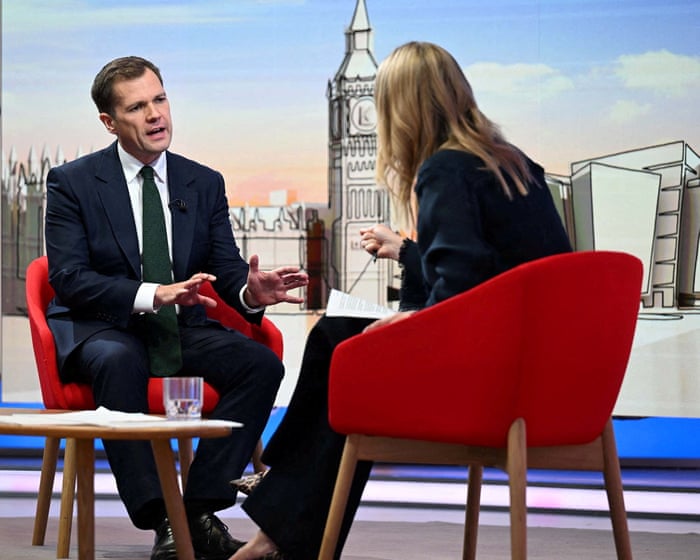
Robert Jenrick, a former Tory minister, defended Reform’s handling of these donations.
Jenrick was previously involved in a controversial tax decision benefiting a Tory donor.
Reform is under investigation by police for possible financial problems with its funding.
The party has a reputation for questionable financial practices involving donations.
Donors requested some relaxation of crypto currency laws, but no direct political favors like peerages.
One donor, Ben Delo, was previously convicted in the US for anti-money laundering violations but later pardoned by President Trump.
Read the Original
Want the full story? Tap a source to open the original
article.
Reform UK recently received donations totaling £72 million from billionaires Christopher Harborne and Ben Delo. The party plans to use this money mainly for hiring local organisers, improving voter-targeting tools, and running advertising campaigns ahead of the next election.
Key Facts
Reform UK got £72 million in donations from two billionaire donors over one weekend.
Nigel Farage previously said a £5 million donation was unconditional and could be spent freely.
Most funds will go to hiring local organisers, with a focus on key areas where the party has a chance to win seats.
The party is investing in door-to-door canvassing to improve the quality of voter data for its software tools.
Reform UK plans to increase direct mail campaigns outside election periods, which are not limited by spending rules.
The party will also spend heavily on social media advertising, including YouTube and Facebook ads targeted locally.
The donations could help Reform UK hire experts for policy development and legal support costing around £25 million.
Money will also improve candidate vetting and fund legal challenges to government policies.
Read the Original
Want the full story? Tap a source to open the original
article.
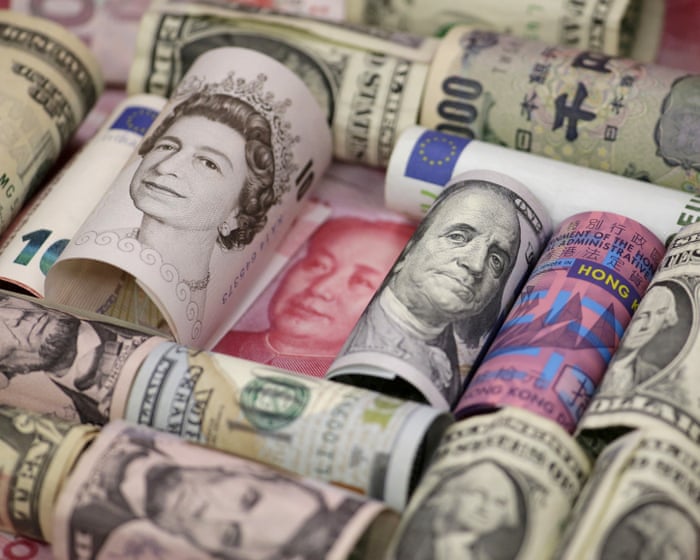
The Japanese yen, which had been getting weaker for years, has recently started to get stronger because Japan and the United States stepped in to support it. This change might make trips to Japan more expensive for Australian tourists, who have enjoyed budget-friendly travel there due to the weaker yen and a stronger Australian dollar.
Key Facts
The yen’s long decline has helped make Japan a popular, affordable destination for Australians.
About 1 million Australians visited Japan in 2025-26, three times more than ten years ago.
The Australian dollar increased by over 30% in value against the yen after the pandemic.
Japan and the US have intervened in the currency market to support the yen.
The “carry trade” strategy, where investors borrow yen to invest in higher-yielding currencies, has pressured the yen to weaken.
The yen recently reached its highest value against the US and Australian dollars in six months.
If the yen strengthens further, it could make Japan less affordable for tourists.
Other Asian countries like Vietnam and China are becoming attractive alternatives for Australian travelers.
Read the Original
Want the full story? Tap a source to open the original
article.
The trade conflict between the U.S. and Canada could cause economic problems and may also weaken the partnership between North American countries. Additionally, this situation happens as NATO faces more challenges.
Key Facts
The U.S. and Canada are experiencing a trade dispute.
This conflict may harm the economy in both countries.
The long-standing alliance between North American countries could become weaker.
NATO, a military alliance of many countries including the U.S., is also facing difficulties.
The combined pressure on these alliances raises concern about global cooperation.
Read the Original
Want the full story? Tap a source to open the original
article.
Morton, Illinois, is known as the pumpkin capital of the world. It hosts an annual Pumpkin Festival and is home to the Libby's factory, which produces about 85 percent of the canned pumpkin sold globally.
Key Facts
Morton is called the pumpkin capital of the world.
The town holds an annual Pumpkin Festival.
Libby's factory in Morton makes 85% of the world's canned pumpkin.
Pumpkin production is a major part of Morton's local economy.
Orange is a common color there because of the pumpkin industry.
The festival and industry attract visitors and attention to the town.
CBS News correspondent Nancy Giles reported from Morton to highlight these facts.
Read the Original
Want the full story? Tap a source to open the original
article.
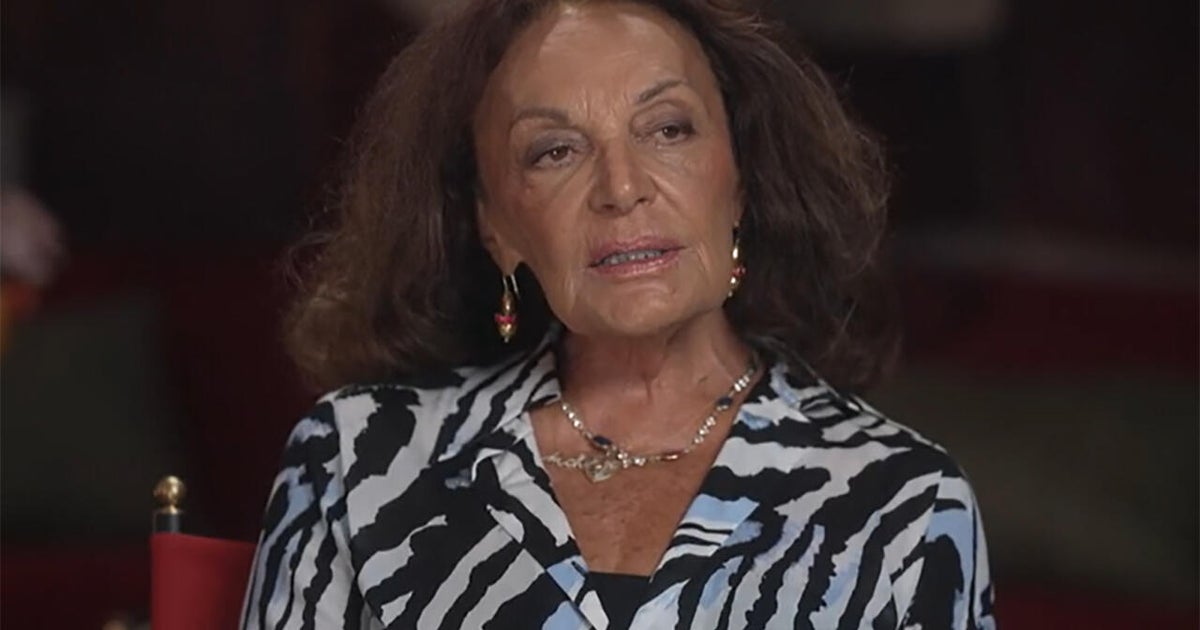
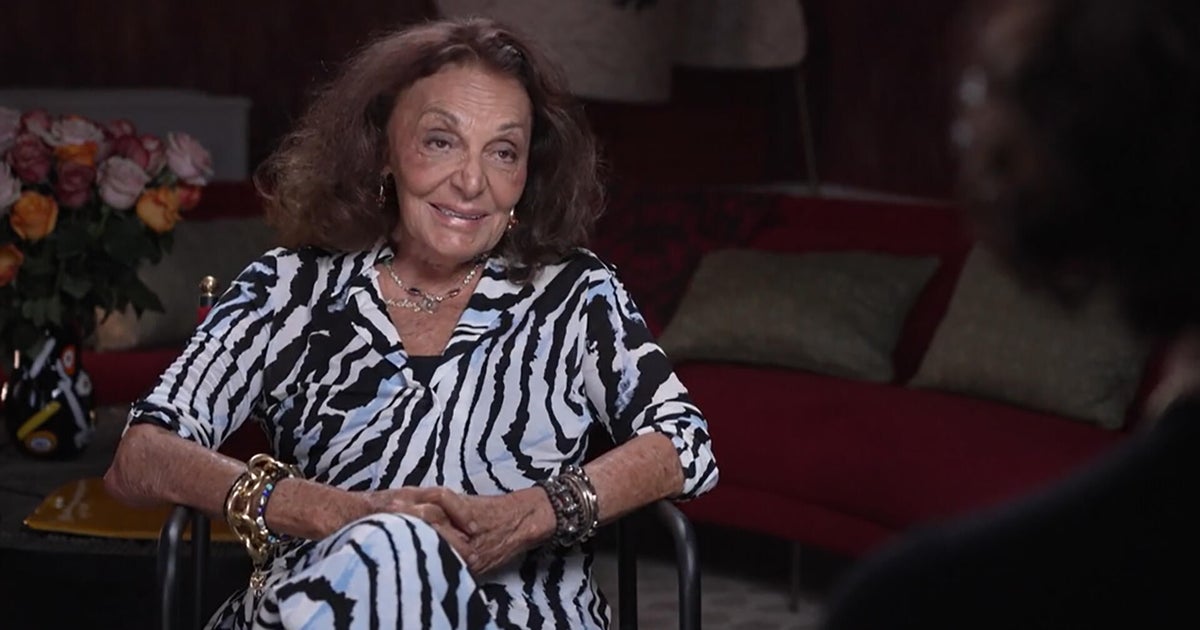
Diane von Furstenberg is a famous fashion designer known for creating the wrap dress in 1974, which became very popular and helped make her a leading name in fashion. She has lived part-time in Venice, Italy, and shared insights about her career, personal life, and the challenges and successes of her fashion brand.
Key Facts
Diane von Furstenberg created the wrap dress in 1974, inspired by ballerina tops and a skirt design she saw on Julie Eisenhower.
The wrap dress sold a million copies by 1976 and made von Furstenberg famous worldwide.
She was born in Brussels, Belgium, in 1946; her mother was a Holocaust survivor.
Diane married Prince Ëgon von Furstenberg and later remarried media mogul Barry Diller.
Diller revealed in a memoir that he is attracted to men but remains in love with Diane.
Diane has spoken openly about her past relationships and experiences with love and sexual fluidity.
She spends about five months each year in Venice, calling it her creative stage.
Despite ups and downs in the fashion business, her brand continues to survive and remain influential.
Read the Original
Want the full story? Tap a source to open the original
article.
Diane von Furstenberg, a fashion designer, speaks about the history and impact of her wrap dress. She also shares lessons from her mother, who survived the Holocaust, and talks about her annual DVF Awards that honor accomplished women.
Key Facts
Diane von Furstenberg is a fashion designer known for creating the wrap dress.
The wrap dress has a significant origin and legacy in fashion.
Von Furstenberg’s mother was a Holocaust survivor, and this influenced her life lessons.
She holds annual DVF Awards to celebrate women who achieve great things.
The DVF Awards have been held for 17 years.
The interview was conducted by CBS News correspondent Alina Cho.
The full interview is available as a web exclusive on CBS News platforms.
Read the Original
Want the full story? Tap a source to open the original
article.
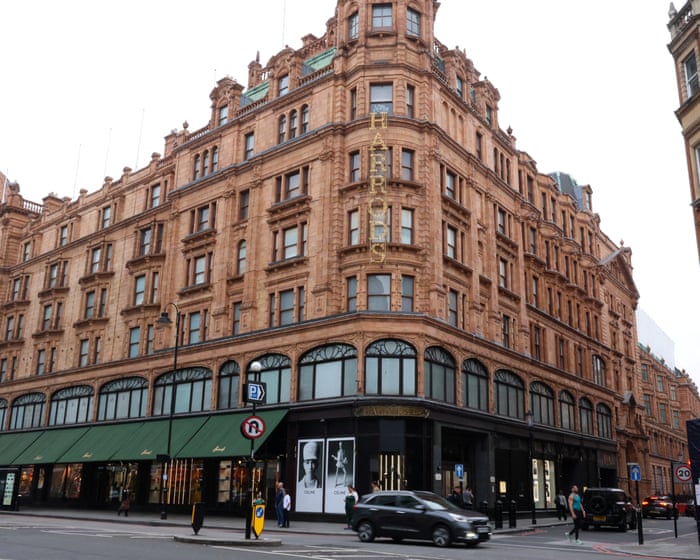
A law firm says that compensation claims from 275 women who say they were sexually abused by Mohamed Al Fayed, the late owner of Harrods, could total £100 million to £150 million. Harrods and Fayed’s estate might have to pay more than £200 million combined, much more than the stores' current £51.8 million fund for abuse claims.
Key Facts
275 survivors have made compensation claims against Mohamed Al Fayed.
The law firm KP Law represents more than half of these survivors.
Total claims could be between £100 million and £150 million.
Harrods and Fayed’s estate together may face bills exceeding £200 million.
Harrods set aside £57 million for abuse payouts but has only paid out £4.1 million so far.
The average payment survivors received through Harrods’ scheme is estimated at about £82,000.
Survivors say the Harrods compensation scheme underestimates the impact on their lives and careers.
More than 400 allegations have been made, including rape, sexual assault, and human trafficking.
The law firm’s settlement negotiations with Harrods and the estate stopped recently due to changes in estate executors.
Read the Original
Want the full story? Tap a source to open the original
article.
Whole Foods Market recalled Cabricharme cheese in seven states because it contains egg lysozyme, an ingredient not listed on the label that can cause allergic reactions for people with egg allergies. The cheese was sold in specialty cheese departments, and customers are advised to throw it away and get a full refund if they bought it.
Key Facts
The recalled product is Cabricharme cheese, a soft Belgian goat cheese.
It was sold in Arizona, California, Connecticut, Massachusetts, New Jersey, New York, and Rhode Island.
The cheese contains undeclared egg lysozyme, which is an egg white protein.
People with egg allergies could have serious or life-threatening reactions if they eat this cheese.
The recall applies to cheese with best-by dates up to October 7, 2026.
Customers with a receipt can get a full refund but do not need to return the cheese.
Whole Foods discovered the issue after a store worker noticed it and removed the product.
No illnesses related to this recall have been reported so far.
Read the Original
Want the full story? Tap a source to open the original
article.
Central bankers in the US, Japan, and the UK are meeting this week to decide on interest rate changes due to rising inflation and oil prices. Investors are especially watching the US Federal Reserve chair, Kevin Warsh, who may raise rates despite President Donald Trump’s calls for lower rates.
Key Facts
Central banks in the US, Japan, and the UK are meeting to set interest rates amid rising inflation.
US Federal Reserve chair Kevin Warsh was chosen by President Donald Trump, who wants lower interest rates.
Oil prices rose above $100 a barrel due to Middle East tensions affecting supply routes.
Higher energy prices may increase inflation in the US, which has been above the Fed’s 2% goal for over five years.
The Bank of England is expected to keep rates at 3.75%, though some members want a rate increase.
The Bank of Japan is likely to raise interest rates to 1.25%, the highest in over 30 years.
Rising interest rates help control inflation by making borrowing more expensive, which can slow down spending.
US Treasury officials support higher rates and have intervened to support the Japanese yen amid currency changes.
Read the Original
Want the full story? Tap a source to open the original
article.
Americans face higher costs as borrowing rates rise due to long-term government debt and recent inflation from energy price increases. The U.S. government is spending much more than it collects in taxes, pushing interest rates and borrowing costs higher.
Key Facts
Interest rates on 10-year U.S. Treasury bonds rose to 4.97%, near the highest level since 2007.
The average interest rate for a 30-year fixed mortgage hit 7.08%, the highest in over a year.
Consumer prices increased sharply in August, largely driven by gasoline prices, which average $4.29 per gallon.
Diesel fuel prices also rose, exceeding $6 per gallon nationally.
The Federal Reserve is expected to raise its target interest rate soon to address inflation.
The U.S. government spends about $2 trillion more annually than it collects in taxes, doubling the national debt relative to GDP.
The government already pays around $1 trillion yearly in interest on its debt, expected to double over the next decade.
President Trump has proposed $5,000 payments to adult citizens if Republicans win upcoming elections, despite rising debt concerns.
Read the Original
Want the full story? Tap a source to open the original
article.
The article argues that in addition to technical skills and ethics, professionals should also learn etiquette—rules about polite and respectful behavior at work. As workplaces become more diverse, knowing how to interact well with people of different backgrounds helps create better work environments and improves productivity.
Key Facts
Many professionals, like accountants and lawyers, must take continuing education courses to keep their licenses.
Some programs teach ethics, but etiquette training is also important and often missing.
Etiquette means polite behavior like being on time, saying thank you, and respecting differences.
A venture capital firm offers "etiquette finishing school" for startup founders to learn dressing and social skills.
Etiquette includes respecting others' cultures, religions, political views, and different generations at work.
Good etiquette helps managers and workers cooperate better in diverse workplaces.
The author suggests adding etiquette lessons to professional education requirements.
Etiquette training is seen as a way to reduce conflict and improve teamwork and productivity.
Read the Original
Want the full story? Tap a source to open the original
article.
George Osborne said that the UK economy has worsened since Brexit and that rejoining the European Union’s customs union would help improve trade quickly. He believes closer ties with the EU are important for economic recovery even though rejoining would be difficult.
Key Facts
George Osborne is a former UK Chancellor and was part of the government during the Brexit referendum.
Osborne said Brexit has seriously hurt the UK economy, making the country poorer than it would be otherwise.
He suggests that the UK should rejoin the EU customs union to improve trade with Europe.
The customs union allows countries to trade goods without extra taxes or checks between them.
Osborne said leaving the customs union was not discussed fully during the Brexit debate.
He mentioned that promised trade deals with countries like the USA have not worked out as expected.
Rejoining the customs union is simpler than rejoining the EU single market because it does not require accepting free movement of people.
Osborne believes reviving trade and investment from Europe is necessary for the UK’s economic growth.
Read the Original
Want the full story? Tap a source to open the original
article.
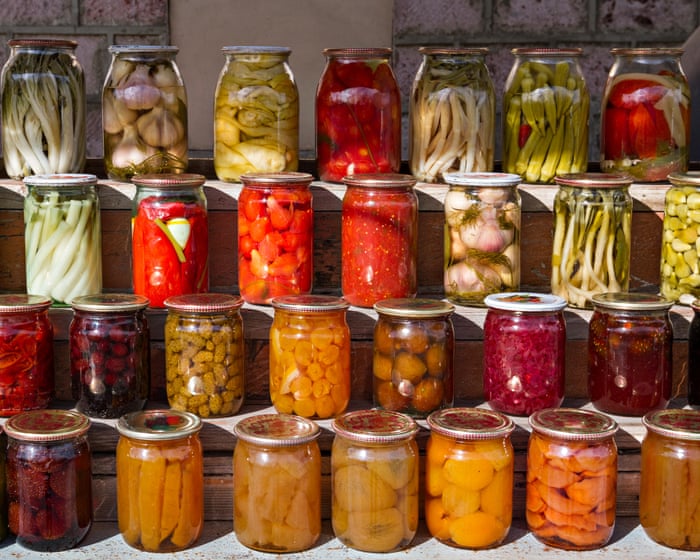
Pickled onions and other pickled foods are becoming more popular in the UK, with more people buying and eating them. This trend is part of a bigger rise in interest in pickles and fermented foods, driven by taste preferences, health awareness, and new products in stores and restaurants.
Key Facts
About 8.5 million UK households bought pickled onions in the past year.
Sales of pickled onions grew 12% in the 12 weeks to early August, more than the 4% growth of overall grocery sales.
Pickles are now used as main ingredients, not just side dishes, with Michelin-star chefs including them in recipes.
London is hosting its first major festival dedicated to pickling and fermentation, called the Big Brine.
Some pickled and fermented foods like raw organic ginger and lemon sauerkraut saw sales increase by over 300%.
New pickle brands and products are appearing in supermarkets and meal deals, offering more variety.
Pickle Project uses new technology to create innovative pickles and has grown quickly over nine months.
Goat Rodeo Goods saw an 11-fold increase in sales recently, reflecting a trend where people seek small luxuries even when spending less on groceries.
Read the Original
Want the full story? Tap a source to open the original
article.
The UK is facing tough economic conditions partly due to global factors linked to actions by President Donald Trump, such as US tariffs and fiscal policies. Chancellor John Healey must manage these challenges while preparing for the autumn budget amid rising inflation, high oil prices, and financial market instability.
Key Facts
The UK economy struggles with rising costs and high government borrowing influenced by global events.
President Trump’s tariff policies have hurt UK industries like Jaguar Land Rover, which announced 4,000 job cuts.
The US-Israel war on Iran has caused oil prices to increase dramatically, pushing inflation higher worldwide.
Financial market turmoil has increased the cost of government debt for many countries, including the UK.
Trump’s fiscal policies and threats toward the US Federal Reserve have added uncertainty to global markets.
UK government bond yields rose to nearly 5.4%, the highest in almost 20 years, increasing borrowing costs.
The Office for Budget Responsibility may use current volatile market data to set limits for Healey’s spending and tax plans.
Despite challenges, the UK economy showed unexpected growth in July, partly due to the rapid expansion of AI technology.
Read the Original
Want the full story? Tap a source to open the original
article.