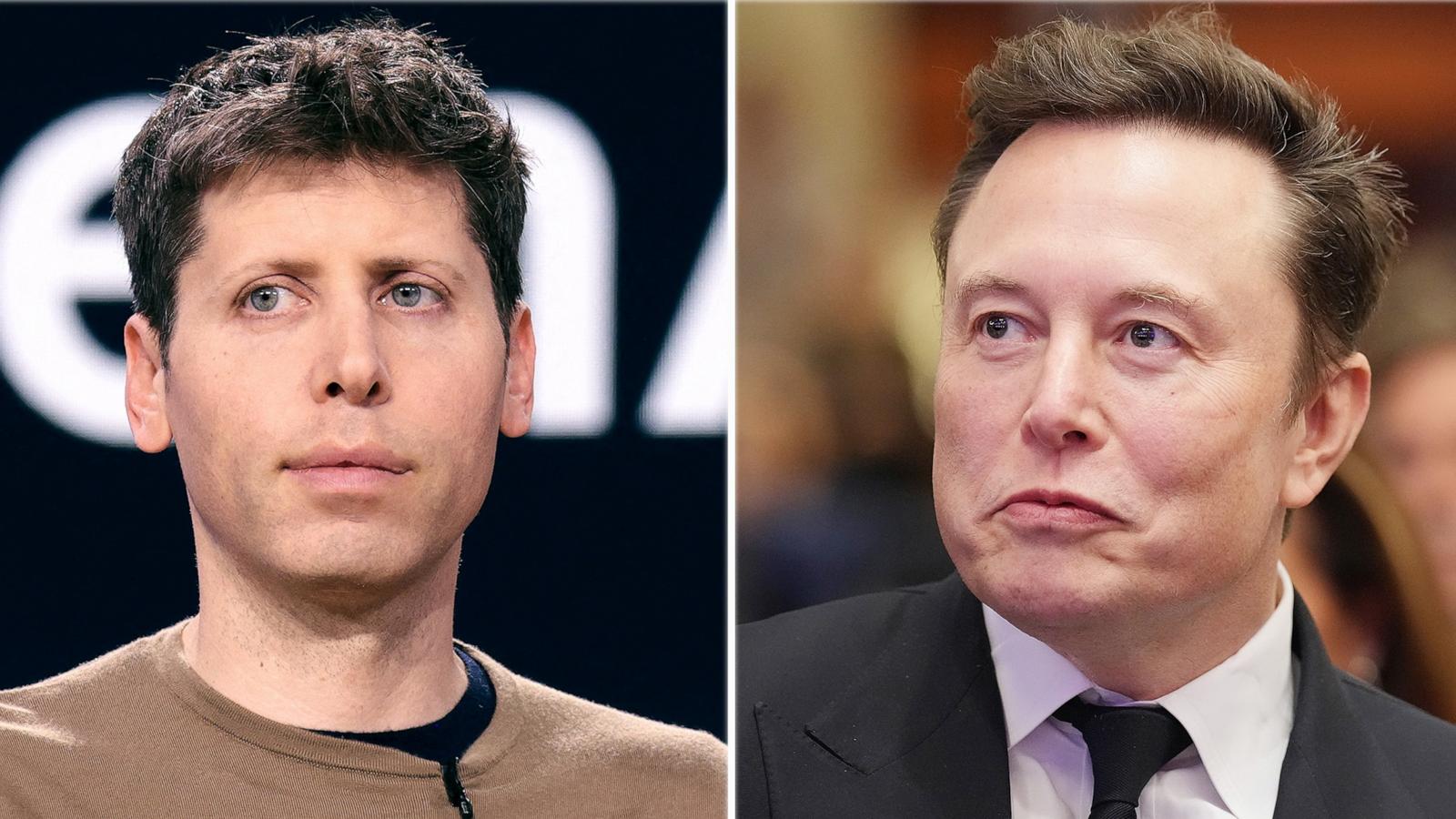
A jury decided that Elon Musk waited too long to sue OpenAI over claims related to a charity he helped start. The jury found Musk knew about OpenAI’s plan to create a for-profit business by 2021, but he filed his lawsuit after the allowed three-year limit, so his claims were dismissed.
Key Facts
Elon Musk sued OpenAI in 2024, accusing it of betraying a charity he funded with $38 million.
Musk said OpenAI’s for-profit part harmed the charity and enriched executives like Sam Altman and Greg Brockman.
The jury found Musk knew about OpenAI’s plan to become partly for-profit by 2021.
Because Musk filed the lawsuit after three years, the jury ruled it was too late.
The jury cleared Sam Altman, Greg Brockman, and Microsoft of any wrongdoing.
The judge agreed immediately with the jury’s decision.
Musk’s team said they plan to appeal the ruling.
Musk missed part of the trial and prioritized a meeting between President Trump and China’s leader over attending court.
Read the Original
Want the full story? Tap a source to open the original
article.
A court decided in favor of OpenAI and its CEO, Sam Altman, in a lawsuit filed by Elon Musk. The lawsuit accused OpenAI of wrongdoing during its change from a nonprofit to a for-profit company.
Key Facts
Elon Musk sued OpenAI and Sam Altman.
The lawsuit involved claims about OpenAI’s change from nonprofit to for-profit.
The trial lasted three weeks.
Both Elon Musk and Sam Altman gave testimony in court.
The court ruled in favor of OpenAI and Sam Altman.
This ruling allows OpenAI to continue operating as a for-profit company.
The case is still developing, and more updates may be released later.
Read the Original
Want the full story? Tap a source to open the original
article.
Lloyds Banking Group is reviewing its branding and may stop using the Halifax name for retail banking in England and Wales. This could lead to the Halifax bank disappearing from UK high streets, with customers moved to the Lloyds brand.
Key Facts
Lloyds Banking Group currently uses three banking brands: Lloyds, Halifax, and Bank of Scotland.
Bank of Scotland will continue as the brand for retail banking in Scotland.
Halifax operates alongside Lloyds in England and Wales, which is why its future is being reconsidered.
The Halifax brand might start being phased out from 1 July, with customer transfers beginning in autumn.
No customer account numbers would change if Halifax is merged into Lloyds branding.
Lloyds has already allowed customers to use any branch between the three brands.
The group plans to close more branches, reducing total branch numbers to 610 across the brands.
Halifax was founded in 1852 and became a major UK lender before merging with Bank of Scotland to form HBOS, which Lloyds rescued in 2008.
Read the Original
Want the full story? Tap a source to open the original
article.
Avanti West Coast will cut about one in seven trains on its busiest routes this summer to reduce costs, following a government request. The changes will affect weekday trains between London and Birmingham, Liverpool, and Manchester, starting July 20, during times when fewer passengers travel.
Key Facts
Avanti typically runs 248 trains daily on the affected routes and will remove 38 weekday services during summer.
The government’s Department for Transport approved the new timetable to lower spending on rail services.
The 7:00 am Manchester to London fast train, which was previously saved from cancellation, will continue running.
Cuts will only happen during less busy times when there are other trains available, aiming to minimize disruption.
Avanti has the worst punctuality record among UK national rail operators but has seen some improvement in customer satisfaction.
Train services by Avanti are planned to be nationalized in early 2027 under the new Great British Railways system.
The reduction is not due to a lack of resources but is part of a cost-saving measure under a government contract.
The government has kept rail spending around £12 billion annually since the Covid pandemic.
Read the Original
Want the full story? Tap a source to open the original
article.
Many companies find it hard to get qualified job candidates because hundreds of new job ads appear daily, making it easy for listings to be overlooked. To increase visibility, employers should use common job search words, carefully sponsor important listings, and make ads easy to read on phones.
Key Facts
Thousands of job listings appear every day, causing ads to get buried quickly.
Job seekers are more selective and focus on jobs that match their goals and expectations.
Using keywords that candidates commonly search for helps job ads show up in search results.
Paid promotion of job ads can place listings at the top of search pages but should be used selectively.
Mobile-friendly job descriptions with short sections and clear headings improve engagement.
Candidates look for salary transparency, workplace flexibility, career growth, and company reputation.
Companies should focus paid ads on the hardest or most urgent roles to fill.
Job titles and descriptions should match common language candidates use, not just internal company terms.
Read the Original
Want the full story? Tap a source to open the original
article.
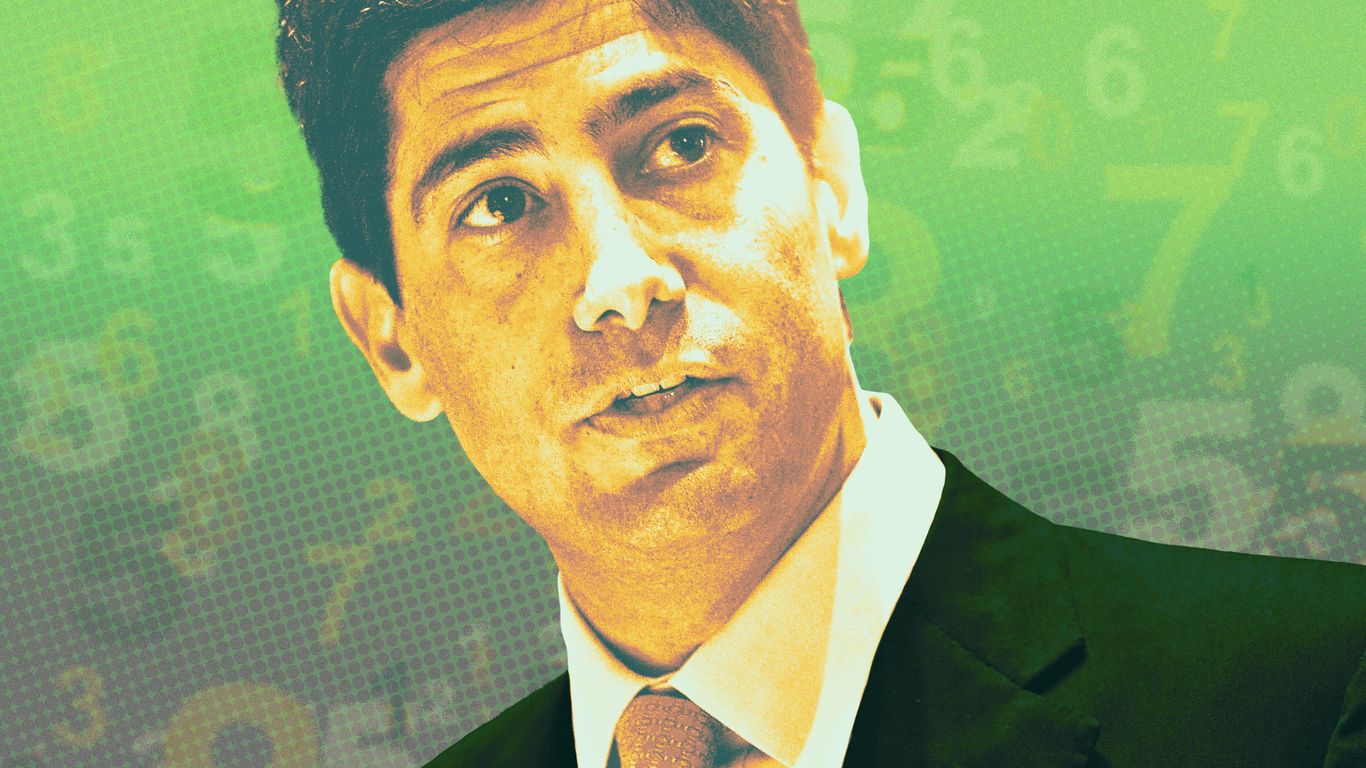
Andy Burnham, a candidate to replace Keir Starmer as UK prime minister, has softened his stance on government borrowing rules to reassure investors in the bond market. Rising borrowing costs and political uncertainty in Britain have made it important for Burnham to show he supports keeping debt under control while still proposing new policies.
Key Facts
Andy Burnham is a leading candidate to replace Keir Starmer as UK prime minister.
He previously criticized Britain’s high debt ("in hock" to bond markets) but now supports current fiscal rules that limit borrowing.
The UK government’s borrowing costs have risen to their highest since 1998 due to inflation and worries about the Middle East conflict.
Investors prefer political stability and favor current Labour leaders because they appear committed to balancing the budget.
The International Monetary Fund said the UK has limited room to change debt policies because its debt is nearly 100% of the country’s GDP.
Rising borrowing costs risk creating a cycle where more debt leads to even higher costs and less money for other government needs.
Burnham’s policy ideas include tweaking taxes and spending and possibly increasing borrowing for defense without breaking fiscal rules.
Political instability and bond market reactions have made Burnham adopt a cautious approach to fiscal policy.
Read the Original
Want the full story? Tap a source to open the original
article.
The CEO of Starbucks Korea resigned after the company ran an online campaign that offended many by referencing a tragic event in South Korean history. The promotion used phrases linked to the 1980 Gwangju massacre of pro-democracy protesters, leading to public outrage, an official apology, and the removal of the CEO and campaign executive.
Key Facts
Starbucks Korea launched a “Tank Day” promotion on May 18, tied to its “Tank” tumbler products.
May 18 marks the anniversary of the 1980 Gwangju Uprising, where military forces violently suppressed pro-democracy protests.
The campaign’s slogans evoked military tanks and phrases linked to torture cover-ups during South Korea’s dictatorship.
The promotion sparked widespread anger and calls for boycotts due to its insensitivity to a tragic national event.
Starbucks Korea quickly removed the campaign and issued an apology promising stricter internal reviews.
The CEO, Son Jung-hyun, and the executive in charge of the campaign were fired by Shinsegae Group, Starbucks Korea’s majority owner.
South Korean President Lee Jae Myung publicly condemned the campaign and demanded accountability.
Shinsegae Group chair Chung Yong-jin, known for far-right views and ties to President Trump’s family, faced renewed criticism for his past controversial statements.
Read the Original
Want the full story? Tap a source to open the original
article.
Large crowds gathered worldwide to buy Swatch’s new pocket watch made with Audemars Piguet, causing some stores to close for safety reasons. The watch sells for £335 but is being resold online for much higher prices, sometimes over £1,000 and up to £16,000.
Key Facts
Swatch released a new Royal Pop pocket watch in partnership with Audemars Piguet.
The watch’s retail price is £335.
Many people queued outside Swatch stores globally to buy this watch.
Some stores had to close because of safety concerns caused by the crowds.
Police were called in the UK, France, and Switzerland to manage large groups of shoppers.
Some buyers quickly resold the watch online for much higher prices.
Resale prices have reached as high as £16,000.
One person reported buying the watch for £335 and selling it for just over £1,000.
Read the Original
Want the full story? Tap a source to open the original
article.
Retirees must take required minimum distributions (RMDs) from their retirement accounts starting at age 73. The amount depends on their age and account balance, with older retirees needing to withdraw more each year, and these withdrawals have tax consequences.
Key Facts
RMDs start at age 73 for retirement accounts like 401(k)s and traditional IRAs.
The required withdrawal amount is calculated by dividing the account balance by a life expectancy factor from an IRS table.
For a $200,000 account, the annual RMD is about $7,547 at age 73 and increases to around $9,479 by age 79.
The life expectancy factor decreases with age, so withdrawals get larger each year.
Withdrawals from tax-deferred accounts are subject to income tax.
Retirees should plan for these withdrawals and their tax impact ahead of time.
Gold can be part of a retirement portfolio as a way to reduce risk but usually should not exceed 10% of investments.
The exact RMD amount varies yearly as the account balance and IRS tables change.
Read the Original
Want the full story? Tap a source to open the original
article.
Straus Family Creamery, based in California, has voluntarily recalled six types of its organic ice cream because they might contain metal pieces. The recalled products were sold in 17 states and customers are advised not to eat or return them.
Key Facts
The recall affects certain pint and quart sizes of six ice cream flavors, including Vanilla Bean, Strawberry, Cookie Dough, Dutch Chocolate, and Mint Chip.
The "best by" dates on the recalled products range from December 23 to December 30, 2026.
The ice cream was sold starting May 4, 2026, in stores across 17 states such as California, Texas, Florida, and Illinois.
No injuries have been reported related to this issue.
Straus Family Creamery is working with stores to remove the affected products from shelves.
Customers who bought the recalled ice cream are asked to throw it away and not return it to stores.
The company is offering replacement vouchers to customers who fill out an online form.
Consumers can contact Straus Family Creamery for questions via email or phone during business hours.
Read the Original
Want the full story? Tap a source to open the original
article.
NextEra Energy plans to buy Dominion Energy in a $67 billion deal, creating the world’s largest regulated utility company if regulators approve the merger. The combined company would serve about 10 million customers in several southern US states and aims to address rising electricity demand and offer bill credits after the deal closes.
Key Facts
NextEra Energy announced it will buy Dominion Energy for $67 billion.
The merger would create the largest regulated utility business in the world.
The combined company would serve around 10 million utility customers in North Carolina, South Carolina, Florida, and Virginia.
The deal is an all-stock transaction; NextEra shareholders would own about 75% of the new company, Dominion shareholders the rest.
NextEra’s stock dropped over 5% after the announcement, while Dominion’s stock rose nearly 10%.
The companies pledged $2.25 billion in bill credits over two years to customers after the merger closes.
Rising electricity needs are partly driven by big datacenters built to support growing demand for AI.
Utility companies have been working against efforts by communities to create public power systems, using front groups to oppose those campaigns.
Read the Original
Want the full story? Tap a source to open the original
article.
New York Governor Kathy Hochul now expects about 10,000 luxury second homes in New York City to be taxed under her proposed pied-à-terre tax, down from an earlier estimate of 13,000. The tax, part of the state’s $268 billion budget, targets expensive second homes owned by non-residents to raise an estimated $500 million yearly and help the city’s finances.
Key Facts
The pied-à-terre tax applies to second homes in NYC valued over $5 million owned by people who live elsewhere.
Tax rates range from 0.8% to 1.3% based on property value.
Co-ops and condos will face higher, temporary rates of around 4% before moving to the graduated scale.
The tax is expected to bring in about $500 million annually and will expire after five years unless renewed.
New York’s real estate industry strongly opposes the tax, arguing it will reduce property values and increase costs for local owners.
The tax is included in the state budget deal that is overdue and expected to be voted on soon.
Earlier proposals for similar taxes were defeated, but this one appears likely to pass.
The tax is intended to raise revenue from wealthy non-residents without broadly increasing taxes on all New Yorkers.
Read the Original
Want the full story? Tap a source to open the original
article.
Spirit Airlines shut down suddenly after 34 years, leaving price-sensitive travelers with fewer cheap flight options. Rising fuel costs and increased competition have made it harder for budget airlines to keep fares low, while bigger airlines use advanced pricing to attract more customers.
Key Facts
Spirit Airlines stopped flying on May 3, 2024, affecting many travelers who relied on low-cost flights.
A Spirit Airlines lawyer apologized to customers who may now face higher prices.
High jet fuel prices, linked to the ongoing Iran conflict, have raised airfares across the airline industry.
Larger airlines like American, Delta, and United use flexible pricing to sell some low-cost seats while charging more for premium tickets.
Budget airlines struggle because they can no longer compete only by being the cheapest.
The Association of Value Airlines, representing some budget carriers, asked the Trump administration for $2.5 billion in temporary aid but was denied.
The trade group for major airlines opposed this aid, saying it would hurt competition.
Mergers and consolidations, like Alaska Airlines buying Hawaiian Airlines, are changing the budget airline market.
Read the Original
Want the full story? Tap a source to open the original
article.
The UK government will soon share an updated cost estimate and schedule for the HS2 high-speed rail project, including plans to reduce train speeds to cut expenses. The project, originally planned to connect London with Manchester and Leeds, has been scaled back to a line only between London and Birmingham, with completion delayed beyond 2033.
Key Facts
The government will release the HS2 cost estimate in 2026 prices, hoping to keep it under £100 billion.
Trains might run slower (320 km/h instead of 360 km/h) to save money.
Automatic train operation, which helps manage busy train lines, may be dropped from the project.
A report criticized earlier decisions for making the project too expensive and focusing too much on high speeds.
Officials felt pressure from political leaders to keep the project moving despite rising costs.
The project started in 2012 with a £32 billion plan for a larger rail network but was cut back in 2023.
The London Euston station designs are still not finalized.
Delays mean trains will not start running until after 2033.
Read the Original
Want the full story? Tap a source to open the original
article.
James Comey, the former FBI director, talks about his new legal thriller book called "Red Verdict." The story follows a prosecutor investigating a poisoning linked to a high-level spy conspiracy.
Key Facts
James Comey is a former FBI director.
He has released a new book titled "Red Verdict."
The book is a legal thriller, a type of novel focused on law and crime.
The plot centers on a prosecutor investigating a poisoning case.
The poisoning is connected to a risky espionage (spying) conspiracy.
The discussion about the book was shared on May 18, 2026.
The article also lists various news live streams and other unrelated news headlines.
Read the Original
Want the full story? Tap a source to open the original
article.
Kevin Warsh is about to become the leader of the U.S. Federal Reserve as bond yields rise sharply due to strong demand, energy supply issues, and large government borrowing. The increase in long-term interest rates may require the Fed to raise short-term rates to keep inflation expectations stable, despite Warsh’s belief that AI could eventually lower costs and inflation.
Key Facts
Kevin Warsh is confirmed as the new Federal Reserve leader but has not yet been officially sworn in.
The 30-year U.S. Treasury bond yield has risen to 5.11%, the highest since 2007.
Rising bond yields reflect stronger inflation expectations and demand for higher returns by investors.
Energy supply problems, including the Iran war, have increased energy prices, adding inflation pressure.
Government borrowing is high, about 6% of the U.S. GDP, contributing to higher bond yields.
Warsh has previously criticized the Fed for allowing inflation to stay too high for too long.
Warsh believes AI-driven productivity could eventually reduce inflation, but current data still shows inflation rising.
The Fed may need to raise short-term interest rates to prevent long-term inflation expectations from growing too much.
Jerome Powell's term as Fed Chair ended recently; he is serving temporarily while Warsh completes formal requirements.
Read the Original
Want the full story? Tap a source to open the original
article.
Swatch and luxury watch brand Audemars Piguet launched the Royal Pop watch collection, causing large crowds and long lines worldwide. Some stores closed for safety reasons after reports of violence and police involvement. The watches were sold at a much lower price than usual for Audemars Piguet products, creating high demand.
Key Facts
The Royal Pop watch is a collaboration between Swatch and Audemars Piguet (AP).
It was sold in limited stores starting Saturday, with one watch per person priced at about £335 or $448.
Customers queued for days in some cities, including New York, Amsterdam, Paris, and Milan.
Police were called to control crowds; tear gas was used near Paris, and at least one arrest occurred in the UK.
Some people got injured in scuffles, and several reports of disorderly behavior emerged.
Swatch closed some stores temporarily to ensure safety and asked people to avoid large crowds.
The watches are being resold online for much higher prices than retail.
Swatch compared this launch to a similar 2022 MoonSwatch sale that also faced crowd control issues.
Read the Original
Want the full story? Tap a source to open the original
article.
Many retirees face financial challenges due to rising living costs and debt. While creditors can sue for unpaid debts, certain retirement incomes and accounts have legal protections that limit what creditors can take.
Key Facts
Retirees often rely on fixed incomes like Social Security, pensions, or retirement savings.
Social Security benefits are generally protected by federal law from most private debt collection efforts.
Exceptions to Social Security protection include federal debts like back taxes, student loans, child support, and alimony.
Mixing Social Security funds with other bank accounts can risk those funds during a bank freeze or levy.
Qualified retirement accounts like 401(k)s and pensions usually have strong federal protections.
Protection for IRAs varies depending on state laws and whether the funds remain in the account.
Once retirement funds are withdrawn and moved into regular bank accounts, they may become more vulnerable to creditors.
Knowing which incomes and accounts are protected can help retirees manage debt risks better.
Read the Original
Want the full story? Tap a source to open the original
article.
A company named Ensco was fined £287,000 after a worker, Jason Thomas, fell to his death through a hole on a North Sea oil rig in 2023. The accident happened when a metal cover, called a grating, became loose during the rig’s tow to Dundee, making the work area unsafe.
Key Facts
Jason Thomas, a 50-year-old worker from Newport, Wales, went missing from the Valaris 121 rig about 100 miles southeast of Aberdeen.
The hole in the rig deck was caused by a grating that was not properly fastened and became dislodged.
Ensco admitted breaking health and safety rules and was fined £267,000 plus a victim surcharge, totaling £287,025.
After the worker disappeared, a search and rescue operation was conducted but his body was never found.
The company had no previous convictions and expressed regret over the accident.
Officials said the number of clips holding the grating was too few, and waves during towing caused it to fail.
Ensco stated it had learned lessons from the incident and had a strong safety record before this event.
The court described the accident as very tragic and noted Ensco’s comprehensive response to the situation.
Read the Original
Want the full story? Tap a source to open the original
article.
Borrowing costs are at their highest in nearly 20 years because investors want bigger returns due to worries about the war in Iran raising oil prices and inflation. The International Monetary Fund says global debt could reach levels last seen during World War Two, causing higher costs for loans and everyday goods.
Key Facts
Borrowing costs in big economies are at their highest in almost two decades.
Investors are avoiding government debt and asking for higher returns.
The war in Iran is causing concerns about high oil prices and inflation.
The International Monetary Fund warns global debt may approach World War Two levels.
The United States influences worldwide borrowing costs.
Higher borrowing costs mean more expensive mortgages, car loans, and credit for consumers.
Businesses face increased costs that may be passed on to shoppers.
Developing countries borrowing in dollars face increased budget pressures.
Read the Original
Want the full story? Tap a source to open the original
article.