The Australian government has cut $760 million from the Australia’s Economic Accelerator (AEA) research commercialization program to fund other science projects, including support for the CSIRO and the National Measurement Institute. Researchers and university leaders criticize the decision, saying it wastes effort and harms research commercialization and development.
Key Facts
The Australia’s Economic Accelerator program lost $760 million in funding over five years up to 2029–30.
The budget adds $387.4 million to support CSIRO’s financial health and $273 million for the National Measurement Institute.
The AEA program, started in 2023, helped turn research into economic and social benefits but will stop new project funding after 2025–26.
Researchers like Prof Melanie Davern spent months applying for AEA grants that may no longer be funded.
Universities Australia says cutting the AEA harms research commercialization and sends a negative signal to the sector.
Australia’s investment in research and development is 1.7% of GDP, below the OECD average of 2.7%.
Australian Academy of Science and Science & Technology Australia express concern that the budget does not increase overall science funding enough.
The government plans a new National Resilience and Science Council as part of other budget measures.
Read the Original
Want the full story? Tap a source to open the original
article.
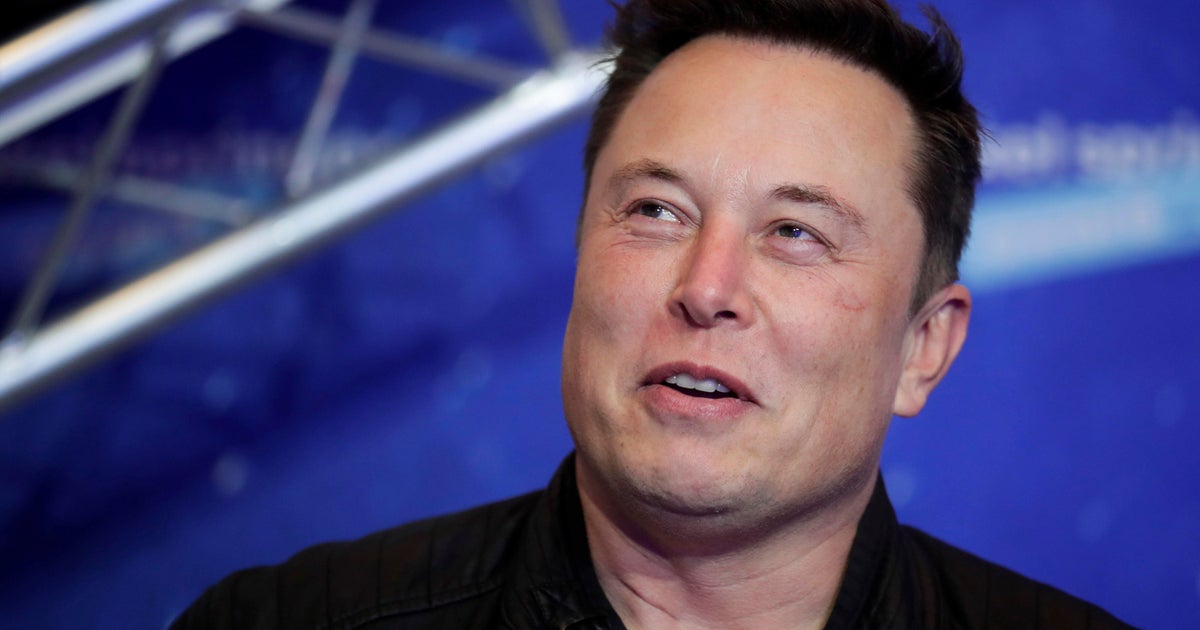
Elon Musk traveled to China during a $150 billion civil lawsuit against OpenAI CEO Sam Altman that was ongoing in a U.S. court. The judge had allowed Musk to leave the courtroom but said he could be called back for more testimony if needed.
Key Facts
Elon Musk flew to Beijing while testifying in a trial against OpenAI CEO Sam Altman.
The lawsuit involves $150 billion related to OpenAI’s direction and leadership.
A U.S. judge allowed Musk to leave the courtroom but said he was subject to recall.
The trial is civil, so Musk is not required to attend every day in person.
Musk traveled to China with President Donald Trump, who was meeting Chinese President Xi Jinping.
Musk co-founded OpenAI as a nonprofit in 2015 but later left the company.
Musk is suing Altman, claiming Altman broke the nonprofit’s rules and focused on profits.
Musk wants Altman removed, OpenAI returned to nonprofit status, and money shifted to charity.
OpenAI argues Musk’s lawsuit aims to help his own company, xAI.
Read the Original
Want the full story? Tap a source to open the original
article.
A federal court ruled that Coles, a major Australian supermarket, misled customers by showing fake discounts in its "Down Down" price campaign. The court found that Coles raised prices briefly before claiming to offer discounts, which was misleading under Australian consumer law.
Key Facts
The court case was brought by the Australian Competition and Consumer Commission (ACCC) against Coles.
Coles advertised discounts using "was/is" pricing but did not tell customers the higher "was" prices lasted only a short time.
The supermarket sold many products at a lower price for about a year, raised them briefly, then lowered the price again, which was sometimes equal to or higher than the original price.
The judge said Coles’ price increases were normal business practice, responding to supplier demands during inflation.
However, showing short-term price increases as the baseline for discounts misled shoppers.
The court ruled this practice broke Australian consumer laws against misleading conduct.
A similar case involving Woolworths, another major supermarket, is still ongoing in federal court.
The decision affects how supermarkets advertise discounts during inflation periods.
Read the Original
Want the full story? Tap a source to open the original
article.
Wholesale prices in the United States rose by 6% last month compared to the same time last year. This is the largest yearly increase in over three years, mainly because gas prices went up. Many Americans are feeling the effects of these higher prices.
Key Facts
Wholesale prices in the U.S. increased by 6% last month compared to one year ago.
This is the biggest annual increase in more than three years.
The rise in gas prices is a main reason for the higher wholesale prices.
Higher wholesale prices often lead to higher costs for consumers.
Many people in the U.S. are experiencing the impact of inflation.
The report was shared by CBS News with Jo Ling Kent as the reporter.
Read the Original
Want the full story? Tap a source to open the original
article.
Big tech companies like Microsoft and Apple are creating cute cartoon mascots to make their brands feel friendlier and more relatable. These characters help companies connect better with customers and can boost market share.
Key Facts
Microsoft introduced Mico, a customizable and friendly-looking avatar for its AI assistant Copilot.
Apple launched a blue and white cartoon figure nicknamed Little Finder Guy to promote a new laptop.
Research shows companies using mascots are 37% more likely to increase their market share.
Google lets users personalize its Android robot mascot with clothes and hairstyles.
Mozilla turned its Firefox logo into a mascot called Kit to stand out from competitors.
Some experts think mascots try to counteract people’s mistrust of big tech brands.
AI-powered mascots may start interacting with users personally, raising concerns about manipulation.
Microsoft says it has received positive feedback about its new mascot so far.
Read the Original
Want the full story? Tap a source to open the original
article.
A Greenpeace report found that a typical English roast dinner may contain ingredients treated with over 100 different pesticides, including some banned in the EU. The report warns that heavy pesticide use harms wildlife and ecosystems and calls for stricter rules and reduced pesticide use in the UK.
Key Facts
Greenpeace’s report used 2024 data to identify 102 pesticides on vegetables and fruits in a Sunday roast.
Seven of these pesticides are banned in the European Union due to health and environmental risks.
Some pesticides found can cause cancer, disrupt hormones, and harm bees, fish, birds, and other wildlife.
Pesticides have been widely used since WWII to protect crops but also negatively affect beneficial plants and insects.
The UK government aims to reduce pesticide use by 10% by 2030, while Greenpeace calls for a 50% cut.
Greenpeace suggests aligning UK rules with EU standards and increasing organic farming to at least 10%.
The National Farmers’ Union says pesticides are carefully regulated and essential to maintaining crop yields.
The UK government asserts strict safety limits on pesticide residues in both domestic and imported food.
Read the Original
Want the full story? Tap a source to open the original
article.
The housing market in England and Wales is slowing down due to concerns about higher mortgage rates and inflation linked to the war in the Middle East. Estate agents report fewer buyers and sellers, slower sales, and falling house prices, especially in southern England and London.
Key Facts
Estate agents in England and Wales see less interest from homebuyers recently.
Concerns about rising inflation and mortgage rates are making buyers and sellers cautious.
The Bank of England warned interest rates might rise because of higher energy prices from the Middle East conflict.
The number of completed home sales decreased in April, and this trend is expected to continue.
House prices are falling overall, with sharper drops in London, the south-east, East Anglia, and the south-west.
Northern England regions are seeing small increases in house prices.
The rental market has more demand than supply, as some landlords are leaving due to tougher regulations and higher taxes.
Estate agents expect rents to increase in the near future.
Read the Original
Want the full story? Tap a source to open the original
article.
Fly By Jing is recalling some of its Creamy Sesame Noodles sold nationwide because they might have come into contact with peanuts, which can cause serious allergic reactions. The company stopped selling the affected products, informed customers, and put remaining stock on hold. Other recent food recalls include potato chips, muffins, and hot cocoa mixes due to possible contamination or mislabeling.
Key Facts
Fly By Jing recalled certain Creamy Sesame Noodles due to possible peanut exposure.
The noodles were sold from February 1 to May 8, 2026, at stores like Whole Foods and online.
Peanuts are not an ingredient, but the product was made on equipment that also processes peanuts.
The recall includes single packs and 4-packs with specific barcode numbers and best-by dates.
Fly By Jing stopped distribution and alerted customers and retail partners.
Other recent recalls involved Utz potato chips for possible Salmonella, mislabeled muffins by The Brownie Baker, and Ghirardelli hot cocoa mixes for potential contamination.
The FDA highlights nine major food allergens in the U.S., including peanuts and sesame.
Millions of Americans have food allergies or sensitivities requiring caution with food products.
Read the Original
Want the full story? Tap a source to open the original
article.
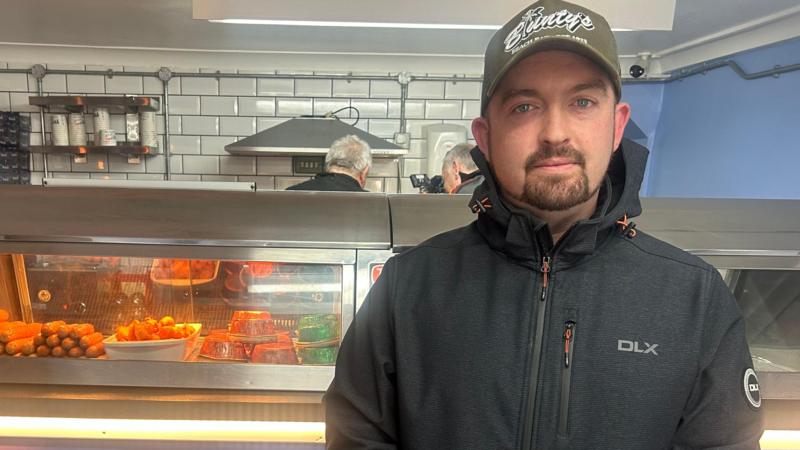
A fish and chip shop owner in Pembrokeshire is adding self-service tills to help staff handle customers asking about price increases. The owner explained that rising costs for fish, fuel, and wages have forced shops to raise prices, making popular items like cod more expensive.
Key Facts
Fish and chip prices have risen from £6.48 in 2019 to £11.17 in March 2024 on average.
The price of cod, a popular fish, could double by September 2024, according to the chip shop owner.
Rising costs include national minimum wage increases, fuel prices, and ingredients like fish and potatoes.
Staff face pressure from customers questioning price hikes, causing some workers to leave.
Self-service digital kiosks will be installed to reduce staff stress and manage busy times.
Some shops are considering offering different, more affordable fish options as cod and haddock become more expensive.
Customers show mixed reactions about trying alternative fish varieties, with some preferring to stick with cod.
The National Federation of Fish Friers reports rising prices have reduced customer visits in many fish and chip shops.
Read the Original
Want the full story? Tap a source to open the original
article.
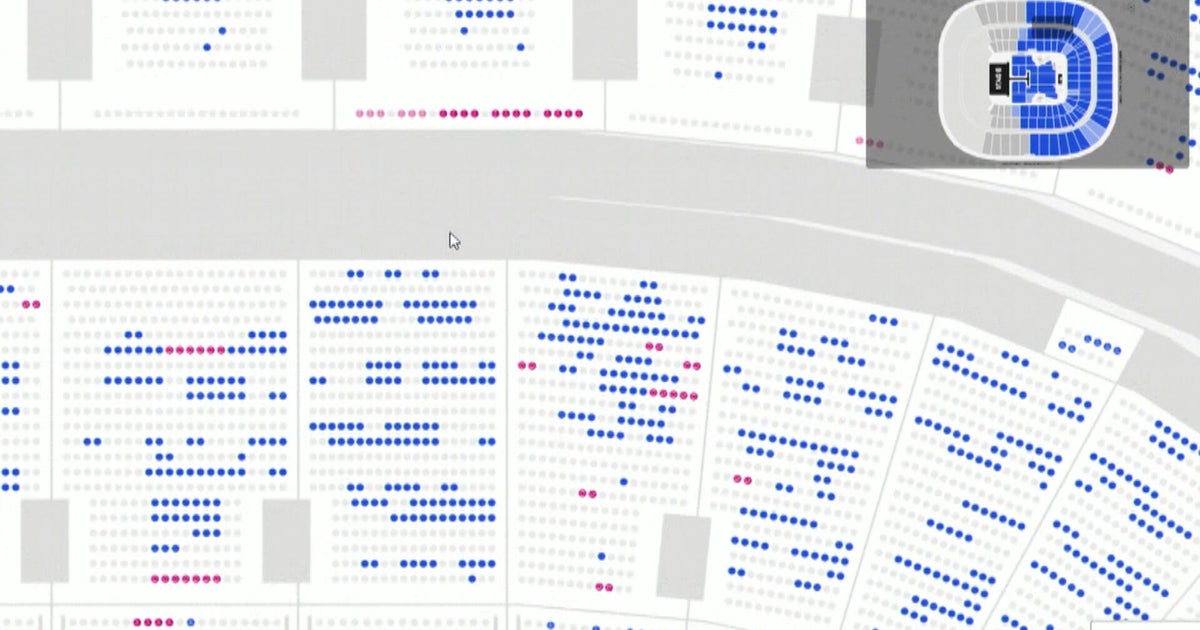
Many popular musicians, including Post Malone and Meghan Trainor, are having a hard time selling tickets to their stadium and arena tours. This problem is called "blue dot fever" and has caused some performers to cancel parts or all of their tours.
Key Facts
"Blue dot fever" describes the difficulty some artists face in selling concert tickets.
Major musicians like Post Malone and Meghan Trainor are affected.
Ticket sales for large venues like stadiums and arenas are lower than expected.
The trend has caused some artists to cancel some or all scheduled shows.
The issue may have a significant impact on the music industry’s live event business.
The term was discussed in a CBS News report by Ash-har Quraishi.
The report is available on the CBS News app.
Read the Original
Want the full story? Tap a source to open the original
article.
The war involving Iran has caused fuel prices to rise sharply. This has pushed many people in Asia to use more rooftop solar power, which benefits China because it supplies most of the solar technology.
Key Facts
The conflict in Iran has led to higher fuel costs in Asia.
Rising fuel prices have increased interest in solar power for homes.
Asia, which needs a lot of energy, is turning to rooftop solar panels.
China is the biggest supplier of solar technology worldwide.
Experts say countries do not need to produce every part of solar technology themselves.
The change toward solar power could boost business for Chinese solar companies.
The situation is linked to ongoing tensions and clashes in the Middle East, especially near the Strait of Hormuz.
Read the Original
Want the full story? Tap a source to open the original
article.
President Donald Trump is visiting China with over a dozen top business leaders. The main topics of the visit are trade, technology, and rare earth minerals, which are important for many industries and give China economic power.
Key Facts
President Trump is traveling to China with a group of leading U.S. business executives.
The visit focuses on improving trade relations between the U.S. and China.
Technology is a key subject during the trip.
Rare earth minerals are a major topic because they are essential for many modern products.
China controls much of the world's supply of these rare earth minerals, giving it economic influence.
The U.S. hopes to access these minerals more easily to support its industries.
The visit comes at a time of high economic and political tensions between the two countries.
The U.S. Senate recently approved Kevin Warsh as the next Chairman of the Federal Reserve, another important economic development.
Read the Original
Want the full story? Tap a source to open the original
article.
Pharmaceutical leaders want the next FDA commissioner to bring stability and clear rules to help drug companies as they create new medicines. They are also concerned about a proposed drug pricing policy called "most favored nation," which ties U.S. drug prices to lower prices in other countries and may lead to less access to treatments.
Key Facts
The current FDA commissioner, Marty Makary, resigned, causing uncertainty at the agency.
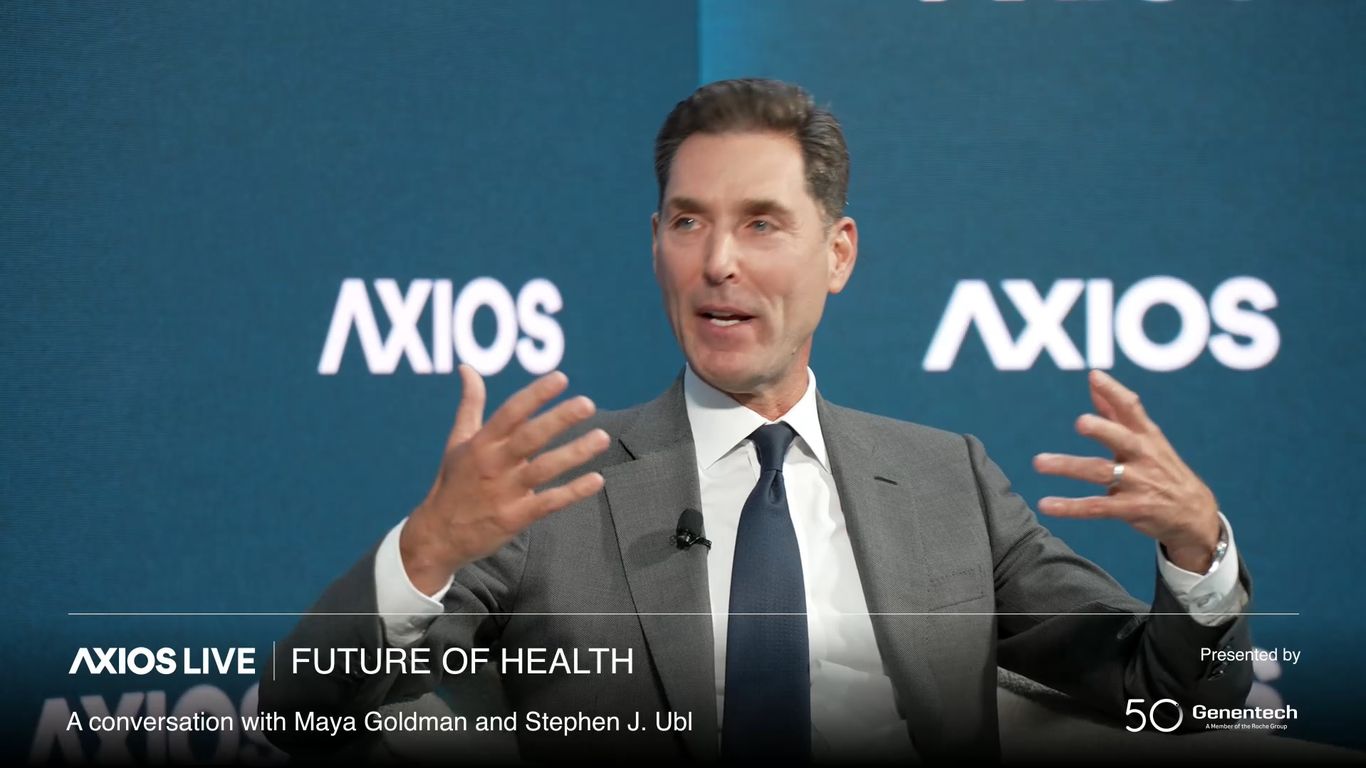
Pharma trade group CEO Steve Ubl said the next FDA leader should provide stability and predictability.
Developing a new drug typically takes 10 to 15 years and costs billions of dollars.
Bristol Myers Squibb CEO Chris Boerner emphasized the need for consistent FDA rules due to long drug development timelines.
Pharma leaders dislike the "most favored nation" pricing policy proposed by President Trump because it may reduce access to medicines.
The "most favored nation" policy links U.S. drug prices to the lowest prices paid in other developed countries.
Congress is unlikely to pass the policy due to Republican worries about free market impacts, but the industry remains cautious.
David Marin from a pharmacy benefit manager group urged Congress to focus on problems with drug patents that keep prices high.
Read the Original
Want the full story? Tap a source to open the original
article.
The Pentagon made agreements with defense companies to buy over 10,000 affordable containerized missiles in the next three years. These agreements involve companies like Anduril, CoAspire, Leidos, and Zone 5 as part of a new missile program.
Key Facts
The Pentagon announced deals on Wednesday with multiple defense firms.
The deals will supply more than 10,000 low-cost containerized missiles.
The purchases will take place over the next three years.
The companies involved are Anduril, CoAspire, Leidos, and Zone 5.
These agreements are part of the Low-Cost Containerized Missiles (LCCM) program.
Containerized missiles are designed to be stored and launched from shipping containers.
The Department of Defense aims to modernize its missile capabilities through these purchases.
Read the Original
Want the full story? Tap a source to open the original
article.
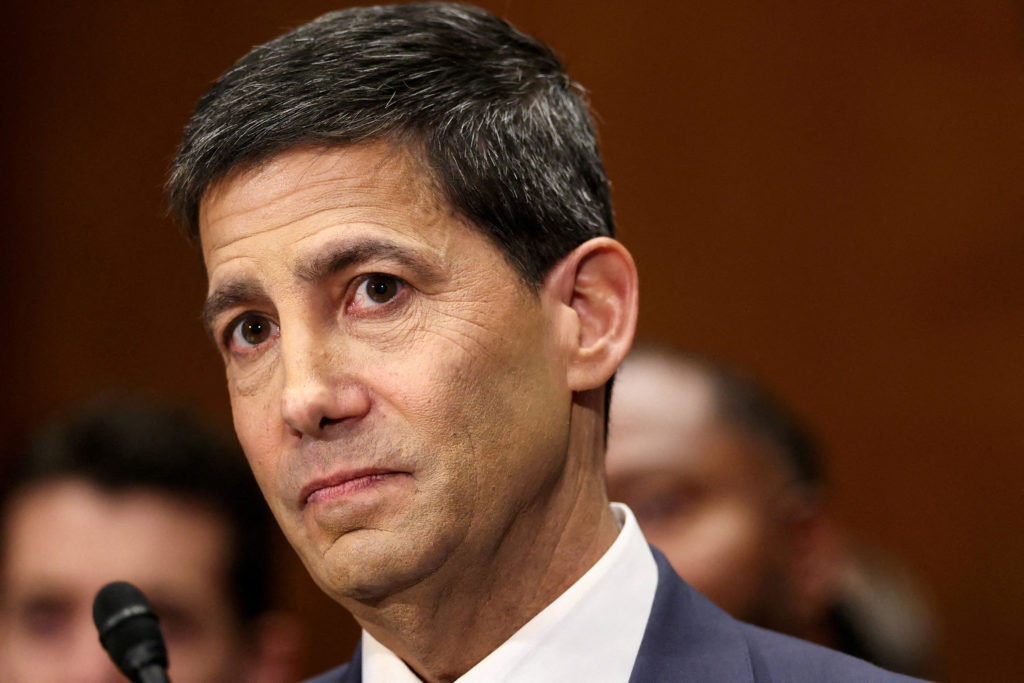
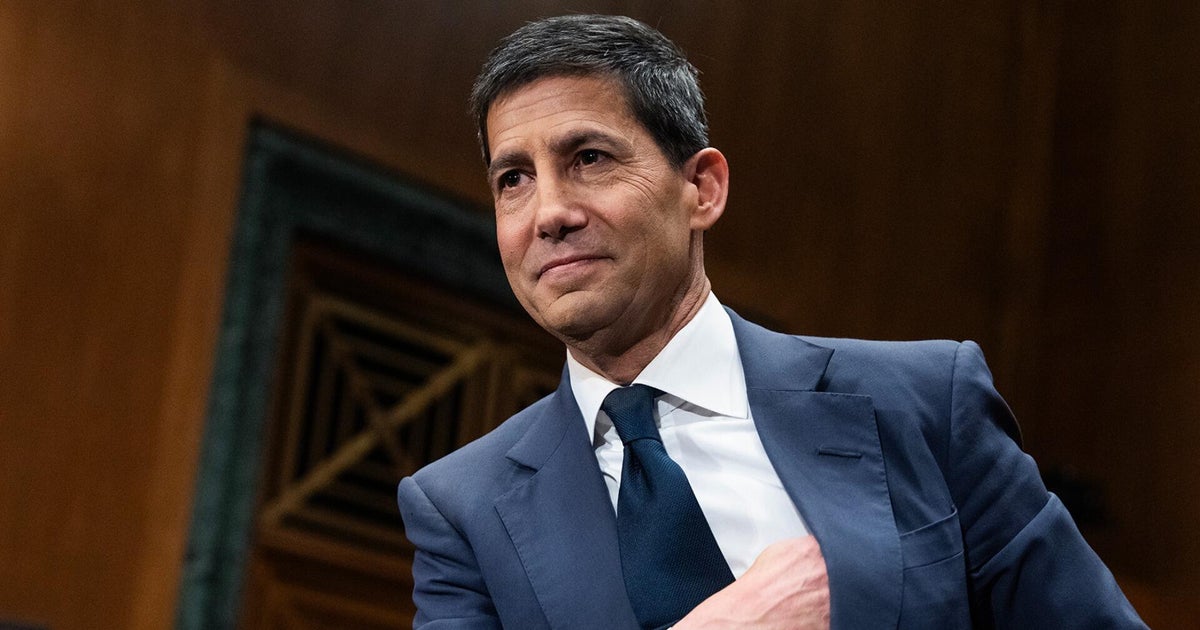
The Senate approved President Donald Trump's choice, Kevin Warsh, to be the new chairman of the Federal Reserve. This decision came after an investigation involving the current Fed chair, Jerome Powell, ended.
Key Facts
Kevin Warsh was nominated by President Donald Trump to lead the Federal Reserve.
The Federal Reserve is the main central bank in the United States and influences the global economy.
The Senate confirmed Warsh mostly along party lines, meaning mostly Republicans voted yes.
Republican Senator Thom Tillis had initially opposed Warsh’s confirmation.
Tillis changed his position after the Justice Department stopped investigating Fed Chair Jerome Powell.
The investigation into Powell had delayed Warsh’s confirmation.
Warsh’s new role begins during a challenging time for the global economy.
Read the Original
Want the full story? Tap a source to open the original
article.
U.S. producer prices increased by 6% compared to last year, the largest rise in over three years. Higher energy costs, partly due to the war in Iran, are pushing companies to raise prices, which may affect consumers.
Key Facts
Producer prices rose 6% from a year ago, the highest in more than three years.
In April alone, the producer price index went up 1.4%, the biggest increase in over four years.
Energy prices increased 7.8% from March to April and 22.7% compared to last year.
Gasoline prices jumped 15.6% from March to April.
Diesel fuel prices rose 12.6% in the same period.
Gasoline now costs about $4.51 per gallon on average in the U.S.
Higher energy costs are making it more expensive for companies to produce goods, leading them to raise prices for customers.
Read the Original
Want the full story? Tap a source to open the original
article.
A German court decided that Mondelēz, the company that makes Milka chocolate, misled customers by shrinking the size of their Milka chocolate bars but keeping the packaging almost the same. The court said the company should have clearly told buyers about the smaller size on the packaging.
Key Facts
The Milka Alpine Milk bar size was reduced from 100 grams to 90 grams.
Despite the size reduction, the chocolate wrapper’s design stayed mostly unchanged.
The price of the Milka bar increased from €1.49 to €1.99 after the size change.
The court case was brought by Hamburg’s consumer protection office.
Shrinkflation means making products smaller while keeping prices the same or higher.
Mondelēz said it notified customers about the change online and on social media.
The court requires Mondelēz to add a clear notice on the packaging for at least four months.
Mondelēz has one month to appeal the ruling and is reviewing the court’s decision.
Read the Original
Want the full story? Tap a source to open the original
article.
Sam Altman and Elon Musk testified in a trial about the future leadership and funding of OpenAI. Musk claims OpenAI has moved away from its original nonprofit mission to make money for leaders like Altman, while Altman says Musk is motivated by jealousy and revenge.
Key Facts
Elon Musk filed a lawsuit saying OpenAI abandoned its nonprofit goal to benefit humanity and now focuses on profit.
Musk claims OpenAI leaders worked with Microsoft to take over a charity after convincing him to donate $38 million.
Sam Altman testified calmly for about four hours, denying Musk’s claims and insisting he believes in OpenAI’s mission.
Altman admitted he was very angry when OpenAI’s board removed him temporarily as CEO in 2023 and considered leaving to lead AI research at Microsoft.
Both Altman and Musk have expressed frustration and feelings of betrayal related to control and leadership at OpenAI.
Altman returned to OpenAI under a new board because he cared about the mission and the people, not just money.
Musk and Altman have competing AI projects and a complicated personal rivalry that impacts their views on OpenAI’s direction.
The trial highlights the tension between the nonprofit goals of AI research and the financial interests of its leaders.
Read the Original
Want the full story? Tap a source to open the original
article.
A planned Trump-branded luxury tower project in Australia’s Gold Coast has been canceled, stopping the Trump Organization’s first development in the country. The project failed due to financial issues reported by the Trump Organization, while the Australian partner said the Trump brand was seen negatively in Australia.
Key Facts
The Trump Organization planned a $1.5 billion luxury tower in Gold Coast with Altus Property Group.
The project included a 285-room hotel, 272 luxury apartments, a beach club, and retail space.
Altus Property Group said the Trump brand became toxic in Australia, hurting the project.
The Trump Organization said Altus did not meet required financial commitments in their licensing deal.
Altus denied personal conflict with the Trump family and said they hope to finish the project with another luxury brand.
The Trump Organization expressed disappointment after months of negotiations and unfulfilled promises by Altus.
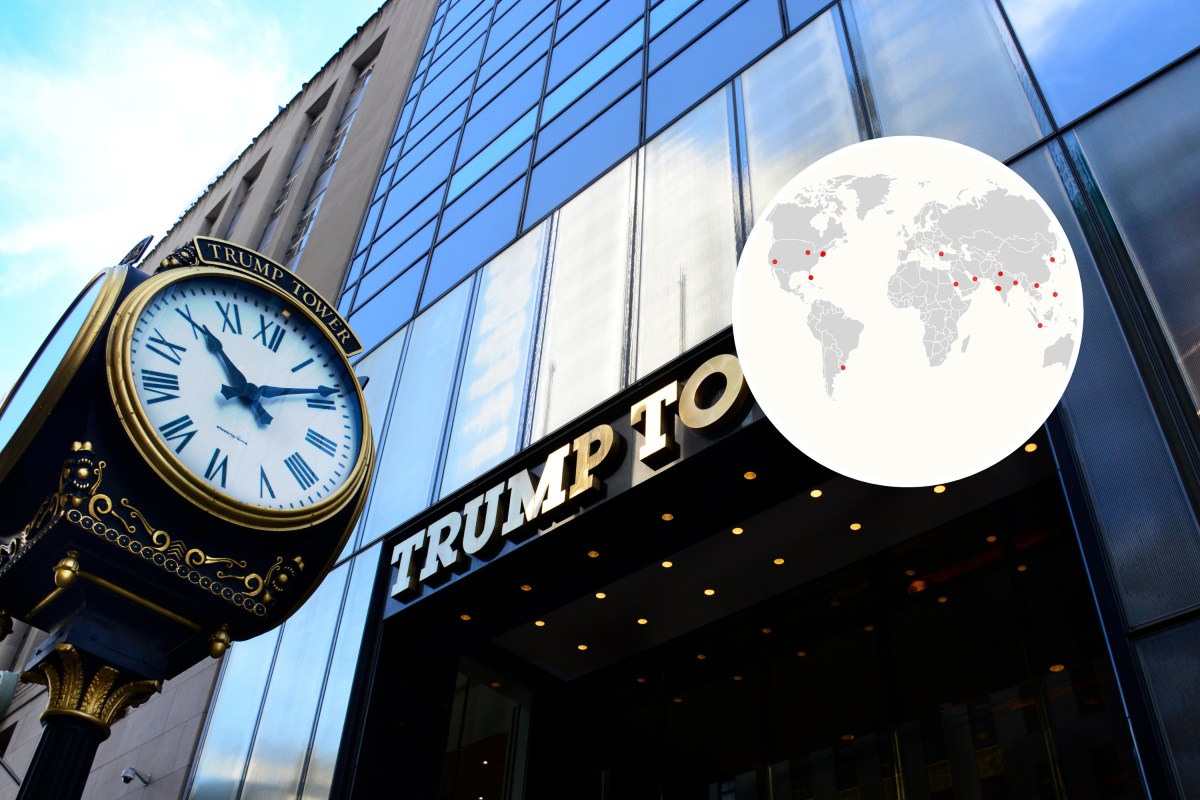
A map shows Trump-branded hotels and developments worldwide, including the U.S., India, the Middle East, and South America.
The Gold Coast project collapse raises questions about the global expansion of Trump Organization properties.
Read the Original
Want the full story? Tap a source to open the original
article.