A planned Trump International Hotel and Tower in Gold Coast, Australia, has been canceled. The project's developer said the war in Iran made the Trump brand unpopular in Australia, while the Trump Organization blamed the developer for financial issues.
Key Facts
The project was a $1.1 billion Trump International Hotel and Tower planned for the Gold Coast, Australia.
Developer David Young of Altus Property Group canceled the project, citing the Iran war made the Trump brand "toxic" in Australia.
The Trump Organization claims Altus Property Group failed to meet financial obligations and called the developer’s reasons a distraction.
In February, Eric Trump shared AI-generated images of the Trump Tower planned to be Australia’s tallest building.
The deal ended within three months amid disagreements and mutual blame.
Gold Coast Mayor said no formal development application was filed and the disagreement was mainly about profit margins.
Local residents started a petition against the project because of discomfort with the Trump brand, gaining over 140,000 signatures.
Eric Trump posted AI images of another Trump Tower planned for Tbilisi, Georgia, announced as the tallest building there.
Read the Original
Want the full story? Tap a source to open the original
article.
The article discusses the idea of a temporary gasoline rebate to help families with high fuel costs. It suggests that such a payment would show that leaders care about the financial struggles people face and are ready to help them.
Key Facts
The proposal is for a short-term subsidy or rebate on gasoline.
This rebate aims to reduce the financial burden on households struggling with fuel prices.
Policymakers would use this rebate to show responsiveness to economic challenges.
The subsidy would be temporary, not a permanent change.
The goal is to support families during times of high gasoline costs.
Read the Original
Want the full story? Tap a source to open the original
article.
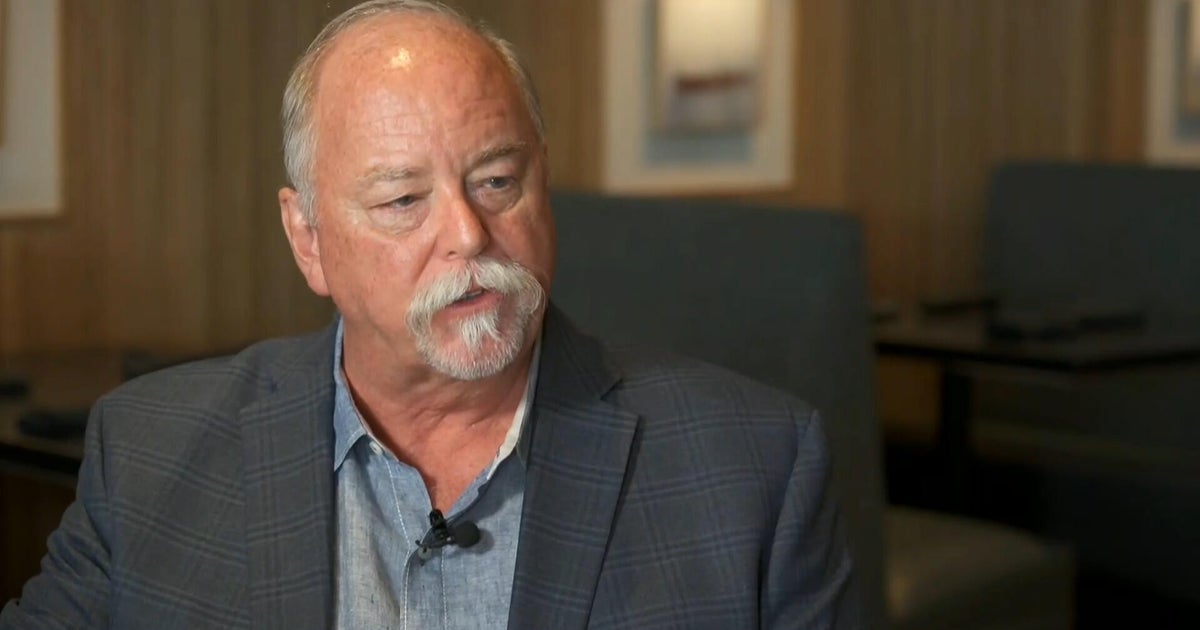
Inflation has risen to 3.8%, its highest level in almost three years. A restaurant owner says rising costs, especially from higher fuel prices connected to the war with Iran, may force him to increase his menu prices.
Key Facts
Inflation is currently at 3.8% annually, the highest in nearly three years.
Fuel prices have gone up because of the war involving Iran.
Higher fuel costs are affecting both businesses and customers.
A restaurant owner expressed concern about having to raise prices.
The news report was presented by Jason Allen on CBS News.
Rising inflation means everyday goods and services may become more expensive.
The situation creates challenges for small businesses trying to keep prices stable.
Read the Original
Want the full story? Tap a source to open the original
article.
Sophie the Giraffe, a popular teething toy long believed to be made in France, is actually manufactured in China. The company behind the toy, Vulli, is currently facing a fraud investigation over this issue.
Key Facts
Sophie the Giraffe is a well-known toy that many people thought was made in France for nearly 65 years.
Investigative website Mediapart revealed that the toy has been made in China for decades.
The company that produces Sophie the Giraffe is called Vulli.
Vulli is now under investigation for fraud due to misleading information about where the toy is made.
The discovery challenges the toy’s image as a French-made success story.
The investigation highlights concerns about product origin transparency.
The news has attracted attention across France and media outlets.
Read the Original
Want the full story? Tap a source to open the original
article.
Santa Clara County in California has sued Meta, the company behind Facebook and Instagram, accusing it of allowing scam advertisements on its platforms and making money from them. The lawsuit claims Meta made up to $7 billion a year from scam ads and did not do enough to stop them, despite promising to fight scams.
Key Facts
Santa Clara County filed the lawsuit in its superior court on behalf of all California residents.
The lawsuit accuses Meta of violating California laws against false advertising and unfair business practices.
Meta allegedly earned as much as $7 billion annually from scam ads labeled as “high-risk.”
The county says Meta tolerated scam ads and created rules to limit anti-scam efforts if they were too costly.
Meta denies the allegations and says it fights scams to protect users and businesses on its platforms.
The complaint says Meta helped scam advertisers by letting middlemen sell protected ad accounts and targeting users with scam ads.
The lawsuit claims Meta’s artificial intelligence sometimes helps create scam ads.
Santa Clara County is working with three outside law firms but will keep full control of the case and pay the firms only if it wins.
Read the Original
Want the full story? Tap a source to open the original
article.
A survey found that most women often say they are "fine" when they are not feeling well. Katie Sturino, the founder of Megababe Beauty, started a campaign called "Comfort Tax" to raise awareness about the physical discomfort women face regularly.
Key Facts
96% of women say they often tell others they are "fine" even when they feel discomfort.
58% of women believe that feeling physically uncomfortable is a normal part of being a woman.
Katie Sturino is the founder of the brand Megababe Beauty.
She launched the "Comfort Tax" campaign to highlight issues women face with physical discomfort.
The campaign aims to bring attention to these hidden struggles and promote change.
The information comes from a CBS News report and a related survey.
Read the Original
Want the full story? Tap a source to open the original
article.
A wine importer won a Supreme Court case that stopped President Trump’s tariffs, and has now received a large refund. The Treasury Department has started returning money to importers affected by these tariffs after the court ruled against using an emergency law for the trade actions.
Key Facts
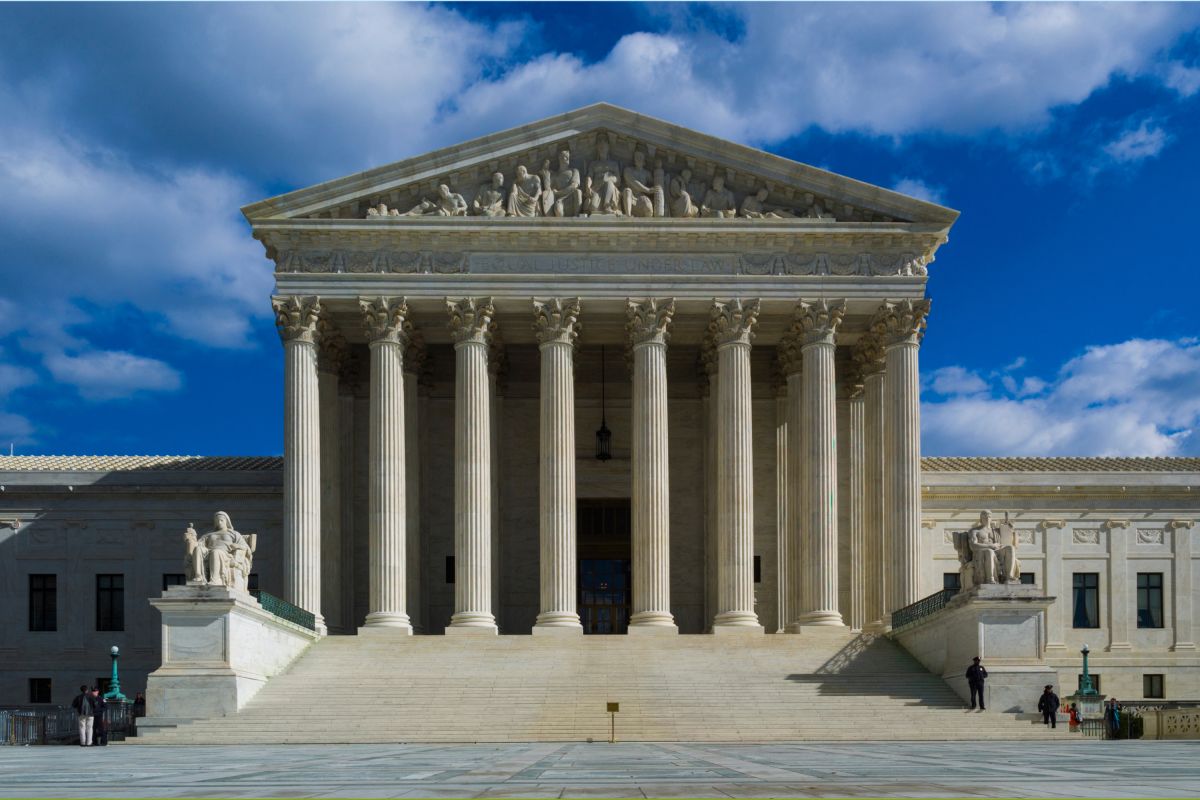
The Supreme Court ruled 6-3 that President Trump could not use an emergency law to impose tariffs.
The case involved tariffs that affected many importers, including wine companies.
Victor Schwartz, CEO of V.O.S. Selections, a wine importer, helped challenge the tariffs.
After the ruling, the Treasury Department began refunding money to importers.
The refund received by V.O.S. Selections was in the six-figure range.
The ruling ended the use of emergency law for the global trade war started under President Trump.
Many companies impacted by the tariffs are now getting money back as a result.
The decision was made in February, with refunds starting several months later.
Read the Original
Want the full story? Tap a source to open the original
article.
King Charles III outlined the UK government’s plan to pass several new laws, including major investments in northern England railways and nationalisation of British Steel. The government also plans to introduce a voluntary digital ID system and continue focusing on renewable energy without new oil and gas exploration licenses.
Key Facts
The government will invest £45 billion to improve rail services in northern England in three phases.
Improvements include electrification between Leeds-Bradford and Sheffield-York, a new high-speed route Liverpool-Manchester, and better cross-Pennine links.
No new licenses for oil and gas exploration in the North Sea will be issued; the focus remains on renewables and faster energy infrastructure.
The digital ID system will be voluntary and help people without passports or driving licenses prove their identity.
Digital ID aims to make it easier and cheaper to verify ID for services like mortgages but has received a mixed public response.
British Steel will be nationalised via emergency legislation to secure its ongoing operations and jobs.
The government took control of British Steel in April last year due to concerns from its owners about fuel supply.
Some planned energy measures include reducing gas influence on electricity prices and fast-tracking planning for new renewable energy connections.
Read the Original
Want the full story? Tap a source to open the original
article.
Global oil supplies are dropping at an unusually fast rate due to reduced exports from the Middle East caused by the war involving Iran. The International Energy Agency (IEA) reported that oil reserves fell sharply in March and April as countries used their stockpiles to cover the shortage, and warned that this fast depletion may cause oil prices to rise in the future.
Key Facts
Global oil inventories decreased by 129 million barrels in March and 117 million barrels in April.
The decline in oil stocks is because exports through the Strait of Hormuz dropped during the Iran war.
Before the conflict, the world had about 8.2 billion barrels of oil in storage; by the end of April, stocks dropped to approximately 7.8 billion barrels.
Analysts predict that by the end of May, oil inventories could reach a record low near 7.6 billion barrels.
The International Energy Agency released its largest government oil reserve stocks in mid-March to help offset the supply loss.
Global oil demand in 2024 is expected to fall by 420,000 barrels per day, partly due to higher prices and weaker economic conditions.
Oil supply is forecasted to be on average 1.78 million barrels per day less than demand this year.
The shrinking oil stockpiles could lead to future increases in oil prices.
Read the Original
Want the full story? Tap a source to open the original
article.
U.S. producer prices rose 6% over the past year, the largest increase since December 2022, driven by higher energy costs linked to the Iran war. This rise in wholesale prices puts pressure on companies to raise prices for customers and may lead to higher consumer inflation.
Key Facts
Producer prices increased 6% from a year ago, the biggest jump since December 2022.
In April alone, producer prices rose 1.4%, the largest monthly increase since March 2022.
Energy costs rose sharply: 7.8% from March to April and 22.7% compared to last year.
Gasoline prices went up 15.6% in April, and diesel prices rose 12.6%.
Core producer prices, which exclude food and energy, rose 1% in April and 5.2% over the year.
Consumer prices also increased 3.8% from last year, the biggest rise in over three years.
Rising prices come at a time when many Americans are already concerned about the cost of living.
Inflation and affordability are expected to be important topics for voters in the November elections.
Read the Original
Want the full story? Tap a source to open the original
article.
The article argues that using E15 fuel all year is not a good answer for climate issues, reducing fuel costs, or long-term energy planning. It suggests that Congress should say no to allowing E15 fuel to be sold throughout the year.
Key Facts
E15 fuel is gasoline with 15% ethanol mixed in.
The article claims year-round use of E15 does not help fight climate change.
It also says E15 is not a way to make fuel more affordable.
The article views year-round E15 as an unreliable energy policy for the future.
It urges lawmakers in Congress to reject approving continuous sales of E15 fuel.
Read the Original
Want the full story? Tap a source to open the original
article.
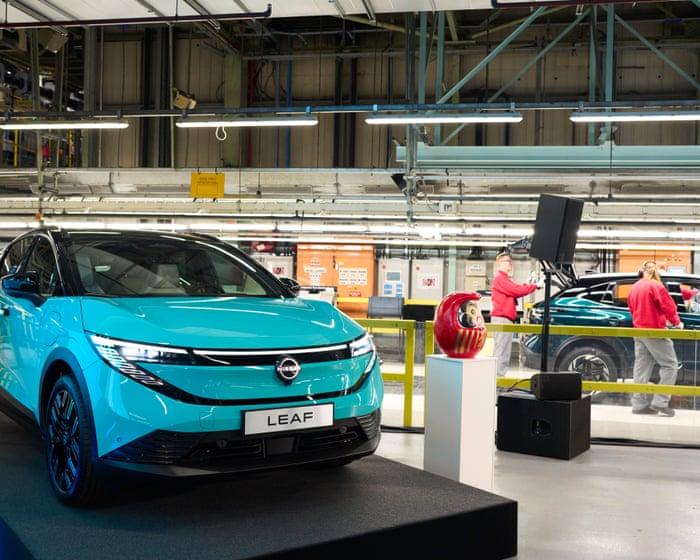
Nissan’s chief executive said the company is thinking about making cars for other brands at its Sunderland factory in the UK. This follows big losses and the closure of one production line, as Nissan looks for ways to add more work to the plant amid weak sales.
Key Facts
Nissan is considering building cars for Chinese rival Chery at its Sunderland plant.
The Sunderland factory employs about 6,000 people and recently closed one of its two production lines.
Nissan reported a net loss of around £2.5 billion for the year ending March.
Other European carmakers are also discussing sharing factories with Chinese brands to use spare capacity.
Chinese car sales in Europe have risen because their cars often cost less to make.
Nissan plans to cut costs and work more closely with external partners to stay competitive.
The company faces challenges from tariffs and strong competition, especially from China.
Nissan’s CEO Ivan Espinosa took charge a year ago with a goal to improve profitability.
Read the Original
Want the full story? Tap a source to open the original
article.
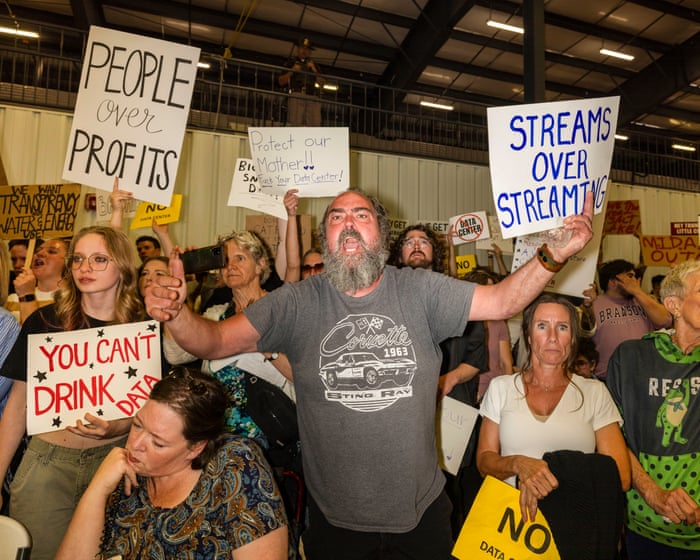
Utah approved a large datacenter project called Stratos, which will cover over 40,000 acres and use more power than the entire state currently consumes. The decision has caused strong public concern due to the datacenter's expected high energy use and large water consumption in a drought-affected area.
Key Facts
The Stratos datacenter will cover 62 square miles in Box Elder County, Utah.
It will require about 9 gigawatts of power, more than Utah’s current total electricity use.
The project will consume a large amount of water in a state experiencing severe drought.
Environmentalists warn it could harm the Great Salt Lake ecosystem and bird habitats.
Critics say the project could increase Utah’s pollution by about 50%.
Cooling the facility may raise local temperatures by several degrees Fahrenheit.
Kevin O’Leary, a venture capitalist, supports the project, citing job creation and competing with China in AI development.
Nearly 4,000 people have formally opposed the project, leading to public protests and heated meetings.
Read the Original
Want the full story? Tap a source to open the original
article.
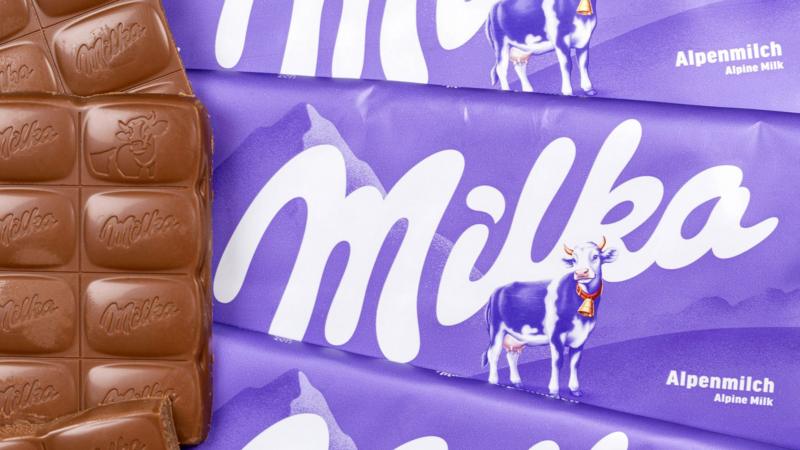
A German court ruled that Milka’s Alpenmilch chocolate bar misled customers by reducing its weight from 100g to 90g while keeping almost the same packaging. The court said the company should have clearly informed buyers about the change to avoid confusion, as this practice is known as "shrinkflation."
Key Facts
Milka's Alpenmilch bar was reduced from 100 grams to 90 grams.
The wrapper looked almost the same, causing customers to think they were buying the same amount of chocolate.
German Bremen regional court found this misled consumers and broke competition law.
The case was brought by Hamburg’s consumer protection group (VZHH).
Mondelēz, the maker of Milka, said they informed consumers online and blamed rising costs for the smaller bars.
The price of the bar went up from €1.49 to €1.99 despite less chocolate inside.
The court ruled that clear and easy-to-see notice about the size change was needed on the packaging.
This issue is part of a wider trend called shrinkflation, where companies reduce product size but keep prices the same or higher.
Another German chocolate brand, Ritter Sport, has also reduced the weight of some bars while keeping similar packaging.
Shrinkflation affects other products too, like toothpaste, oats, and coffee.
Read the Original
Want the full story? Tap a source to open the original
article.
Intertek, a laboratory testing company, is considering a £10.6 billion takeover offer from the Swedish private equity firm EQT, owned by the Wallenberg family. After rejecting three earlier offers, Intertek’s board now plans to recommend the £60-a-share deal to its shareholders, pending final approval.
Key Facts
Intertek is a laboratory testing firm listed on the London Stock Exchange since 2002 and part of the FTSE 100 index since 2009.
EQT is a Swedish buyout firm owned by the billionaire Wallenberg family; it values Intertek at £10.6 billion including debt.
Intertek had previously rejected three lower offers (£58, £54, and £51 per share) before considering the latest offer of £60 per share.
Intertek has about 45,000 employees and operates more than 1,000 labs worldwide.
The company recently reviewed its strategy and was exploring splitting off its energy and infrastructure division from its product testing business.
Some investors, including Matt Peltz of Lost Coast Collective, pressured Intertek’s board to accept the takeover offer.
The deal depends on conditions such as due diligence and will require shareholder approval.
EQT was founded in 1994 as a spinout from Investor AB, the Wallenberg family’s industrial holding company with a business empire worth about $40 billion.
Read the Original
Want the full story? Tap a source to open the original
article.
Several large class action settlements are currently paying or preparing to pay millions of Americans money. These settlements cover areas such as health insurance, technology products, and banking services, and eligibility depends on specific dates and account or purchase history.
Key Facts
Blue Cross Blue Shield agreed to a $2.7 billion settlement for alleged anti-competitive behavior affecting premiums from 2008 to 2020.
Eligible BCBS customers may receive around $300 on average, with payments starting in May 2026 for those who filed by November 2021.
Apple reached a $250 million settlement over claims it misled customers about Siri features on iPhone 15 Pro/Pro Max and iPhone 16 models bought between June 2024 and March 2025.
Apple customers may get $25 to $95 per device once the settlement is approved and proof of purchase is submitted.
Capital One agreed to a $425 million settlement for allegedly offering higher interest rates to new savings accounts while disadvantaging older accounts from 2019 to 2025.
Capital One 360 Savings account holders may receive payments based on missed interest, with funds expected automatically starting July 2027.
The article also highlights a divorce case where a Netflix subscription was treated as a valuable asset, showing how digital services can have legal and financial significance.
Deadlines and documentation requirements vary by settlement, so qualifying individuals should check specific terms to claim their money.
Read the Original
Want the full story? Tap a source to open the original
article.
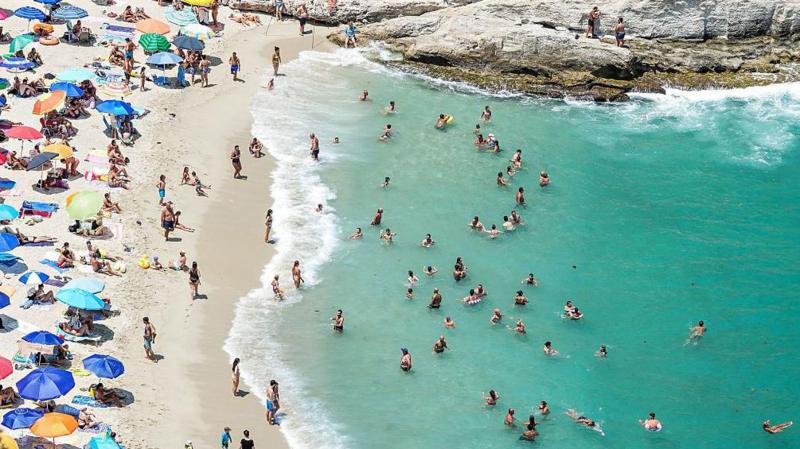
Tui, Europe's largest travel company, has seen its summer holiday bookings from UK customers fall by 10%. Customers are booking trips closer to departure dates and choosing Western Mediterranean destinations more than Eastern ones, partly due to concerns about the Iran war and jet fuel prices.
Key Facts
Tui’s revenue from UK summer holiday bookings dropped by 10%.
Customers are booking holidays later and choosing destinations in the Western Mediterranean instead of the Eastern Mediterranean.
Tui is reducing the number of airline seats it buys by 4-5% but will keep its own flights at current levels.
Tui’s CEO said there are no expected jet fuel shortages in the coming weeks.
The Strait of Hormuz, important for oil and gas shipping, is effectively closed, increasing jet fuel prices.
Some airlines have raised ticket prices or reduced flights to manage costs and cautious customers.
Tui reported a €40 million profit loss linked to the US-Israel war with Iran in the first quarter.
Overall summer booking revenues for Tui fell by 7% compared to last year.
Read the Original
Want the full story? Tap a source to open the original
article.
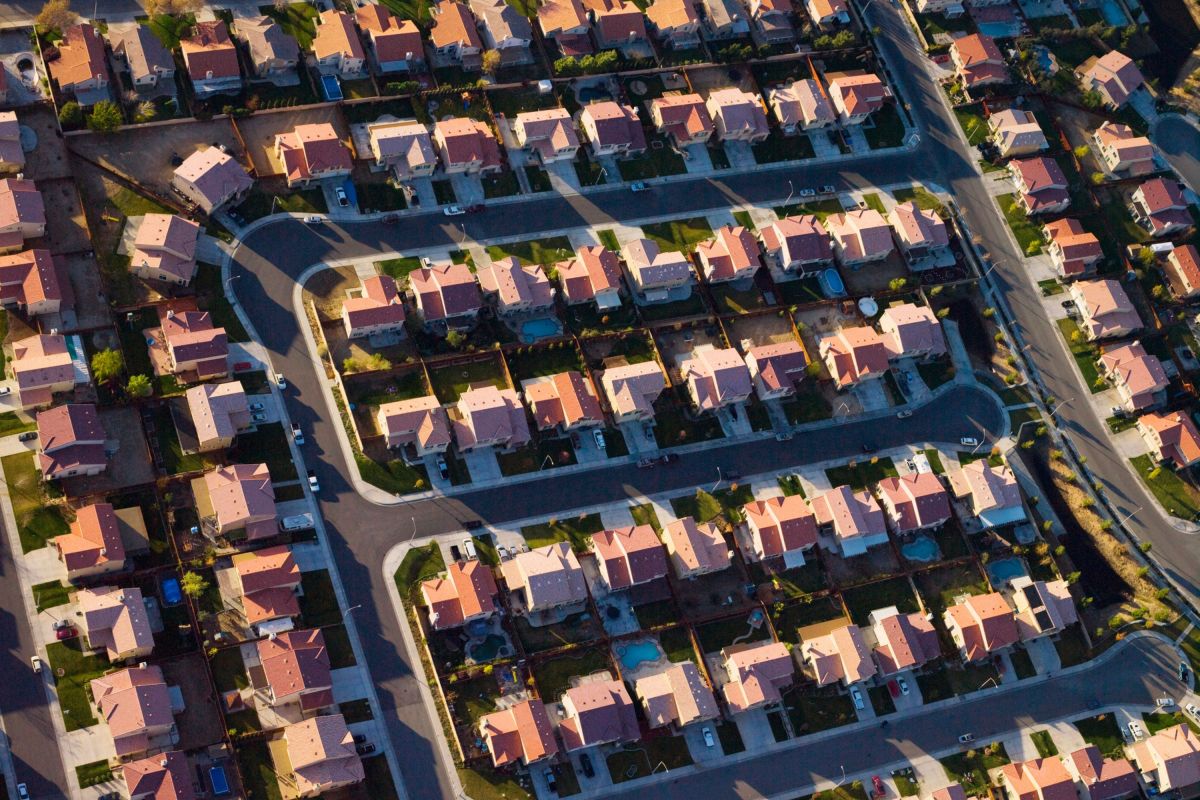
California homeowners insured by Farmers Insurance will see an average 1.5% increase in their home insurance premiums starting after September 15. The state insurance department approved the increase as part of a new pricing plan that also offers more discounts and incentives for wildfire safety measures.
Key Facts
Nearly 915,000 California homeowners with Farmers Insurance are affected.
The average premium rise approved is 1.5%, lower than the 6.99% Farmers originally requested.
Premium changes may vary depending on discounts and wildfire risk efforts.
The increase follows California’s Sustainable Insurance Strategy to help insurers handle wildfire risks and costs.
Farmers had limited issuing new policies in early 2023 but lifted those restrictions after reforms.
New discounts include raising the home-and-auto insurance bundling discount from 15% to 22%.
Homeowners taking steps to reduce wildfire risks can get additional incentives.
California’s insurance market faces challenges from wildfires, rebuilding costs, and reinsurance expenses.
Read the Original
Want the full story? Tap a source to open the original
article.
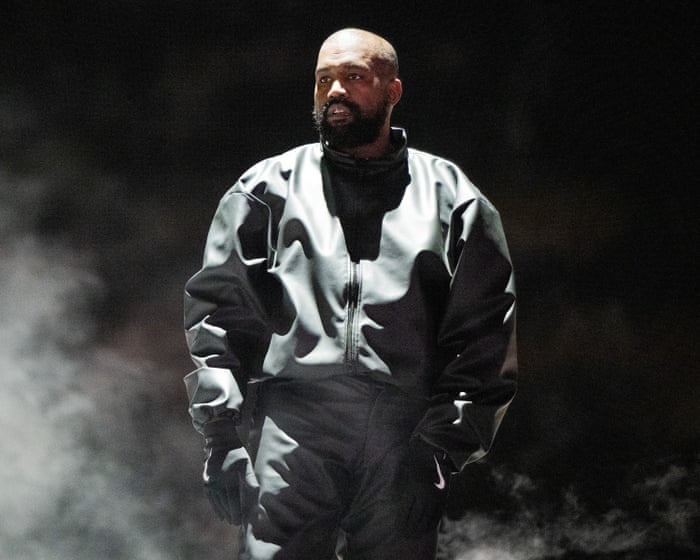
Kanye West, who now goes by Ye, lost a lawsuit over using an uncleared music sample at a live event in 2021. A jury ordered him to pay a six-figure sum to four musicians whose work was played without permission during a stadium listening party.
Key Facts
In July 2021, Ye played his unreleased album *Donda* at Atlanta’s Mercedes-Benz Stadium to 40,000 fans.
The song "Hurricane" included a sample called MSD PT2, created by four musicians in 2018.
Ye did not get permission to use this sample at the event, which made money from ticket sales and merchandise.
Ye removed the sample from the final album version and credited the four musicians for interpolation (using parts of the music differently).
The musicians sued for compensation for the unapproved use at the live event and won the case.
The jury awarded the plaintiffs a six-figure payment, but Ye’s lawyers argued the amount would be less than claimed.
Ye appeared in court and said he tries to be fair but feels people take advantage of him.
This is Ye’s second lawsuit loss this year; he also had to pay $140,000 to a handyman.
Read the Original
Want the full story? Tap a source to open the original
article.
President Donald Trump is traveling to Beijing with a group of US business leaders for a meeting with Chinese President Xi Jinping. Trump plans to ask China to allow more access to its markets for American companies and to increase purchases of US products like soybeans.
Key Facts
President Trump is visiting China on a Wednesday for a summit with President Xi Jinping.
He is accompanied by many US business executives.
Trump wants China to "open up" its market to US businesses, meaning fewer restrictions and easier access.
One of the main discussion points is China's buying of US soybeans.
The trip aims to improve trade relations between the US and China.
Other topics likely include tensions about Taiwan and Iran, as suggested by related reports.
The visit is part of ongoing efforts to boost US exports and reduce trade barriers.
This business-focused delegation shows the US interest in strengthening economic ties with China.
Read the Original
Want the full story? Tap a source to open the original
article.