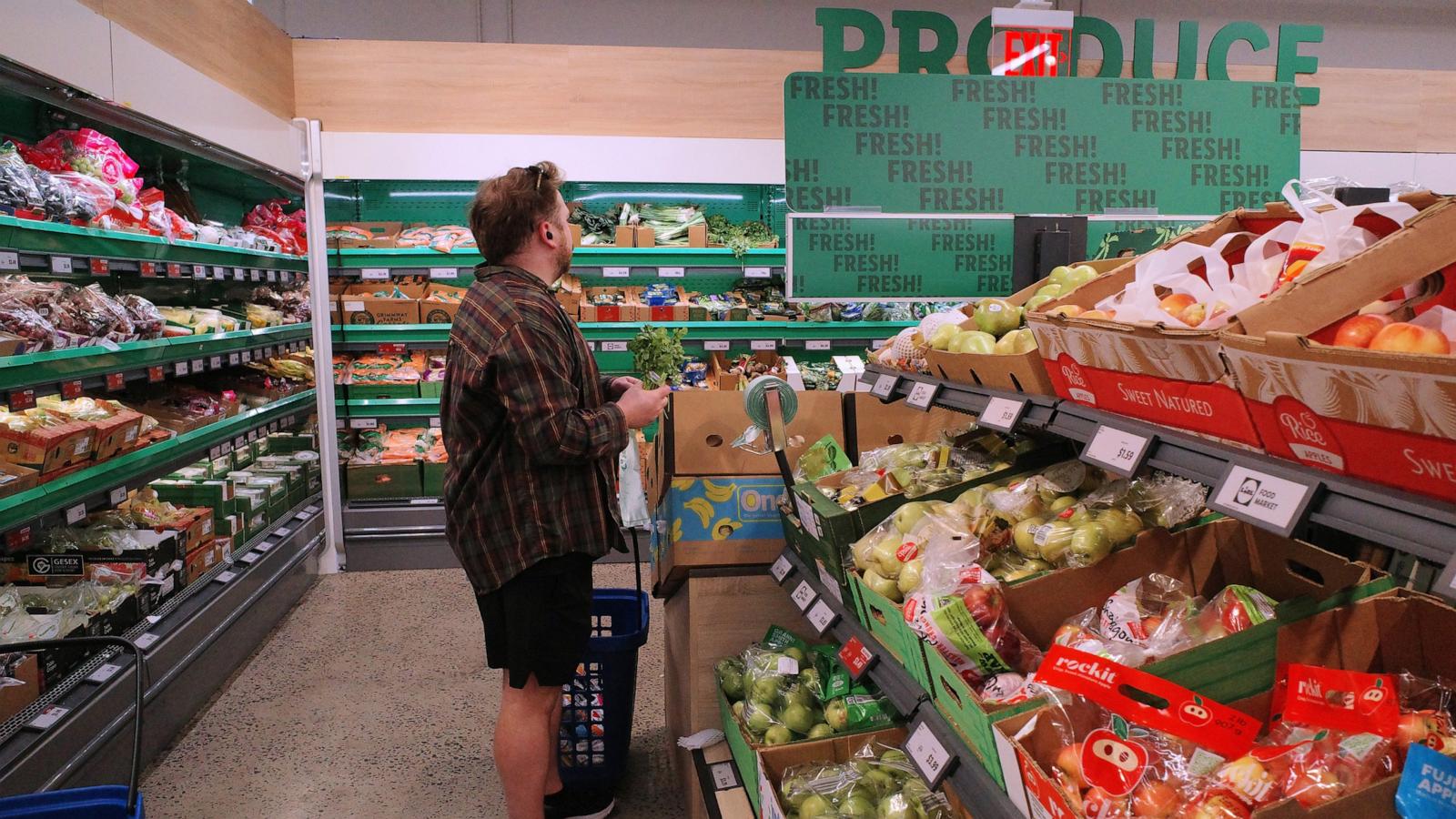
Farmers in southern France have started their own supermarket to sell fresh produce directly to consumers with lower price increases. This effort comes as rising fuel and fertilizer costs, caused by the Iran war and a blocked shipping route, put pressure on food prices. The French government is encouraging talks between farmers and supermarkets to decide how to share these extra costs.
Key Facts
Wholesale prices for grocery products in France are usually negotiated yearly between farmers and supermarkets.
This year’s negotiations coincided with the start of the war in Iran.
The war and the blocking of the Strait of Hormuz have caused fuel and fertilizer prices to rise sharply.
Higher costs for farmers can lead to higher grocery prices for consumers.
The French government wants farmers and supermarkets to discuss how to handle these costs fairly.
Farmers in southern France have opened their own supermarket to offer fresh food at lower prices.
The new farmer-owned supermarket aims to reduce the price markup for consumers.
Read the Original
Want the full story? Tap a source to open the original
article.
Aliko Dangote, Africa’s richest man, plans to build a large oil refinery in Mombasa, Kenya, after successfully launching a refinery in Nigeria. This move aims to reduce African dependence on imported fuel and improve energy security amid global oil supply disruptions.
Key Facts
Dangote launched Nigeria’s only working oil refinery in 2024, with a capacity of 650,000 barrels per day.
His Nigerian refinery began exporting oil products to neighboring African countries and beyond by March 2026.
African countries rely heavily on fuel imports from the Middle East, which is vulnerable to geopolitical conflicts like the US-Israel war on Iran.
Kenya and neighboring East African countries are discussing building a new refinery to boost regional fuel production.
Dangote prefers to build the new refinery in Mombasa, Kenya, due to its larger port and economy.
The estimated cost for the new refinery is between $15 billion and $17 billion.
Dangote’s refinery helps Nigeria become a net exporter of jet fuel and diesel.
Building a refinery in East Africa could face commercial challenges different from those in West Africa.
Read the Original
Want the full story? Tap a source to open the original
article.
Inflation in the United States rose to 3.8 percent in April, which was higher than experts expected. The increase was largely due to higher prices for energy and food, influenced by the conflict in Iran.
Key Facts
Inflation rate reached 3.8 percent over the past year as of April.
Prices increased by 0.6 percent in the month of April alone.
The Labor Department released the official inflation data on Tuesday.
Rising energy and food costs were the main reasons for the increase.
The conflict in Iran contributed to higher prices in these areas.
The consumer price index (CPI) is the main measure used to track inflation.
Inflation was higher than analysts had predicted for April.
Read the Original
Want the full story? Tap a source to open the original
article.
GameStop offered to buy eBay for $55.5 billion, but eBay’s board rejected the offer, calling it not believable or attractive. GameStop’s CEO, Ryan Cohen, did not clearly explain how the company would pay for the deal, and eBay is continuing its own business plans.
Key Facts
GameStop made an unsolicited $55.5 billion bid to buy eBay.
eBay's board reviewed and rejected the offer, citing doubts about its financing and risks.
GameStop’s market value was about $12 billion, much less than eBay’s $46 billion.
GameStop has a 5% stake in eBay and offered $125 per eBay share.
The offer included $9.4 billion in cash and $20 billion in possible loans from TD Securities.
GameStop’s shares dropped more than 12% after the bid announcement.
Ryan Cohen said GameStop could improve eBay by cutting costs and competing with Amazon.
eBay is buying Depop, a fashion resale app, to attract younger shoppers.
Read the Original
Want the full story? Tap a source to open the original
article.
eBay has rejected GameStop's $55.5 billion offer to buy the company, saying the offer was not trustworthy or appealing. eBay's concerns included how GameStop would pay for the deal and risks involved in merging the two companies.
Key Facts
GameStop offered to buy eBay for $55.5 billion in cash and stock.
eBay called the offer "neither credible nor attractive."
eBay worried about uncertainties in GameStop's financing for the purchase.
There are operational and leverage (debt) risks from merging eBay and GameStop.
GameStop owns about 5% of eBay already.
GameStop offered $125 per share to eBay's shareholders.
GameStop is smaller than eBay in value (about $10.4 billion vs. $48 billion).
GameStop became popular as a "meme stock" in 2021 when many retail investors bought its shares.
Read the Original
Want the full story? Tap a source to open the original
article.
A water company called South Staffordshire was fined £963,900 after hackers stole personal information of over 600,000 customers. The company did not detect the cyberattack, which began in 2020 and only came to light in 2022, for 20 months.
Key Facts
South Staffordshire provides water to parts of Staffordshire, Walsall, Dudley, Warwickshire, Worcester, and Derbyshire.
Hackers accessed personal information of 633,887 customers and published it on the dark web.
The cyberattack mainly happened between May and July 2022 but started in September 2020.
Hackers used a phishing email to install malicious software and gain administrator access to the company's IT network.
The breach was discovered in July 2022 after the company noticed IT problems and found a ransom note.
Over 4.1 terabytes of data, including bank details and staff National Insurance numbers, were leaked.
Investigators found South Staffordshire had poor security measures and outdated systems, allowing the attack to go unnoticed.
The company admitted fault and agreed to pay the fine without appealing.
Read the Original
Want the full story? Tap a source to open the original
article.
This article compares the costs of borrowing $40,000 using either a home equity loan or a home equity line of credit (HELOC) in May 2025. It explains that while both options have similar interest rates now, the home equity loan has a fixed rate, and the HELOC has a variable rate that can change over time.
Key Facts
Home equity loans have fixed interest rates, meaning payments stay the same each month.
HELOCs have variable interest rates, so payments can go up or down over time.
For borrowing $40,000, a 10-year home equity loan at about 7% costs around $464 a month.
A 10-year HELOC at about 7% costs about $465 a month, assuming full repayment right away.
HELOCs often allow interest-only payments during an initial period, which can lower monthly payments temporarily.
Average home equity in the U.S. is very high in 2025, offering borrowers considerable funds.
Borrowers should consider how they plan to repay and how interest rate changes could affect costs.
Alternatives like cash-out refinancing or reverse mortgages might better suit some homeowners.
Read the Original
Want the full story? Tap a source to open the original
article.
Lotus, a luxury sports car company owned by China’s Geely, says it will keep making cars in its UK factory in Norfolk and wants government help to improve the site. The company plans to grow sales in the US by continuing to produce petrol sports cars in the UK while also selling new hybrid SUVs made in China in Europe.
Key Facts
Lotus has extended production of its £80,000 Emira petrol sports car in Norfolk to keep serving the US market.
The Norfolk factory employs 900 people and currently produces 2,000 cars a year, with a capacity for 10,000.
Lotus’s Chinese parent company, Geely, considered closing the UK factory last year and cut 550 jobs in August.
Lotus CEO Qingfeng Feng said they are talking with the UK government about support, including infrastructure, not just financial help.
The US and UK agreed to limit tariffs on 100,000 British car exports to 10%, helping Lotus sell nearly two-thirds of its cars there.
Lotus will sell new Chinese-made hybrid SUVs in Europe and build a new hybrid-V8 petrol supercar called Type 135.
Geely owns several European car brands and started owning Lotus in 2017 but faced financial restructuring.
Lotus reduced its sales target from 150,000 cars a year by 2028 to 30,000, admitting the original plan was too ambitious.
Read the Original
Want the full story? Tap a source to open the original
article.
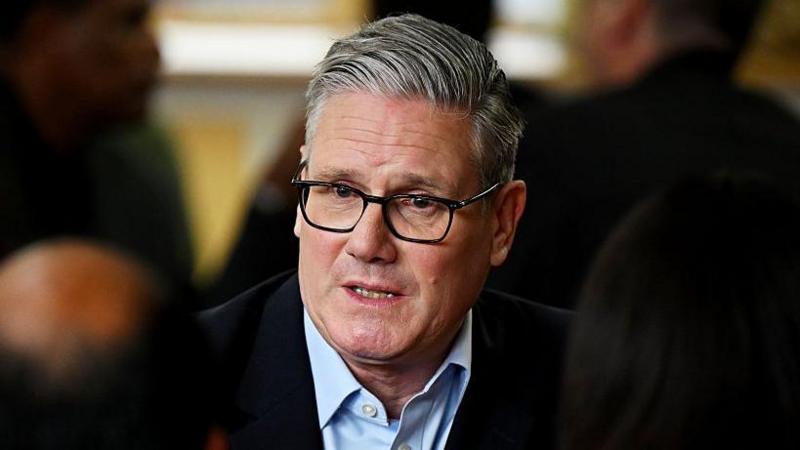
UK borrowing costs have increased due to uncertainty about Prime Minister Sir Keir Starmer's future amid calls for his resignation. Investors worry that a new leader might increase public spending, which could raise government borrowing and inflation.
Key Facts
UK government borrowing costs rose, with the 10-year bond interest rate hitting 5.13%, near levels from the 2008 financial crisis.
Around 80 Labour MPs have asked Prime Minister Starmer to resign following poor election results.
Starmer told his cabinet to continue governing and said no formal leadership challenge has started.
Investors fear that a change in leadership could lead to looser public spending and higher government borrowing.
Potential replacements for Starmer, like Andy Burnham and Angela Rayner, are expected to increase public spending.
The rise in bond yields affects mortgage rates and the government’s cost of paying interest on debt.
The UK’s main stock index (FTSE 100) and the pound both fell amid market concerns.
Higher oil prices and political uncertainty add inflation pressure and make investors demand higher returns.
Read the Original
Want the full story? Tap a source to open the original
article.
Ralph Lauren, a well-known American fashion designer, is working with the U.S. Postal Service to celebrate the United States' 250th birthday. This partnership highlights his influence on American culture through a special project.
Key Facts
Ralph Lauren is a famous American designer.
He is partnering with the U.S. Postal Service.
The partnership celebrates the 250th birthday of the United States.
The project involves creating something to honor this milestone.
This collaboration showcases Ralph Lauren’s connection to American identity.
The announcement was made in May 2026.
The celebration marks the nation’s history and culture.
Read the Original
Want the full story? Tap a source to open the original
article.
The 2026 federal budget includes tax cuts for working Australians, support for public servants, and funding for scientific agencies. It also introduces temporary tax relief for commercial media and allocates money to combat illegal tobacco. However, some government agencies will face staff cuts, and there is limited funding for endangered species protection.
Key Facts
A new tax offset of up to $250 per year will start in 2027-28 for over 12.5 million working Australians.
The income tax rate for lower earners will drop from 15% to 14% starting July 2027.
Taxpayers can instantly deduct $1,000 from their taxes from 2026-27 without keeping receipts.
The federal public service will grow to 217,256 staff in 2026-27, the highest yet.
Commercial TV and radio networks are exempt from the broadcasting tax until June 2028, costing taxpayers $111.3 million over five years.
Agencies like the Australian Competition and Consumer Commission and National Disability Insurance Agency will reduce staff.
Funding will go to scientific bodies: $273 million to the National Measurement Institute, $21.7 million to the Australian Space Agency, and $387.4 million to the CSIRO.
The government expects illegal tobacco sales to reduce tobacco tax revenue by $1.2 billion over four years despite spending $20 million to fight illicit sales.
Higher taxes on property investors aim to help 75,000 first home buyers, but rents are expected to increase slightly.
Conservation funding of $99.6 million over two years is considered insufficient for endangered species and habitat protection.
Read the Original
Want the full story? Tap a source to open the original
article.
In Jordan, many people have been tricked by fake online ads and social media sellers offering cheap gold. These sellers disappear after receiving payments or sell fake gold mixed with other metals. The Jordan Standards and Metrology Organisation (JSMO) is working with security forces to stop these scams and warn buyers to use licensed shops.
Key Facts
Fake ads and social media groups promise low-priced gold to lure buyers in Jordan.
Some buyers lose money when sellers vanish after payment or receive fake gold.
JSMO is the official body that inspects and stamps all gold jewelry before sale.
Local workshops must submit gold for inspection to ensure quality and legal standards.
JSMO is monitoring and acting against unlicensed sellers promoting gold fraud on social media.
The Jordanian Association of Jewelry and Goldsmiths advises buying gold only from licensed shops with proper invoices.
Many scams use fake images and offers, and sell counterfeit or low-quality gold.
Legal penalties apply to sellers caught selling unstamped or fake gold products.
Read the Original
Want the full story? Tap a source to open the original
article.
The Australian government plans to save $36.2 billion over four years by slowing the growth of the National Disability Insurance Scheme (NDIS). Changes will limit who can access the program and reduce payments, aiming to support people with the most significant disabilities while keeping costs manageable.
Key Facts
The government expects to save $36.2 billion by limiting NDIS growth over the next four years.
NDIS currently supports over 760,000 Australians with disabilities.
Payments to participants are projected to decrease by at least $37.8 billion until 2030.
The scheme’s growth target will be reduced to 2% per year to avoid costs exceeding $100 billion by the mid-2030s.
The National Disability Insurance Agency will reduce staff by 669 next year, but the NDIS Quality and Safeguards Commission will add nearly 200 staff.
Participant numbers are expected to drop to about 600,000 by 2030 from a forecast of 900,000 without changes.
New rules will reduce unscheduled reassessments, a major cause of spending growth.
A new assessment tool will standardize eligibility starting January 2028.
Non-NDIS programs for those no longer eligible will receive $3 billion over five years, matched by states and territories.
The Thriving Kids program for young children with autism and developmental delays will begin rolling out from October and be fully operational by January 2028.
Read the Original
Want the full story? Tap a source to open the original
article.
The CEO of Saudi Aramco stated that closing the Strait of Hormuz causes a weekly loss of 100 million barrels of oil. Oil prices rose as President Donald Trump said the ceasefire with Iran was very fragile and proposed removing the US federal gas tax to help consumers during the conflict.
Key Facts
The Strait of Hormuz is a key passage for oil shipments.
Its closure leads to a loss of 100 million barrels of oil per week, according to Saudi Aramco’s CEO.
Oil prices increased amid tensions involving Iran and the Strait of Hormuz.
President Donald Trump described the ceasefire with Iran as "on massive life support."
Trump suggested scrapping the US federal gas tax to reduce fuel costs for consumers.
There have been occasional clashes between Iranian and US forces near the Strait.
The conflict impacts global oil supply and energy markets.
Read the Original
Want the full story? Tap a source to open the original
article.
Australia’s Treasurer Jim Chalmers has introduced major changes to property taxes, including ending negative gearing for new investors and altering capital gains tax to a system adjusted for inflation. The 2026 budget also plans large savings from changes to the national disability insurance scheme and delayed tax relief for workers, aiming to improve fairness and support home ownership despite economic challenges.
Key Facts
Negative gearing tax breaks will be abolished for new property investors.
The 50% capital gains tax discount will be replaced with a method that accounts for inflation, like before 1999.
These changes are expected to help 75,000 Australians buy homes over the next decade.
The national disability insurance scheme will be cut to save $36.2 billion over four years.
More than 13 million workers will receive a $250 tax offset starting in 2027-28.
A $1,000 instant tax deduction will benefit 6.2 million people in 2026-27.
The budget includes a $2.6 billion fund for a temporary 26-cent cut in fuel taxes.
The federal budget still plans deficits over the next few years but aims for a surplus within ten years.
Read the Original
Want the full story? Tap a source to open the original
article.
An inflation report will show rising prices as the war in Iran causes fuel costs to surge. Gasoline prices and airline fares have increased sharply, pushing overall consumer prices higher in April compared to previous months.
Key Facts
Inflation in the U.S. is expected to rise to 3.8% in April, up from 3.3% in March.
Gasoline prices jumped nearly 52% since the Iran war began on February 28, reaching $4.52 per gallon.
The Iran war led to the closure of the Strait of Hormuz, a key route for about 20% of global oil supply.
The U.S. produces more oil than it consumes but still faces price increases due to global oil market changes.
Higher fuel costs increased prices for gas-dependent transportation like airline tickets and may soon affect groceries and furniture.
Consumer sentiment dropped to its lowest level ever recorded in May, according to a University of Michigan survey.
Despite inflation, U.S. economic growth was 2% in the first quarter of 2026, with unemployment steady at 4.3%.
The Federal Reserve has kept interest rates steady since early 2026 but may raise them if inflation continues rising.
Read the Original
Want the full story? Tap a source to open the original
article.
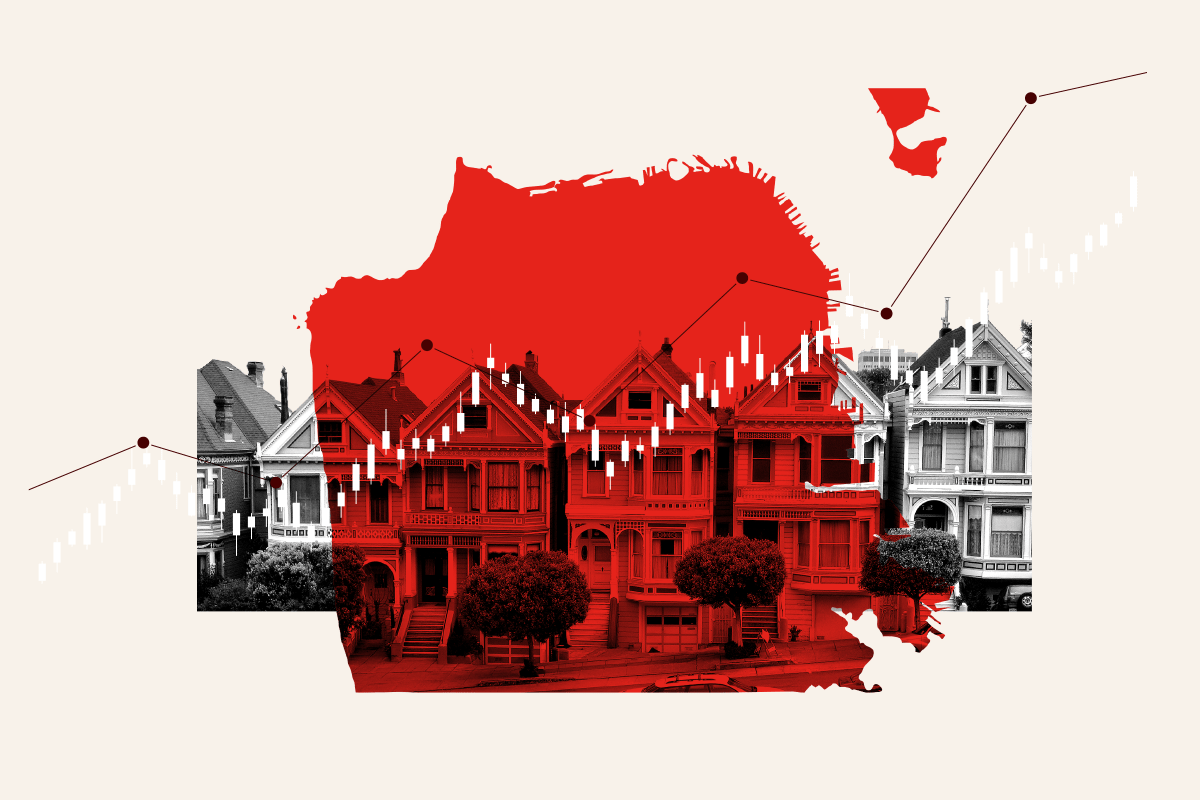
San Francisco’s housing market is growing quickly, even as many other parts of the United States see slower home sales and price gains. This growth is driven mainly by the rise of the artificial intelligence (AI) industry, which brings wealthy workers to the city and pushes home prices higher.
Key Facts
San Francisco’s median home listing price rose 16.2% through April 2026, reaching nearly $1 million.
The U.S. median home price was $425,000 in April 2026, much lower than San Francisco’s.
High-end home prices in San Francisco grew 4.7% year-to-date, nearly doubling last year’s growth rate.
AI companies like OpenAI and Anthropic are expanding in San Francisco, creating many high-paying jobs.
Wealthy AI workers are buying homes, especially in luxury neighborhoods, causing prices to rise sharply.
Luxury home prices in the Bay Area rose an average of 13.4% in the two years after ChatGPT launched.
The rise in housing demand and prices risks pushing out essential workers like teachers and nurses.
Experts warn that if cities do not build more housing, the AI-driven demand could worsen affordability problems.
Read the Original
Want the full story? Tap a source to open the original
article.
UK long-term borrowing costs have reached their highest level since 1998 as investors worry about political uncertainty around Labour leader Keir Starmer. The value of UK government bonds fell, the pound dropped, and stock prices declined amid fears that a leadership change could lead to more public spending and inflation.
Key Facts
The interest rate on 30-year UK government bonds rose to 5.794%, the highest since May 1998.
The 10-year UK government bond yield increased to 5.11%, near its highest level since 2008.
The British pound fell 0.5% against the US dollar and 0.3% against the euro.
More than 70 Labour MPs publicly called for Keir Starmer to resign amid internal party pressure.
Investors fear a left-leaning replacement would increase government spending and loosen fiscal rules.
The FTSE 100 stock index dropped nearly 1%, with bank shares losing 3-4%.
Oil prices rose due to concerns over fragile peace talks between the US, Israel, and Iran.
Higher energy prices and political uncertainty are increasing inflation risks and financial market instability.
Read the Original
Want the full story? Tap a source to open the original
article.
The mining company Fortescue has been ordered by a federal court to pay $150 million to the Yindjibarndi traditional owners for cultural losses caused by the Solomon Hub iron ore mine in Western Australia. This is the largest native title compensation payout in Australian history and follows a long legal fight by the Yindjibarndi people over damage to their land and culture.
Key Facts
Fortescue’s Solomon Hub mine has generated about $80 billion in revenue since 2013.
The Western Australian government approved the mine without the Yindjibarndi traditional owners’ consent.
The Yindjibarndi Ngurra Aboriginal Corporation (YNAC) filed the compensation claim in 2022, initially seeking $1.8 billion.
The court awarded $150 million for cultural loss and only $100,000 for economic loss.
The Yindjibarndi people gained exclusive native title rights to the land around the mine in 2017.
The court found 140 cultural sites completely destroyed and 240 moved off the land.
The judge described the cultural damage as harming the community’s spirit and soul deeply.
Fortescue had made deals with a breakaway group to secure land agreements after YNAC refused offered royalties.
Read the Original
Want the full story? Tap a source to open the original
article.
Five former top accountants at Carillion, a major UK construction company that collapsed in 2018, have been banned from working as accountants for several years due to reckless actions related to false financial reporting. The company’s collapse caused huge debts, job losses, and delays in public projects.
Key Facts
Carillion was a large UK construction and services company that went into compulsory liquidation in January 2018.
The collapse was one of the biggest corporate failures in UK history, with debts of £7 billion.
Five former senior accountants at Carillion have been banned by the UK accountancy regulator (FRC) for acting recklessly in financial reporting.
Richard Adam, the former finance director, was banned for 15 years and fined over £220,000.
Zafar Khan, another former finance chief, was banned for 10 years and fined over £60,000.
Three other senior accountants received bans between 2 and 8 years, along with fines and reprimands.
The misleading financial statements covered transactions and contracts from 2013 to 2017.
Carillion’s collapse led to 3,000 job losses and disrupted 450 projects in schools, roads, prisons, hospitals, and sports facilities.
Read the Original
Want the full story? Tap a source to open the original
article.