Private utility companies in the US are funding local groups to oppose efforts by cities to take control of their electric grids and create public power systems. Public power utilities are owned by local governments and usually have lower rates and better service, but private utilities risk losing profits if cities municipalize their power systems.
Key Facts
Many US communities want to create municipal utilities, which are locally owned and tend to have lower electricity bills.
Private utilities are secretly funding groups to discourage cities from switching to public power.
In Ann Arbor, Michigan, a local group opposing public power is actually funded by DTE Energy, the main private utility there.
DTE and other private utilities stand to lose billions if more cities municipalize their electricity grids.
Municipal utilities reinvest excess money into the grid or use it to lower customer bills, unlike private utilities that pay profits to investors.
The municipalization process requires cities to pay utilities for the infrastructure but allows local control of electricity.
Cities like Ann Arbor have tried other options, such as sustainable energy programs, but still rely on private utilities for their grid.
Some utilities use unusual tactics, like hiring canvassers from plasma donation centers, to fight public power campaigns.
Read the Original
Want the full story? Tap a source to open the original
article.
Shivon Zilis, a former OpenAI board member, testified in a lawsuit between Elon Musk and OpenAI that Musk wanted Tesla to take control of OpenAI by making it a subsidiary. The trial is about a dispute between Musk and OpenAI CEO Sam Altman over the company's direction and control.
Key Facts
Shivon Zilis testified in the trial involving Elon Musk and OpenAI.
She is a former board member of OpenAI and has a personal relationship with Musk.
Musk aimed for Tesla to become the parent company of OpenAI.
The lawsuit concerns Musk's disagreements with OpenAI leadership, including CEO Sam Altman.
Musk and Altman are involved in a legal battle over control and decisions about AI development.
The trial is taking place in California with a judge and jury present.
The case highlights tensions in the technology and artificial intelligence sector.
Read the Original
Want the full story? Tap a source to open the original
article.
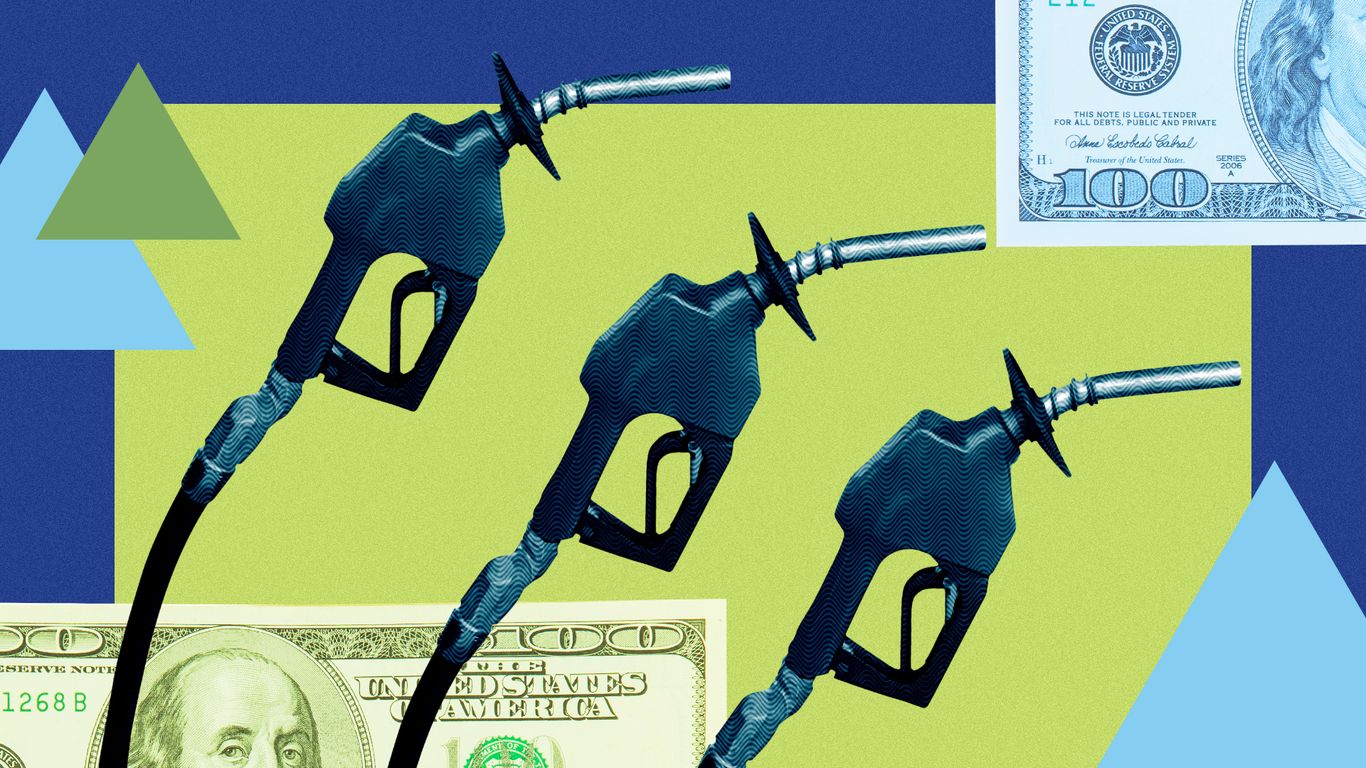
Gas prices in the U.S. are unlikely to return to the low levels seen before the war until early or mid-2027, even if a peace deal with Iran is reached and the Strait of Hormuz reopens. Higher prices are due to slow recovery in global oil flow, production cuts, and the time it takes for fuel retailers to adjust prices.
Key Facts
The average U.S. price for regular gasoline was $4.54 per gallon, compared to just under $3 before the war.
If the Strait of Hormuz reopens, some gas price relief could happen within days, but full recovery will take months.
Analysts predict it may take until early or mid-2027 for gas prices to drop back to pre-war levels.
Oil producers in the Persian Gulf reduced output when export routes were cut, slowing price recovery.
Gas stations sell fuel bought at higher prices first, causing slow declines in retail prices even when oil prices fall.
The Strait of Hormuz’s future stability is uncertain because Iran might still threaten or disrupt its passage.
Experts suggest building pipeline networks to bypass the Strait and reduce future risks to oil supply.
A full reopening of the Strait and meaningful oil volume recovery might not happen before June, according to some analysts.
Read the Original
Want the full story? Tap a source to open the original
article.
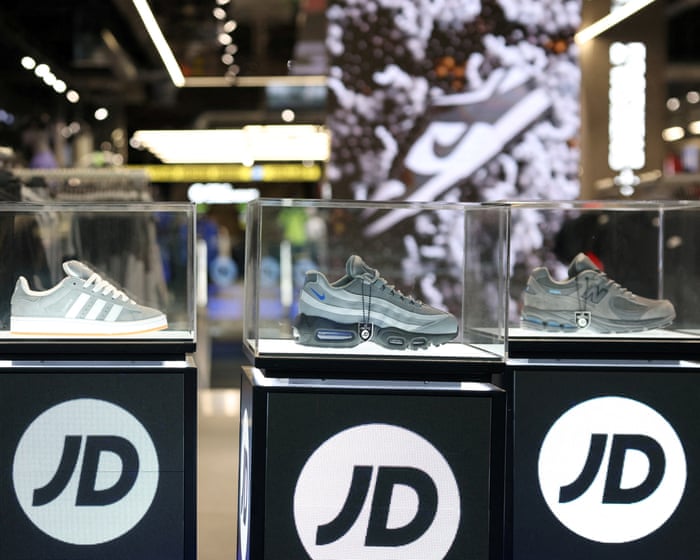
JD Sports expects lower profits this year because people, especially young customers, are spending less and because of concerns about the war in Iran. The company said the conflict might increase costs and prices, but there has been no direct effect on its stores yet.
Key Facts
JD Sports runs 4,800 stores worldwide, including JD, Blacks, and Millets in the UK.
The company forecasts profits between £750 million and £850 million this year, down from £852 million last year.
Sales were flat in the three months to April and rose 2.1% in the year ending January to £12.66 billion.
UK sales fell by 2.5%, while sales in Europe and the US grew.
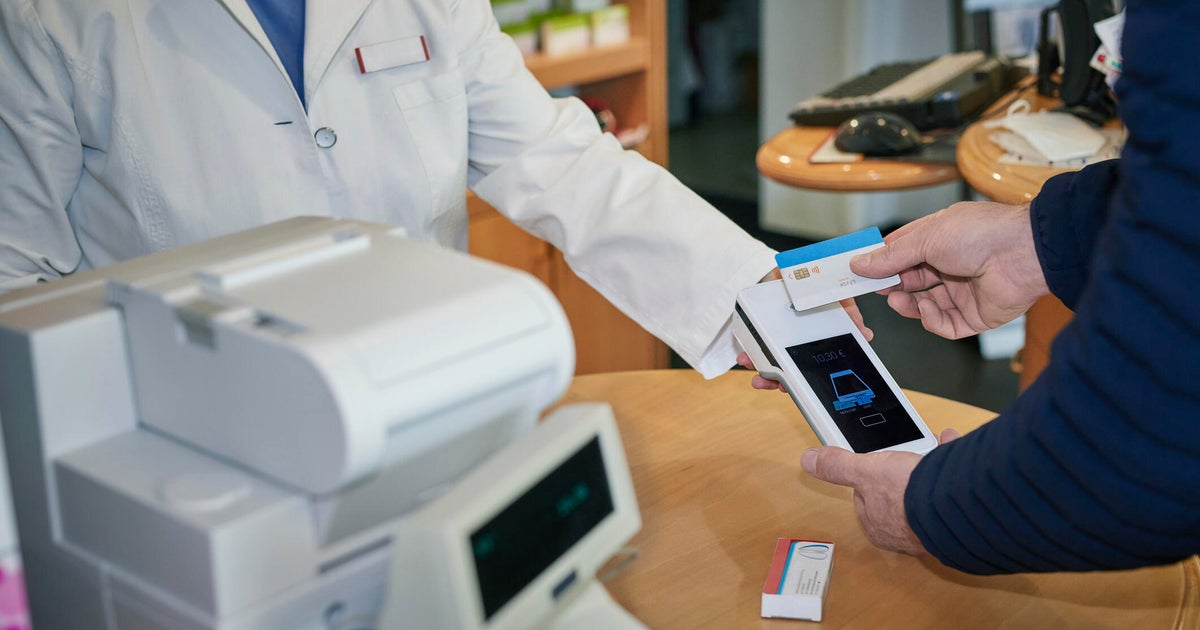
Pharmacy coupons offered by drug manufacturers can help patients save money on brand-name prescription drugs, especially for people without insurance. However, for those with commercial insurance, using these coupons can be complicated because they may lead to higher overall costs for insurers and consumers.
Key Facts
Drug manufacturers provide coupons to reduce the cost of brand-name drugs at the pharmacy.
These coupons differ from discount card services like GoodRx, which negotiate lower prices with drug sellers.
Coupons encourage patients to choose brand-name drugs over cheaper generic versions.
Patients with commercial insurance have used fewer manufacturer coupons recently, despite rising drug costs.
Insurance companies say coupons make them pay for more expensive drugs, raising premiums for everyone.
Uninsured patients can save money using coupons or programs like the federally funded TrumpRx.
TrumpRx offers coupons for about 85 drugs, but not all medications have coupon offers there.
For insured patients, using coupons can be helpful only if the drug is not covered by insurance or when paying cash.
Read the Original
Want the full story? Tap a source to open the original
article.
British Michelin-starred chef Jason Atherton is opening restaurants abroad, such as in Italy, to help support his UK businesses due to high taxes and difficult conditions in the UK hospitality sector. He says restaurants in the UK face higher taxes than in Europe, making it hard to make a profit and risking their survival.
Key Facts
Jason Atherton is opening a new restaurant in Italy called Maria’s, located in the Principessa hotel at Forte dei Marmi.
He has restaurants in various countries, including Dubai and St Moritz.
Atherton says UK restaurants face higher taxes, including a 20% VAT (value-added tax), which is the highest in Europe compared to Italy’s 10%.
Business rates (a type of local tax) have increased in the UK after Covid relief ended, adding about £32,000 extra in tax costs to the average restaurant.
Employer contributions to national insurance (a UK tax on wages) have risen for lower-paid workers, increasing labor costs for restaurants.
UKHospitality, an industry group, says UK restaurants are at a disadvantage due to these high taxes compared to European competitors.
Atherton is cautious about opening new UK venues and says some of his UK restaurants are losing money.
He strives to keep prices affordable, such as offering pints of beer for under £5 despite rising costs.
Read the Original
Want the full story? Tap a source to open the original
article.
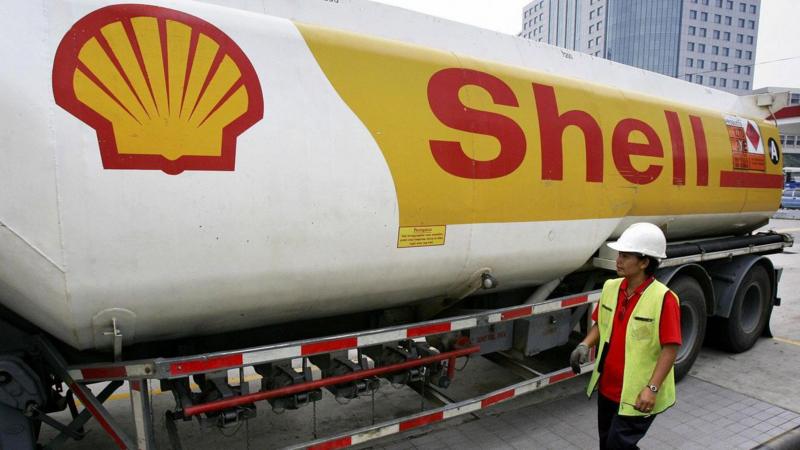
Shell's profits rose to $6.92 billion in the first three months of the year, helped by higher oil prices after the war involving Iran began. The conflict caused the Strait of Hormuz to close, reducing oil supply and raising prices, which also helped Shell's oil trading business make more money.
Key Facts
Shell earned $6.92 billion in profits from January to March 2024, up from $5.58 billion last year.
Oil prices rose sharply due to the war involving Iran and the closure of the Strait of Hormuz.
About 20% of the world's oil and natural gas usually passes through the Strait of Hormuz.
Rival company BP reported that its profits more than doubled in the same period.
Shell’s oil and gas production fell by 4% because its gas plant in Qatar was damaged during the conflict.
Shell’s profits were supported by gains in its oil trading business, which benefits from price changes.
Shell’s CEO Wael Sawan highlighted their focus on safe operations and working with governments amid energy market challenges.
Read the Original
Want the full story? Tap a source to open the original
article.
The federal and Victorian governments have approved a new gas drilling project called the Annie gasfield in the Otway basin, expected to start producing gas by 2028. Environmental groups warn this project could harm the ocean near the Twelve Apostles and slow down the shift to cleaner energy in Victoria.
Key Facts
The Annie gasfield project is located about 9 km off the coast near Peterborough and Port Campbell, close to the Twelve Apostles.
The project could produce up to 65 petajoules of gas, which is over one-third of Victoria’s yearly gas use.
Gas demand is falling as more people move to electric power, but some industries still need gas.
Environmental groups say the new gasfield risks the ocean environment and harms efforts to reduce carbon emissions.
Victoria aims to reach 95% renewable energy by 2035, but new fossil fuel projects may slow progress.
Victoria is the largest gas user in Australia, especially in manufacturing and industrial heating.
The Australian Energy Market Operator expects gas supply shortages to be delayed until 2029 due to new projects and less gas use.
The opposition plans to pause major renewable energy transmission projects and support urban solar farms instead of new power lines.
Read the Original
Want the full story? Tap a source to open the original
article.
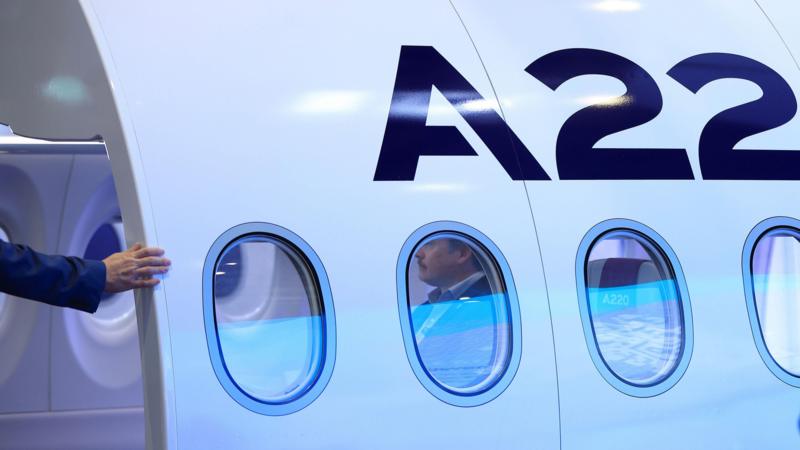
Malaysian airline Air Asia has ordered 150 Airbus A220 airplanes, worth about $19 billion. The wings and center parts of these planes are made at Airbus’s Belfast factory, which is an important manufacturing site in Northern Ireland.
Key Facts
Air Asia placed the largest ever order for the Airbus A220, totaling 150 planes.
The list price of the order is $19 billion, but the final payment amount is not confirmed.
The Belfast Airbus factory makes the wings and mid-body sections of the A220 aircraft.
The factory employs around 1,500 people and supports more jobs through local suppliers.
Airbus bought the Belfast factory in 2025 during a deal that split Spirit AeroSystems.
Boeing also owns some parts of the former Spirit AeroSystems site and employs most of the 3,500 staff there.
Airbus plans to invest more money in Belfast to increase A220 production and improve efficiency.
Air Asia is interested in a larger "stretched" version of the A220, which could hold around 200 passengers.
Read the Original
Want the full story? Tap a source to open the original
article.
The ruling royal family of the United Arab Emirates (UAE), the Al Nahyans, has received over €71 million in European Union (EU) farming subsidies between 2019 and 2024. These subsidies support large farms in Romania, Italy, and Spain, which produce crops for export to the Gulf region.
Key Facts
The Al Nahyan family controls subsidiaries that received more than €71 million in EU farming subsidies over six years.
These subsidies come from the EU’s Common Agricultural Policy (Cap), which pays about €54 billion annually to farmers and rural areas.
The largest recipient is Agricost, a Romanian company owning the EU’s largest single farm, covering 57,000 hectares (141,000 acres).
Agricost alone received €10.5 million in direct payments in 2024, far more than the average EU farm.
The Al Nahyans are one of the richest royal families, with wealth mainly from UAE oil reserves, and have expanded global farmland holdings to around 960,000 hectares.
The UAE’s farming expansion is part of a food security strategy since the country imports up to 90% of its food.
Critics say the EU subsidies disproportionately benefit large landowners and are indirectly supporting autocratic regimes like the UAE.
The European Commission is proposing to limit subsidy payments to large farms to improve fairness in future EU budgets.
Read the Original
Want the full story? Tap a source to open the original
article.
A UK thinktank recommends lowering speed limits and cutting fuel taxes to reduce the impact of the Iran conflict on consumers. They suggest these measures could help lower fuel demand, reduce inflation, and support the economy amid rising energy prices.
Key Facts
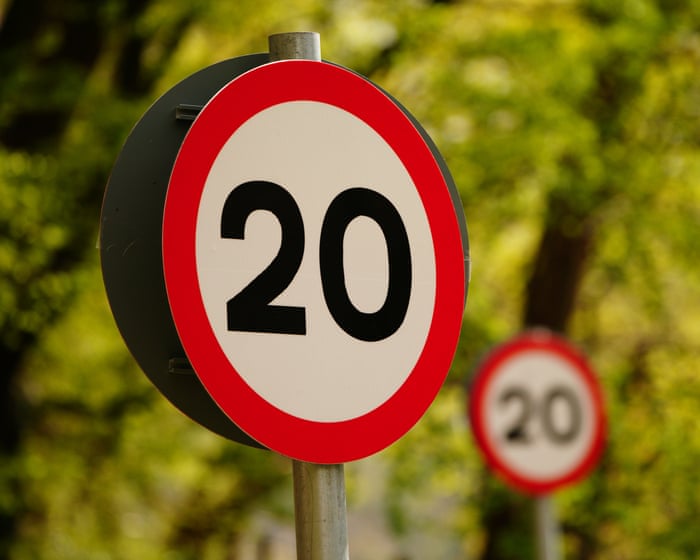
The Institute for Public Policy Research (IPPR) suggests reducing speed limits to 20 mph in towns and 60 mph on motorways.
Lower speed limits aim to cut fuel use and encourage walking, cycling, carpooling, and working from home.
The thinktank also proposes a temporary fuel duty cut of 10p per litre until spring 2027.
A new energy price cap of £2,000 a year is recommended to help households manage high gas and electricity bills.
These measures could reduce inflation peaks from 5.8% and possibly prevent Bank of England interest rate hikes.
The Bank of England is cautious about rising rates but has kept them steady at 3.75% for now.
The policy package might cost up to £5 billion a year but is less expensive than previous energy crisis responses.
The UK Treasury could lose up to £8 billion annually from economic slowdown without such support.
Read the Original
Want the full story? Tap a source to open the original
article.
The Australian government will require gas companies to reserve 20% of their export amounts for domestic use starting July 1, 2027. This rule aims to increase gas supply and reduce prices for people and businesses on the east coast.
Key Facts
Gas companies based in Queensland must keep 20% of their export gas for local use.
This rule applies to new contracts signed after December 22, 2023.
Companies must prove they met this requirement to get a permit for exporting gas on the overseas spot market.
The policy aims to create a small extra supply of gas to lower prices and prevent shortages.
Gas prices in Australia have increased because local markets are linked to international prices since LNG exports began.
The government will remove the "gas trigger," a rule that previously forced exporters to keep some gas for domestic use.
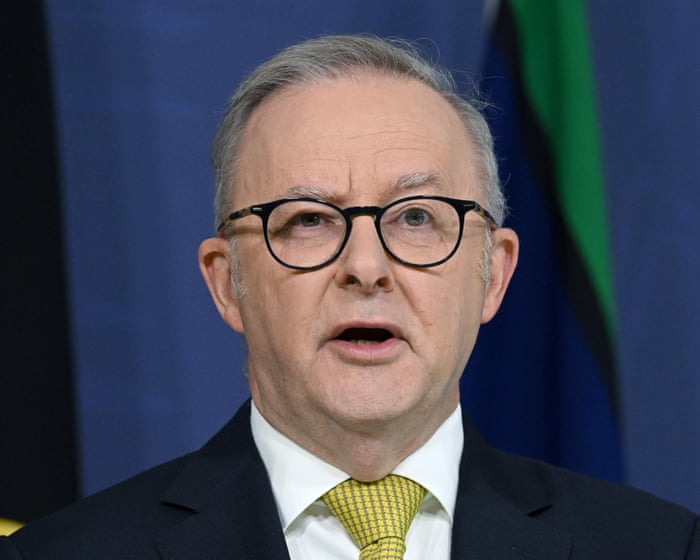
Prime Minister Albanese has decided not to introduce a new gas export tax in the upcoming federal budget.
A parliamentary inquiry on a possible new gas export tax is expected to report its findings soon.
Read the Original
Want the full story? Tap a source to open the original
article.
Sony faced accusations of controlling the market unfairly and causing digital game prices on the PlayStation Store to rise. A settlement with Sony may allow PlayStation users to receive refunds.
Key Facts
Sony was accused of monopolizing the digital game market.
The accusations claim this led to higher prices for games on the PlayStation Store.
A legal settlement has been reached involving Sony.
As part of this settlement, some PlayStation users might get refunds.
The issue involves digital purchases made through the PlayStation Store.
The case highlights concerns about fair competition in online gaming sales.
The settlement aims to resolve consumer complaints without a prolonged court case.
Read the Original
Want the full story? Tap a source to open the original
article.
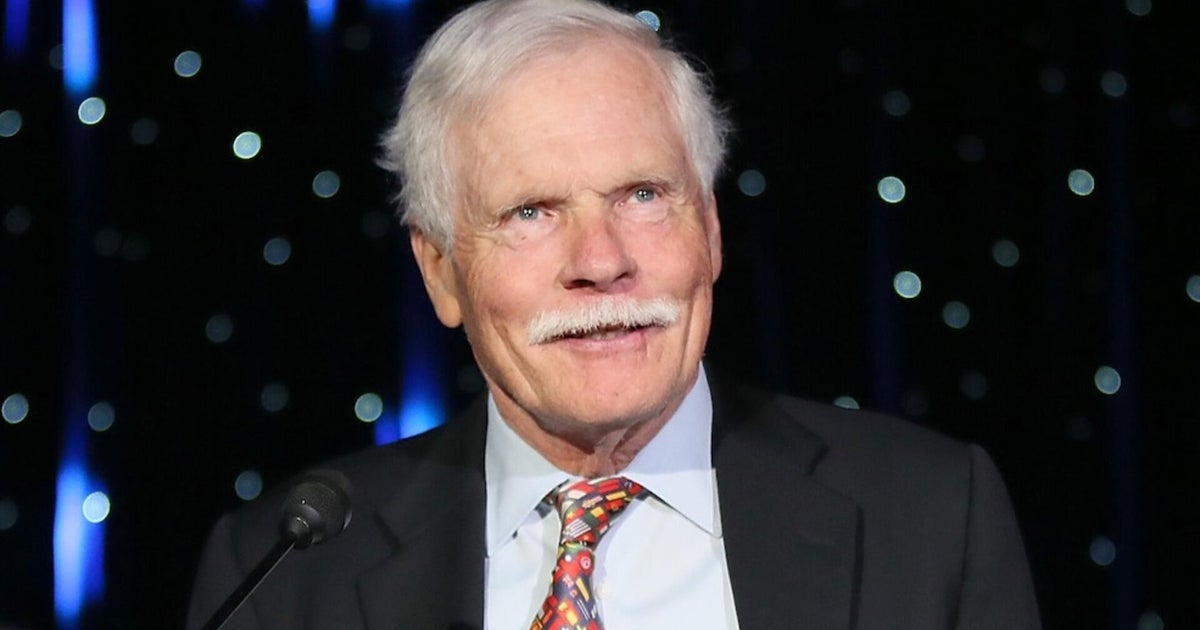
Ted Turner, the businessman who started CNN, died at age 87. Jonathan Klein, who led CNN from 2004 to 2010, spoke about Turner's strong impact on the news industry.
Key Facts
Ted Turner founded CNN, the first 24-hour cable news channel.
He passed away on Wednesday at the age of 87.
Jonathan Klein was CNN's president between 2004 and 2010.
Klein described Turner's influence as extraordinary.
Turner was also known for his work as a philanthropist.
CNN changed how people get news by broadcasting continuously.
Turner's innovations helped shape modern news media.
Read the Original
Want the full story? Tap a source to open the original
article.
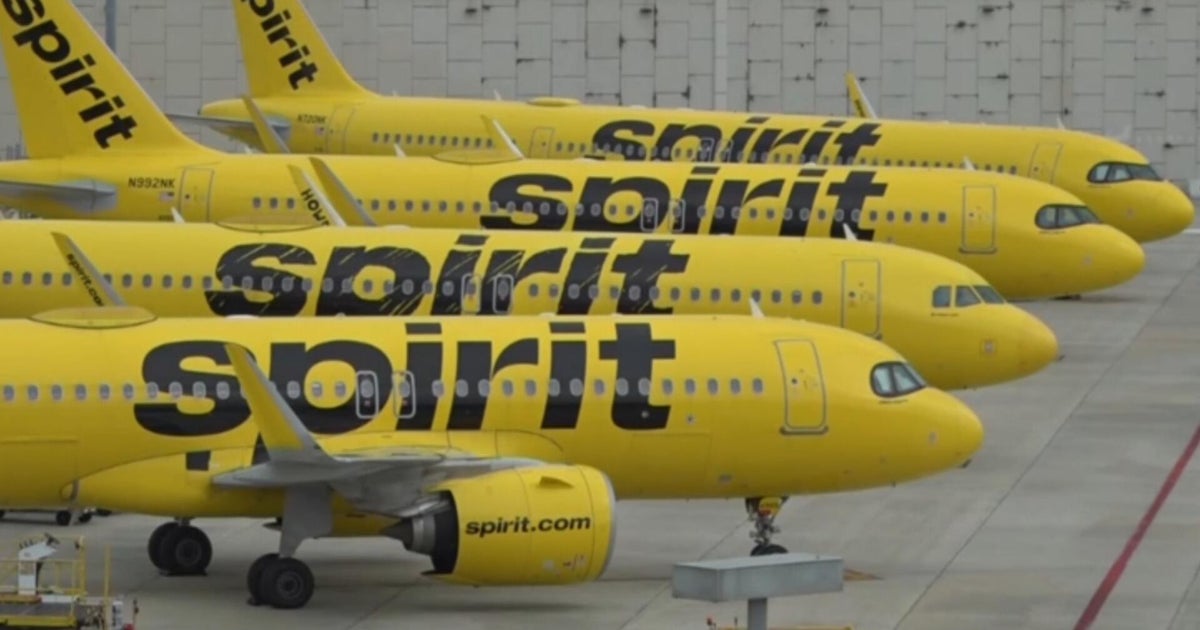
Spirit Airlines is going through liquidation because rising fuel costs hurt its finances and stopped it from reorganizing. Lawyers want to speed up the liquidation to help both creditors (those owed money) and customers.
Key Facts
Spirit Airlines filed for bankruptcy and is now being liquidated.
A lawyer said rising fuel prices caused financial problems for Spirit Airlines.
The airline lost liquidity, meaning it ran low on available cash.
Attempts to restructure and save the company were unsuccessful.
Lawyers involved want to move the liquidation process faster.
Speeding up liquidation could benefit people and companies owed money by the airline.
Customers might also benefit if the process is completed quickly.
Bob Allen, an expert in aircraft leasing, discussed the situation on CBS News.
Read the Original
Want the full story? Tap a source to open the original
article.
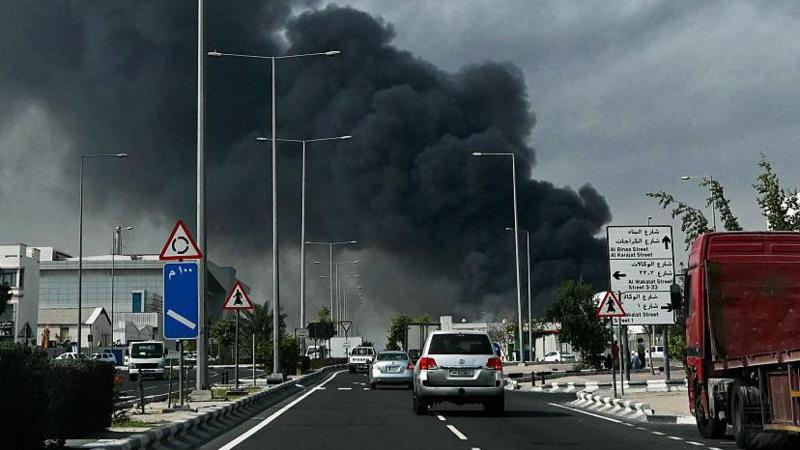
An Iranian missile strike hit Qatar’s main liquefied natural gas (LNG) complex, cutting about 17% of global LNG supply and causing major damage. The conflict between Iran, Israel, and the US has harmed Gulf states’ energy infrastructure, leading to economic losses and slowing growth in the region.
Key Facts
Qatar’s Ras Laffan LNG facility was struck by an Iranian missile on March 18, damaging roughly 17% of the world’s LNG supply.
QatarEnergy expects $20 billion in lost annual revenue and estimates repairs will take 3 to 5 years.
The strike followed Israeli bombings on Iran’s South Pars gas field, which shares reserves with Qatar’s North Dome field.
Over 80 energy facilities in Gulf countries like Bahrain, Kuwait, Saudi Arabia, and the UAE have been hit since February 28.
The Gulf region has suffered about $58 billion in damage due to ongoing conflict.
The World Bank reduced its Middle East growth forecast for 2024 to 1.8% from an earlier 4% estimate for 2026, citing war-related impacts.
The closure of the Strait of Hormuz, a key oil and gas shipping route, has forced Gulf producers to rely on less efficient pipelines, reducing export capacity.
Saudi Arabia and the UAE are somewhat less affected due to alternative oil routes that bypass the Strait of Hormuz.
Read the Original
Want the full story? Tap a source to open the original
article.
Sony agreed to pay $7.85 million to settle a lawsuit about how it sold digital PlayStation games. The lawsuit said Sony stopped other stores from selling game codes, which made prices higher for buyers. Eligible PlayStation users in the U.S. who bought digital games since 2019 may get money back as store credit.
Key Facts
Sony stopped third-party retailers like Amazon and Walmart from selling PlayStation game download codes in 2019.
This move made the PlayStation Store the only place to buy many digital games.
A lawsuit claimed this limited competition and led to higher prices, but Sony denied breaking any laws.
Sony agreed to pay $7.85 million to settle the case and avoid more legal actions.
About 4 million U.S. PlayStation users who bought digital games between April 1, 2019, and December 31, 2023, qualify for the payout.
Most eligible users will receive settlement credits automatically in their PlayStation wallets.
Users with closed accounts must apply and prove purchases by emailing the settlement administrator.
Users can opt out of the settlement by July 2, 2026, if they want to keep the right to sue Sony separately.
A final approval hearing for the settlement is expected later this year before payments are made.
Read the Original
Want the full story? Tap a source to open the original
article.
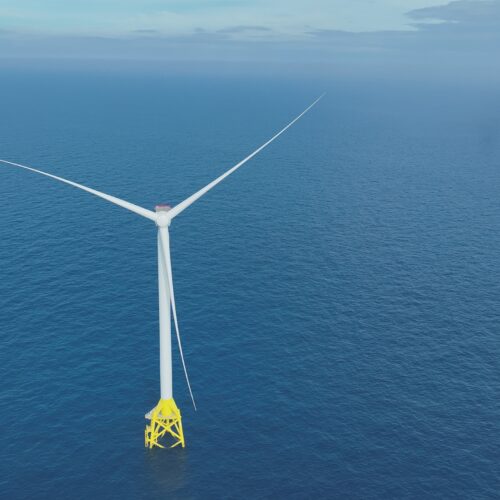
Taiwanese chipmaker TSMC has signed a 30-year agreement to buy all the power from an offshore wind project called Hai Long to increase renewable energy use amid a global energy crisis. Taiwan faces energy shortages due to natural gas supply disruptions and is accelerating renewable energy and nuclear power development to reduce reliance on fossil fuels.
Key Facts
TSMC signed a 30-year deal to purchase 100% of power from the Hai Long offshore wind project in Taiwan.
Hai Long will have over 1 gigawatt capacity, enough to power more than 1 million Taiwanese homes.
The wind farms started supplying power in 2025 and will be fully operational by 2027.
Taiwan lost one-third of its liquefied natural gas supply after damage to Qatari facilities in March 2026.
Taiwan relies on natural gas for about half its electricity and typically keeps only two weeks of fuel in reserve.
The Taiwan government secured oil and gas supplies through August or September from suppliers like Australia and the US.
Taiwan plans 15 gigawatts of offshore wind capacity by 2035 to reduce fossil fuel dependence.
TSMC aims to have 60% of its global energy from renewables by 2030, and 100% by 2040.
TSMC’s energy use accounted for nearly 10% of Taiwan’s electricity in 2023 and could grow to 25% by 2030 due to AI chip production.
Read the Original
Want the full story? Tap a source to open the original
article.
Fertiliser shortages caused by the Iran war and the closure of the Strait of Hormuz have increased costs for UK farmers by up to 70%. This issue may lead to higher global food prices next year, as fertiliser is essential for crop production.
Key Facts
Fertiliser prices have risen between 50% and 70% since the Iran war began in February.
The closure of the Strait of Hormuz has limited global fertiliser supplies because many shipments pass through this route.
UK farmers mostly used fertiliser this year, so immediate effects are limited, but next year's crops may be at risk.
The Grosvenor Group, a major UK farming and property company, says the shortage will cause significant food price increases worldwide.
Natural gas, needed to produce nitrogen-based fertilisers like urea, is also restricted due to the strait’s closure.
Alternative sources of fertiliser nitrogen are limited, making the supply issue critical.
The Grosvenor Group profits decreased by 18% last year, partly due to North American operations, but its UK property business remains strong.
Rising food prices are causing concern among British consumers, with 80% worried about grocery costs.
Read the Original
Want the full story? Tap a source to open the original
article.
Airline fuel costs in the United States rose by 56 percent in March, as reported by the Department of Transportation. This increase happened shortly after the start of the conflict involving Iran. U.S. airlines spent over $5 billion on fuel during that month.
Key Facts
Airline fuel costs increased 56 percent in March.
The rise occurred after the outbreak of the Iran war.
The data comes from the Department of Transportation’s Bureau of Transportation Statistics.
U.S. airlines with scheduled flights spent $5.06 billion on fuel in March.
The report was released on a Wednesday.
This spike represents a sharp increase compared to previous months.
Read the Original
Want the full story? Tap a source to open the original
article.