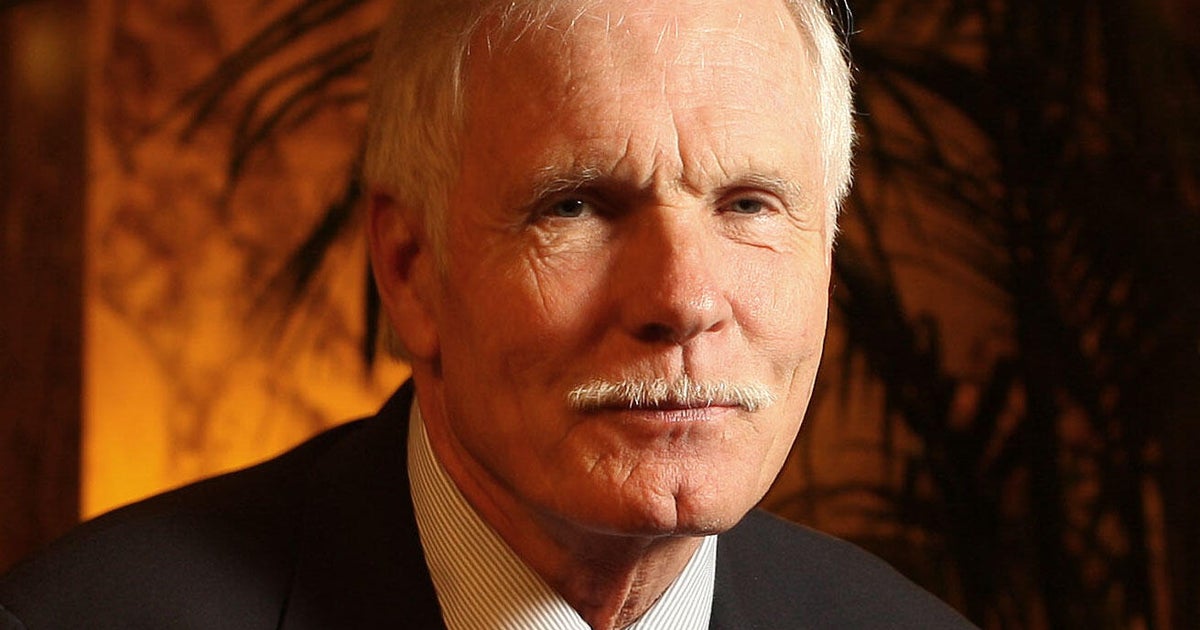
Ted Turner, who started CNN and built a major media and sports empire, died at age 87. He also saved large areas of land for wildlife and was known for his adventurous life and public personality.
Key Facts
Ted Turner founded CNN, the first 24-hour cable news channel, in 1980.
He owned cable channels like TBS, TNT, and Turner Classic Movies.
Turner owned the Atlanta Braves baseball team for 20 years and the Atlanta Hawks basketball team for 19 years.
The Atlanta Braves won the 1995 World Series under his ownership.
He was a sailor who helped bring the America’s Cup yachting trophy back to the U.S. in 1977.
Turner protected hundreds of thousands of acres of land to save the American bison and other wildlife.
He was open about having Lewy body dementia, a brain disease similar to Alzheimer’s.
Turner was married three times, including to actress Jane Fonda, whom he said was the great love of his life.
Read the Original
Want the full story? Tap a source to open the original
article.
Ted Turner, the founder of CNN and a major figure in US media, died at age 87. He built a large television empire, including the first 24-hour news channel, and later merged his company with Time Warner.
Key Facts
Ted Turner was 87 years old when he died; no cause of death was announced.
He revealed in 2018 that he had Lewy body dementia, a nerve disease.
Turner took over his father’s struggling billboard business and expanded into television in the 1970s.
He created CNN in 1980, the first 24-hour cable news network in the US.
CNN gained popularity during the 1990-1991 Gulf War with live satellite coverage.
Turner’s media company included multiple TV channels like TBS, TNT, Cartoon Network, and Turner Classic Movies.
He merged his Turner Broadcasting System with Time Warner in 1996 and was a major shareholder.
Turner was also known for owning sports teams, his marriage to actress Jane Fonda, yachting, and environmental charity work.
Read the Original
Want the full story? Tap a source to open the original
article.
CBS Mornings Deals offers special discounts on various products that could be useful daily. Viewers can visit cbsdeals.com to buy these items and take advantage of the offers.
Key Facts
CBS Mornings Deals features products with exclusive discounts.
The products shown may become useful in everyday life.
Discounts are available by visiting the website cbsdeals.com.
CBS earns commissions on purchases made through the website.
The deals are presented as part of CBS Mornings programming.
Read the Original
Want the full story? Tap a source to open the original
article.
The new owner of former WH Smith high street stores, renamed TG Jones, plans to close dozens of shops, risking thousands of jobs due to weak sales and rising costs. The company aims to reduce rents and restructure to try to save the business, but the changes need approval from creditors and a court.
Key Facts
Modella Capital bought 480 WH Smith high street stores for £76 million last year and renamed them TG Jones.
Eight stores will close immediately, and the company seeks rent cuts or holidays for many others to avoid further closures.
The chain employs about 5,000 people.
TG Jones has been losing money due to weak consumer spending, higher operating costs, and negative effects from the name change.
Modella plans to invest £35 million as part of the turnaround strategy.
The restructuring requires approval through a creditor vote and court process.
Modella has closed other retail chains recently, including Claire’s and The Original Factory Shop, with significant job losses.
WH Smith’s travel stores were not sold and continue to operate normally.
Read the Original
Want the full story? Tap a source to open the original
article.
Trainline, a UK rail ticket seller, said tensions in the Middle East have reduced rail ticket sales from foreign visitors to Europe. The company expects its revenues to stay flat or decline next year due to these geopolitical issues and other challenges in the UK rail market.
Key Facts
Middle East conflicts, including the US-Iran standoff, are causing fewer foreign visitors to buy European rail tickets.
Airlines have delayed bookings and canceled flights because of concerns over jet fuel supply.
Trainline’s shares dropped after it gave weaker revenue forecasts for 2026-27.
The UK government has frozen rail fares and plans to launch its own ticketing website under Great British Railways.
Contactless payment growth in UK cities may reduce Trainline’s sales.
Trainline’s profits rose 43% to £122m in 2025-26, with revenues up 2% to £453m.
The company now expects revenues between £440m and £455m for 2026-27.
Trainline remains Europe’s most downloaded rail app and is growing in Italy and France.
The outgoing CEO said they are working with the UK government on fair regulation and welcomed new rules helping independent ticket sellers.
Read the Original
Want the full story? Tap a source to open the original
article.
A crème brûlée dessert sold at Aldi stores in seven U.S. states has been recalled because it may contain glass fragments. The U.S. Food and Drug Administration classed this as a Class II recall, meaning the product could cause temporary health problems but serious harm is unlikely.
Key Facts
The recalled product is "Specially Selected Vanilla Crème Brûlée" sold in small glass jars.
About 2,869 cases were distributed in Florida, Illinois, Indiana, Maryland, Michigan, New York, and Virginia.
The recall was initiated by the manufacturer, Lactalis Canada, on April 14, 2026.
The best-before date to check for is May 9, 2026, along with specific product and barcode numbers.
Consumers are advised not to eat the dessert, to check packaging details, and to safely throw it away.
Aldi has also had recent recalls for frozen pizzas and other products due to contamination concerns.
Aldi plans to remove 44 ingredients from its private-label products by the end of 2027 to improve product safety and quality.
Food recalls are common, but shoppers are encouraged to watch for alerts and check products regularly.
Read the Original
Want the full story? Tap a source to open the original
article.
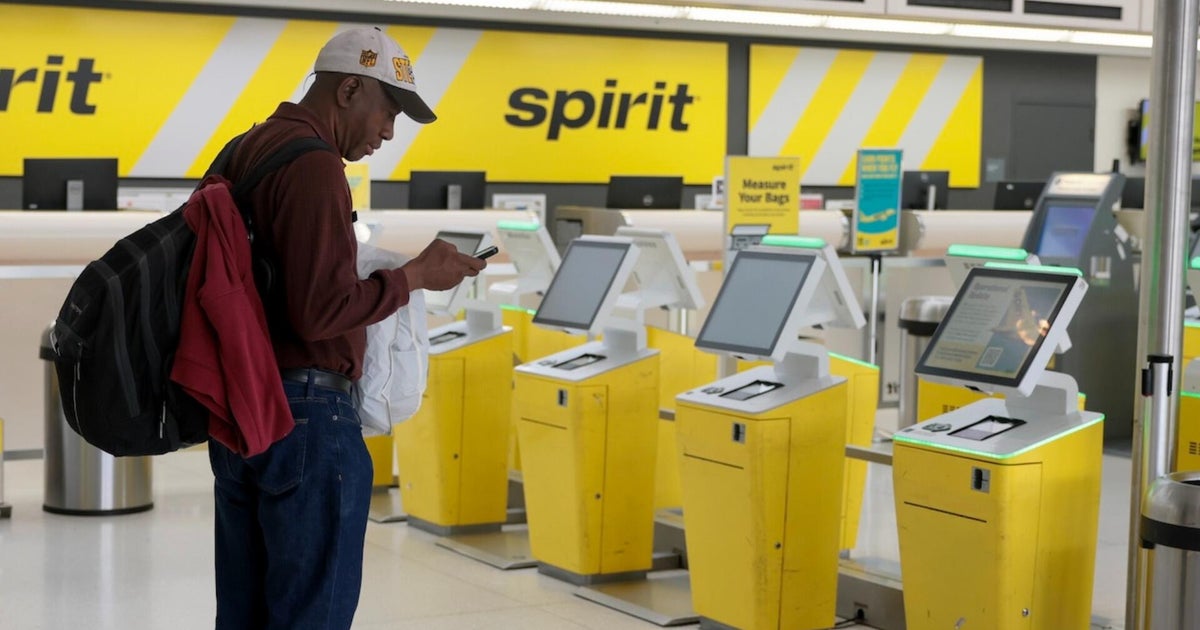
Spirit Airlines has stopped flying, which could affect the prices of flights for people who want to travel cheaply. The average cost of a round-trip flight in the U.S. was $365 last week, the highest price this year. Experts say the shutdown may make flights more expensive for budget travelers.
Key Facts
Spirit Airlines has shut down and stopped all flights.
The average price of a round-trip flight in the U.S. was $365 last week.
This price is the highest for domestic flights so far in 2024.
Spirit Airlines was known for offering cheaper flights.
With Spirit closed, there are fewer low-cost flight options available.
Travelers looking for cheaper flights might find prices going up.
Other airlines may raise prices because there is less competition.
Read the Original
Want the full story? Tap a source to open the original
article.
The Equal Employment Opportunity Commission (EEOC) has filed a lawsuit against The New York Times. The suit says the newspaper did not promote a white male employee because of his race and gender.
Key Facts
The lawsuit was filed by the EEOC, a government agency that enforces laws against workplace discrimination.
The employee who made the complaint is a white male.
The employee claims he was denied a promotion due to his race and gender.
The New York Times is the company being sued.
The complaint focuses on the company’s hiring and promotion practices.
Read the Original
Want the full story? Tap a source to open the original
article.
Making a larger down payment on a home can lower your monthly mortgage payments and reduce the total interest you pay over time. It may also help you qualify for a better mortgage rate, lower private mortgage insurance costs, and make your home offer more attractive to sellers.
Key Facts
Mortgage rates have been around 6% for several months and are not expected to drop below 5% soon.
A larger down payment reduces the amount you borrow, lowering monthly payments (for example, increasing a down payment from $40,000 to $60,000 on a $400,000 home can save over $200 per month).
Putting down 25% to 40% instead of 20% may help get a mortgage interest rate about 0.25% lower.
Larger down payments can reduce or eliminate private mortgage insurance (PMI), which can save $120 to $280 per month on a $400,000 loan.
Some borrowers with bigger down payments may avoid paying for a home appraisal, saving around $500 or more.
A larger down payment builds more home equity, which can be borrowed against later.
Sellers may prefer buyers with larger down payments because it shows stronger financial commitment.
Making a bigger down payment is not right for everyone and depends on individual financial situations.
Read the Original
Want the full story? Tap a source to open the original
article.
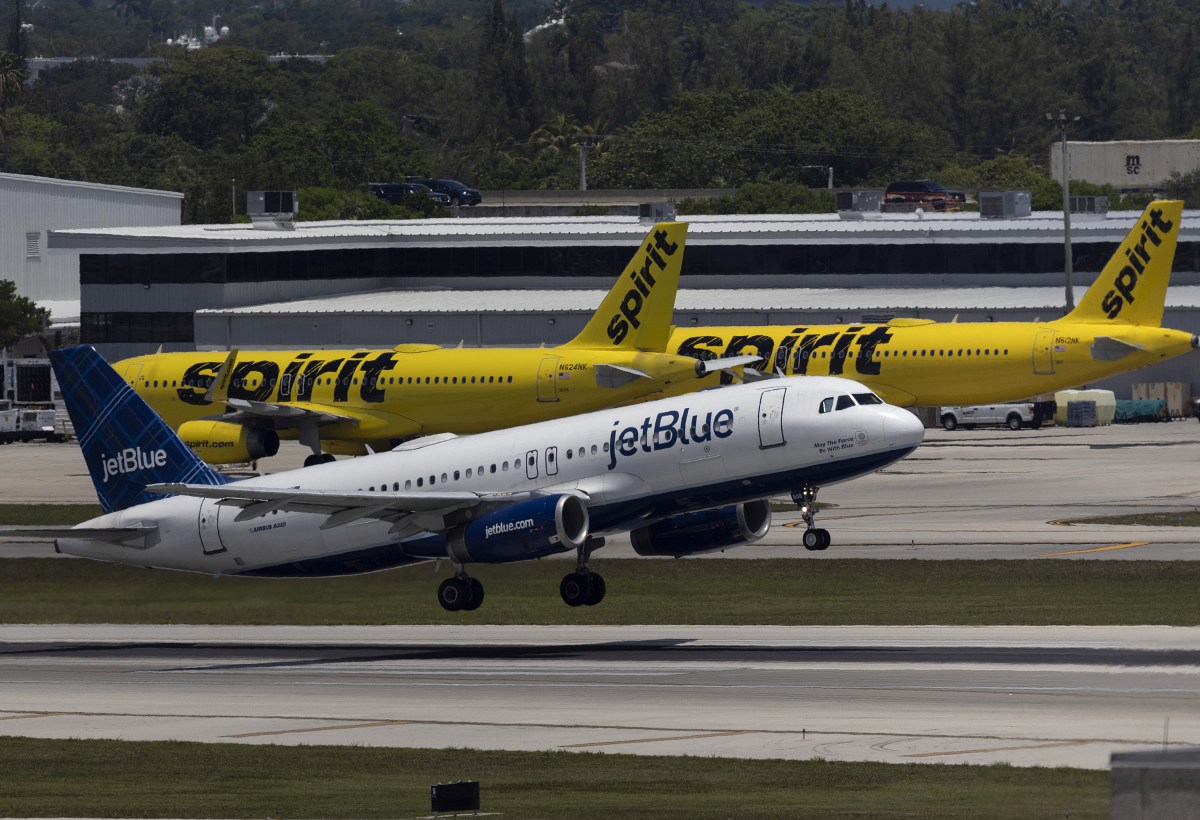
Spirit Airlines went bankrupt and stopped all flights after the government blocked its merger with JetBlue. Officials argued the merger would reduce competition and raise prices, but the deal might have saved Spirit and kept low airfares available. The case highlights debates over government rules on company mergers.
Key Facts
Spirit Airlines recently declared bankruptcy and canceled all flights.
JetBlue offered to buy Spirit in 2022 with an all-cash deal of $33 per share.
The merger was blocked by the Department of Justice and state attorneys general.
Senator Elizabeth Warren and others said the merger would lead to fewer flights and higher prices.
Supporters of the merger said it would have helped Spirit survive and kept airfares low.
A judge ended the merger deal after political and legal opposition.
Spirit’s closure caused about 17,000 people to lose jobs.
The case raises questions about how antitrust laws should balance market realities with competition theory.
Read the Original
Want the full story? Tap a source to open the original
article.
UnitedHealthcare will stop requiring prior authorization for about 30% of medical services by the end of 2026. This means doctors and patients will not need to get approval from the insurance company before certain treatments or procedures.
Key Facts
UnitedHealthcare is a major health insurance company in the U.S.
Prior authorization is a process where insurance companies approve medical services before they happen.
UnitedHealthcare plans to remove this step for nearly one-third of services they cover.
The change will take place by the end of 2026.
This move may speed up access to some healthcare services for patients.
It could also reduce paperwork for doctors and patients.
UnitedHealthcare’s decision might influence other insurers to change their policies too.
Read the Original
Want the full story? Tap a source to open the original
article.
Many companies, especially airlines, are adding fuel surcharges to cover rising costs caused by higher fuel prices linked to the war in Iran. This has led to the fastest price increases in over three years for the UK services sector, which includes airlines, retailers, and finance firms.
Key Facts
A survey found that rising fuel costs are causing companies to raise prices quickly, the fastest pace since 2020.
Nearly 60% of firms reported higher costs last month, mainly due to fuel, wages, metals, and plastics.
IAG, which owns British Airways, plans to adjust prices due to higher fuel costs but did not call it a surcharge.
Virgin Atlantic added charges of £360 for business class and £50 for economy tickets because of fuel costs.
The UK services sector makes up about 81% of the economy and saw activity improve slightly in April.
Despite some growth, business confidence remains low because of the Iran war causing energy supply problems.
The Bank of England faces pressure to raise interest rates again to control inflation caused by rising fuel prices.
Oil prices have been volatile due to tensions and blockades in the Strait of Hormuz, which controls 20% of global oil supply.
Read the Original
Want the full story? Tap a source to open the original
article.
Hotel bookings in US cities hosting the 2026 FIFA World Cup are much lower than expected, according to a survey from the American Hotel and Lodging Association (AHLA). Issues like visa restrictions and global political concerns are reducing the number of international travelers, causing problems for the hotel industry ahead of the event.
Key Facts
The AHLA surveyed hotel members in 11 US cities hosting World Cup matches.
80% of respondents said bookings were below early predictions.
About 65% pointed to visa difficulties and global politics as reasons for lower demand.
The US is cohosting the World Cup with Mexico and Canada; matches start June 11 in Mexico City.
President Donald Trump has promoted the US as a World Cup host but has also tightened visa policies.
FIFA ticket holders will still face strict visa checks despite assurances from the Trump administration.
Some hotel bookings by FIFA were cancelled, causing misleading early booking numbers.
Cities like Kansas City saw bookings below normal summer levels, and some cities called the tournament a “non-event” so far.
Read the Original
Want the full story? Tap a source to open the original
article.
JD Wetherspoon, a UK pub chain, warned it might earn less profit this year because of rising costs like energy, food, wages, and taxes. The company has issued its third profit warning in 2024 and expects higher expenses due to new taxes and ongoing global issues affecting prices.
Key Facts
JD Wetherspoon operates about 800 pubs in the UK and Ireland.
The company expects pre-tax profit to fall to around £73 million, down from £81 million last year.
Rising costs include energy, food, higher minimum wages, business rates, and national insurance contributions.
Additional tax costs include a £1.6 million packaging tax called the producer responsibility levy.
The conflict involving the US, Israel, and Iran has increased energy prices, raising heating and food costs.
JD Wetherspoon’s sales at existing pubs grew by 3.4% in early 2024 compared to the previous year.
The company faces a high debt level, with net debt expected between £740 million and £760 million by year-end.
Shares in JD Wetherspoon increased slightly despite the profit warning, reflecting steady sales demand.
Diageo, a major drinks company, noted concerns about geopolitical problems but kept its profit forecast unchanged.
Diageo’s sales rose 0.3% in early 2024, helped by customers buying drinks ahead of the FIFA World Cup.
Read the Original
Want the full story? Tap a source to open the original
article.
The article discusses concerns about Amazon's control of the online book market, especially in the context of controversies over banning books. It suggests that the government has the authority to regulate or break up Amazon’s online bookstore to address these issues.
Key Facts
Amazon has a large share of the online book market.
There have been controversies about books being banned on the platform.
Some people believe this shows problems with Amazon’s control over books.
The federal government can take action to regulate or break up companies.
The article suggests that government intervention could help with book availability and choice.
Breaking up a company means separating it into smaller parts to reduce its power.
Amazon’s control affects both book sellers and buyers on the internet.
Read the Original
Want the full story? Tap a source to open the original
article.
Campaigners want the UK to ban the use of glyphosate weedkiller to dry crops just before harvest, due to concerns it may leave harmful residues in food. The government will soon decide whether to allow its use after the current license ends in December 2026, following a public consultation this summer.
Key Facts
Glyphosate is a chemical weedkiller used by some farmers to dry crops before harvest.
Campaigners and the Soil Association say this practice leaves glyphosate residues in foods like bread, cereals, and beer.
Some scientific studies suggest glyphosate could be linked to cancer and other health problems.
The EU banned using glyphosate as a crop drying agent in 2023, but it remains allowed for other uses there.
The UK government’s Health and Safety Executive (HSE) will hold a two-month consultation this summer on renewing glyphosate’s approval.
Some farmers and farming groups support glyphosate, saying it helps control weeds, reduce disease, and lower carbon emissions.
Bayer, owner of Monsanto (which originally developed glyphosate), says no regulator has found the chemical causes cancer.
The National Farmers Union calls glyphosate an essential farming tool and wants its approval renewed for 15 years.
Read the Original
Want the full story? Tap a source to open the original
article.
Mercedes-Benz is focusing on expanding its Vans division, which made up 17% of sales in 2025. The company plans to launch a new electric van called the VLE, designed as a high-end limousine for VIP customers, and invest heavily in production facilities in Europe, China, and the U.S.
Key Facts
Mercedes-Benz Vans made up 17% of the company’s total sales in 2025.
The new VLE is a battery-electric van that seats up to eight people and is aimed at VIP transport.
The VLE builds on the popular V-Class van but adds new technology and luxury features.
Mercedes-Benz plans to introduce gas-powered versions of its vans to meet market demands.
The company is investing over one billion euros in its Spanish plant for VLE production.
Facilities in Poland and Germany are being upgraded for more van manufacturing.
The Vans division will target markets in China, Europe, North America, the Middle East, and India.
The Vans division leadership believes the new models fill a unique luxury market need.
Read the Original
Want the full story? Tap a source to open the original
article.
Many employers now want job candidates to have skills in artificial intelligence (AI). However, most companies do not provide enough training, so workers are learning AI on their own using free online tools and courses.
Key Facts
Eight out of ten hiring managers say AI skills are important for job candidates.
Most employers would prefer someone with AI skills over extra work experience.
Few companies offer training to help workers learn AI skills.
AI technology changes quickly, making formal training programs slow to keep up.
Workers often learn AI by practicing with free tools like ChatGPT, Gemini, and Claude.
Some AI companies offer free or low-cost training programs, including courses on prompt engineering (how to talk to AI effectively).
Social media platforms like Instagram, TikTok, and YouTube provide free AI learning materials.
Job seekers should show clear examples of how they use AI on their resumes, not just say they have experience.
Read the Original
Want the full story? Tap a source to open the original
article.
Many big tech companies are cutting jobs, but Apple is an exception and is actually planning to hire more people. This difference is partly because Apple hired more cautiously during the pandemic compared to other tech firms, which rapidly expanded and are now reducing staff. Some companies say they are shrinking staff to invest more in artificial intelligence (AI) technology.
Key Facts
In 2025, tech companies led private-sector job cuts with 154,445 announced layoffs out of 1.2 million total.
In the first quarter of 2026, job cut announcements in tech increased by 40% compared to the same period in 2025.
Big tech firms like Meta, Microsoft, Oracle, and Amazon have announced large-scale layoffs.
Apple has avoided major layoffs and plans to hire about 20,000 people over the next four years.
Apple’s cautious hiring during the pandemic led to smaller workforce growth (around 5-7% annually) compared to other tech giants.
Other tech companies expanded aggressively during COVID-19, causing a hiring boom that is now being corrected by layoffs.
Some companies use AI advancements as a reason to reduce staff and redirect funds toward AI projects.
Meta’s CEO said AI lets small teams perform work that used to require many people, prompting workforce reductions.
Read the Original
Want the full story? Tap a source to open the original
article.
The UK's Financial Conduct Authority (FCA) is reviewing claims management companies (CMCs) that help people get compensation but may use misleading tactics. The FCA is concerned some firms use aggressive marketing, charge high fees, and sometimes sign up consumers without permission, which can delay payments.
Key Facts
The FCA is investigating claims management companies amid worries about misleading and aggressive practices.
Some companies charge fees up to 33% of the compensation payout from financial scandals like car finance.
Many victims of the car finance scandal, where drivers were overcharged on loans, are expected to receive payouts this year.
The FCA and lenders advise consumers to use the free compensation scheme instead of paid CMCs.
Consumers have been signed up multiple times or without their consent, which can slow down compensation.
Regulators have removed or changed 800 misleading adverts and helped over 28,000 consumers leave unfair contracts.
The Solicitors Regulation Authority is investigating over 100 claims management-related cases involving 76 law firms.
The claims management industry grew quickly after huge payouts in the payment protection insurance scandal, earning billions in fees.
Read the Original
Want the full story? Tap a source to open the original
article.