Fifa is close to getting a tax exemption for all 48 World Cup 2026 national teams from the US government. This means these teams could avoid paying federal taxes on their World Cup earnings, although they may still owe state and local taxes.
Key Facts
Fifa has been working with the US Treasury and President Donald Trump’s World Cup taskforce to secure tax exemptions.
National associations can apply for tax-exempt status under section 501(c)(3) of the US tax code.
To qualify, organizations must not benefit private individuals or engage in political activities.
Fifa itself has been tax-exempt in the US since the 1994 World Cup but could not extend this to member associations before.
Canada and Mexico, the other two 2026 World Cup hosts, already provide tax exemptions for their national teams.
Getting US tax exemption will save national teams millions of dollars and reduce financial worries about participation costs.
Fifa increased the prize money and participation fund by 15%, totaling $871 million, guaranteeing $12.5 million to each qualifying team.
The tax exemption process is ongoing, and final approval is not yet confirmed.
Read the Original
Want the full story? Tap a source to open the original
article.
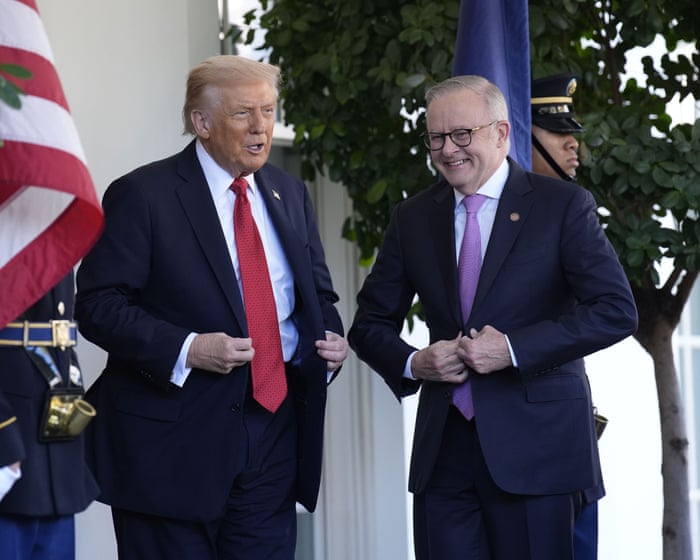
The Trump administration called Australia’s new law requiring big tech companies to pay news publishers “extortion.” Australian Prime Minister Anthony Albanese said the law is meant to protect news organizations and fairly reward their work. Tech companies like Google and Meta, and a U.S. industry group, criticized the law and urged the U.S. government to respond.
Key Facts
Australia passed a law making big tech firms pay news publishers or face a 2.25% levy.
Prime Minister Albanese said the law values journalists’ intellectual property and creativity.
The law encourages deals between tech companies like Meta, Google, TikTok, and Australian news outlets.
The Trump administration called the law “foreign extortion” and wants to defend U.S. tech companies.
A U.S. tech industry group called the law “discriminatory” and warned it could violate trade rules.
Google and Meta criticized the law, saying it unfairly targets their companies.
Some Australian politicians, including Nationals leader Matt Canavan, support the law.
The Greens want more details on how the deals and funding will work before fully supporting it.
Read the Original
Want the full story? Tap a source to open the original
article.
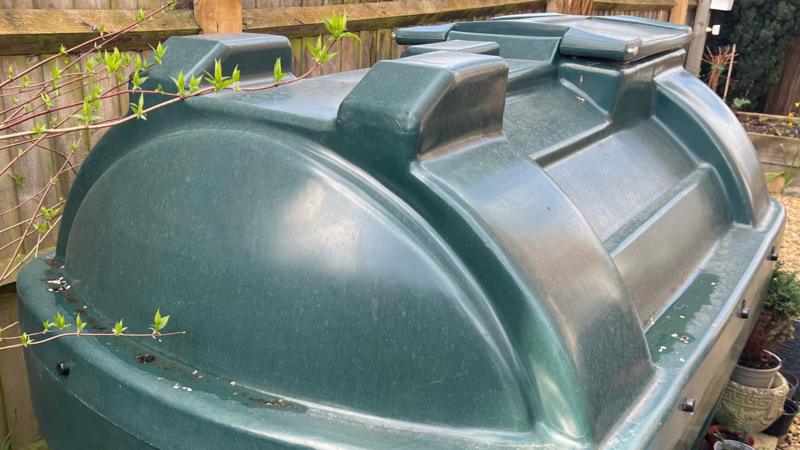
Families in North Northamptonshire who use heating oil and have low oil levels can apply for a £150 emergency grant to help pay for heating oil. This support targets low-income and vulnerable households facing high prices due to recent increases caused by international conflicts.
Key Facts
The grant is £150 and is provided as a prepaid card through the Huggg voucher platform.
Only households with oil tanks at 30% capacity or less qualify.
The grant is for emergency heating oil needs, not regular or planned purchases.
It is meant for families who cannot afford the minimum cost of an oil delivery.
Heating oil prices increased sharply after the US-Israeli war involving Iran.
Unlike gas and electricity, heating oil prices are not controlled by the UK energy regulator Ofgem.
The support focuses on rural communities where heating oil is common.
North Northamptonshire Council runs this program to prevent health or safety risks from lack of heating.
Read the Original
Want the full story? Tap a source to open the original
article.
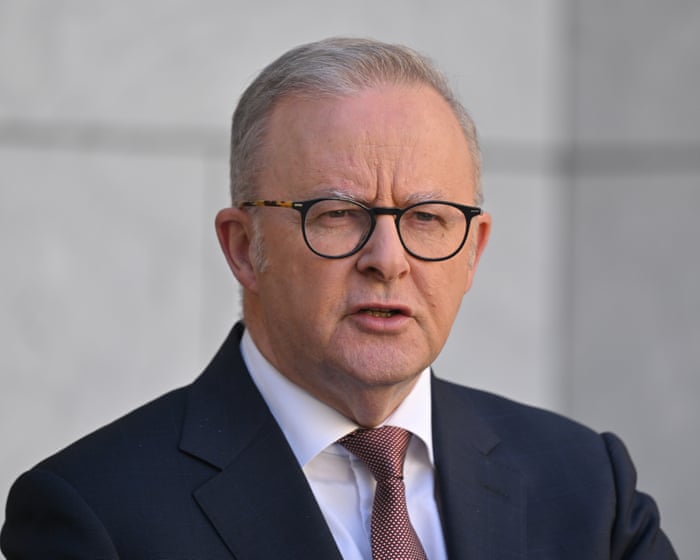
Prime Minister Anthony Albanese said the upcoming federal budget will not add a new tax on existing gas export contracts. He criticized calls for this tax as harmful during the global energy crisis and emphasized the importance of gas exports for Australia’s fuel supply and international trade relationships.
Key Facts
The Australian government will not tax existing gas export contracts in the next budget.
The proposed tax would have been a 25% levy on gas exports.
Albanese warned that taxing gas exports now could hurt Australia’s trade with Asian partners.
Gas exports are linked to Australia’s fuel security amid the global energy crisis.
Some groups want to replace the current petroleum resource rent tax (PRRT) with a new export tax.
The government changed the PRRT in 2023 to increase revenue from gas companies.
Albanese said the current tax system supports large investments needed to produce gas.
The prime minister described calls for the export tax as "populist" and said they ignore important facts.
Read the Original
Want the full story? Tap a source to open the original
article.
Inflation in Australia rose to 4.6% in the year ending March, up from 3.7% the previous month, driven largely by higher fuel prices linked to the conflict involving Iran. The Reserve Bank of Australia is expected to increase interest rates again to try to control rising inflation as fuel costs push up the prices of many goods.
Key Facts
Inflation in Australia increased to 4.6% in the year to March, up from 3.7% the month before.
Rising fuel prices are connected to the conflict in the Middle East, which affects oil supply through the Strait of Hormuz.
International oil prices went above $110 per barrel due to ongoing conflict involving the US and Israel.
Fuel costs in Australia rose by 33% in the month before a fuel tax cut was applied.
Underlying inflation, which removes volatile price changes like fuel and electricity, stayed steady at 3.3%.
Inflation measured by quarterly figures rose to 4.1% in the latest report.
Economists predict inflation could reach 5.8% by May before gradually declining later in the year.
The Australian government has cut fuel tax and introduced a GST rebate on petrol and diesel to help with rising costs.
Read the Original
Want the full story? Tap a source to open the original
article.
More Americans are using smartphone apps that automatically copy the buying and selling actions of well-known investors. This trend, called "copycat investing," lets people follow expert investors instead of choosing stocks on their own.
Key Facts
The stock market can be unpredictable, causing some people to seek new ways to invest.
Apps that copy trades let users automatically replicate what top investors do.
This lets inexperienced investors follow experts without needing to research stocks themselves.
CBS News reporter Evyn Moon discussed both the benefits and risks of this investing method.
Copycat investing is becoming more popular among everyday Americans.
The trend changes how people make investment decisions in the current market.
Users should be aware of potential downsides, such as less control over their investments.
Read the Original
Want the full story? Tap a source to open the original
article.
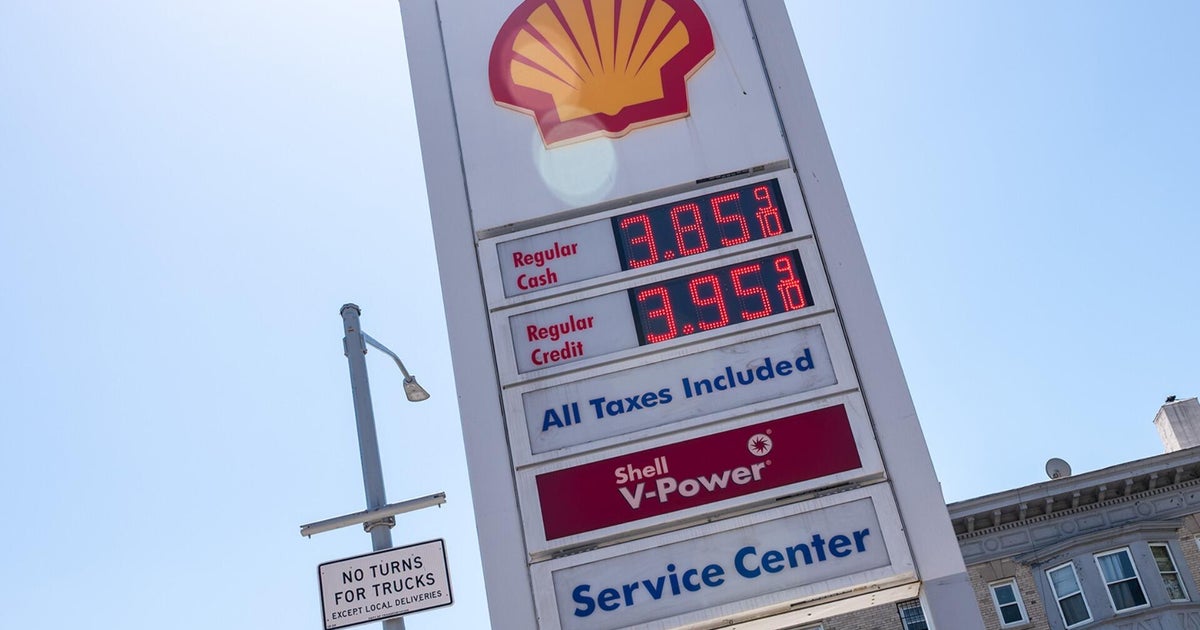
U.S. gas prices have risen to their highest point since the beginning of the conflict involving the U.S., Israel, and Iran. This increase affects the cost of fuel for consumers across the country.
Key Facts
Gas prices in the U.S. have reached their highest level since the start of the war involving the U.S., Israel, and Iran.
The news report comes from CBS News MoneyWatch correspondent Kelly O'Grady.
Rising gas prices impact many drivers by increasing the cost to fill up their vehicles.
Conflicts in the Middle East can influence global oil supply and prices.
The increase in gas prices reflects concerns about fuel availability during times of international tension.
Read the Original
Want the full story? Tap a source to open the original
article.
A conflict in the Middle East is causing problems for glass factories in Firozabad, India, which produces most of the country’s glass. Natural gas shortages and rising costs are forcing many factories to cut production, putting jobs and incomes at risk.
Key Facts
Firozabad produces 70% of India’s glass and employs about 150,000 people.
Glassmaking requires natural gas to keep furnaces very hot.
Tensions in the Middle East have disrupted gas supplies and increased prices in India.
India imports almost half of its natural gas through the Strait of Hormuz, a key shipping route affected by the conflict.
The Indian government cut commercial gas supplies by 20% to manage shortages.
Factories are running furnaces at lower temperatures and stopping production for days to save gas.
Costs for raw materials and shipping have gone up due to supply disruptions and higher expenses.
Many small glass factories face losses of 25-45% and worry about closing if the situation continues.
Read the Original
Want the full story? Tap a source to open the original
article.
There are signs that a new financial crisis might be starting, with some financial funds losing money or limiting withdrawals. Experts warn that private credit, a type of lending outside traditional banks, has grown a lot and has risks similar to those seen before the 2008 global financial crisis.
Key Facts
In 2008, Lehman Brothers, a big American bank, went bankrupt, triggering a major global financial crisis.
Before the 2008 crisis, risky mortgage investments failed, causing some funds to freeze or liquidate.
Today, several private credit funds have losses or have blocked some investors from taking out money.
Private credit funds have grown to about $2.5 trillion in the past 15-20 years.
Private credit involves lending money but is less regulated and less understood than traditional bank loans.
There is concern about layers of borrowed money (leverage) within private credit, which can increase risks.
Bank of England officials warn that these factors echo the conditions that led to the 2008 crisis.
The current geopolitical situation is more tense than in 2008, which may affect how policymakers handle a crisis.
Read the Original
Want the full story? Tap a source to open the original
article.
An advert for a £49 face serum claiming it could make users look up to five years younger has been banned for being misleading. The UK advertising watchdog found problems with the study used to back the claim and said the advert cannot be shown in the same way again.
Key Facts
The serum is called Eucerin Hyaluron-Filler Epigenetic Serum and cost £49.
The advert claimed the product was "clinically proven" to make users look up to five years younger after four weeks of use.
The Advertising Standards Authority (ASA) received one complaint about the advert shown at Balham tube station in London.
The ASA criticized the study for lacking a control group, unclear participant recruitment, and reliance on self-reported results.
The serum was tested in a climate different from the UK, which may affect the results.
Other evidence provided by the company, Beiersdorf, was unpublished research or did not include the actual serum used in the advert.
The advert has been removed in the UK and cannot be used again in its current form.
Experts say that good skin results usually come from multiple good habits, not just one product.
Read the Original
Want the full story? Tap a source to open the original
article.
A UK thinktank warns that the Iran war could cost Britain £35 billion and raise the risk of a recession this year. The rising energy prices linked to the conflict are expected to slow economic growth and increase inflation, forcing the government to consider financial support and the Bank of England to possibly raise interest rates.
Key Facts
The National Institute of Economic and Social Research (Niesr) predicts a £35 billion economic hit for the UK due to the Iran war.
Even in the best case, UK economic growth will slow this year and next because of the conflict.
Rising energy costs from the war are making households poorer and businesses face higher expenses.
Under a severe scenario, oil prices could reach $140 a barrel, risking inflation above 5% and a UK recession in late 2024.
The Bank of England may raise interest rates by up to 1.5% if inflation worsens, the biggest hike since 1992.
The government is looking at targeted, temporary financial support to help people affected by higher energy bills.
UK government borrowing is expected to increase by almost £24 billion by 2030 due to the economic impact.
Borrowing costs on UK government bonds have risen sharply, with 10-year bond yields passing 5%.
Read the Original
Want the full story? Tap a source to open the original
article.
The Federal Communications Commission (FCC) is starting an early review of broadcast licenses held by several local TV stations owned by Disney. This review follows an investigation into Disney's practices related to diversity, equity, and inclusion.
Key Facts
The FCC is reviewing broadcast licenses of Disney-owned local television stations.
Disney owns ABC and other media outlets.
This license review is happening earlier than usual.
The FCC has been investigating Disney’s diversity, equity, and inclusion efforts.
The investigation aims to see how Disney meets regulations or standards in these areas.
The FCC made an official filing about this review on a Tuesday.
Broadcast licenses allow TV stations to operate and reach audiences legally.
The outcome of the review could affect Disney's ability to continue broadcasting on these channels.
Read the Original
Want the full story? Tap a source to open the original
article.
China's electric vehicle (EV) industry is gaining an advantage amid the global fuel shortages caused by the conflict between the US and Iran. At Beijing's Auto Show, Chinese companies displayed new EV technologies, including self-driving cars and flying cars, to meet rising demand for cleaner transport.
Key Facts
The US-Iran war has caused fuel shortages around the world.
China is rapidly developing its electric vehicle industry to reduce reliance on fuel.
Beijing's Auto Show featured Chinese advancements in electric and autonomous vehicles.
Chinese companies showcased innovative EV ideas, such as flying cars and fast charging.
The growth in EV technology provides China with new business opportunities amid energy instability.
The article highlights the connection between geopolitical conflicts and shifts in energy markets.
Read the Original
Want the full story? Tap a source to open the original
article.
The Trump administration stopped two approved wind energy projects and agreed to pay millions of dollars to the companies involved if the money is reinvested in oil and gas projects. Officials said this move supports U.S. energy security and lowers costs by focusing on traditional energy sources instead of wind power.
Key Facts
Two U.S. wind energy projects were blocked by the Trump administration this week.
Companies will be refunded millions of dollars if they invest the money in oil and gas projects.
The Department of the Interior says this strategy promotes energy security and affordable power.
A $1 billion deal was made last month to cancel another permitted wind project owned by a French company.
Some offshore wind projects were allowed to continue after a federal judge ruled against the Trump administration.
One U.S. investment fund will put up to $765 million into liquefied natural gas facilities.
Interior Secretary Doug Burgum said the move also addresses national security concerns, but did not provide details.
President Trump expressed negative views of wind energy, calling it expensive, unreliable, and "worthless."
Read the Original
Want the full story? Tap a source to open the original
article.
The United Arab Emirates (UAE) announced it will leave the oil group OPEC and its extended alliance OPEC+ starting May 1. The UAE said it is leaving to focus on its own national interests, after disagreements over production limits and tensions with Saudi Arabia, the group's leading member.
Key Facts
UAE will exit OPEC and OPEC+ on May 1, 2026.
The decision is to prioritize the UAE’s national interests.
UAE has been unhappy with production quotas set by OPEC.
Relations between UAE and Saudi Arabia, OPEC’s main leader, have become tense.
OPEC is an oil cartel that sets production levels to influence oil prices.
OPEC+ includes OPEC members plus other oil-producing countries cooperating on production.
This departure weakens the unity and influence of the OPEC cartel.
The announcement was made publicly by the UAE government.
Read the Original
Want the full story? Tap a source to open the original
article.
BP reported a profit of $3.2 billion in the first quarter, marking its highest earnings in three years. The increased profit was partly driven by higher oil prices linked to the conflict involving Iran.
Key Facts
BP earned $3.2 billion in profits in the first quarter.
This profit level is the highest BP has seen in three years.
The rise in oil prices was influenced by a war involving Iran.
BP’s profit exceeded expectations set by the market.
Meg O’Neill is the current CEO of BP.
This is the first sign of profit growth under CEO Meg O’Neill.
The global situation in Iran has impacted energy prices.
Read the Original
Want the full story? Tap a source to open the original
article.
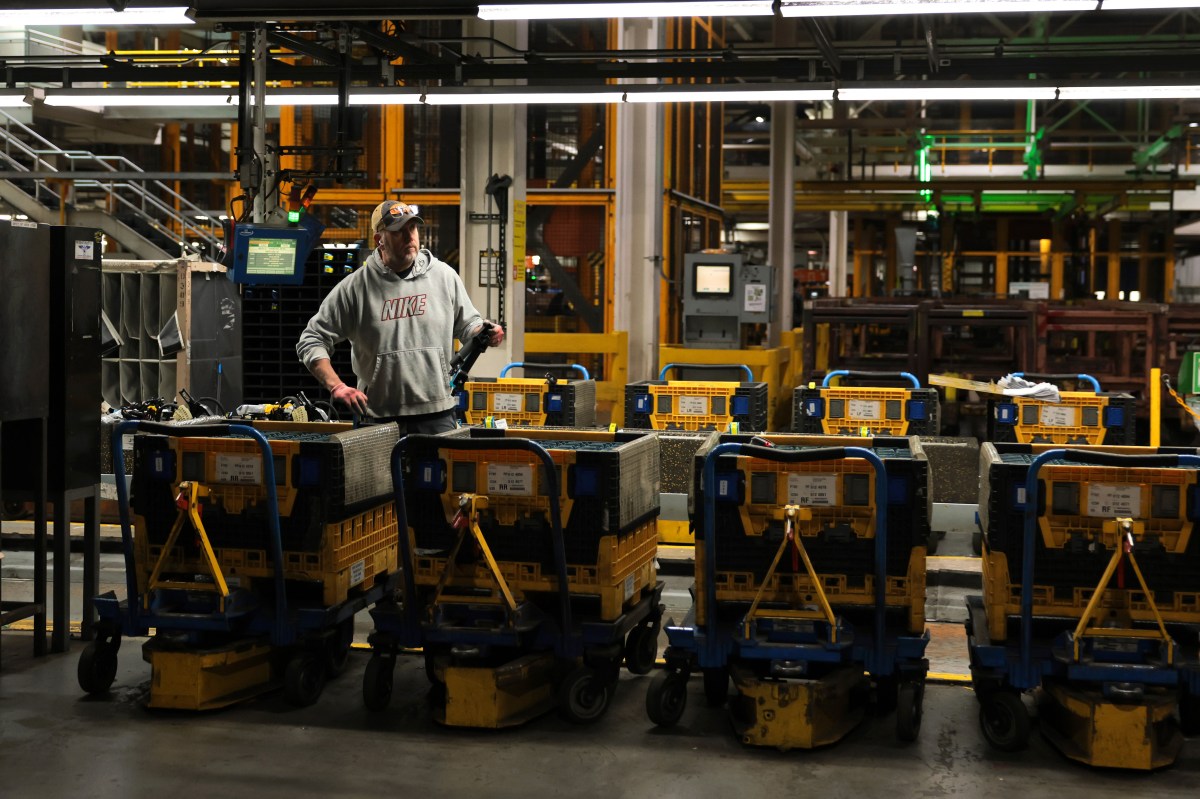
First Brands Group, an auto-parts maker, stopped planned layoffs for hundreds of workers just days before they were to lose their jobs. The company is trying to sell parts of its business to save more jobs amid bankruptcy and federal fraud charges faced by former executives.
Key Facts
First Brands Group filed for Chapter 11 bankruptcy in September.
The company faced federal fraud charges against former top executives.
It planned to lay off 819 workers in Ohio but decided to keep 669 employees through the end of May.
First Brands is trying to sell some facilities to find a buyer and save about 1,600 jobs.
The company already sold several assets, including its Walbro business for $50 million, preserving around 600 jobs.
Bankruptcy has caused thousands of layoffs across multiple U.S. states since late 2025.
First Brands Group had about 6,000 employees in the U.S. when it filed for bankruptcy.
The bankruptcy revealed severe money problems, including billions in debts and only $12 million in cash available.
Read the Original
Want the full story? Tap a source to open the original
article.
A group of low-cost airlines has asked President Donald Trump's administration for $2.5 billion in financial help to deal with rising jet fuel costs. They also want a temporary suspension of certain airline taxes to keep ticket prices affordable for travelers.
Key Facts
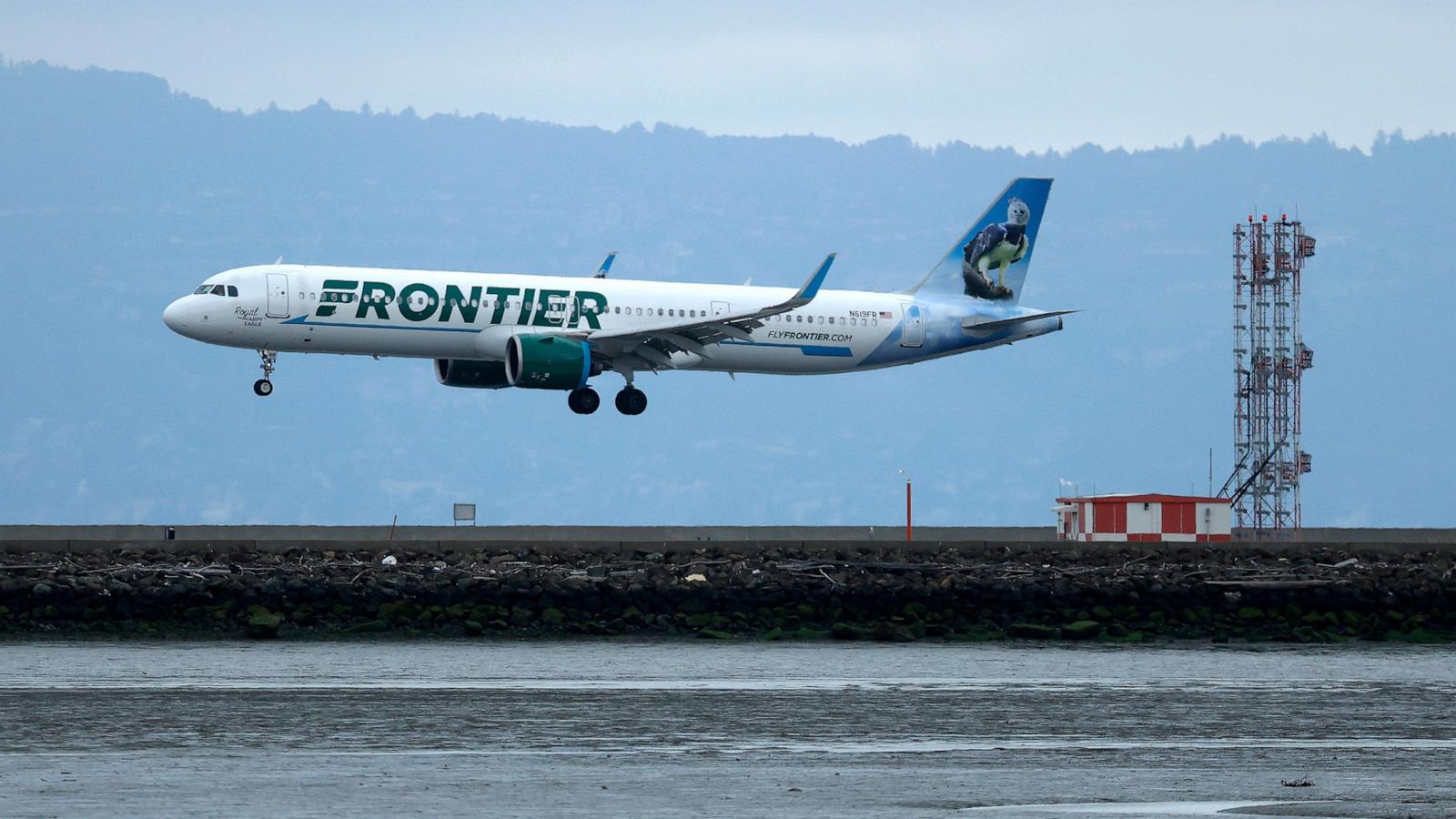
The Association of Value Airlines (AVA) represents Allegiant, Avelo, Frontier, Spirit, and Sun Country Airlines.
Jet fuel prices have nearly doubled recently due to the conflict in Iran.
AVA wants the government to create a fund airlines can use to manage fuel costs.
The group also asked Congress to temporarily suspend the 7.5% federal excise tax on airline tickets and a $5.30 domestic per passenger fee.
The airlines say these measures are temporary and will help keep air travel affordable and competitive.
AVA referenced past COVID-19 relief efforts as a precedent for government support.
The White House said it is aware of the request but has made no decisions yet.
The Department of Transportation has not publicly commented on the relief request.
Read the Original
Want the full story? Tap a source to open the original
article.
Putting $3,000 into a certificate of deposit (CD), a high-yield savings account, or a money market account can earn different amounts of interest. CDs generally offer the highest fixed rates, while high-yield savings and money market accounts have rates that can change over time.
Key Facts
Traditional savings accounts currently offer very low interest rates around 0.38%, which do not keep up with inflation over 3%.
CDs have fixed interest rates, making interest earnings predictable.
High-yield savings and money market accounts have variable rates that may rise or fall.
For a $3,000 deposit over three months, CDs and money market accounts earn about $28.83, while high-yield savings earn slightly more at $29.78.
Over six and nine months, CDs earn slightly more interest than the other two options.
Online banks often offer higher rates than traditional branch banks because they have lower costs.
Switching from a traditional savings account to one of these higher-rate accounts can increase interest earnings significantly.
Savers should consider the interest rate, account terms, and whether they want their rate fixed or variable before choosing an account.
Read the Original
Want the full story? Tap a source to open the original
article.
Tele-veterinary care lets pet owners connect with vets using video, chat, or phone and can be helpful for minor issues or follow-ups. However, it is not a full replacement for in-person visits, especially in emergencies or when a physical exam is necessary.
Key Facts
Pet care costs, including routine vet expenses, average over $4,000 a year per cat or dog and are rising.
Tele-vet care offers convenience for busy pet owners facing challenges like work schedules and travel to clinics.
Good uses for tele-vet visits include minor behavioral problems, mild skin and coat issues, prescription refills, post-surgery checks, and general questions.
Tele-vet care can help quickly decide if a pet needs urgent in-person care.
Serious conditions like breathing problems, poisoning, uncontrolled bleeding, seizures, collapse, or sudden changes require urgent physical vet visits.
Tele-vet care can be more affordable and less stressful for pets in certain cases but cannot replace all veterinary services.
Understanding when tele-veterinary care is appropriate helps pet owners make better health and cost decisions.
The article references a survey by Healthy Paws Pet Insurance highlighting the rising pet care costs.
Read the Original
Want the full story? Tap a source to open the original
article.