The carbon removal industry is adjusting its approach to gain support from President Donald Trump’s administration by linking its work to energy dominance rather than just fighting climate change. Two major carbon removal projects approved during the Biden administration have been allowed to continue under Trump, showing that the industry is trying to fit into the current government’s priorities.
Key Facts
The carbon removal industry captures carbon dioxide from the air and stores or uses it to help reduce global warming.
Under President Trump, the industry is emphasizing its role in supporting U.S. energy dominance and economic growth.
Two big carbon removal hubs, one in Louisiana (a joint venture between Heirloom and Climeworks) and another in Texas, recently received federal approval to move forward.
These hubs could get around $600 million each in funding.
The industry argues it could eventually operate without government subsidies, similar to fracking or nuclear energy.
Some local communities in Louisiana support the projects for job creation, while others oppose them over environmental and safety concerns.
The Energy Department reviewed over 2,000 carbon removal projects to decide which align with Trump’s goals of benefiting American taxpayers, ratepayers, and national security.
Microsoft, a major voluntary supporter of the industry, has paused new purchases of carbon removal services during this period of review.
Read the Original
Want the full story? Tap a source to open the original
article.
Congress set aside $50 billion to improve healthcare in rural America through the Rural Health Transformation Program. This money aims to help rural health centers, but much of it appears to be going to large companies for technology upgrades rather than directly supporting local clinics and patients.
Key Facts
The Rural Health Transformation Program is part of a law that also cut nearly $1 trillion from Medicaid over ten years.
Open Door Community Health Centers serve about 60,000 patients in rural Northern California, half of whom rely on Medicaid.
Many states received large awards from the program, ranging from $147 million to $281 million.
Most of the funding is planned to be spent on electronic health records, cybersecurity, and health technology upgrades.
Large coalitions of companies are offering services to states to manage the new funds and projects.
The program limits the amount of funding that can go directly to healthcare providers to 15% per state award.
States must meet strict deadlines for spending and reporting or risk losing their funds.
Some states have not yet had their budgets fully approved by federal regulators.
Read the Original
Want the full story? Tap a source to open the original
article.
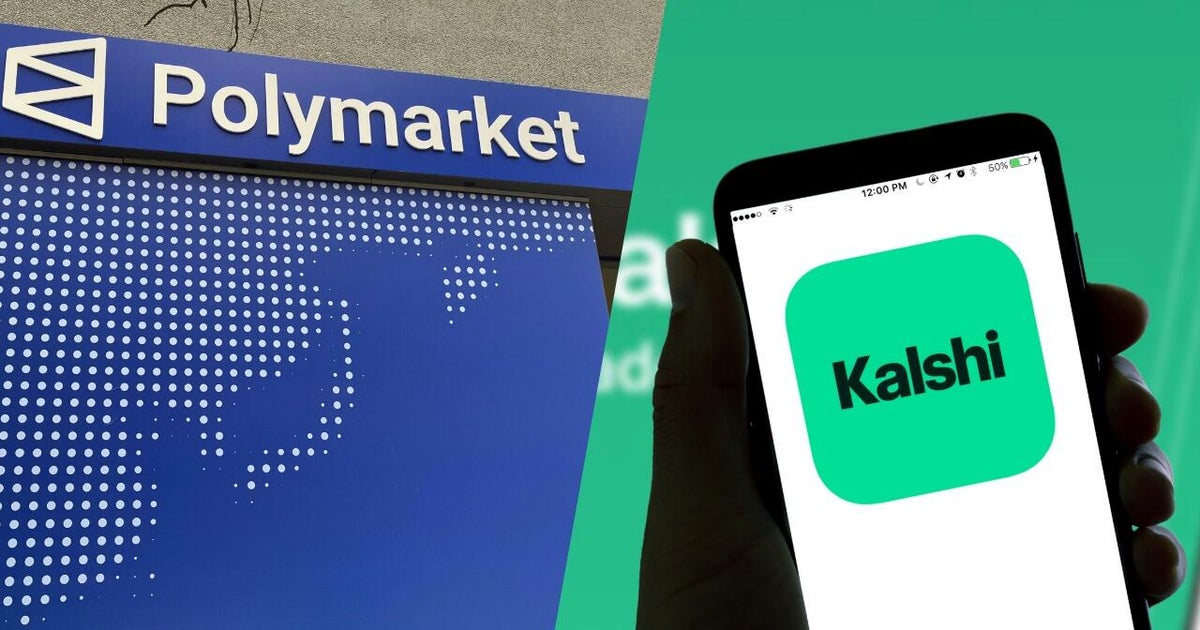
Prediction markets, where people bet on future events, are facing questions about fairness and insider trading. Some companies operate with strong rules and ID checks, while others allow anonymous betting using cryptocurrency. Regulators are considering tighter controls as cases of possible cheating come to light.
Key Facts
Prediction markets let people bet on events like elections or military actions.
Concerns have grown over insider trading, where people use secret information to win bets.
Polymarket mainly operates outside the U.S., uses cryptocurrency, and allows users to stay anonymous.
Kalshi is regulated in the U.S., requires ID verification, and follows anti-crime rules.
An army special forces soldier was arrested for allegedly betting on Venezuela’s leader’s capture using insider information.
Kalshi rejected this soldier’s bets and bans insider trading, while Polymarket reported suspicious activity to authorities.
Israeli soldiers were also arrested for trading on secret military information.
Some U.S. politicians were found to have bet on their own elections using prediction markets.
Read the Original
Want the full story? Tap a source to open the original
article.
HSBC is considering changes to a benefit that pays for school fees for some bankers in Hong Kong as part of a major reorganization under CEO Georges Elhedery. The bank has not decided yet and the benefit costs tens of millions of dollars annually.
Key Facts
HSBC is reviewing a perk that pays most of the school fees for mid and top-level bankers’ children in Hong Kong.
The subsidy covers 95% of fees up to HK$220,000 for primary and HK$300,000 for secondary school children.
Hundreds of HSBC staff in Hong Kong receive this benefit, which does not exist in other HSBC global hubs.
The perk is not available to workers at Hang Seng Bank, which HSBC fully bought in January 2024.
School fees in Hong Kong have increased since the Covid pandemic, with some schools planning a 4.1% fee rise.
CEO Georges Elhedery began leading HSBC in 2024 and is focused on cutting costs and simplifying the bank.
HSBC makes most of its profits in Hong Kong and China and aims to expand in Asia.
The bank was founded in 1865 to support trade between Europe and Asia and is a major bank in Hong Kong.
Read the Original
Want the full story? Tap a source to open the original
article.
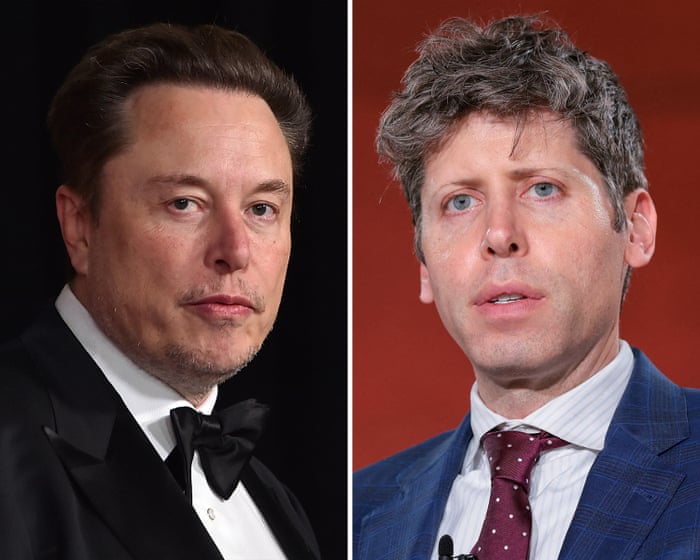
Elon Musk and Sam Altman are in a legal fight in California over OpenAI, the artificial intelligence company they started together. Musk says Altman broke their original agreement by turning OpenAI into a for-profit business, while Altman and OpenAI deny this and say Musk agreed to the change.
Key Facts
The lawsuit started on Monday in a federal court in Oakland, California.
Musk accuses Altman, OpenAI leaders, and Microsoft of breaking their contract and unfairly gaining money.
Musk wants Altman and OpenAI’s president removed and asks for over $134 billion in damages.
OpenAI was founded in 2015 as a non-profit organization by Altman, Musk, and others.
Musk gave about $38 million to OpenAI but left its board in 2018 after disagreements.
OpenAI later created ChatGPT and raised billions from Microsoft.
In 2025, OpenAI changed its main business to a for-profit company with regulatory approval.
OpenAI counters that Musk’s money was a donation, not an investment, and that he agreed to the business becoming for-profit in 2017.
Read the Original
Want the full story? Tap a source to open the original
article.
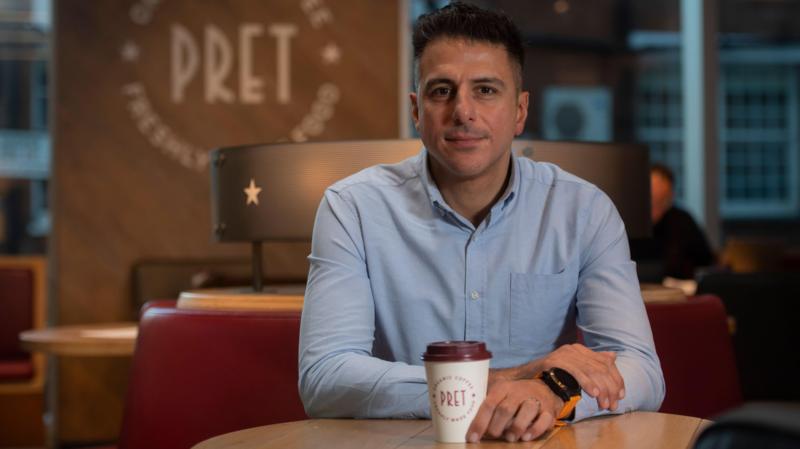
The boss of Pret A Manger shared how customer habits have changed, such as eating more salads and working from home on Fridays. Pret faces challenges like inflation and competition but has adapted with a new subscription model and meal deals to offer better value.
Key Facts
Customers are eating less bread and more salads, with Pret’s larger “Super Plates” salads selling 40% more than expected.
Bread-based items still make up over half of the top 20 best-selling Pret products.
Pret’s subscription plan costs £5 per month and offers up to five half-price drinks daily; sign-ups rose by nearly 25% last year.
Pret competes with other chains like Costa that offer loyalty rewards and meal deals for good value.
Fridays are quieter in Pret stores due to more people working from home after the pandemic.
Pret stores will stay open at least five days a week, but the exact days depend on location and demand.
Challenges for Pret include inflation, impacts of the Autumn Budget, and changes in commuting habits.
The effect of weight-loss drugs on food portion preferences is uncertain, but some firms are considering it.
Read the Original
Want the full story? Tap a source to open the original
article.
James Sherwin-Smith has secured enough member nominations to run for a seat on Nationwide Building Society’s board, potentially becoming the first customer to join the board in 24 years. The society’s board usually appoints members internally, and Nationwide has not yet decided whether it will recommend Sherwin-Smith’s election at the annual meeting in July.
Key Facts
James Sherwin-Smith gathered over 250 nominations, the minimum required to appear on Nationwide’s board election ballot.
If elected, he would be the first Nationwide customer on the board since 2002.
Nationwide’s board members are typically chosen by current directors, not by member vote.
The last member-nominated customer on the ballot was in 2005 but was not elected.
Sherwin-Smith and others have criticized Nationwide for limiting member influence, especially after the purchase of Virgin Money in 2024 without a member vote.
Nationwide has 17 million members and £377 billion in assets.
Sherwin-Smith is a financial technology adviser and investor, and he may give up those roles to qualify for the board.
Nationwide will decide soon if it will recommend Sherwin-Smith to members before the annual general meeting on July 15.
Read the Original
Want the full story? Tap a source to open the original
article.
A court in Taiwan fined Tokyo Electron’s local branch $5 million and sentenced five people to prison for stealing trade secrets from chipmaker TSMC. The case involved sensitive computer chip technology and national security charges.
Key Facts
The case centers on the theft of TSMC’s advanced computer chip technology.
Five defendants were sentenced to jail terms, with the longest being 10 years.
Tokyo Electron’s local unit was fined $5 million by the court.
Chen Li-ming, a former employee of both TSMC and Tokyo Electron, received a 10-year prison sentence.
Other former TSMC employees were sentenced to 2 to 6 years in prison.
One former Tokyo Electron employee was given a 10-month suspended sentence.
The case was heard in New Taipei City, Taiwan.
Tokyo Electron and TSMC have not yet commented on the court’s ruling.
Read the Original
Want the full story? Tap a source to open the original
article.
More than 30 children’s toys sold in the UK have been recalled because they contained asbestos in the play sand. The asbestos was found in products from several retailers, leading to safety concerns and calls for better testing and regulation.
Key Facts
Over 30 toys in the UK were recalled due to asbestos contamination in play sand.
Products affected include craft kits, candle-making kits, and stretchy rubber toys sold by stores like Hobbycraft, Tesco, Primark, Matalan, and M&S.
Asbestos is banned in the UK as it can cause cancer when inhaled.
The contaminated sand mainly came from mines in China where asbestos occurs naturally.
Initial safety tests missed asbestos, but more reliable labs later found contamination.
The UK government says companies must ensure product safety and report hazards, especially after Brexit reduced some government powers.
Consumer groups and campaigners say the UK’s safety checks are failing and want more government action.
Hobbycraft issued recalls and advised customers how to safely dispose of affected products after asbestos was discovered.
Read the Original
Want the full story? Tap a source to open the original
article.
Rents in Plymouth have risen sharply, from around £740 in 2021 to nearly £1,000 in 2026, causing difficulties for many people to afford housing. There are plans to build 10,000 new homes in the city centre, but concerns remain about the availability of genuinely affordable housing.
Key Facts
Average private rent in Plymouth increased by more than 30% in five years, reaching £975 in March 2026.
More than 7,000 people are on the waiting list for social housing in the Plymouth area.
The rising rent and cost-of-living crisis are making it harder for people on low incomes to find housing.
Plymouth City Council and the government agency Homes England plan to build over 10,000 new homes in the city centre.
Plans include creating taller buildings to increase housing density in the city centre.
Affordable housing is usually negotiated during development but often remains close to market prices, limiting access for low-income renters.
A charity leader highlighted the shortage of truly affordable housing and the high competition for available rentals.
Some landlords report that changes in rental laws have made it less appealing to rent out properties, reducing the private rental supply.
Read the Original
Want the full story? Tap a source to open the original
article.
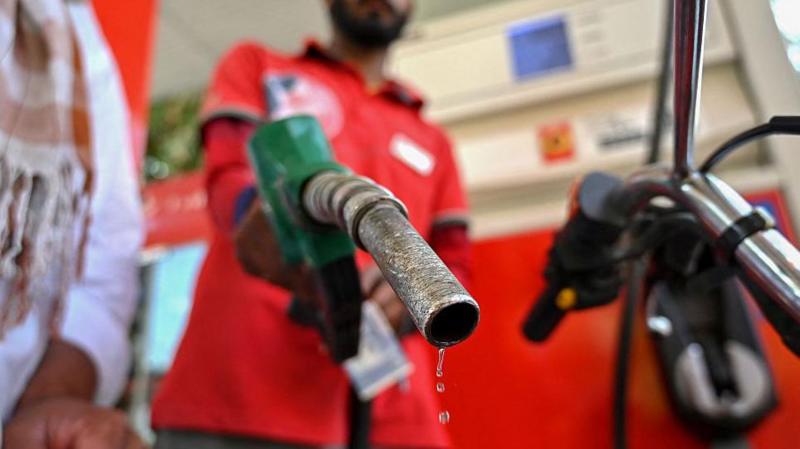
The war involving Iran has caused fuel and energy prices to rise in the UK, making it harder for families to afford everyday expenses. A family in Lancashire shared how higher diesel costs have increased their travel expenses, especially for medical visits, and they expect future energy bills to go up as well.
Key Facts
Fuel prices in the UK have increased sharply since the Iran war began on February 28.
Diesel prices rose by 35% and petrol by 19% in nearly two months.
Filling a family van with diesel now costs about £27 more than before.
Increased travel costs are hitting families who need to make long trips for medical care.
UK household energy bills are protected by a price cap but it is expected to rise by about 12% around July.
The Strait of Hormuz, a key route for global oil transport, is mostly closed due to the conflict.
The closure has reduced oil and gas supply, pushing up international energy prices.
Rising fuel and energy prices are expected to lead to higher food costs, putting more pressure on household budgets.
Read the Original
Want the full story? Tap a source to open the original
article.
The recent conflict involving the United States and Israel against Iran has caused fuel prices to rise worldwide. This has led to increased demand for electric vehicles (EVs) in many countries, pushing up prices and sales of EVs, especially in markets like the US, China, Vietnam, Japan, and Australia.
Key Facts
Since the US and Israel’s war on Iran started, demand for used electric vehicles has increased, with prices rising by 10-20% in some cases.
China saw an 82.6% increase in EV sales in March 2025 compared to the previous month.
US EV sales reached over 82,000 units last month, up 20% from February 2025 but still down compared to last year.
Vietnam’s local EV brand Vinfast reported a 127% increase in sales year-on-year for March.
Japan’s EV sales nearly tripled year-on-year last month, while South Korea’s domestic EV purchases surged by 172%.
European countries like France, Norway, Sweden, and Denmark also saw large increases in Tesla car registrations.
In Australia, electric vehicles made up 14.6% of total vehicle sales in March, almost double the share from the previous year.
Higher fuel prices have resulted in more people visiting EV showrooms and waiting to buy electric cars, causing stock shortages.
Read the Original
Want the full story? Tap a source to open the original
article.
McDonald’s won a legal case allowing it to open a 24/7 takeaway restaurant on High Street in Northcote, Melbourne. The local council had tried to block the plan, but a tribunal ruled that McDonald’s can use the site, which already had permission to be a cafe or restaurant.
Key Facts
McDonald’s wants to open a 24/7 takeaway store at 323 High Street, Northcote.
Darebin council voted 6-3 to reject McDonald’s application in November 2023.
Over 11,000 people signed a petition opposing McDonald’s, saying it would harm the street’s character.
Victoria’s Civil and Administrative Tribunal (VCAT) ruled the permission for a cafe or restaurant applies no matter the operator.
The site is in a commercial zone, so a planning permit isn’t needed for retail or restaurant use.
The site has been vacant for years and suffered vandalism and trespassing.
The tribunal said a McDonald’s would improve the area’s safety and activity.
The new store is expected to create about 200 jobs in construction and operation.
Time Out magazine named High Street the “world’s coolest” street in 2024.
Read the Original
Want the full story? Tap a source to open the original
article.
The Michael Jackson biopic "Michael" opened with a $217 million global box office, setting a new record for the biggest opening weekend ever for a biopic. Despite mixed reviews and production problems, the film performed very well with audiences, especially in North America.
Key Facts
"Michael" made $97 million at the North American box office in its first weekend.
The total worldwide opening was $217 million, beating previous biopic records.
The movie was co-produced by the Jackson estate and stars Jackson’s nephew, Jaafar Jackson.
Critics gave the film a 38% score on Rotten Tomatoes, but audience approval was 97%.
Production faced issues after filming, including cutting scenes about abuse allegations due to legal restrictions.
The film’s total production cost was close to $200 million.
Lionsgate sold international distribution rights to Universal to help cover costs.
A sequel is already being planned, with director Antoine Fuqua interested in directing it.
Read the Original
Want the full story? Tap a source to open the original
article.
Oil prices went up on Monday after talks between the US and Iran did not make progress. The rise happened because a planned peace negotiation team from the US was canceled, and concerns grew about safety in the key Strait of Hormuz for shipping oil.
Key Facts
Brent oil price increased by 2.2% to $107.70 per barrel.
US crude oil price rose by 2.1% to $96.40 per barrel.
President Donald Trump said the US canceled plans to send negotiators to Pakistan for talks with Iran.
The Strait of Hormuz, a critical route for global oil and gas, was threatened by Iran, causing supply concerns.
Iran’s Foreign Minister said talks with Oman focus on safe transit through the strait.
About 20% of the world’s oil and liquefied natural gas normally passes through the Strait of Hormuz.
The Iran war and related military actions have pressured global energy supplies.
Read the Original
Want the full story? Tap a source to open the original
article.
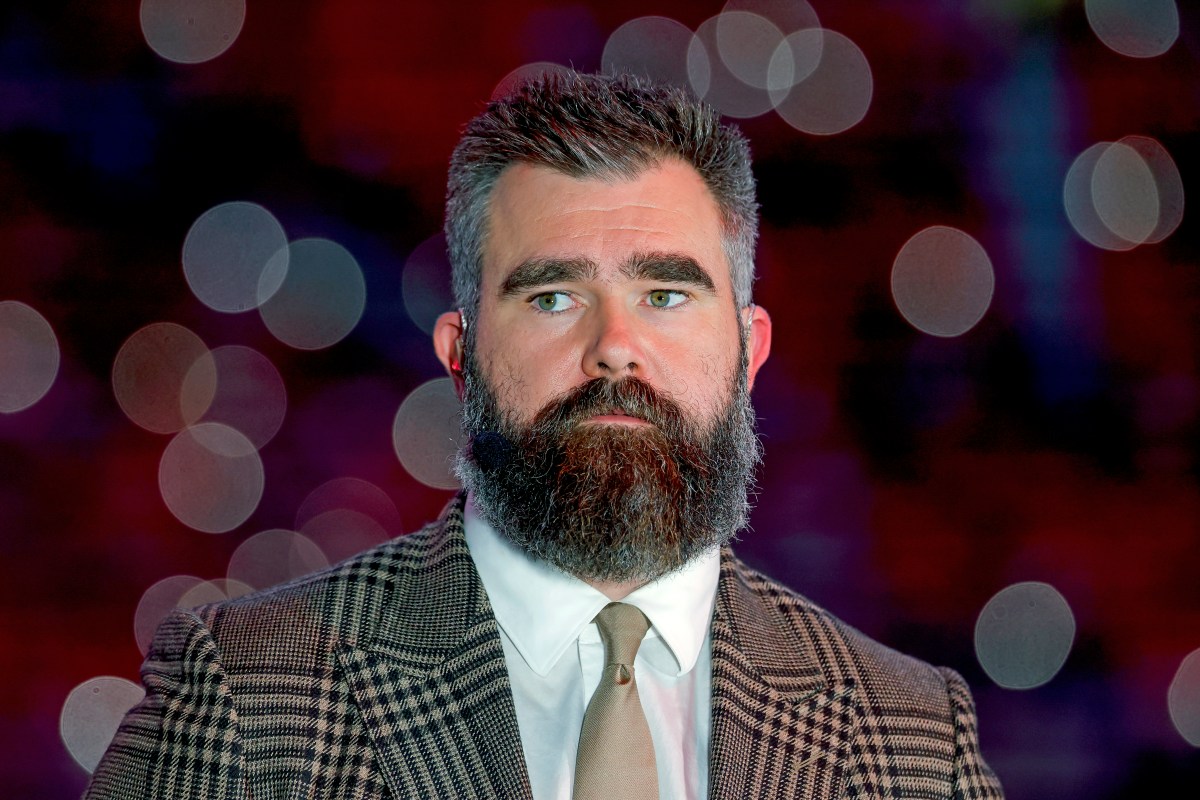
Jason Kelce retired from the Philadelphia Eagles in 2023 and works as a football analyst on ESPN. After a short-lived ESPN late-night show, he plans to launch a new YouTube show with Amazon’s Creator Services.
Key Facts
Jason Kelce retired from playing football in 2023.
He appears regularly on ESPN’s “Monday Night Countdown” and other shows.
Kelce hosts a weekly podcast called “New Heights” with his brother Travis.
He signed a three-year, $24 million contract with ESPN.
Kelce’s ESPN late-night show in 2025 ran only five episodes and was not renewed.
He is partnering with Amazon Creator Services to create a new YouTube show.
The new YouTube show's launch date was delayed.
Kelce and his brother will host a live podcast episode on June 15 in Los Angeles during the World Cup.
Read the Original
Want the full story? Tap a source to open the original
article.
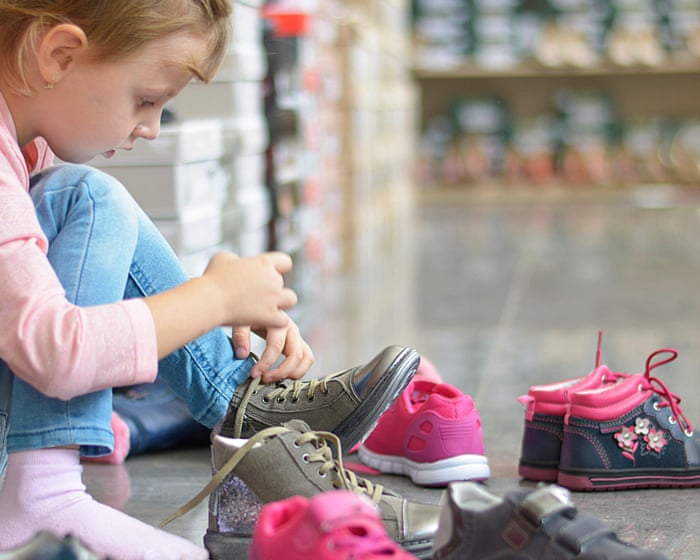
Footwear specialists warn that the closure of many children’s shoe shops in Great Britain is making it harder for parents to get proper shoe fittings, which may harm children’s foot health. A group called Footwear Hub has started a campaign to encourage parents to give children’s feet the same care as their eyes and teeth, highlighting problems caused by ill-fitting shoes.
Key Facts
Over 1,000 shoe shops have closed in Great Britain since 2020.
Many parents now buy children’s shoes online or travel long distances (up to 50 miles) for fitting services.
Footwear Hub is a not-for-profit group made up of 40 specialist shoe shops.
Bunions (painful bony lumps on feet) and other foot problems are increasing among children.
Ill-fitting shoes can cause foot, ankle, knee, and back issues later in life.
Children's feet grow until their mid-teens, and poor shoe fit can affect their walking and stability.
The campaign "fit well, grow well" offers free advice and aims to raise awareness of children’s foot health.
Shoe fitters report many children wear shoes that are too small or narrow, contributing to foot problems.
Read the Original
Want the full story? Tap a source to open the original
article.
Chevron's CEO Mike Wirth said oil prices are likely to keep rising due to the ongoing conflict in Iran. The war has reduced oil supply, which pushes prices higher.
Key Facts
Chevron CEO Mike Wirth spoke about oil prices on a Sunday interview.
He said there is "upward pressure" on oil prices because of the U.S. conflict in Iran.
The conflict is now in its second full month.
The war has caused less oil to be available in the market.
Reduced supply tends to increase oil prices.
This trend of rising prices is expected to continue while the conflict lasts.
Chevron is a major company involved in oil production and sales.
Read the Original
Want the full story? Tap a source to open the original
article.
Anta is a Chinese sportswear company that started in 1991 and grew from a small shoe maker to a global brand. It now owns several well-known sports brands, opened its first U.S. store in Beverly Hills, and aims to compete with major global companies like Nike and Adidas.
Key Facts
Anta was founded by Ding Shizhong, who started by selling shoes made in a relative's factory.
The company owns international brands such as Arc'teryx and Salomon and owns a stake in Puma.
Anta has over 10,000 stores in China and sponsors athletes like Olympic skier Eileen Gu.
The company opened its first store in the United States in Beverly Hills in February.
Anta’s rise reflects China's role as a major global manufacturing hub, especially in footwear.
The city of Jinjiang, where Anta began, became known as the "shoe capital" of the world due to specialized factories and suppliers.
Manufacturing clusters in China helped companies like Anta improve quality, speed, and consistency of production.
Anta’s goal is to become a global brand rather than just a Chinese version of Nike or Adidas.
Read the Original
Want the full story? Tap a source to open the original
article.
Chevron's CEO, Mike Wirth, said that the aviation industry is likely to face more jet fuel shortages. These problems come from Iran limiting shipping through a key water route called the Strait of Hormuz, which affects fuel supplies.
Key Facts
Mike Wirth is the CEO of Chevron, a major oil company.
He spoke about jet fuel shortages affecting the aviation industry.
The shortages are linked to limitations Iran has placed on shipping through the Strait of Hormuz.
The Strait of Hormuz is an important waterway used to transport fuel.
Before the conflict began, jet fuel supplies were already low in some regions due to seasonal changes.
The issues with fuel supply may get worse as the conflict continues.
Middle Eastern oil refineries are key players in producing jet fuel.
These challenges have a direct impact on airlines and air travel worldwide.
Read the Original
Want the full story? Tap a source to open the original
article.