The Federal Reserve is expected to keep interest rates unchanged, but new economic projections will address challenges such as rising inflation and an energy shock from a war involving Iran. These projections will influence future decisions by the Federal Reserve, particularly as they set the stage for the Fed's upcoming leadership under Kevin Warsh.
Key Facts
The Federal Reserve is likely to keep interest rates steady.
New economic projections are being released to assess the impact of recent changes.
Inflation is higher than expected, even before considering the effects of an energy shock from the Iran war.
The labor market data shows mixed signals, complicating future economic planning.
The Federal Reserve's Summary of Economic Projections will include future interest rate forecasts.
Previous projections anticipated a rate cut in 2026, with differing views among Fed officials.
Policymakers face a dilemma of whether to adjust interest rates in response to new economic shocks.
Kevin Warsh is set to succeed Jerome Powell as Federal Reserve Chair.
Read the Original
Want the full story? Tap a source to open the original
article.
Diesel fuel prices in the U.S. have risen above $5 a gallon, the highest in four years. This increase affects the cost of transporting goods across the country, which could lead to higher overall prices for many products.
Key Facts
Diesel fuel prices are $5.04 per gallon, according to AAA.
Diesel prices have increased by 38% in the past month.
The Iran war has reduced crude oil supplies, raising global prices.
Diesel fuels many transport vehicles like trucks, trains, and ships.
Rising diesel costs affect the prices of nearly all goods due to higher transportation costs.
The Federal Reserve could face challenges if core inflation increases due to these rising costs.
Read the Original
Want the full story? Tap a source to open the original
article.
Despite the ongoing conflict involving the US, Israel, and Iran, gold prices have remained steady, which is unusual during such uncertain times. Normally, gold prices rise when there is global tension, as it is considered a safe investment. Analysts suggest that possible reasons for this include expectations of changes in US interest rates and the current strong performance of the dollar.
Key Facts
The conflict between the US, Israel, and Iran began on February 28 and is affecting global markets.
Gold prices have stayed around $5,000 per ounce, which is unusual as they typically rise during global crises.
The price of oil has increased to over $100 per barrel due to the conflict.
Traders might expect the US Federal Reserve to adjust interest rates, which influences gold prices.
Gold had already increased in value earlier in the year, which could be dampening its response to the current conflict.
A stronger US dollar makes gold less attractive since gold is usually traded in dollars.
Investors may be turning to the US dollar as an alternative safe investment due to higher oil prices and inflation.
Read the Original
Want the full story? Tap a source to open the original
article.
Up to 275 jobs may be cut at Bentley as the company invests in new electric models at its Crewe plant. Despite announcing positive financial results, Bentley is making organizational adjustments to stay competitive. The job cuts will affect management, agency, and non-manufacturing roles.
Key Facts
Bentley plans to cut up to 275 jobs due to efficiency activities.
The job cuts are part of Bentley's investment in electric vehicle production.
The affected roles include management, agency, and non-manufacturing jobs.
Bentley has been profitable for seven years, with an operating profit of £186m in 2025.
The company is investing £2.5bn in its Crewe plant to support electrification.
The Crewe factory is moving toward becoming carbon neutral.
Bentley aims to release several electric models by 2030.
President Trump's tariffs, notably affecting China, have impacted Bentley's market.
Read the Original
Want the full story? Tap a source to open the original
article.
Electricity prices in Alderney will increase from April, with a 6.4% rise above inflation. This change aims to cover the energy company’s costs, boost renewable energy use, and ensure long-term stability.
Key Facts
Alderney Electricity will raise prices by 6.4% above inflation starting in April.
The increase aims to fix financial issues and support renewable energy development.
Households using Tariff C will see a rise of £20 per quarter.
Prices will still be lower than if they had matched inflation increases.
The company had kept prices low to help during tough economic times, like the pandemic.
Alderney relies mostly on diesel for electricity and faces rising global fuel prices.
Diesel prices increased nearly 50%, and kerosene prices went up over 80% since January.
The energy board approved the price increase in February to address financial challenges.
Read the Original
Want the full story? Tap a source to open the original
article.
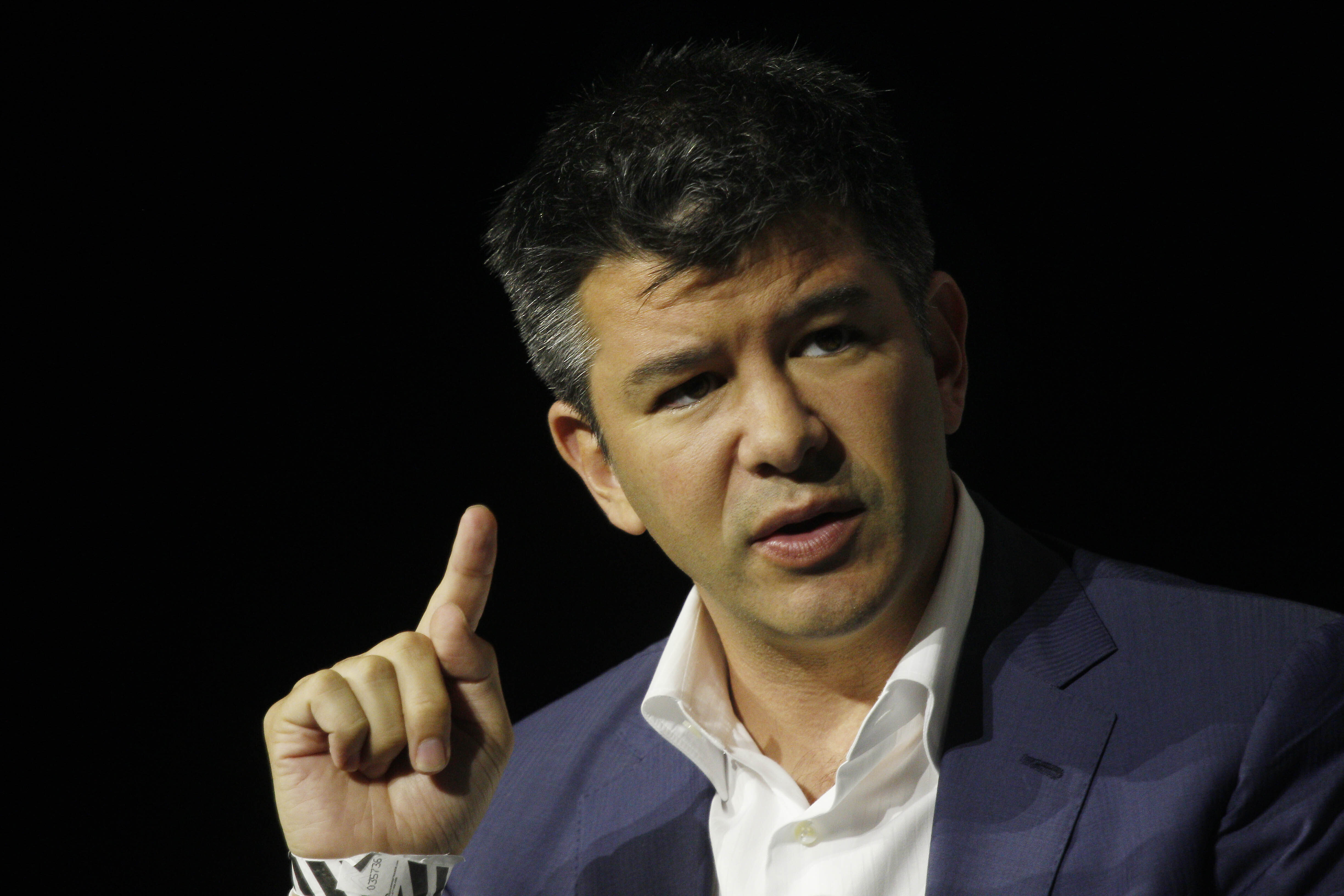
Billionaire Travis Kalanick, who started Uber, moved from California to Texas last year. He moved ahead of a proposed California tax that targets billionaires. The tax plan, which hasn't been voted on yet, could lead to many wealthy people moving out of California.
Key Facts
Travis Kalanick was the founder and former CEO of Uber.
Kalanick moved to Texas in December, possibly to avoid a proposed wealth tax in California.
This tax, called the Billionaire Tax Act, would impose a 5% tax on billionaires in California.
The tax is proposed to affect anyone living in California as of January 1, 2026.
California has the highest number of billionaires in the U.S.
Other billionaires, such as Elon Musk and Joe Lonsdale, have also moved from California to Texas.
The proposed tax aims to fund health care and education in California.
Read the Original
Want the full story? Tap a source to open the original
article.
Typical mortgage costs are now £788 more per year compared to before the conflict involving the US and Israel in Iran started at the end of February. This change affects a 25-year mortgage of £250,000 with an average two-year fixed interest rate of 5.28%. The data shows that mortgage rates have increased due to the geopolitical situation.
Key Facts
A typical mortgage is now £788 more expensive annually than before the Iran conflict involving the US and Israel.
The comparison is for a 25-year mortgage of £250,000.
The average two-year fixed mortgage rate is currently 5.28%.
Major lenders have removed mortgage deals with rates below 4%.
The average fixed rate for a two-year mortgage increased from 4.83% in March to 5.28%.
A five-year fixed mortgage rate has risen from 4.95% to 5.32%.
The Bank of England's rate-setting committee will meet later this week, which can affect variable-rate mortgages.
"Trumpflation" is expected to cause further economic changes due to the US and Israel's actions in Iran.
Read the Original
Want the full story? Tap a source to open the original
article.
A luxury spa in North India called Ananda in the Himalayas has added new programs focused on hormone health, addressing issues like perimenopause, menopause, and fertility for both men and women. The spa offers treatments using Ayurvedic therapies, Traditional Chinese Medicine, and holistic approaches to manage hormone-related challenges. This move taps into the growing public interest in hormone health and wellness.
Key Facts
Ananda in the Himalayas is a luxury spa in North India.
The spa introduced hormone health programs, focusing on perimenopause and menopause.
Programs use Ayurvedic detox therapies and Traditional Chinese Medicine, like acupuncture.
The spa also offers a Fertility Enhancement Program for men and women.
Chronic stress affects hormone balance, exacerbating health challenges.
The spa emphasizes luxury and customized wellness plans for guests.
Guests have health assessments and consultations before visiting the spa.
Read the Original
Want the full story? Tap a source to open the original
article.
The UK government plans to invest £2.5 billion in quantum computing and artificial intelligence to prevent technology firms from relocating abroad. The investment aims to boost economic growth, enhance ties with the EU, and create numerous jobs in the UK. Concerns exist about potential economic challenges from international conflicts influencing the UK economy.
Key Facts
The UK plans to invest £2.5 billion in quantum computing and AI.
The investment aims to stop UK tech firms from moving abroad.
Government efforts include fostering ties with the EU and boosting regional economic growth.
Promises were made to achieve fast AI adoption in the G7.
Quantum computing is expected to create 100,000 UK jobs.
Challenges could arise from the US-Israel conflict with Iran affecting oil prices.
Decisions on North Sea oil projects are pending in response to rising fuel prices.
Plans are in place to align more areas of the UK economy with EU standards.
Read the Original
Want the full story? Tap a source to open the original
article.
Closing arguments are scheduled in a trial where Elon Musk faces accusations from Twitter shareholders that he misled investors during his attempt to withdraw from a $44 billion deal to buy the company. The lawsuit centers on Musk's claims about a larger number of fake accounts on Twitter than reported, which he used as justification to back out of the acquisition. Musk eventually went through with the purchase, but shareholders argue his behavior was deceptive.
Key Facts
The trial involves Elon Musk and shareholders of Twitter, now called X.
Musk is accused of misleading investors during his 2022 attempt to end his deal to buy Twitter.
The deal was worth $44 billion, or $54.20 per share.
Musk claimed Twitter had more fake accounts than reported, citing this as a reason to back out of the purchase.
Twitter previously settled for $809.5 million over claims of overstating user growth and figures.
The trial's focus includes Musk's statements about fake accounts, which he believes were underreported by Twitter.
Twitter's former CFO testified that the company did not file false regulatory statements about spam account numbers.
Closing arguments are set to take place, and jury instructions were discussed with Judge Charles R Breyer reminding of the necessity for a fair trial.
Read the Original
Want the full story? Tap a source to open the original
article.
An 18-year-old woman was not shortlisted for a job at an estate agency because her car, a 2014 Citroen C1, did not meet the company's requirement of being under 10 years old. The company explained that they prefer employees to have newer vehicles for reliability and safety reasons.
Key Facts
Alanah Thompson French, an 18-year-old, applied for a job as a trainee lettings negotiator in Nottingham.
Her job application was not shortlisted because her car, a 2014 Citroen C1, was more than 10 years old.
The estate agency, haart, has a policy that requires employees' cars to be under 10 years old for safety and reliability.
Alanah's car, bought for £2,800, had less than 40,000 miles and no mechanical problems.
Alanah and her mother believe the policy is unfair to young applicants who may not afford newer cars.
Employment expert Danielle Parsons expressed concern that the policy excludes younger and less affluent applicants from entry-level positions.
Alanah is still interested in the property sector and continues to seek job opportunities despite this setback.
Read the Original
Want the full story? Tap a source to open the original
article.
Rural areas in the UK are experiencing difficulties due to rising prices of heating oil and red diesel. Charities and representatives for these areas say weak regulations are partly to blame, and they urge the government for more support. The UK government has announced plans for more consumer protection and financial help, but specific details on the distribution are still unclear.
Key Facts
Rural UK areas rely heavily on heating oil because they are not connected to main gas lines.
The government is creating new measures to protect customers from unfair practices in the oil market.
About 30% of homes in Cumbria and Northumberland use heating oil or wood for heating.
Charities have long called for better regulation of the heating oil sector.
A government grant for households using alternative fuels was withdrawn in April 2024.
Price spikes have also hit red diesel, affecting farmers who use it extensively.
Rising fertiliser costs also add stress to rural farmers.
The government will use the Crisis and Resilience Fund to help affected areas, starting April 1.
Read the Original
Want the full story? Tap a source to open the original
article.
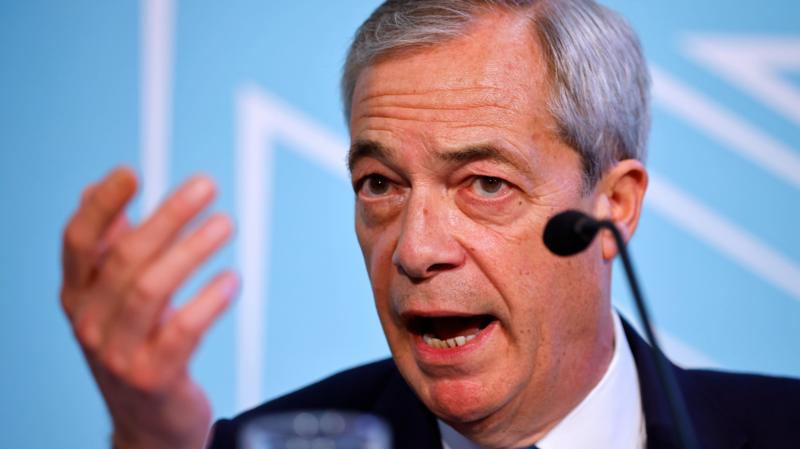
Reform UK plans to remove VAT and green levies from household energy bills if it gains power, saying this would save families an average of £200 annually. The party suggests covering the cost by cutting funds to government bodies known as quangos. This announcement comes amid concerns about rising energy costs influenced by global events.
Key Facts
Reform UK promises to scrap VAT and green levies from energy bills if it wins power.
The party says this would save the average household £200 annually.
Rising energy costs are a concern due to global events, like the conflict in Iran.
Some energy levies are set to be removed or funded by taxes starting from April.
Energy bills might increase again when the cap is reset in July.
Reform plans to fund its proposal by reducing budgets for government bodies (quangos).
VAT on energy is currently 5%, and its removal would save households £78 annually.
Reform would also remove other levies like Renewables Obligation and Carbon Price Support.
Read the Original
Want the full story? Tap a source to open the original
article.
Jeffrey Epstein advised Mortimer Zuckerman, a media and real estate mogul, to give up control of his financial affairs due to concerns about Zuckerman's cognitive health. Epstein suggested that Zuckerman appoint trusted individuals, including a Norwegian diplomat and his nephews, to manage his affairs. It remains unclear if Zuckerman followed this advice, though he did step down as chairman of Boston Properties months later without citing health reasons.
Key Facts
Jeffrey Epstein expressed concerns about Mortimer Zuckerman's cognitive impairment.
Epstein suggested that Zuckerman consider entering a conservatorship for protection.
Zuckerman owns US News & World Report and had past ownership of The Atlantic and New York Daily News.
Epstein recommended that Zuckerman appoint trusted individuals, like family members and a diplomat, to manage his affairs.
Epstein communicated his concerns through emails, using blunt language about Zuckerman's condition.
Zuckerman thanked Epstein and sought advice for a lawyer experienced in such matters.
About six months later, Zuckerman stepped down as chairman of Boston Properties but did not mention health as a cause.
It is not clear whether Zuckerman implemented Epstein's advice regarding his affairs.
Read the Original
Want the full story? Tap a source to open the original
article.
A group of 13 state attorneys general filed a lawsuit against OneMain Financial, claiming the company added hidden costs to loans. The lawsuit alleges that OneMain made borrowers purchase extra products without clear information, leading to higher loan costs.
Key Facts
13 state attorneys general sued OneMain Financial on Monday.
The lawsuit claims OneMain added unwanted products to loans, increasing costs.
OneMain allegedly misled borrowers by making them think added products were necessary.
The affected products include credit insurance and home and auto memberships.
OneMain is accused of violating state consumer protection laws.
OneMain faced similar issues and settled with the Consumer Financial Protection Bureau in 2023.
OneMain agreed to repay $10 million to consumers and pay $10 million in fines in 2023.
OneMain primarily offers loans to people with subprime credit scores.
Read the Original
Want the full story? Tap a source to open the original
article.
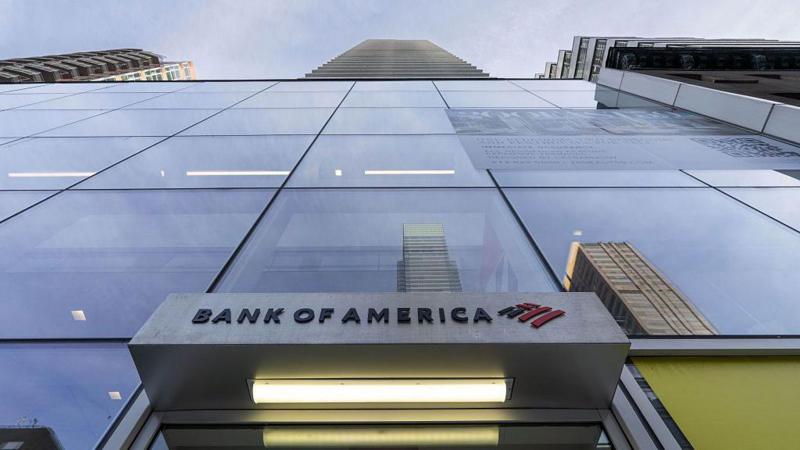
Bank of America has agreed to settle a lawsuit related to accusations of facilitating Jeffrey Epstein's illegal activities. The lawsuit was brought on behalf of Epstein's victims, and the court must now approve the settlement terms. This is the third major bank settlement involving Epstein.
Key Facts
Bank of America reached a settlement with victims of Jeffrey Epstein.
The lawsuit accused the bank of helping Epstein with his illegal activities.
Settlement terms have not been disclosed and need court approval.
It follows similar settlements by JP Morgan Chase ($290 million) and Deutsche Bank ($75 million).
The lawsuit was filed by a woman who claimed abuse by Epstein over several years.
Allegations included the bank choosing profit over protecting victims.
The lawsuit mentioned over $150 million paid to Epstein from Leon Black's account at Bank of America.
Bank of America previously asked the court to dismiss the lawsuit.
Read the Original
Want the full story? Tap a source to open the original
article.
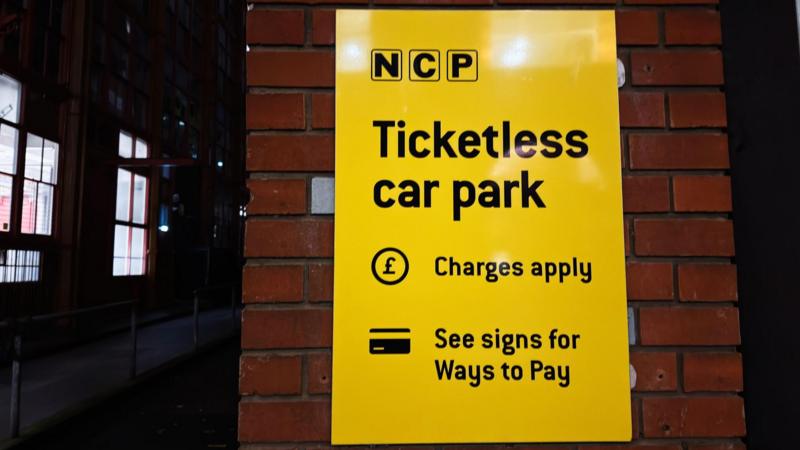
National Car Parks (NCP), a major car park operator in the UK, has entered administration, putting almost 700 jobs at risk. The company faced financial difficulties due to changes in commuting and driving patterns after COVID-19, along with accumulating debts. PwC, the administrators, are exploring options to sell the business while keeping operations running.
Key Facts
National Car Parks (NCP) has gone into administration, risking 682 jobs.
Demand for parking did not return to previous levels after COVID-19.
NCP consistently lost money and couldn't pay its creditors.
The company holds long-term leases that are hard to cancel.
PwC is managing the administration and seeking a buyer for NCP.
NCP operates 340 car parks across the UK, including airports and hospitals.
Its debts exceeded its assets by £305 million as of September last year.
PwC aims to continue service and review the business during this process.
Read the Original
Want the full story? Tap a source to open the original
article.
The UK's Office for National Statistics (ONS) updated its list of items used to track inflation, adding things like alcohol-free beer and pet grooming to reflect consumer trends. These items help calculate inflation, which is the rate at which prices for goods and services rise over time. Changes to the list show shifts in consumer spending habits, such as an interest in healthier lifestyles and increased pet care.
Key Facts
The ONS uses a virtual basket of 760 items to measure inflation in the UK.
The basket is updated annually to reflect what people typically spend their money on.
Alcohol-free beer and houmous are new additions to the basket to indicate the trend towards healthy living.
Motorhomes, dashboard cameras, and pet grooming are also newly added.
27 items were added to and 19 removed from the basket this year.
The new method of including supermarket scanner data aims to improve the accuracy of inflation measurement.
Inflation affects things like benefits, pensions, and interest rates.
The UK's target inflation rate is 2%, but the latest rate is around 3%.
Read the Original
Want the full story? Tap a source to open the original
article.
A fake United Airlines advertisement suggesting changes to its MileagePlus loyalty program caused confusion online. The ad appeared to prioritize customers with United's credit card. United Airlines confirmed the ad was not real and had not been posted by them.
Key Facts
A United Airlines ad shown on social media seemed strange to some viewers.
It mentioned changes to the MileagePlus program to favor credit card holders.
The social media post sharing this ad received over 660 upvotes on Reddit.
Some Reddit users thought the ad might be AI-generated.
United Airlines confirmed the ad is fake and not created by them.
United did announce changes prioritizing reward miles for credit card holders.
The confusing social media post might have copied from other online headlines.
Read the Original
Want the full story? Tap a source to open the original
article.
The UK Prime Minister, Sir Keir Starmer, announced a £53 million support package to help low-income households deal with the rising costs of heating oil, which have increased due to global conflicts affecting crude oil prices. This aid will be directed specifically towards vulnerable and rural communities, and the government is exploring additional protections for heating oil customers.
Key Facts
The UK government will allocate £53 million to assist with heating oil costs for vulnerable households.
Prices for heating oil have increased significantly due to the US-Israeli conflict with Iran, raising crude oil prices above $100 per barrel.
Heating oil prices are not regulated like gas and electricity, affecting households primarily in Northern Ireland, Scotland, and rural England and Wales.
The funds will be distributed by local governments through specific support funds, with separate allocations for England, Scotland, Wales, and Northern Ireland.
Northern Ireland will receive £17 million, England £27 million, Scotland £4.6 million, and Wales £3.8 million.
The UK government is considering new protections for heating oil users, as current protections by the regulator Ofgem do not apply.
The global oil market is unstable due to geopolitical tensions, which affects energy prices.
Read the Original
Want the full story? Tap a source to open the original
article.