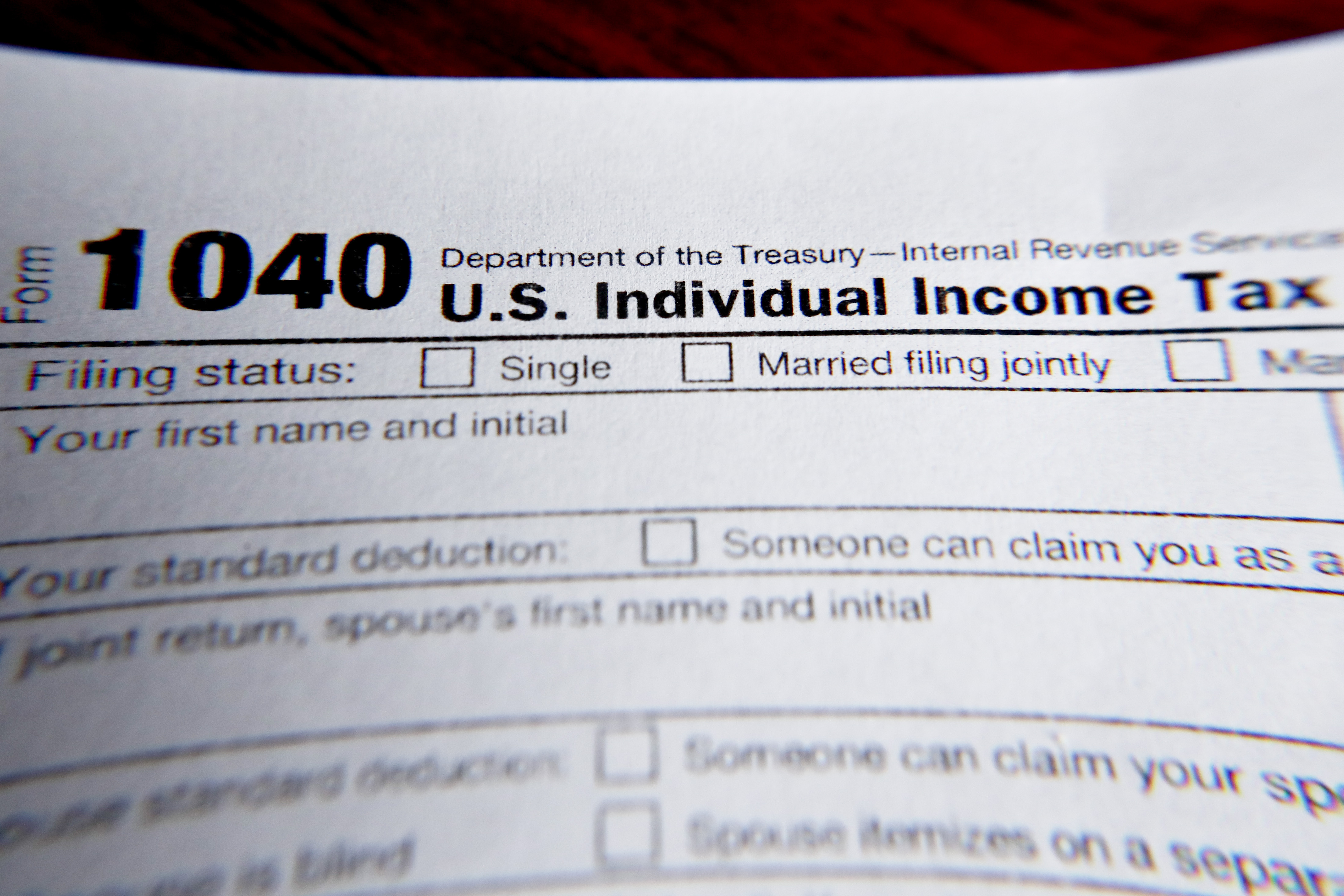
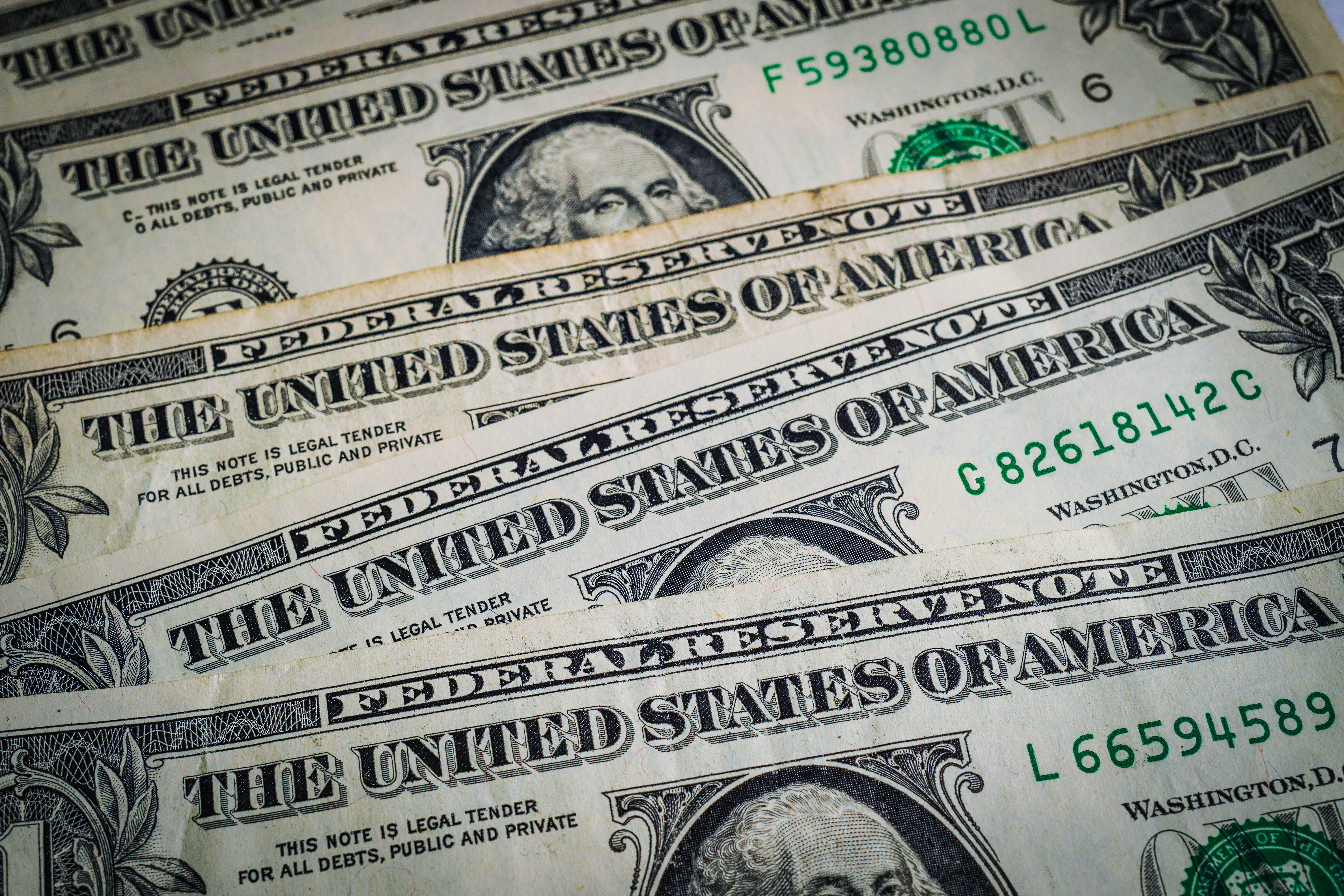
Americans are expected to get larger tax refunds this year due to changes in tax laws under President Trump's Working Families Tax Cuts Act. The average refund might increase by $1,000 or more, with tax filing starting January 26. The IRS recommends using direct deposit to receive refunds quickly and securely.
Key Facts
Americans may receive the largest tax refunds in history due to President Trump's tax changes.
The new tax law changes are retroactive to the beginning of 2025.
Economists project average refunds could be $3,800 to $4,200, up from $3,004 in 2023.
Taxpayers can start filing 2025 tax returns on January 26, and the deadline is April 15.
The IRS encourages direct deposit as it is faster and safer than paper checks.
Approximately 93% of taxpayers filed electronically last year.
About 75% of taxpayers typically receive a refund each year.
Options exist for taxpayers without traditional bank accounts to receive electronic deposits.
Read the Original
Want the full story? Tap a source to open the original
article.
The White House announced that Americans will receive the largest tax refunds in U.S. history due to the Working Families Tax Cuts Act introduced by President Donald Trump. Economists predict that average refunds could increase significantly, with the IRS beginning to process tax returns soon.
Key Facts
The White House expects Americans to get the largest tax refunds in history this tax season.
Average tax refunds could increase by $1,000 or more compared to recent years.
New tax provisions, including expanded deductions, have contributed to the larger refunds.
Average refunds are projected to be about $4,000, up from roughly $3,000 in recent years.
Measures include eliminating taxes on tips, overtime, and Social Security benefits.
The IRS will start accepting tax returns soon, and taxes are due on April 15.
Treasury Secretary Scott Bessent mentioned possible refunds of $1,000 to $2,000 per household.
Analysts predict a "gigantic refund year" due to changes being retroactive to 2025.
Read the Original
Want the full story? Tap a source to open the original
article.
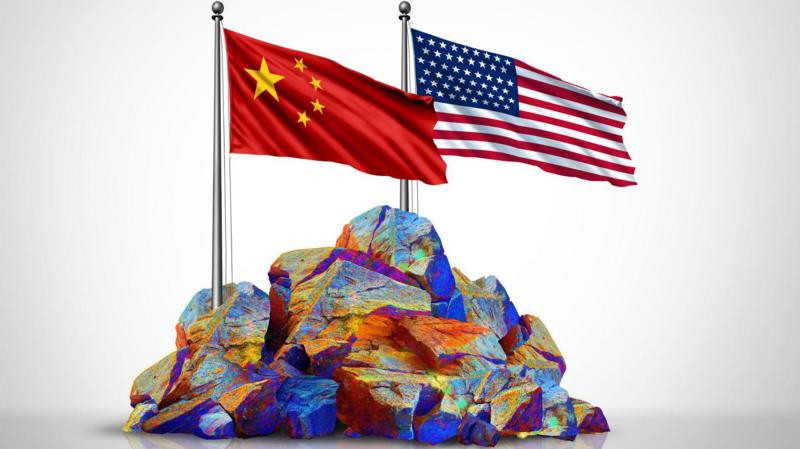
The Trump administration plans to invest $1.6 billion in USA Rare Earth, a US minerals company, to increase local production of vital minerals and reduce reliance on China. This investment includes a $1.3 billion loan and $277 million in federal funding to enhance mining and manufacturing needed for products like smartphones and defense technologies.
Key Facts
The Trump administration is investing $1.6 billion in a US minerals company called USA Rare Earth.
This move aims to boost production of critical minerals needed for various technologies.
USA Rare Earth will receive a $1.3 billion loan and $277 million in federal funding.
The investment is part of a strategy to reduce dependence on China for rare earths.
USA Rare Earth also raised an additional $1.5 billion from private investors.
The US government has made similar investments in other rare earths firms.
China processes about 90% of the world's rare earths, giving it a strong market position.
Rare earths are important in trade negotiations between the US and China, as the materials are crucial for many industries.
Read the Original
Want the full story? Tap a source to open the original
article.
President Donald Trump announced an increase in U.S. tariffs on South Korean products, including cars, lumber, and pharmaceuticals. The tariff rate will rise from 15% to 25% because South Korea's legislature did not approve a trade agreement made last year. President Trump shared this information on his social media platform, Truth Social.
Key Facts
President Trump raised tariffs on South Korean autos, lumber, and pharmaceuticals to 25%.
The increase follows a reported failure by South Korea’s legislature to approve a trade agreement.
The previous tariff rate was 15%.
President Trump and South Korea reached a trade deal on July 30, 2025.
The terms of the trade agreement were reaffirmed during President Trump's visit to Korea on October 29, 2025.
President Trump made the announcement on Truth Social, his social media platform.
Read the Original
Want the full story? Tap a source to open the original
article.
Revolution Bars' parent company, Revel Collective, plans to enter administration, affecting up to 2,200 jobs. The company seeks a buyer while dealing with difficult economic conditions and rising costs.
Key Facts
Revolution Bars is part of Revel Collective, which owns 62 pubs and bars in the UK.
The company entered administration due to economic challenges and rising costs.
Up to 2,200 jobs could be at risk as the company seeks a buyer.
Revel Collective's shares have been suspended on London's AIM stock exchange.
Discussions with potential buyers are ongoing, with a sale announcement expected soon.
Revel Collective was impacted by increased national insurance for employers and higher minimum wage costs.
382 hospitality businesses in the UK closed in the last quarter of 2025.
The hospitality sector faces pressure from higher taxes and operating costs.
Read the Original
Want the full story? Tap a source to open the original
article.
Over 700,000 university graduates in the UK are not working and are claiming welfare benefits, according to a think tank's analysis. The Centre for Social Justice reported that a significant number of these graduates are claiming Universal Credit, with many stating health issues as a reason for being out of work. The government is taking steps to address this by investing in job opportunities and reviewing the barriers young people face in the job market.
Key Facts
More than 700,000 graduates in the UK are out of work and claiming benefits.
400,000 of these graduates are on Universal Credit, a benefit for those with low income or no work.
240,000 graduates reported health issues as the reason they cannot work, a number that has more than doubled since 2019.
The number of unemployed graduates increased by over 200,000 since 2019.
The UK government is investing £1.5 billion to support young people in working or learning.
The Centre for Social Justice conducted the analysis using data from the Office for National Statistics and the Department for Work and Pensions.
The UK government has also commissioned a review to understand and tackle the issues holding young people back in the job market.
Read the Original
Want the full story? Tap a source to open the original
article.
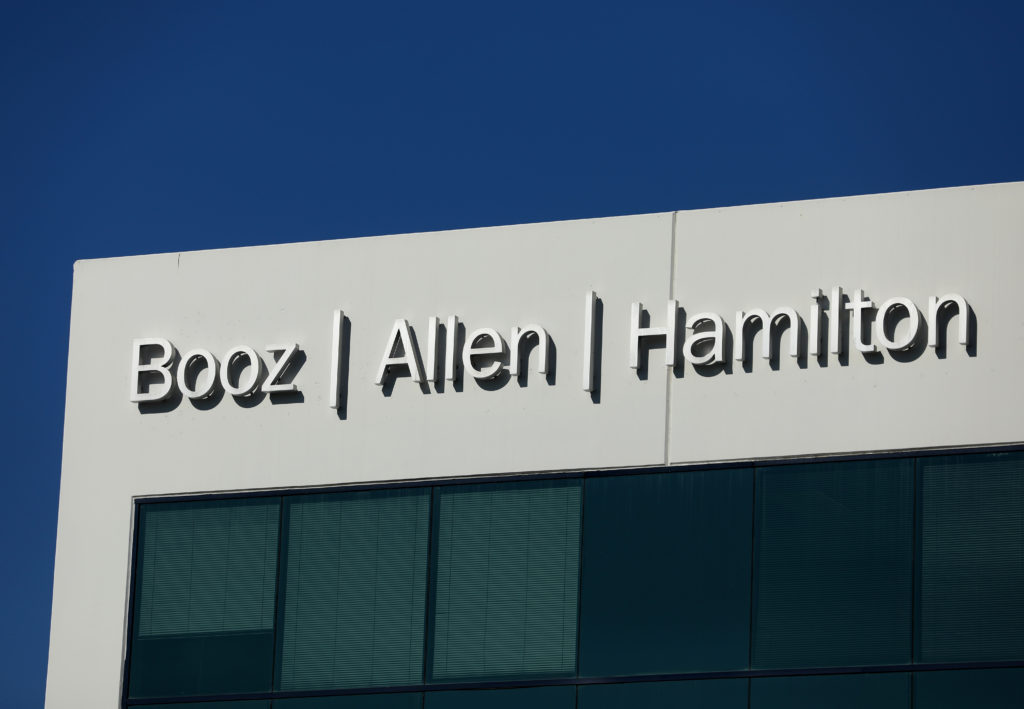
The U.S. Treasury Department has ended its contracts with Booz Allen Hamilton after a former contractor, Charles Edward Littlejohn, leaked tax information involving President Donald Trump and other wealthy people. Littlejohn was sentenced to five years in prison for his actions, which were considered unprecedented in the history of the IRS. Booz Allen still holds extensive contracts with other U.S. government agencies.
Key Facts
The Treasury Department canceled contracts with Booz Allen Hamilton due to a data leak involving Trump’s tax information.
Charles Edward Littlejohn, a former contractor at Booz Allen, leaked sensitive tax data and was sentenced to five years in prison.
Littlejohn leaked the data to news outlets like The New York Times and ProPublica between 2018 and 2020.
The Treasury Department had 31 contracts with Booz Allen, totaling $21 million in obligations.
Booz Allen maintains contracts with other government agencies such as the Defense Department and Homeland Security.
Booz Allen claims it did not store taxpayer data on its systems and assisted in the investigation that led to Littlejohn's prosecution.
Booz Allen's stock price dropped following the contract termination announcement.
The firm highlighted risks involving its professional reputation and relationships with the U.S. government in its latest SEC filing.
Read the Original
Want the full story? Tap a source to open the original
article.
A new chart shows the U.S. dollar's value has decreased, causing concern about its impact on the economy and buying power for Americans. Experts say the fall reflects economic uncertainty and political factors, which might lead to higher prices and impact travel abroad.
Key Facts
A chart showed the U.S. dollar index fell from 99.10 to 97.14 over five days in January 2023.
The U.S. dollar index measures the dollar's strength against major global currencies like the euro and yen.
Concerns include reduced buying power for Americans and higher import costs due to the weaker dollar.
The decline is linked to economic and political issues such as high tariffs and increasing government debt.
A weaker dollar might also make traveling abroad more costly for Americans.
Financial experts say this drop could result in long-term consequences if the dollar is seen as unstable.
Read the Original
Want the full story? Tap a source to open the original
article.
The price of gold has risen above $5,000 an ounce for the first time, driven by geopolitical events and concerns about the U.S. economy. Analysts link this surge to President Trump's actions and increasing investor interest in gold, considered a safe investment. Factors such as declining trust in the dollar and the U.S.'s economic challenges are contributing to gold's appeal.
Key Facts
Gold's price exceeded $5,000 per ounce for the first time.
Silver also increased, surpassing $100 an ounce.
Many believe President Trump's actions have influenced the gold price increase.
Gold often rises when confidence in other investments, like stocks and bonds, declines.
Some investors and central banks are buying gold due to economic and geopolitical concerns.
America's national debt and predictions of future interest rate cuts add to gold's allure.
There is widespread worry about the financial health of the U.S. and other Western economies.
Read the Original
Want the full story? Tap a source to open the original
article.
McDonald's is introducing a new Hot Honey Sauce and four menu items available for a limited time starting January 27 in the U.S. The new items include breakfast, lunch, and dinner options, all featuring the sweet and spicy sauce.
Key Facts
McDonald's will offer a new Hot Honey Sauce as of January 27.
The sauce is described as sweet with spicy heat and a hint of vinegar.
Four new items will be available: Hot Honey Sausage Egg Biscuit, Hot Honey McCrispy Sandwich, Bacon Hot Honey McCrispy Sandwich, and Hot Honey Snack Wrap.
The new items feature a McCrispy chicken fillet or a pork sausage patty with protein content ranging from 17 to 34 grams per item.
The availability of these items may vary by location.
The menu changes are part of McDonald's ongoing strategy to introduce new and seasonal items.
Read the Original
Want the full story? Tap a source to open the original
article.
Gold prices have increased to over $5,100 an ounce, reaching a new high as investors look for safe investments because of global conflicts and trade issues. The price jump is supported by central bank purchases, U.S. policy changes, and increased investment in gold-based funds. These economic changes are happening amid trade tensions led by President Trump.
Key Facts
Gold prices have reached a record high of over $5,100 an ounce.
Spot gold price rose by 2.2% to $5,089.78 by early Monday GMT.
The highest price recorded was $5,110.50 per ounce.
U.S. gold futures for February delivery also increased to $5,086.30.
Gold prices rose 64% in 2025, the largest increase since 1979.
The increase is due to heightened demand for safe investments and major central bank purchases.
President Trump’s trade policies have led to significant economic disruptions.
A weaker U.S. dollar makes gold cheaper for international buyers.
Read the Original
Want the full story? Tap a source to open the original
article.
Bonnie Tyler's song "Total Eclipse of the Heart" has been streamed over one billion times on Spotify. Despite the massive number of streams, the singer says it has not translated into significant financial earnings. This highlights a common issue in the music industry where artists often earn little from streaming platforms.
Key Facts
Bonnie Tyler is a Welsh singer known for the hit song "Total Eclipse of the Heart."
The song has surpassed one billion streams on Spotify.
Despite this milestone, Tyler reports earning "about nothing" in revenue from the streaming.
"Total Eclipse of the Heart" was released 43 years ago and remains a popular song.
Tyler received a commemorative plaque from Spotify for the milestone.
The song also has over 1.2 billion views on YouTube.
Streaming revenue generally remains low for artists, despite high play counts.
Read the Original
Want the full story? Tap a source to open the original
article.
More than 60 CEOs from Minnesota companies like Target and Best Buy wrote a letter asking for cooperation among government leaders following recent shootings. The letter highlights concerns about tensions and the effects of immigration enforcement on businesses in the state.
Key Facts
Over 60 CEOs from Minnesota companies signed a letter for government cooperation.
Companies involved include Target, Best Buy, and UnitedHealth.
The letter focuses on tensions after two fatal shootings by federal agents.
Protests have targeted businesses seen as not opposing federal law enforcement actions.
A lawsuit was filed by Minnesota against federal immigration operations.
Some businesses report sales drops by up to 80% due to the unrest.
The letter expresses a desire for peace and cooperation to find real solutions.
Read the Original
Want the full story? Tap a source to open the original
article.
The financial markets are facing uncertainty due to President Trump's new policies and global actions. This includes his approach to Greenland and tariffs, tensions with the Federal Reserve, and various geopolitical and trade issues. Investors are finding it hard to predict market movements as the year unfolds.
Key Facts
President Trump is actively pushing for a new global order, affecting market stability.
Venezuela's political situation caused energy prices to drop.
President Trump initially threatened to control Greenland and proposed tariffs on European countries.
The Department of Justice is investigating Federal Reserve Chair Jerome Powell, causing concerns over the Federal Reserve's independence.
Canadian Prime Minister Mark Carney spoke about China's role in global trade and relaxed tariffs on Chinese electric vehicles.
President Trump is involved in a legal case against JPMorgan Chase for $5 billion.
Recent immigration crackdowns have prompted responses from business leaders in Minnesota.
There's uncertainty in the stock market with modest gains in the S&P 500 and doubts about the tech sector's lead.
Read the Original
Want the full story? Tap a source to open the original
article.
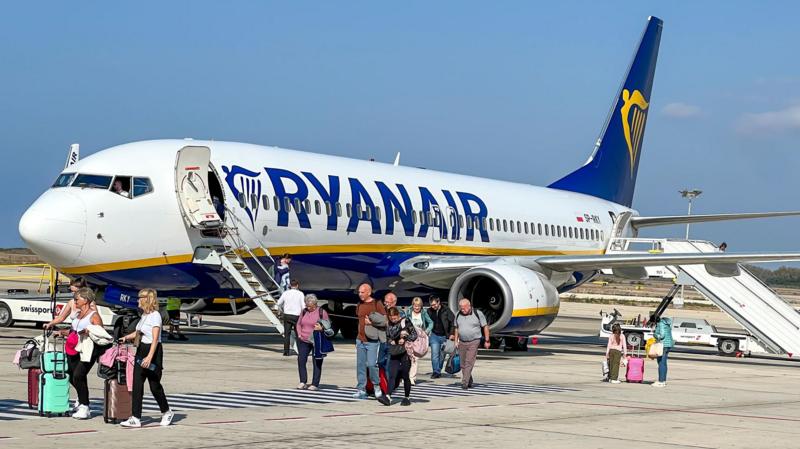
Ryanair reported a significant drop in its quarterly profits, partly due to a large fine from Italy's competition authority. The airline was fined for allegedly blocking travel agencies' access to its services. Despite the drop in profits, Ryanair expects both passenger numbers and ticket prices to increase this year.
Key Facts
Ryanair's quarterly profits fell to €30 million from €149 million a year earlier.
The drop in profits is linked to a €256 million fine from Italy's competition regulator.
The fine was for allegedly blocking travel agencies from accessing Ryanair flights.
Ryanair has appealed the fine, claiming it is baseless.
The airline expects passenger numbers to grow by 4% this year.
Ryanair predicts ticket prices will rise by 8% to 9%.
CEO Michael O'Leary mentioned potential full-year net profits of up to €2.23 billion.
Ryanair recently decided to stop using printed boarding passes, moving to a digital-only system.
Read the Original
Want the full story? Tap a source to open the original
article.
Confidence in the U.S. economy is declining, causing the U.S. dollar to drop in value while gold prices rise. Factors like political uncertainty and perceived policy chaos contribute to these economic changes. President Trump's plans regarding Greenland and recent tariff threats are among the reasons for increased economic concerns.
Key Facts
The U.S. Dollar Index, comparing the dollar to major currencies, fell over 10% in the past year.
Gold prices reached over $5,000 per ounce for the first time.
Experts link the dollar's decline and gold's rise to political uncertainty and concerns about U.S. economic policies.
Confidence in the U.S. economy impacts trade, import costs, and inflation.
Central banks are moving reserves away from the dollar, boosting gold prices.
President Trump's interest in Greenland and tariff actions are linked to the recent dollar drop.
Concerns about U.S. fiscal health and Federal Reserve independence contribute to doubts about economic stability.
Some investors are selling U.S. assets due to fear of prolonged uncertainty and weakened leadership.
Read the Original
Want the full story? Tap a source to open the original
article.
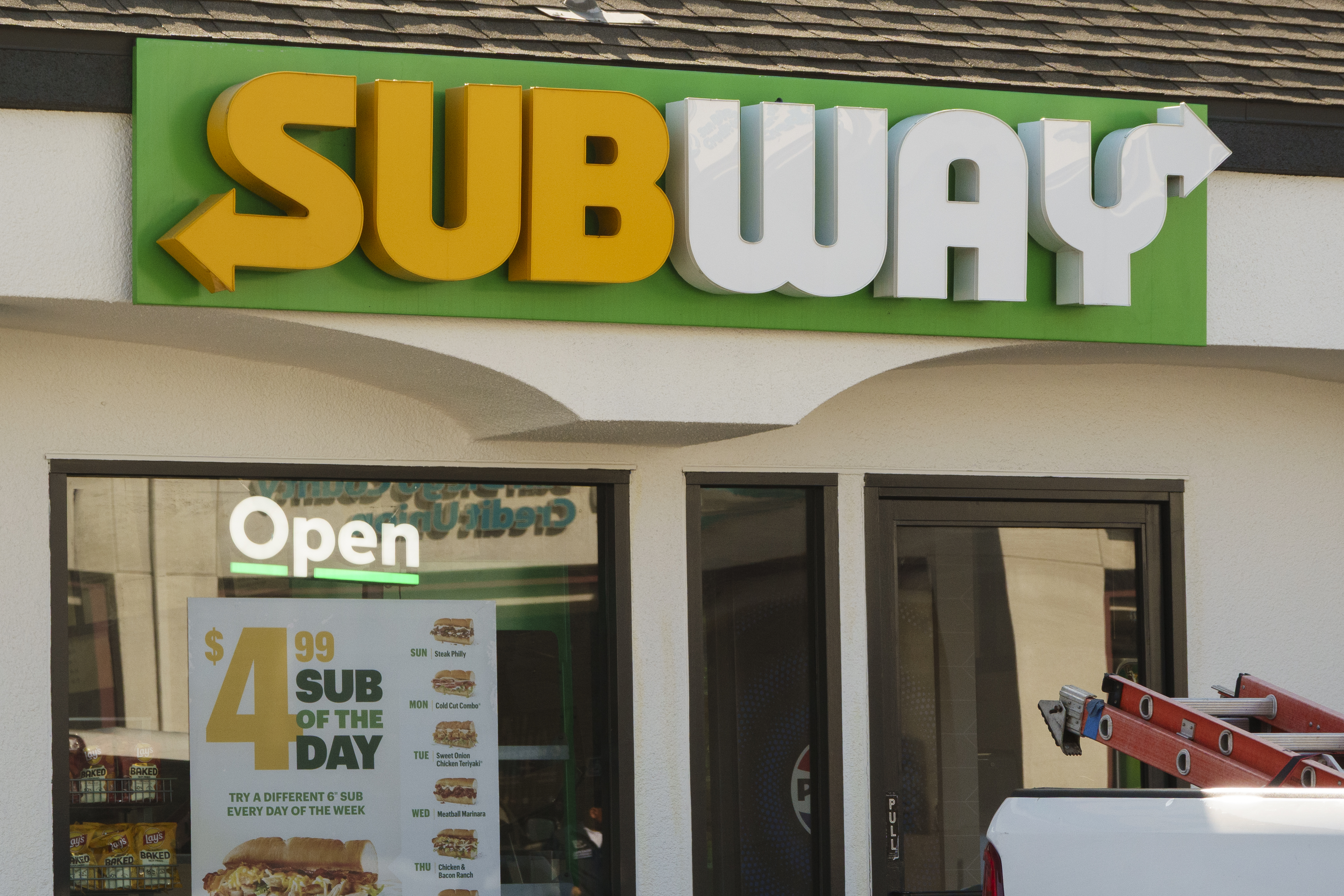
Subway is offering a promotion on January 27, 2026, where passengers seated in the middle seats of 737 aircraft can receive a $20 gift card. Southwest Airlines will also change its policy to assigned seating starting the same day.
Key Facts
Subway's offer is for passengers in middle seats, often called "sandwich seats," on a specific day.
Passengers need to take a photo in the middle seat and submit it online to claim the $20 card.
The offer is available to U.S. residents aged 18 or older on January 27, 2026, while supplies last.
The Subway gift card can be used to buy footlong subs or other menu items.
Southwest Airlines will switch to assigned seating on January 27, 2026.
Southwest's new seating includes Extra Legroom, Preferred, and Standard seat types.
Assigned seats must be booked in advance, removing the previous open seating system.
Tony Roach from Southwest Airlines said the changes help customers have more seat options and control.
Read the Original
Want the full story? Tap a source to open the original
article.
Caribbean cannabis growers are focusing on expanding both domestic sales and exports, particularly following the reclassification of cannabis by the U.S. government. Several Caribbean countries have legalized cannabis for medical use, and ongoing research aims to explore its health benefits further.
Key Facts
Caribbean farmers are cultivating different cannabis strains for varied effects and medicinal benefits.
Antigua and Barbuda, among other Caribbean countries, have legalized cannabis use for medical purposes.
The region has several legally registered cannabis farms and dispensaries.
Experts argue for cannabis legalization, saying decriminalization isn't enough.
Research on cannabis's potential benefits is planned in Antigua, including its use in medicine and agriculture.
President Trump's executive order reduced cannabis's status to a lower-level drug in the U.S.
The change in U.S. policy might lead to Caribbean countries exporting cannabis to the U.S.
U.S. policy changes might also affect regulations in the Caribbean, easing restrictions.
Read the Original
Want the full story? Tap a source to open the original
article.
The article discusses the practice of people working multiple secret jobs, known as "polygamous working." This trend, partly due to low pay and the rise of remote work, can lead to employment contract breaches and legal issues. Efforts are being made to stop this, especially in the public sector.
Key Facts
Some workers secretly hold multiple jobs at the same time, a practice called "polygamous working."
The UK public sector is trying to identify and address this practice.
Since 2016, UK authorities have found 301 instances of this and recovered £1.35 million in salaries.
A person recounts working two jobs, one secretly, to earn more money due to low pay.
Employment contracts can forbid having multiple jobs, making this practice potentially unlawful.
Legal experts say polygamous working can violate mutual trust in employment relationships.
Polygamous working differs from "moonlighting," which usually refers to having a side job outside regular work hours.
Read the Original
Want the full story? Tap a source to open the original
article.
The podcast "Good Bad Billionaire" explores how Ben Francis went from delivering pizzas to becoming the UK's youngest billionaire after founding the sportswear brand Gymshark. The show examines his journey, business ethics, and success story as he competes with major brands like Nike and Adidas.
Key Facts
Ben Francis is the UK's youngest billionaire.
He founded the sportswear brand Gymshark.
Ben began by sewing gym clothes in his parents' garage.
Gymshark is now one of the world's fastest-growing fitness brands.
The podcast "Good Bad Billionaire" reviews lives of wealthy people.
The podcast includes discussions on wealth, philanthropy, and business practices.
Contact details for the podcast include email and WhatsApp for listener engagement.
Read the Original
Want the full story? Tap a source to open the original
article.