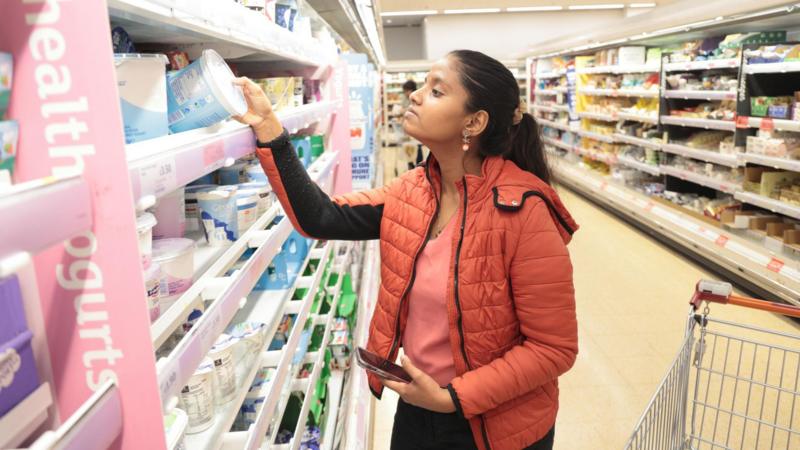
UK inflation rates have gone up, impacting household finances, but the government plans policies to help reduce living costs. Energy bills may decrease slightly for typical households due to policy changes, although these costs will be partly moved to taxes. Food prices remain a significant concern, as they continue to rise, affecting low-income families the most.
Key Facts
The UK's inflation rate has increased recently.
The government plans to reduce a typical household energy bill by £150 a year.
Some energy cost reductions will shift to taxation instead of being removed.
Forecasts suggest typical annual energy bills could fall by £138 in April.
Food prices are still rising, hitting low-income families the hardest.
External factors, like weather and harvests, influence food prices.
A new government fund, the Crisis and Resilience Fund, will start in April to help the most vulnerable.
Read the Original
Want the full story? Tap a source to open the original
article.
People in the U.S. are betting on the amount of snow a winter storm will bring through platforms like Kalshi and Polymarket. These prediction markets are not only a hobby for individuals but also help businesses manage financial risks related to weather changes. Large companies such as utility firms use weather derivatives to protect against losses if weather conditions are milder than expected.
Key Facts
Americans are placing bets on snowfall totals using prediction markets like Kalshi and Polymarket.
On Kalshi, $170,000 was bet on New York's snowfall, with many betting on 15+ inches.
On Polymarket, $80,000 in contracts were on New York's snow, with 31% predicting 14+ inches.
Weather derivatives allow businesses to hedge financial risks against unexpected weather conditions.
The weather derivatives market is estimated to be worth over $25 billion.
Investment banks and institutional traders play a key role in managing these weather contracts.
Prediction markets for weather are open to individuals and offer various betting options.
Read the Original
Want the full story? Tap a source to open the original
article.
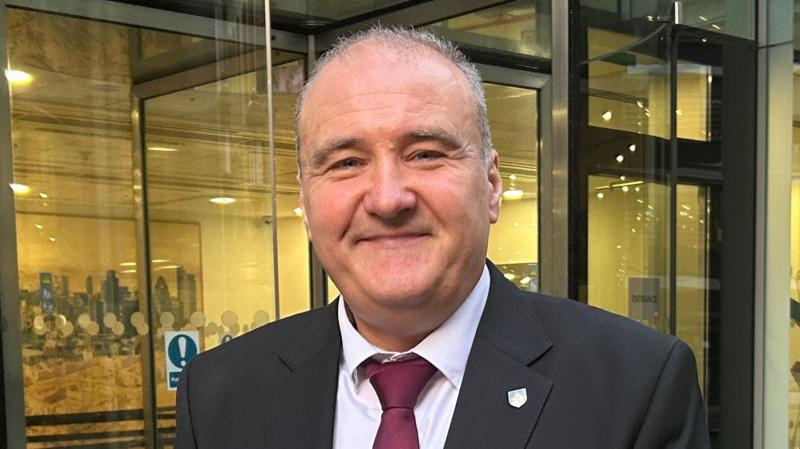
A former sub-postmaster, Lee Castleton, is suing the Post Office and Fujitsu for £4 million over a faulty IT system that led to legal and financial troubles for him. The case involves claims that the companies are delaying the legal process and driving up costs. The court decided to split the trial into two parts to address whether a previous settlement affects Castleton's ability to sue.
Key Facts
Lee Castleton is seeking £4 million in damages from the Post Office and Fujitsu.
Castleton was declared bankrupt after a previous legal battle with the Post Office over missing funds.
The legal costs for Fujitsu have already exceeded £700,000.
The court heard claims that the companies are making it difficult for Castleton to pursue his case.
Castleton alleges that the Post Office and Fujitsu withheld evidence during previous legal actions.
The case is part of a larger scandal over the Horizon IT system, which led to wrongful convictions of sub-postmasters.
The court ordered the trial to be split, focusing first on the impact of a prior settlement agreement.
Read the Original
Want the full story? Tap a source to open the original
article.
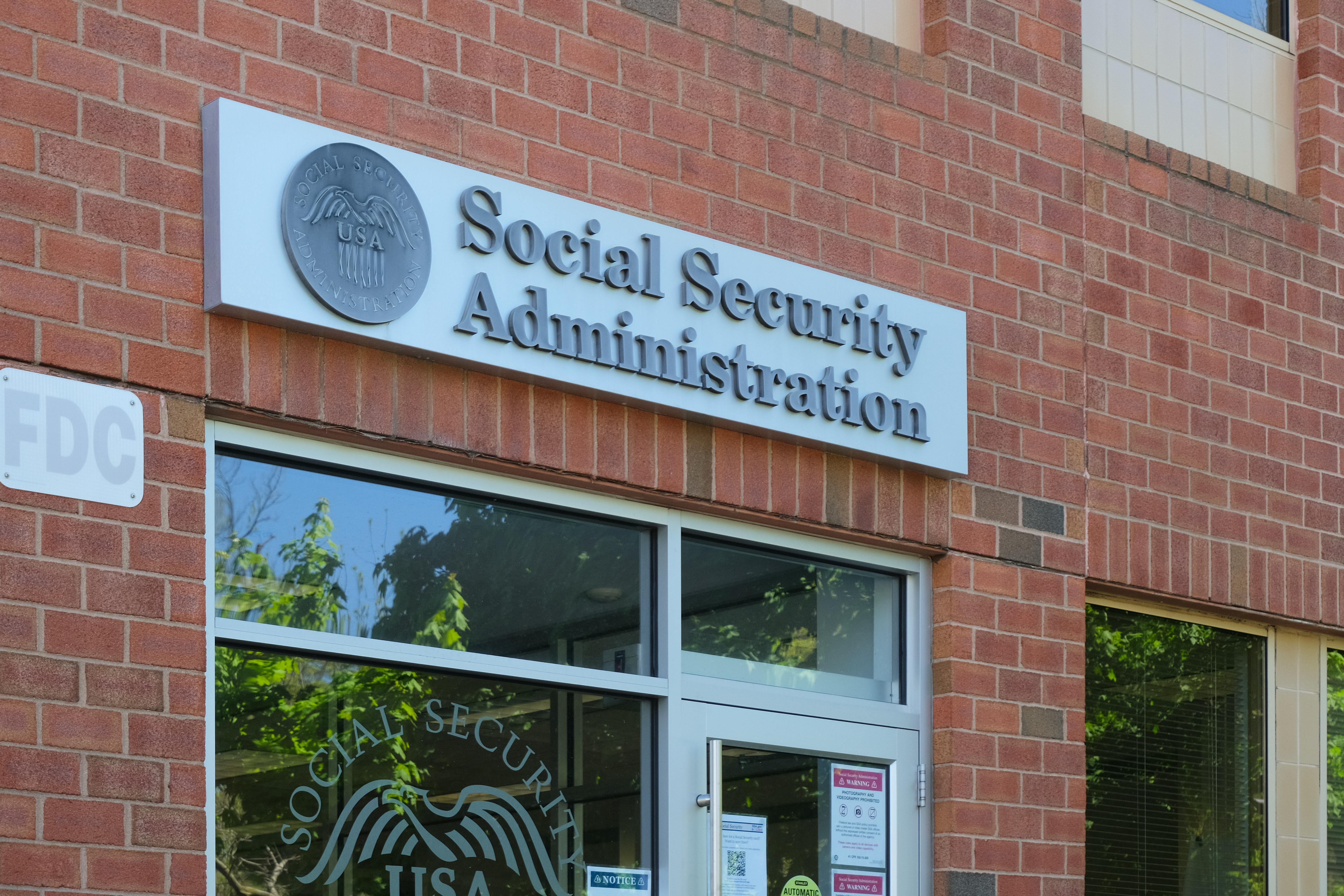
In 2026, some people who get Social Security will receive smaller payments because of higher Medicare premiums. Specifically, these increases are related to IRMAA, a surcharge that affects higher-income earners. The cost-of-living adjustment (COLA) increase may not cover these additional costs, leading to smaller net payments for affected individuals.
Key Facts
In 2026, some Social Security recipients will see smaller payments due to increased Medicare IRMAA premiums.
About six million seniors will experience these rising costs.
The COLA for Social Security in 2026 is set at 2.8 percent.
IRMAA affects higher-income earners, with about 7 percent of Medicare beneficiaries impacted.
Higher earners can expect a roughly 50 percent increase in IRMAA costs.
The surcharge applies to those earning over $109,000 for singles and $218,000 for married couples, based on 2024 tax returns.
People can appeal the IRMAA penalty with Form SSA-44 if they have had a life-changing event like retirement or divorce.
The IRMAA surcharge is deducted directly from Social Security checks, affecting monthly income.
Read the Original
Want the full story? Tap a source to open the original
article.
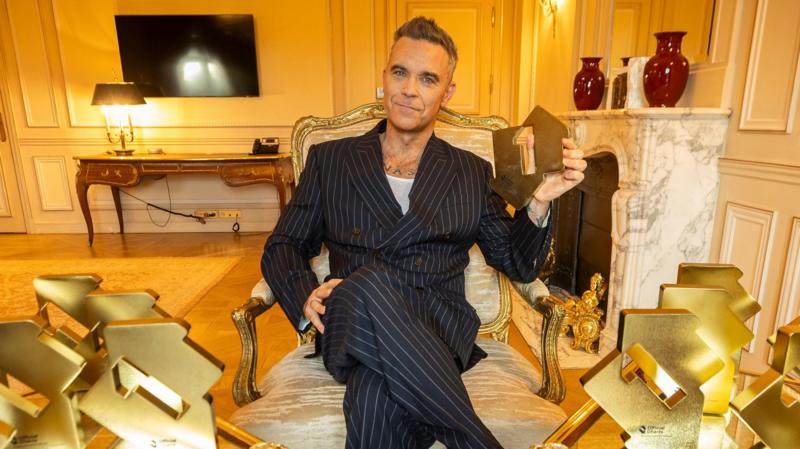
Robbie Williams has broken The Beatles' record for the most number one albums by a solo artist in UK chart history. His latest album, "Britpop," became his 16th solo number one album. Williams celebrated this milestone while reflecting on his career and personal challenges.
Key Facts
Robbie Williams now holds the record for the most number one albums by a solo artist in the UK.
His album "Britpop," released recently, is his 16th solo number one album.
Williams began his solo career in 1997 with the album "Life Thru A Lens."
The album cover for "Britpop" references a famous photo of Williams from 1995.
Williams overcame personal struggles, including issues with alcohol, drugs, and mental health.
The album includes contributions from artists like Supergrass' Gaz Coombes and Gary Barlow from Take That.
Reviews of "Britpop" have been mostly positive, with significant praise from The Guardian and Rolling Stone.
Including the albums with Take That, Williams has 21 number one albums across his career, second only to Paul McCartney's 23.
Read the Original
Want the full story? Tap a source to open the original
article.
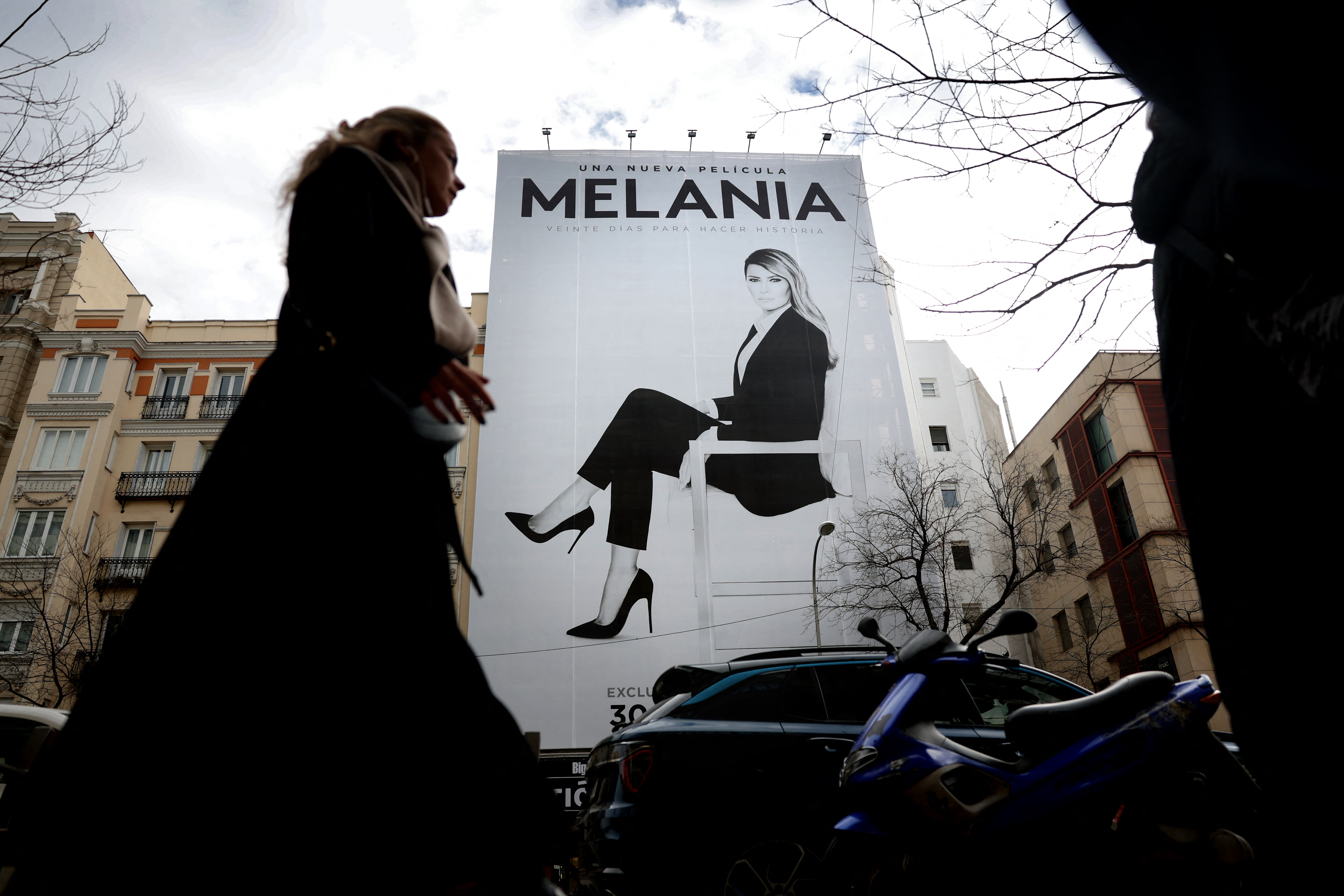
A new film called "Melania," about First Lady Melania Trump, is set to release in theaters worldwide on January 30, and it could perform well financially, according to forecasts. The movie is expected to earn about $5 million in the U.S. and Canada during its opening weekend.
Key Facts
The film "Melania" will premiere at the Kennedy Center and release in theaters on January 30.
It follows Melania Trump as she prepares for President Donald Trump's 2025 inauguration.
The movie will be available in about 30 countries, including North America, South America, Asia, Europe, Israel, and the United Arab Emirates.
Forecasts predict the movie to earn around $5 million in its opening weekend in the U.S. and Canada.
Amazon MGM Studios purchased the film for approximately $40 million.
The movie will show in about 1,400 theaters during its opening weekend.
An advertisement for the film has already appeared on the Las Vegas Sphere.
President Trump promoted the film on his Truth Social platform, highlighting its significance.
Read the Original
Want the full story? Tap a source to open the original
article.
The episode discusses Tony Hsieh, a billionaire CEO known for his work with Zappos, and his efforts to build communities in Las Vegas and Park City, Utah. It explores how his goals of creating connections led to unexpected personal challenges like isolation and addiction.
Key Facts
Tony Hsieh was the CEO of Zappos.
He focused on creating community networks in Las Vegas and Park City, Utah.
His efforts aimed at building connections resulted in personal challenges.
The episode covers themes of isolation and addiction.
The program contains scenes with strong language and potentially upsetting content.
Support resources are available for those experiencing distress, as noted on the BBC's website.
Read the Original
Want the full story? Tap a source to open the original
article.
The cryptocurrency industry is experiencing a quieter period after a four-year boom that ended in 2025. This phase is marked by consolidation, where projects are judged on their real-world utility instead of speculative hype. Tokenized securities and stablecoins are examples of products gaining traction due to their practical applications.
Key Facts
The cryptocurrency industry is in a consolidation phase, similar to other markets after speculative periods.
From 2021 to 2025, the crypto market experienced a significant boom.
The boom was followed by a quieter period with less speculation and more focus on project utility.
Tokenized securities help reduce operational issues for banks and are still attracting investment.
Stablecoins solve issues with slow and expensive digital payments and remain in use for various financial transactions.
The shift is moving away from speculative assets like memecoins and NFTs, seeking projects with clear functions.
Digital Asset Treasuries (DATs) are adapting by diversifying and maintaining reserves to handle market changes.
Read the Original
Want the full story? Tap a source to open the original
article.
Jacob & Co, a luxury watchmaker, has created a watch valued at around $1.5 million. The watch features a statue of Indian billionaire Mukesh Ambani's son, Anant, along with figures of a lion and a Bengal tiger. The design is linked to a private zoo owned by the Ambani family in India.
Key Facts
The luxury watch was made by Jacob & Co and features Mukesh Ambani's son, Anant Ambani.
The watch includes sculpted figures of a lion and a Bengal tiger.
It is estimated to be worth $1.5 million by industry group Watchopea.
The watch is connected to a private zoo owned by Anant Ambani's family, located in Gujarat, India.
The zoo has over 2,000 animal species and is spread over 3,500 acres.
Allegations of animal mistreatment at the zoo were dismissed by a Supreme Court-appointed team.
The watch is adorned with 397 precious stones like diamonds and sapphires.
The watch is termed a "tribute to Vantara" by the watchmaker.
Read the Original
Want the full story? Tap a source to open the original
article.
An economist argues that cuts to Social Security benefits might not be necessary despite concerns of future financial shortfalls. Social Security could face similar issues as it did in the 1980s, where legislative solutions were implemented to maintain its function. The focus is on how to secure long-term funding, not whether Social Security can be preserved.
Key Facts
Social Security is not likely to face bankruptcy or collapse soon, according to economist Stephen Nuñez.
Predictions suggest benefit cuts of about 20% around 2033 if no changes are made.
A survey found that 74% of Americans worry Social Security might run out in their lifetime.
The program faced a similar issue in the 1980s, but congressional reforms extended its viability.
Nuñez mentions Congress has time to use existing data to find options for fixing the funding gap.
Kevin Thompson notes no changes will be made immediately, as insolvency is still years away.
Some experts suggest that future anxiety might grow if the shortfall becomes more apparent.
Read the Original
Want the full story? Tap a source to open the original
article.
TikTok has reached an agreement to create a separate company in the United States, preventing a potential ban. This new U.S. version of TikTok will be managed by investment firms, many of which are American and connected to President Trump. The deal follows years of U.S. government concerns over TikTok's Chinese ownership.
Key Facts
TikTok is forming a U.S.-based company to avoid a ban in the United States.
More than 200 million Americans and 7.5 million businesses use TikTok.
The U.S. version of TikTok will be owned by various investors, many from the United States.
President Trump is linked to some of the investment firms involved in the deal.
TikTok faced pressure to change its ownership due to concerns over its Chinese parent company, ByteDance.
In 2024, U.S. legislation required TikTok to divest from ByteDance.
President Trump extended deadlines to delay a ban that was supposed to take effect in January 2025.
ByteDance and China have denied any government influence over TikTok, but there were concerns about user data security.
Read the Original
Want the full story? Tap a source to open the original
article.
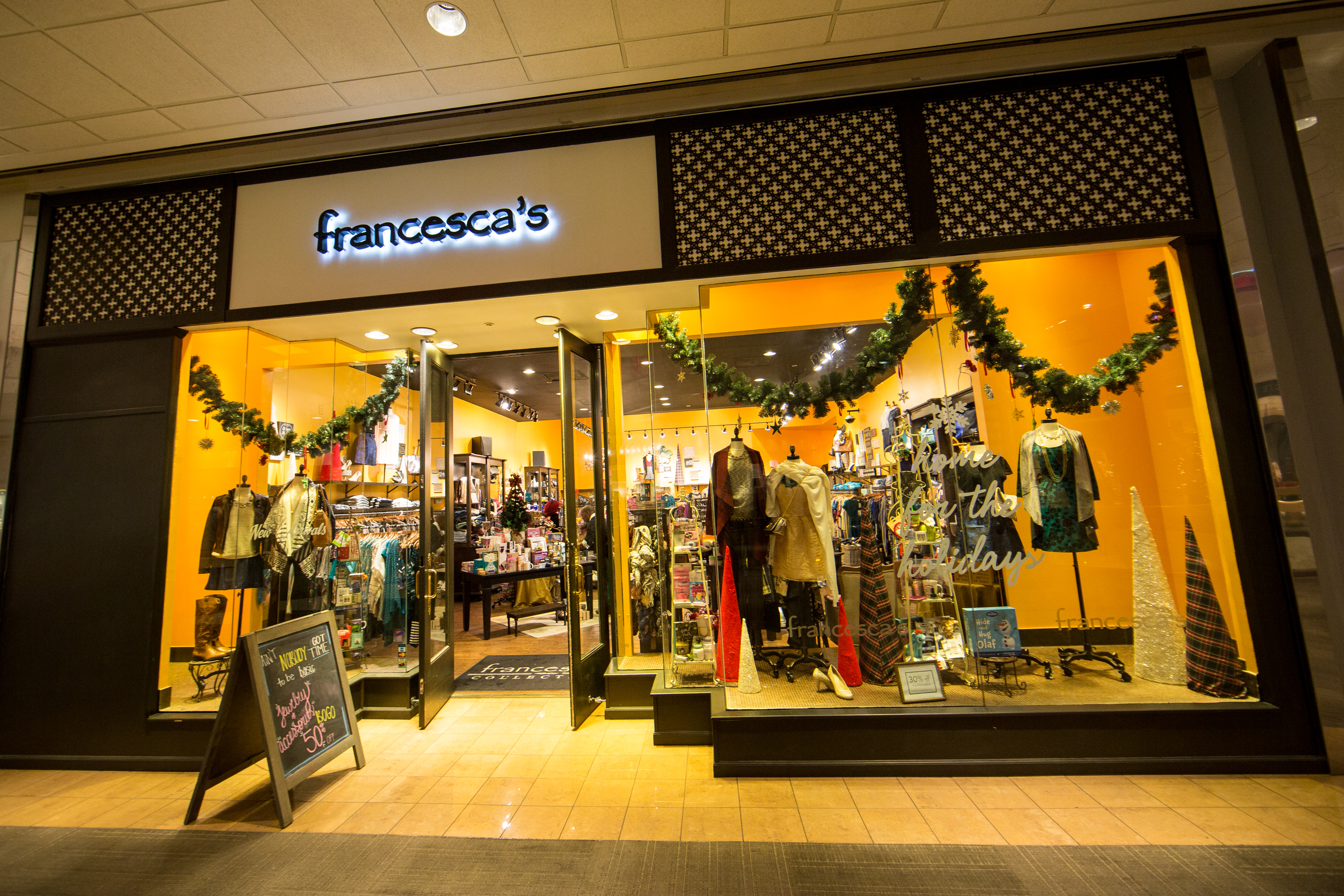
Francesca’s, a women's clothing store chain, plans to close all of its about 400 locations in the United States. The company is shutting down due to financial struggles and will liquidate its inventory soon.
Key Facts
Francesca’s has around 400 stores across 45 states in the U.S.
The company is based in Houston, Texas, and was founded in 1999.
Francesca’s specializes in women's clothing, jewelry, and accessories.
The company filed for bankruptcy in 2020 and closed over 100 stores at that time.
Reports say Francesca’s will soon close but the company has not announced closure dates.
A customer service agent confirmed all stores are set to close.
Francesca’s faced challenges from a tough retail environment and competition from online shopping.
Read the Original
Want the full story? Tap a source to open the original
article.
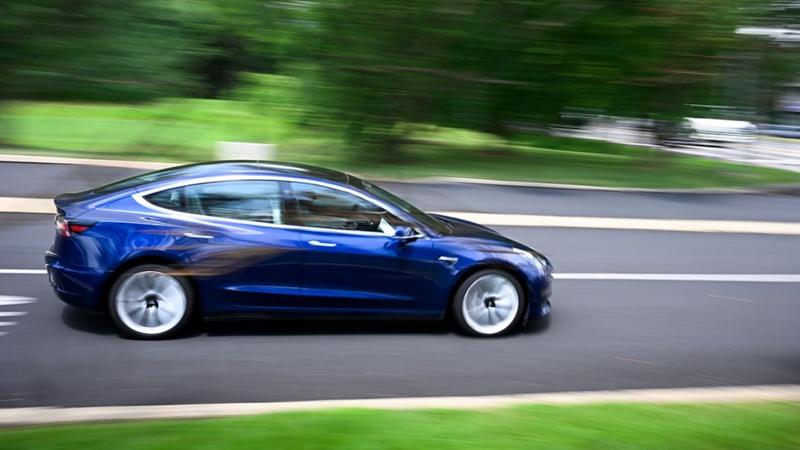
Tesla has been fined over £20,000 in the UK for not cooperating with police in identifying drivers of speeding vehicles. The company has been convicted at least 18 times for failing to provide necessary driver information, leading to multiple court proceedings. In the UK, leasing companies like Tesla Financial Services are responsible for naming drivers when requested by law enforcement.
Key Facts
Tesla has been fined over £20,000 for not helping UK police identify drivers in speeding cases.
The company was convicted at least 18 times for these failures.
Tesla Financial Services, the leasing arm of Tesla, is typically responsible for providing driver details.
In one incident, Tesla did not respond to a request from South Wales Police for a speeding violation at 80mph.
Companies must name drivers of rented or company cars to avoid prosecution.
Many convictions against Tesla have been recorded since the start of 2024.
Tesla has faced legal action for not answering police correspondence in multiple cases.
Court cases have resulted in fines, costs, and court fees totaling £20,686.
Read the Original
Want the full story? Tap a source to open the original
article.
President Trump claims to have a framework deal concerning Greenland that includes mineral rights. Greenland is known for having large amounts of rare earth minerals, oil, and natural gas, which are valuable for technology and defense industries. The U.S. aims to reduce Chinese influence by securing access to these resources.
Key Facts
President Trump says he has a framework deal that includes rights to Greenland’s minerals.
Greenland has significant reserves of oil, natural gas, and rare earth minerals.
These minerals are important for electronics, green energy, and military technologies.
The European Commission lists 25 out of 34 critical minerals as present in Greenland.
The U.S. wants to secure Greenland's resources to lessen Chinese dominance in the rare earths market.
The U.S. reopened its consulate in Nuuk, Greenland, in 2020 to strengthen ties.
Trump’s administration is interested in Greenland for its commercial potential and strategic resources.
A U.S. mining project in Greenland received $120 million in backing from the U.S. Export-Import Bank.
Read the Original
Want the full story? Tap a source to open the original
article.
Dole, a well-known brand for fruits and related products, is working to stay connected with customers despite challenging economic conditions. The company focuses on maintaining trust and delivering quality products, emphasizing the feel-good aspect of fruits. Dole's efforts have been recognized by a brand trust ranking in the U.S.
Key Facts
Dole promotes the idea of "sunshine for all" and aims to deliver positive experiences through their products.
Economic challenges make consumers look for cheaper options, like store-brand products.
Dole is recognized on Newsweek's 2026 Most Trusted Brands U.S. list, ranking high in the canned fruit, fresh fruit, and salad kit categories.
The company uses social listening and research to understand and meet consumer needs.
Dole recently released a trend forecast for 2026, focusing on changes in food and beverage preferences.
Dole's brand strategy includes maintaining relationships through product quality and relevance.
Dole aims to adapt to trends through both communication strategies and product innovation.
Read the Original
Want the full story? Tap a source to open the original
article.
The U.S. job market is expected to have little to no growth in 2026, according to Mark Zandi, the chief economist at Moody's Analytics. The economy's fragile growth could lead to higher unemployment and possibly a recession. The success of economic recovery will depend on President Trump's policies and business adaptations to AI.
Key Facts
The U.S. economy is predicted to grow in 2026, but this growth is described as fragile.
The job market is expected to see little to no growth, possibly increasing unemployment.
Concerns arise from recent weak job growth and possible continuation of this trend.
President Trump’s trade and immigration policies may influence economic performance.
According to Moody’s, the U.S. added only 50,000 jobs in December, below averages.
The forecasted GDP growth for 2026 is 2.3 percent, as compared to 2.1 percent for 2025.
Mark Zandi mentioned AI as a contributor to GDP growth, adding about half a percent.
Further Federal Reserve monetary easing might provide additional economic stimulus.
Read the Original
Want the full story? Tap a source to open the original
article.
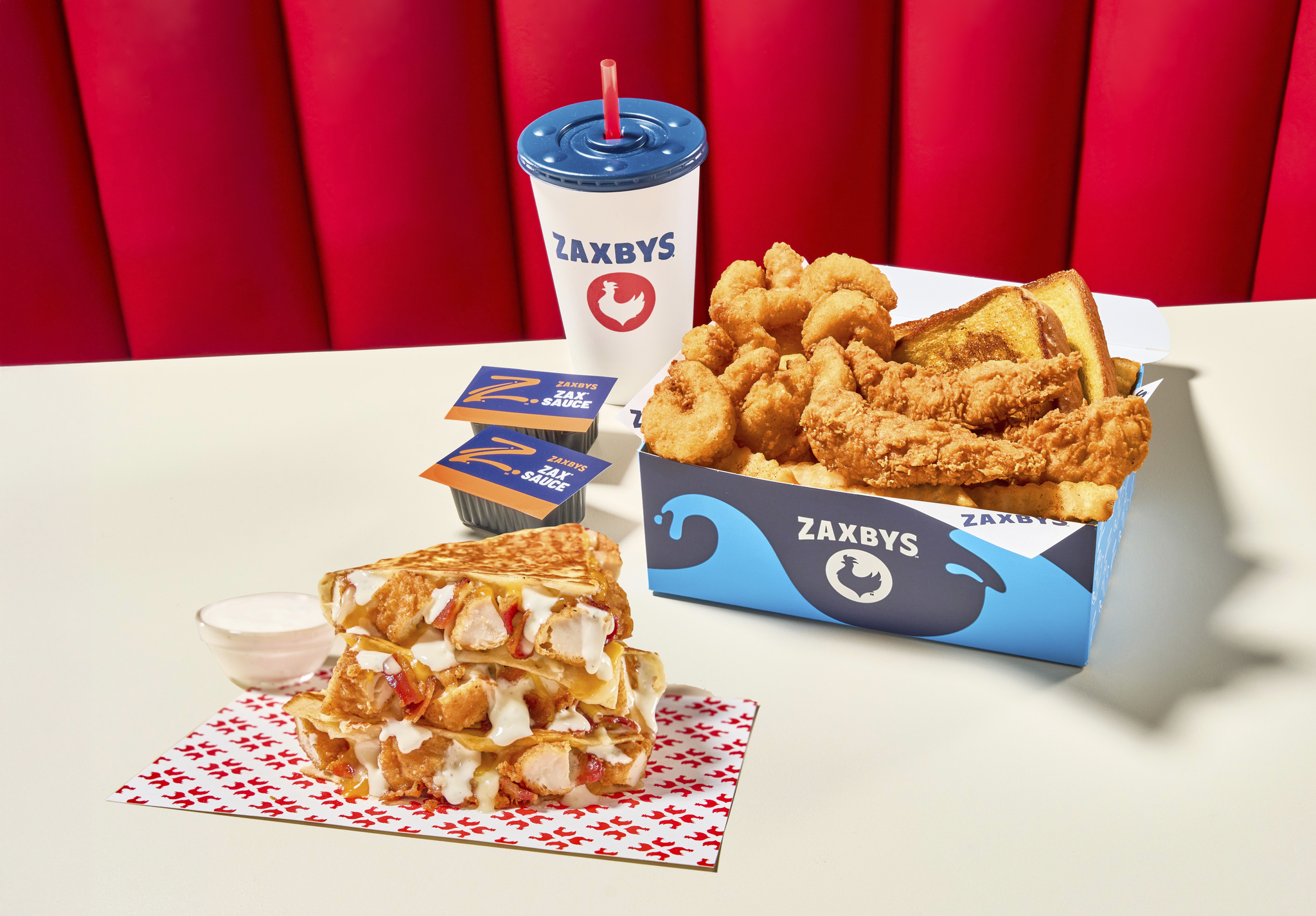
Zaxbys, a fast food chain known for fried chicken, is bringing back two popular dishes, the Southern Fried Shrimp and Giant Chicken Quesadillas, for a limited time. They aim to attract more customers by offering these fan-favorite items, which reflect a larger industry trend of reviving popular menu options to boost sales.
Key Facts
Zaxbys is a fast food chain known for fried chicken.
The Southern Fried Shrimp and Giant Chicken Quesadillas are returning to the menu.
The shrimp is available in three meal options, including the Surf & Turf Meal.
The quesadillas come in two types: Chicken Bacon Ranch and Chicken Fajita.
This is the third consecutive year that Southern Fried Shrimp is returning.
Zaxbys has over 1,000 locations in 21 states as of 2026.
The move is part of a trend where restaurants bring back popular items to increase sales.
Restaurants aim to attract customers facing financial challenges by offering beloved menu options.
Read the Original
Want the full story? Tap a source to open the original
article.
The article talks about the nominees for the 18th Annual Best New Product Awards, organized by BrandSpark and Newsweek. These awards highlight innovations across various consumer product categories, and the winners will be announced in early 2026.
Key Facts
BrandSpark and Newsweek organize the Best New Product Awards annually.
The awards focus on consumer products in categories like food, personal care, health, beauty, and household items.
Products are nominated based on consumer insights and opinions.
Some featured nominees include Neuriva Memory 3D, Pampers Cruisers 360° Pull-On Diapers, and Select Proformance ELITE Whey Protein Isolate.
Neuriva Memory 3D is a brain health supplement aimed at improving memory.
Pampers Cruisers 360° Pull-On Diapers feature new E-Z Off tabs for easier diaper changes.
Award winners will be announced in early 2026.
NewNoteworthy.com provides a preview of the nominated products.
Read the Original
Want the full story? Tap a source to open the original
article.
Retail sales in the UK increased by 0.4% in December, with online jewellery showing strong demand for gold and silver. This growth came despite an overall challenging month for retailers. Retail sales across 2025 grew by 1.3%, but they have not yet returned to pre-COVID-19 levels.
Key Facts
Retail sales in December increased by 0.4% compared to November.
Online jewellery sales saw higher demand, particularly for gold and silver.
Non-food retailers, like department and clothing stores, saw a 0.9% decrease in sales.
Overall retail sales for 2025 were up 1.3% from the previous year.
Sales volumes fell by 0.3% in the last quarter of the year when compared to the previous quarter.
Precious metals are popular in uncertain times as they are viewed as safe investments.
Gold and silver prices hit record highs recently due to economic uncertainties.
The rise in sales is still below levels seen before the COVID-19 pandemic.
Read the Original
Want the full story? Tap a source to open the original
article.
A survey shows that about 76% of investors are worried that the stock market could crash in 2026. Many are unprepared for a possible recession, with concerns linked to market behavior and global political events. Despite past strong market performance, some experts fear a financial "bubble" might burst soon.
Key Facts
76% of investors worry about a potential 2026 market crash.
46% feel unprepared for a recession in 2026; this increases to 54% for those earning under $75,000 annually.
The stock market saw significant growth in 2024 and 2025 with returns of 25% and 18%, respectively.
Experts warn confidence in the market, partly due to AI investments, may lead to a "bubble."
54% of survey participants are cautious about investing in cryptocurrency.
Gold has risen above $5,000 per ounce, driven by economic and geopolitical concerns.
29% plan to shift to safer investment options amid economic fears, increasing to 36% among Gen Z.
Goldman Sachs and Morgan Stanley predict moderate returns for the S&P 500 in 2026, with estimates around 12% and nearly 10% respectively.
Read the Original
Want the full story? Tap a source to open the original
article.