UK government borrowing was higher than analysts expected in November, reaching £11.7 billion. This borrowing amount, however, was still lower than November of last year and marks the lowest November borrowing in the past four years. The borrowing for the current financial year has totaled £132.3 billion.
Key Facts
In November, UK government borrowing was £11.7 billion.
Analysts had anticipated the borrowing to be around £10 billion.
This November's borrowing was £1.9 billion less than November last year.
It was the lowest amount borrowed in November for the past four years.
The ONS said higher tax and National Insurance receipts helped reduce borrowing.
Retail sales fell unexpectedly in November despite Black Friday.
Total borrowing for the financial year up to November is £132.3 billion.
Treasury official highlighted a budget aim to reduce debt and borrowing.
Read the Original
Want the full story? Tap a source to open the original
article.
President Trump is focusing on revisiting and strengthening the United States-Mexico-Canada Agreement (USMCA) to protect U.S. businesses, particularly in terms of intellectual property and drug prices. His administration aims to restore key protections for American innovators that were removed under Democratic pressure. The review of USMCA may address issues with Canada and Mexico's current handling of IP protections and drug pricing policies.
Key Facts
The USMCA is a trade agreement between the U.S., Mexico, and Canada.
President Trump aims to restore intellectual property protections removed from the original USMCA.
The U.S. wants Mexico and Canada to offer protections for new medicine data, similar to those in the U.S.
Mexico and Canada are criticized for making it easier to replicate U.S. drugs, impacting American companies.
Mexico is on the U.S. trade representative's Priority Watch List for IP concerns, such as counterfeiting.
Canada, on the Special 301 Watch List, faces criticism for patent rules and drug price controls affecting U.S. companies.
The U.S. provides 12 years of regulatory data protection, which was reduced in the current USMCA.
Canada and Mexico's actions are seen as undercutting American innovation and making it harder to fund research.
Read the Original
Want the full story? Tap a source to open the original
article.
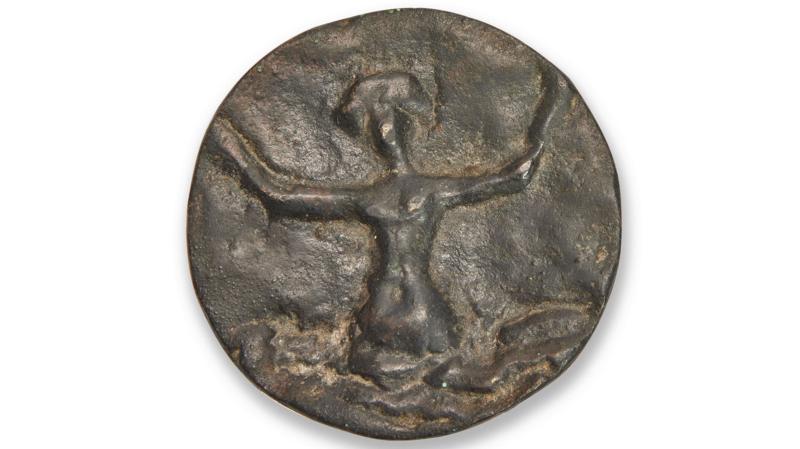
A man named Gary Quittenton-Shaw bought a £40 job lot and discovered two rare buttons made by artist Alberto Giacometti for designer Elsa Schiaparelli. He auctioned them for £61,000. These buttons were highly valuable because they were rare and unique pieces.
Key Facts
Gary Quittenton-Shaw bought a batch of items, including the buttons, for £40.
The buttons were made by Swiss artist Alberto Giacometti in the 1930s for Italian designer Elsa Schiaparelli.
Giacometti was famous for sculpting thin and fragile-looking human forms.
Quittenton-Shaw discovered the buttons' history after research linked them to Schiaparelli's 1930s designs.
Auctioneers initially valued the buttons between £5,000 and £8,000 due to their rarity.
The buttons sold at a London auction for £61,000.
The auctioning process involved verification by the Alberto Giacometti committee before the sale.
Quittenton-Shaw plans to save the money and expressed disbelief at the sale outcome.
Read the Original
Want the full story? Tap a source to open the original
article.
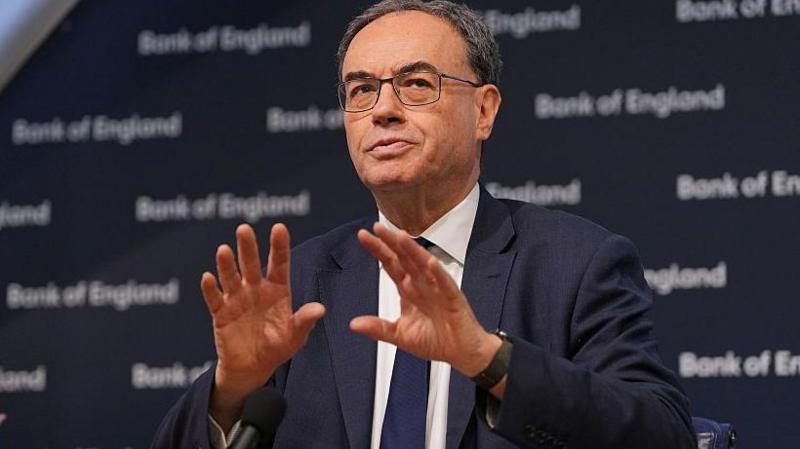
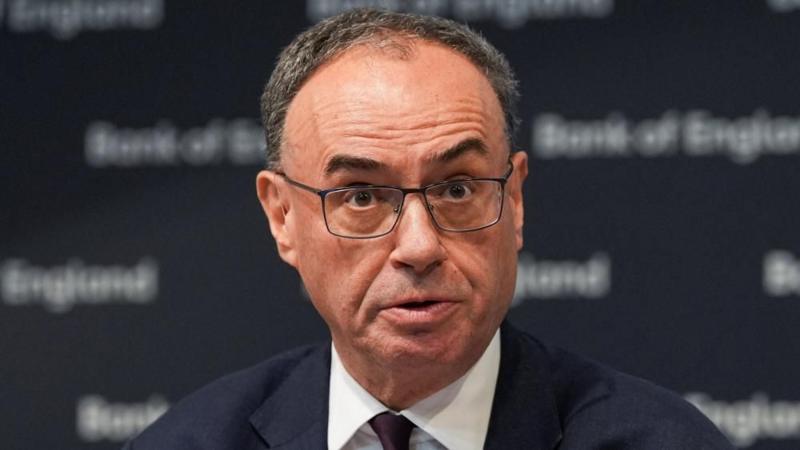
The governor of the Bank of England, Andrew Bailey, stated that artificial intelligence (AI) might replace jobs similarly to how many jobs changed during the Industrial Revolution. He emphasized the need for training and education to help workers shift to AI-related roles. The UK's unemployment rate has recently risen, with younger workers particularly affected, partly due to AI adoption.
Key Facts
The Bank of England's governor says AI is likely to change the job market by replacing some jobs.
He compares this change to the job shifts seen during the Industrial Revolution.
Andrew Bailey stresses the importance of training and education for workers to adapt to AI-related jobs.
The unemployment rate in the UK rose to 5.1% in recent months, affecting younger workers significantly.
AI impacts are felt in entry-level jobs in areas like law, accountancy, and administration.
Some business leaders express uncertainty about hiring numbers due to AI efficiencies.
Historical concerns about technology affecting jobs are referenced, similar to today’s AI impact.
Bailey believes AI could boost UK economic growth by increasing productivity over time.
Read the Original
Want the full story? Tap a source to open the original
article.
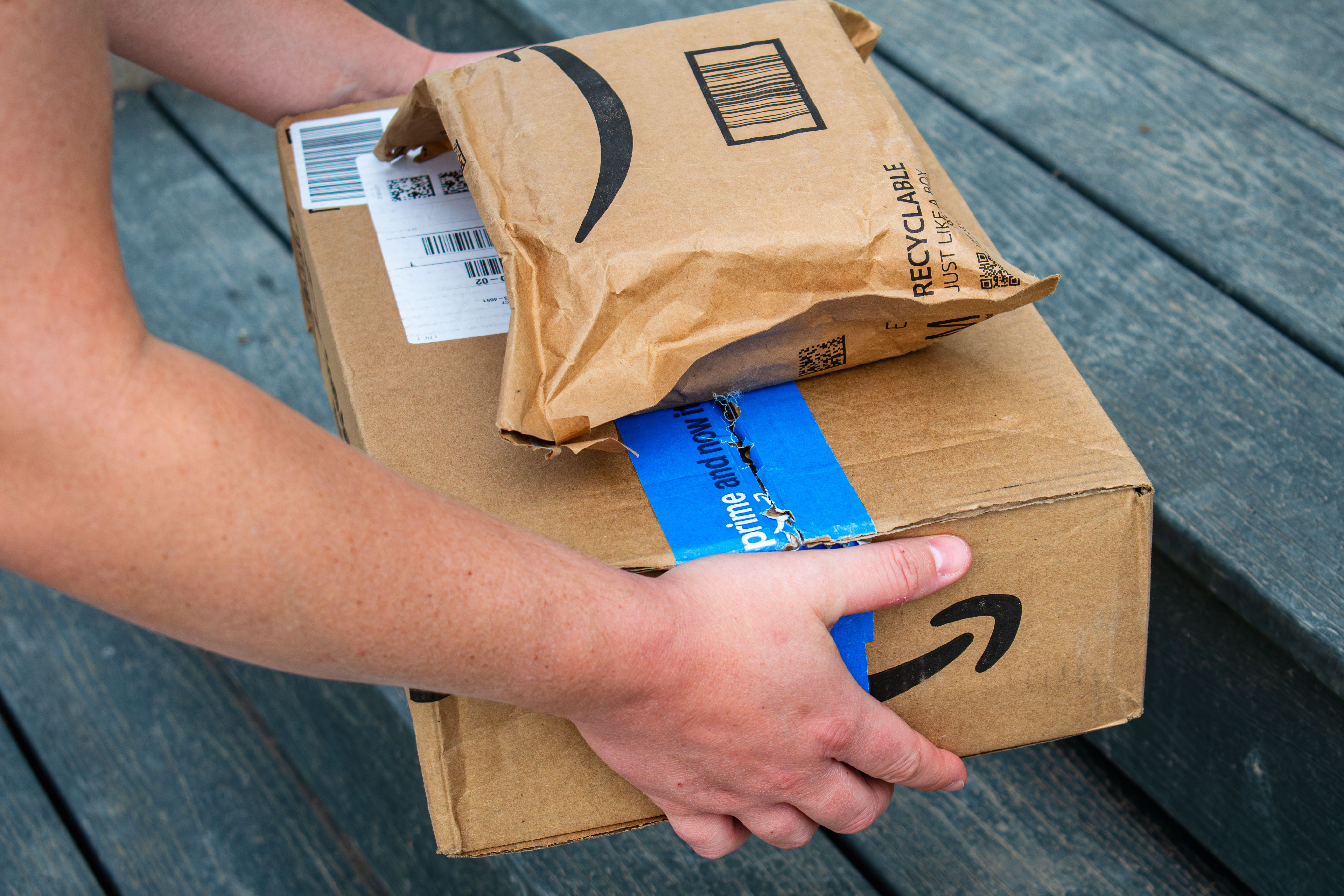
The U.S. Consumer Product Safety Commission (CPSC) has announced recalls for four products sold on Amazon due to safety risks that could lead to injury or death. The affected products, including children's toys and power strips, were sold by third-party vendors and failed to meet U.S. safety standards. Consumers are advised to stop using these products and follow instructions to secure refunds.
Key Facts
CPSC issued recalls for four products on Amazon over safety risks.
The products include children's toys, power strips, dressers, and bed rails.
These items pose hazards such as fire, injury, and death, particularly to children and the elderly.
About 3,090 toy sets were recalled due to dangerous batteries that can cause internal injuries if swallowed.
Over 11,200 power strips were recalled due to overheating and fire risks.
Around 4,740 dressers were recalled for stability issues, risking tip-overs.
Approximately 12,000 bed rails were recalled for potential entrapment hazards.
No injuries have been reported from these products, but consumers should stop use and seek refunds.
Read the Original
Want the full story? Tap a source to open the original
article.
TikTok has made a deal to sell its U.S. business to a group of investors, allowing it to continue operating in the United States. The agreement involves companies Oracle, Silver Lake, and MGX, and is expected to be finalized by January 22.
Key Facts
TikTok has agreed to sell its U.S. operations to keep the app running in the United States.
Oracle, Silver Lake, and MGX are the firms involved in this new joint venture.
These companies will own almost half of the new U.S. entity.
ByteDance, TikTok's Chinese parent company, will keep 20% ownership.
The remaining 30% will be held by existing ByteDance investors.
The deal is expected to be completed by January 22.
This agreement was communicated to TikTok employees by CEO Shou Chew.
The decision helps ensure TikTok's growth and presence in the U.S. market.
Read the Original
Want the full story? Tap a source to open the original
article.
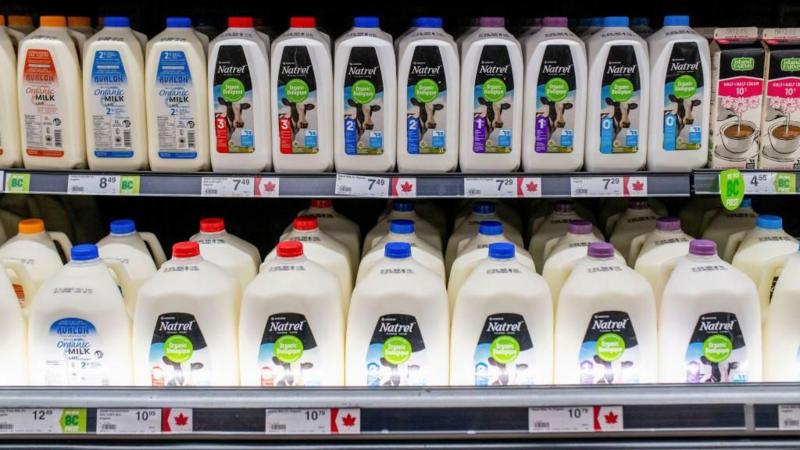
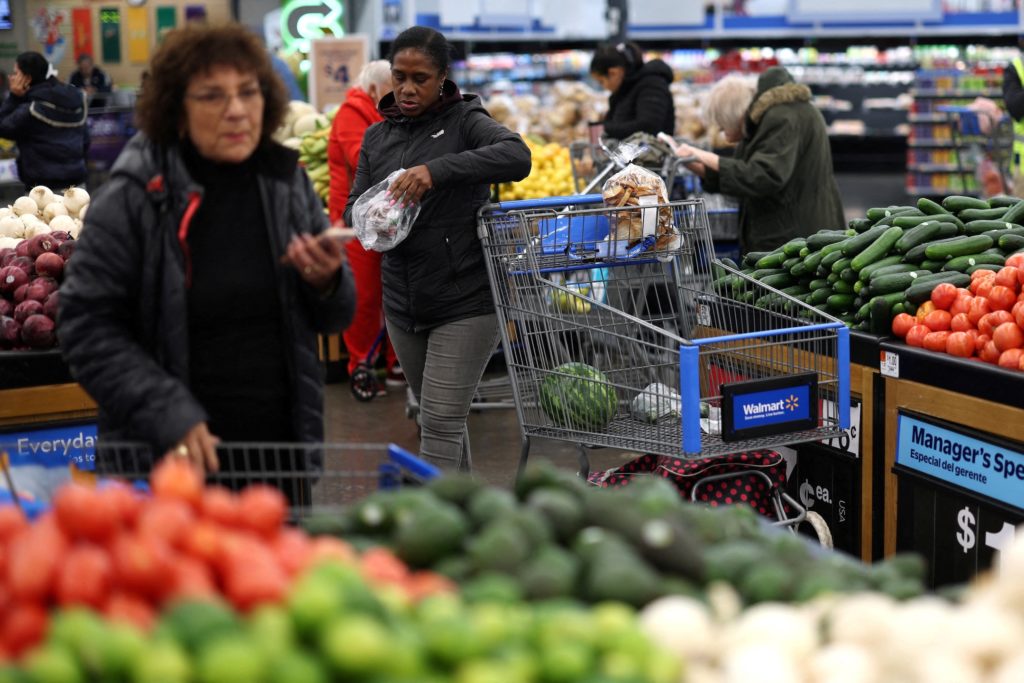
Grocery prices in the U.S. have gone up recently, partly because of soil problems in farming areas. Poor soil makes crops harder to grow, leading to higher costs for farmers and, in turn, higher prices for consumers. These issues have roots in soil degradation, which affects water retention, making farms more prone to droughts and floods.
Key Facts
Grocery prices increased by 2.7% over the year ending in September, according to the Consumer Price Index.
Meat, poultry, fish, and eggs prices rose by 5.2% in the same period.
Soil degradation is identified as a key factor, causing difficulty in farming, especially due to poor water retention.
The quality of soil impacts crop yields, which affects the prices of everyday groceries.
America's soil condition costs the economy up to $85.1 billion annually, according to SaveSoil estimates.
Over half of the Midwestern Corn Belt's topsoil has been lost, affecting major crop production.
Modern irrigation, needed due to lower soil quality, can cost up to $160 per acre each year.
Read the Original
Want the full story? Tap a source to open the original
article.
Japan's central bank increased its main interest rate to its highest level in 30 years to address inflation issues. The rate hike was designed to strengthen the country's currency and manage the cost of imports contributing to inflation. Prime Minister Sanae Takaichi supports efforts to control inflation, though increased interest rates could impact government borrowing costs.
Key Facts
The Bank of Japan raised its interest rate by 0.25 percentage points to approximately 0.75%.
This is the first rate increase since January and the highest rate in 30 years.
The rate hike is intended to combat inflation that is above the bank's target.
Japan's inflation rate, excluding food and fuel, rose by 3% in November.
A stronger yen could lower import costs and help reduce inflation.
Higher interest rates can increase government borrowing costs.
The Bank of Japan might raise rates again next year to reach 1%.
Major central banks elsewhere, such as in the US and UK, are lowering their interest rates.
Read the Original
Want the full story? Tap a source to open the original
article.
ByteDance, the company that owns TikTok, has agreed to sell most of its TikTok business in the United States to a group of investors. This sale is set to complete on January 22 to address U.S. national security concerns.
Key Facts
ByteDance owns TikTok, which is a popular app for sharing short videos.
ByteDance signed agreements with investors, including Oracle, Silver Lake, and MGX, to sell most of its U.S. business.
The deal is expected to be finalized on January 22.
The sale comes after efforts by the U.S. government to push ByteDance to sell TikTok's U.S. operations.
President Donald Trump delayed a law that would ban TikTok unless it was sold.
The agreement will allow over 170 million Americans to keep using TikTok.
TikTok described the agreement as opening up a world of endless possibilities for its users in the U.S.
Read the Original
Want the full story? Tap a source to open the original
article.
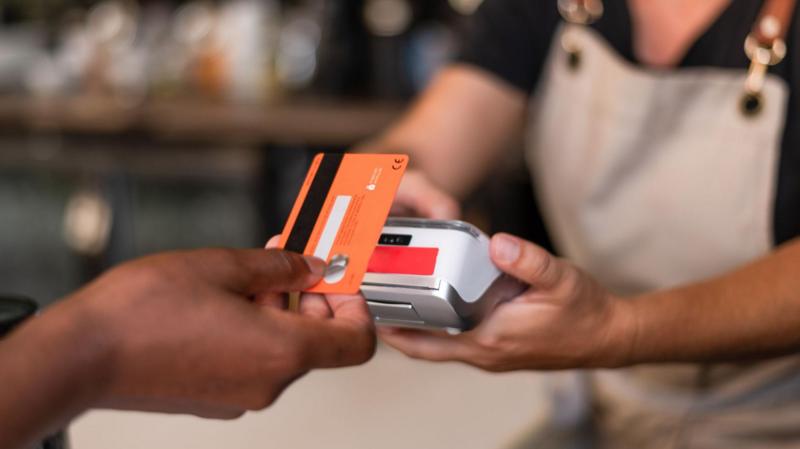
The UK's Financial Conduct Authority (FCA) has decided to lift the current contactless card payment limit of £100. Banks and card providers will have the option to set their own payment limits or go unlimited, and consumers can also choose to set personal limits or disable contactless payments.
Key Facts
The new rules allowing changes to contactless payment limits will start in March.
Banks can set payment limits or allow unlimited payments without a PIN.
The FCA encourages banks to let customers set their own limits or turn off contactless payments.
The current contactless limit in the UK is £100, which was gradually increased over time.
Contactless payments using a smartphone don't have a spending cap, relying on security like thumbprints.
The FCA survey showed most consumers (78%) do not want the limit changed.
People express concern that unlimited contactless limits could lead to increased spending and potential financial abuse.
The UK's Cash Access UK is opening more shared banking hubs to maintain access to cash.
Read the Original
Want the full story? Tap a source to open the original
article.
This year, a traditional Christmas dinner with turkey and sprouts will cost more than last year. The increase is mainly due to bird flu affecting turkey supplies and bad weather impacting sprout harvests. Overall, food prices are rising more slowly now compared to past years.
Key Facts
A typical Christmas dinner costs about £32.45 this year, a 4% increase from last year.
Turkey prices have increased by 7.37% due to bird flu, rising to £20 for a standard 10lb bird.
Brussels sprouts are up by more than 9%, costing 94p a bag.
Dry weather affected sprout harvests, requiring extra watering for crops.
Food price increases have slowed since the 2022 spike after Russia's invasion of Ukraine.
Other costs like pork are also up, with pigs in blankets costing 5.3% more.
Some supermarkets are lowering vegetable prices to compete for Christmas shoppers.
Read the Original
Want the full story? Tap a source to open the original
article.
Instacart has settled charges from the U.S. Federal Trade Commission (FTC) by agreeing to pay $60 million in refunds. The FTC accused Instacart of misleading customers about its free delivery offers and subscription service terms. The company denies any wrongdoing but agreed to the settlement to move forward.
Key Facts
Instacart will pay $60 million in refunds to settle FTC allegations.
The FTC claims Instacart misled shoppers about free delivery offers and subscription terms.
Court documents were filed in San Francisco.
Instacart denies the allegations but chose to settle.
The FTC is also investigating Instacart's pricing practices involving its Eversight tool.
A study indicated price discrepancies for the same items at the same stores.
Concerns were raised about the use of AI to adjust prices possibly leading to higher costs.
Instacart's stock fell by 1.5% following the news of the settlement.
Read the Original
Want the full story? Tap a source to open the original
article.
The United States has outlined its demands for changes to the trade relationship with Canada, particularly in areas like dairy market access and online streaming regulations. The demands came from U.S. trade representative Jamieson Greer during discussions on the North American trade agreement, USMCA. Key requests include opening Canada's dairy market to U.S. products and revising Canadian laws affecting U.S. media companies.
Key Facts
U.S. trade representative Jamieson Greer listed U.S. trade demands to Congress.
The U.S. wants Canada to open its dairy market more to U.S. farmers.
Canada’s current dairy system limits how much U.S. dairy can enter without tariffs.
The U.S. accuses Canada of unfair pricing and export practices in the dairy sector.
The U.S. wants changes to Canada's Online Streaming Act, which affects U.S. media companies.
The law requires platforms like Netflix to promote and financially support Canadian content.
The U.S. also seeks resolution on the Canadian Online News Act, influencing tech companies like Meta and Google.
President Trump has previously considered leaving the USMCA agreement, but Canada and Mexico wish to continue it.
Read the Original
Want the full story? Tap a source to open the original
article.
Today, the Bank of England lowered interest rates to their lowest level since early 2023. Despite this, the Bank does not expect the economy to grow by the end of the year. Additionally, President Trump has initiated a blockade on sanctioned oil tankers entering and leaving Venezuela, which has increased tensions between the two countries.
Key Facts
The Bank of England cut interest rates to the lowest level since early 2023.
Chancellor Rachel Reeves stated this move is beneficial for people with mortgages and businesses with loans.
The Bank of England expects no economic growth by the end of this year.
Tensions between the US and Venezuela are rising due to an oil tanker blockade.
President Trump ordered a total blockade on sanctioned oil tankers related to Venezuela.
Caracas has criticized the US blockade as aggressive threats.
The news was discussed in a broadcast by the BBC, presented by Tristan Redman.
Read the Original
Want the full story? Tap a source to open the original
article.
Inflation in the U.S. recently increased by 2.7% compared to last year, which is less than many expected. A new jobs report showed weak growth and the highest unemployment rate in four years. These factors might support more interest rate cuts in 2026.
Key Facts
Inflation rose by 2.7% over the past year.
This inflation rate was lower than many economists predicted.
A new jobs report was recently released after a delay.
The report showed weak job growth.
The unemployment rate is the highest it has been in four years.
These economic conditions might lead to more interest rate cuts in 2026.
Geoff Bennett and Austan Goolsbee discussed these economic trends.
Read the Original
Want the full story? Tap a source to open the original
article.
The Bank of England made a decision to lower interest rates, often referred to as a "Santa rate cut," to help boost a slow economy. The cut was made possible by declining inflation rates, and the bank expects more cuts in the future, though they might be more difficult to decide. The drop in interest rates is intended to encourage spending by making saving less attractive.
Key Facts
The Bank of England cut interest rates, which they call the "Santa rate cut."
This decision came after inflation showed signs of decreasing.
Governor Andrew Bailey believes inflation will reach the target of 2% by April.
There was a close vote on the rate cut, with Bailey as the deciding voter.
Some members of the Monetary Policy Committee think the normal interest rate could be as low as 3%.
The UK economy is currently not growing, described as "lacklustre."
Businesses have reported no immediate rebound in economic activity.
High savings rates, especially among older consumers, are seen as limiting economic growth.
Read the Original
Want the full story? Tap a source to open the original
article.
TikTok has plans to sell its U.S. business to a group of American investors, including Oracle, Silver Lake, and MGX. This move will create a new U.S.-based joint venture for TikTok, which might help the app avoid a potential ban in the United States due to regulatory issues. Users are not expected to experience immediate changes in their use of the app.
Key Facts
TikTok will sell its U.S. business to Oracle, Silver Lake, and MGX.
The agreement sets the deal to close on January 22.
Oracle, Silver Lake, and MGX will own 15% each of the new joint venture.
ByteDance, TikTok's parent company, will keep a 19.9% share.
Affiliates of existing ByteDance investors will hold about 30.1%.
TikTok will continue to operate normally for U.S. users for now.
The new ownership aims to reduce regulatory pressures on TikTok in the U.S.
Longer-term changes, like data handling adjustments, may happen gradually.
Read the Original
Want the full story? Tap a source to open the original
article.
President Donald Trump's social media company plans to merge with TAE Technologies, a firm working on nuclear fusion, in a $6 billion deal. This merger aims to create new energy solutions for AI data centers and is part of the Trump family's expanding business interests. The deal expects to close by mid-2026, with plans to develop a fusion power plant.
Key Facts
President Trump is leading a $6 billion merger between his media firm and TAE Technologies.
The merger aims to provide energy for AI data centers using nuclear fusion.
TAE Technologies is supported by big names like Google, Chevron, and Sumitomo.
The deal, made entirely in stock, will give shareholders equal ownership after closure in mid-2026.
Trump Media will include ventures like Truth Social, TAE Power Solutions, and TAE Life Sciences.
Trump Media's shares rose by 33% following the merger announcement.
TAE intends to build the world’s first large-scale fusion power plant soon.
The merger was approved by both companies' boards and is backed by significant political support.
Read the Original
Want the full story? Tap a source to open the original
article.
BP has appointed Meg O'Neill, previously from Woodside Energy, as its new CEO. O'Neill will lead BP as it refocuses on fossil fuels and aims to improve financial performance. BP plans to sell $20 billion in assets by 2027 to reduce costs and debt.
Key Facts
Meg O'Neill is BP's first external CEO hire in over 100 years and the first woman to lead a top-five oil company.
O'Neill will begin her role in April after Murray Auchincloss's departure.
BP plans to sell $20 billion in assets by 2027, including its Castrol lubricants business.
BP aims to increase its U.S. oil and gas production to 1 million barrels per day by the decade's end.
BP is reducing its focus on renewable energy to concentrate more on oil and gas.
BP's chairman, Albert Manifold, stresses a need for greater restructuring for increased profitability.
Woodside's shares fell by 2.9% following the announcement of O'Neill's departure, while BP's shares rose by 0.3%.
Read the Original
Want the full story? Tap a source to open the original
article.
The United States Postal Service (USPS) will change its mailing prices on January 18, 2026, except for First-Class Mail stamps, which will stay the same. The changes involve price increases for various mailing services as part of USPS's efforts to modernize and remain financially stable. These changes will undergo review before they take effect.
Key Facts
USPS plans to change some mailing prices starting January 18, 2026.
First-Class Mail stamp prices will not change.
Priority Mail service prices will rise by 6.6%.
Priority Mail Express service prices will increase by 5.1%.
USPS Ground Advantage service prices will go up by 7.8%.
Parcel Select service prices will increase by 6.0%.
The changes aim to help USPS remain competitive and financially sustainable.
The Postal Regulatory Commission will review these price changes.
Read the Original
Want the full story? Tap a source to open the original
article.