The economy is becoming more concentrated, with fewer, larger companies dominating markets, such as the merger between Netflix and Warner Bros. Discovery. Wealth is concentrated among a small portion of the population, which drives much of the consumer spending and market activity.
Key Facts
Netflix plans to buy Warner Bros. Discovery's studio and streaming services.
There is a trend of companies merging, especially under President Trump's administration.
The S&P 500 index is significantly influenced by a small number of large AI stocks.
The top 10% of earners in the U.S. are responsible for half of all consumer spending.
Economic and market concentration increases risks, like reduced diversification.
A potential downturn in AI could affect the entire stock market.
Concentration in markets and spending suggests a shift towards a "winner-take-most" economy.
Read the Original
Want the full story? Tap a source to open the original
article.
IndiGo, India's largest airline, has canceled over 2,000 flights due to pilot shortages after failing to adapt to new government rules on pilot rest and duty hours. This has caused significant travel disruptions, and the Indian government is now investigating the situation. The airline expects operations to return to normal by mid-December.
Key Facts
IndiGo canceled more than 2,000 flights recently, affecting many passengers in India.
The airline operates around 2,200 flights daily.
The cancellations happened because the airline was not prepared for new rules about pilot working hours.
These new rules, called Flight Duty Time Limitations (FDTL), aim to give pilots more rest.
The government introduced these rules to improve pilot working conditions.
The flight disruptions mainly occurred in cities like Mumbai, Hyderabad, Bengaluru, and New Delhi.
The Indian government is conducting an investigation into the causes of the crisis.
IndiGo expects to return to normal operations by December 10-15.
Read the Original
Want the full story? Tap a source to open the original
article.
Student loan delinquencies in the United States have increased since the end of a federal loan forgiveness program. A report from TransUnion shows that more Americans, including rental applicants, are falling behind on payments, which affects their credit scores and the rental market.
Key Facts
TransUnion reported that student loan delinquencies among rental applicants doubled in early 2025.
The percentage of borrowers 90 or more days overdue rose from 15% in January to 32% in May 2025.
More than 2.2 million student loan borrowers have seen their credit scores drop by over 100 points.
The end of the pandemic-era loan forgiveness program requires millions to repay loans for the first time in years.
Across the U.S., delinquencies and defaults on various credit types are increasing, not just student loans.
One in three student loan borrowers is now 90 or more days past due, and one in five has stopped payments entirely.
The shifts in credit scores are impacting the rental market, causing challenges for property managers.
Fraud risk may increase as financial pressure on renters grows.
Read the Original
Want the full story? Tap a source to open the original
article.
A TikTok video claimed sneakers are losing their appeal. The sneaker resale market dropped from 58% trading above retail in 2020 to 47% in 2024. Experts say demand remains strong, despite slowing hype and economic pressures affecting casual buyers.
Key Facts
A TikTok video about sneakers losing popularity had over 8 million views.
In 2020, 58% of sneakers resold for more than retail price; by 2024, it was 47%.
The U.S. sneaker resale market could reach $6 billion by 2025.
Globally, sneakers are expected to be worth $87 billion by 2025.
The sneaker market boomed during the pandemic with limited editions and celebrity collaborations.
Experts report continued strong demand, even if the hype has cooled.
Economic conditions affect casual buyers, but core collectors are still active.
The sneaker market's popularity has shifted, but it continues to show signs of growth.
Read the Original
Want the full story? Tap a source to open the original
article.
If you sell more than 30 items or make over £1,700 on platforms like Vinted, you must provide your National Insurance number due to reporting rules. This requirement is not about new taxes but part of efforts to monitor potential business activity. Most people who sell their personal items at a loss do not need to pay taxes.
Key Facts
Vinted users selling over 30 items or making more than £1,700 must provide their National Insurance number.
This information is required by UK law and part of digital platform reporting rules.
The rule targets those running a business, not people selling their second-hand items at a loss.
If a person makes more than £1,000 in profit per year from selling, they may need to pay tax.
HMRC can identify business activities by looking for multiple listings or profitable resales.
New reporting requirements started on January 1, 2024, to reduce tax evasion.
Sellers must provide information to Vinted by the end of the year they reach the threshold.
Selling an item for more than £6,000 may require paying Capital Gains Tax.
Read the Original
Want the full story? Tap a source to open the original
article.
The government plans to offer jobs and training to young people in industries like construction and hospitality to reduce youth unemployment. They will fund 350,000 placements and ensure 55,000 jobs in areas needing the most help by spring 2026. The initiative is part of an £820 million budget to reduce the number of young people on Universal Credit who are not working or studying.
Key Facts
The government plans to create job opportunities in construction and hospitality for young people.
They will fund 350,000 training and work experience placements.
55,000 guaranteed jobs will be provided in areas with high need by spring 2026.
£820 million has been set aside to fund these initiatives.
Nearly a million young people in the UK are not in work, education, or training.
Young people on Universal Credit will compete for jobs and training in regions like Birmingham, Greater Manchester, and parts of Scotland and Wales.
Each young person will have dedicated support and may be referred to jobs, apprenticeships, or training programs.
A government-backed program will offer free apprenticeship training for those under 25 at small and medium businesses.
Read the Original
Want the full story? Tap a source to open the original
article.
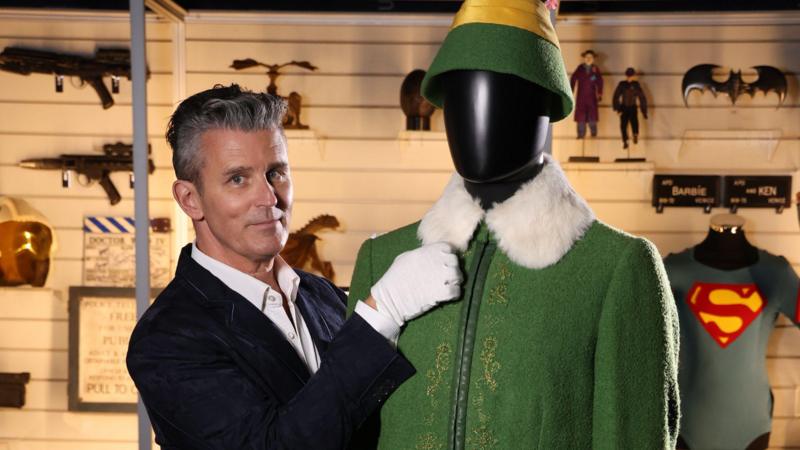
A costume worn by Will Ferrell in the movie Elf sold for over £239,000 at an auction. The auction, held by Propstore, included other items like a hat from Indiana Jones and a blaster from Star Wars.
Key Facts
The Elf movie costume was worn by Will Ferrell as Buddy the Elf.
The costume sold for more than £239,000 at an auction.
Propstore, based in Hertfordshire, held the auction and estimated the costume might sell for up to £200,000.
The costume was identified as the original due to hand stitching on the tunic.
The costume was part of the collection from the Elf film's producer, Jon Berg.
A fedora from the Indiana Jones film series sold for £327,600 in the same auction.
A blaster prop from Star Wars is expected to sell for between £350,000 and £700,000.
The auction includes items from various films and continues until Sunday in London.
Read the Original
Want the full story? Tap a source to open the original
article.
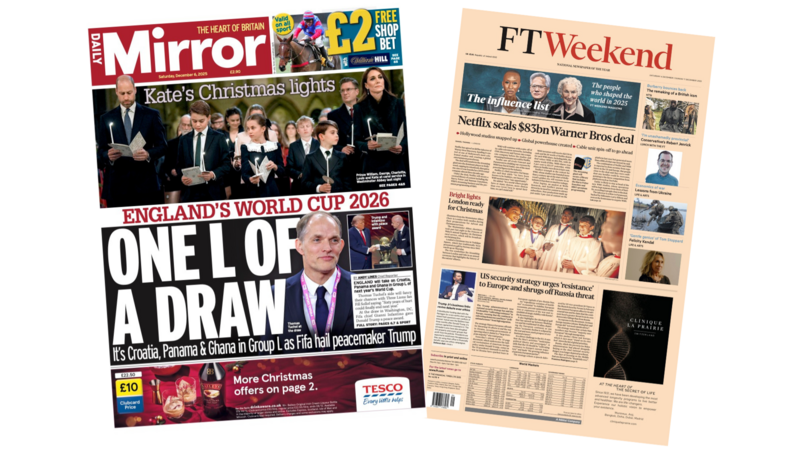
Netflix has agreed to a deal worth $83 billion with Warner Bros, which is expected to make Netflix a leading company in Hollywood. Separate news reports also covered the draw for the upcoming World Cup, with various matchups highlighted.
Key Facts
Netflix agreed to buy Warner Bros for $83 billion.
This deal might make Netflix the top streaming company in Hollywood.
The Financial Times reported the Netflix and Warner Bros deal.
The Mirror highlighted England's World Cup match schedule starting with Croatia.
Scotland will face Haiti, Morocco, and Brazil in the World Cup, according to The Sun.
Other news included topics such as a flu surge in the UK and political developments in the Labour Party.
Read the Original
Want the full story? Tap a source to open the original
article.
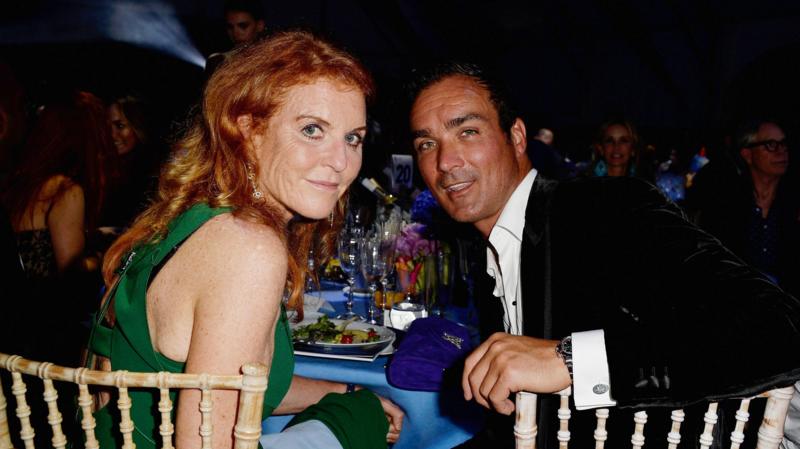
A lifestyle app called vVoosh, backed by Sarah Ferguson, received over £1 million in UK government funding but failed without ever launching a product. The company, founded by Manuel Fernandez, went into administration, leaving many questions about Ferguson's business associations. The app never made a product despite significant investment and faced communication issues within the company.
Key Facts
vVoosh was a lifestyle app backed by Sarah Ferguson, aimed at helping users organize activities.
The company received over £1 million from UK taxpayers through research and development tax credits.
vVoosh never launched a product and went into administration, meaning it is no longer trying to run as a business.
Founder Manuel Fernandez was Sarah Ferguson's close friend and once served as a director before he resigned.
The company had communication and legal problems, which halted app development progress.
Sarah Ferguson lost her duchess title following controversies linked to her ex-husband's connections to Jeffrey Epstein.
vVoosh owed money to Ferguson's company, La Luna Investments, and had over 60 other shareholders.
The Charity Commission is in the process of removing vVoosh Charitable Foundation from the register because it is not active.
Read the Original
Want the full story? Tap a source to open the original
article.
Netflix is buying Warner Brothers' streaming services and its movie studio. This deal will add HBO and many popular titles to Netflix's catalog, potentially influencing streaming prices and highlighting a shift in the entertainment industry towards online services.
Key Facts
Netflix is buying Warner Brothers Discovery, including HBO.
The deal will make Netflix's library bigger with Warner Bros titles like Harry Potter and Game of Thrones.
Netflix aims to complete the acquisition within 12 to 18 months.
Netflix may change how they package and price their services, but details are unclear.
The shift to streaming highlights changes in the entertainment industry as traditional cinema declines.
The deal includes Warner Bros' TNT Sports outside the U.S.
Concerns exist about how this might impact cinema releases, despite Netflix's promise to release some films in theaters.
Read the Original
Want the full story? Tap a source to open the original
article.
Starbucks union workers are demanding a new contract with fair wages, leading to picket lines in New York City. Demonstrations have resulted in arrests and ongoing strikes as workers and Starbucks disagree on wages and contract terms.
Key Facts
Demonstrators picketed outside the Empire State Building in New York City, demanding a new contract with Starbucks.
12 people were arrested during the New York City demonstration.
Starbucks Workers United claims over 100 union members attended the strike, whereas Starbucks estimates only 25.
Strikes have continued for three weeks, beginning on November 13.
Starbucks says they provide more than $30 an hour in pay and benefits on average, but the union disputes these figures.
Union demands include a 65% immediate pay increase and additional pay for specific work conditions.
Starbucks mentions high partner engagement and lower turnover compared to industry averages.
Starting wages for baristas in some Starbucks locations are reported as $15.25 per hour according to Al Jazeera.
Read the Original
Want the full story? Tap a source to open the original
article.
Many customers did not receive fabric orders from designer Nerida Hansen's company. Affected buyers, including Maree O'Connor from Australia, shared their experiences in a Facebook group. The group grew quickly, bringing attention to widespread delivery issues.
Key Facts
Maree O'Connor from Melbourne bought $600 worth of fabric online, but it never arrived.
She started a Facebook group to see if others had similar problems, which quickly gained members.
The central figure in the controversy is Nerida Hansen, a well-known fabric designer.
Hansen's company became popular during the pandemic for selling unique fabric prints.
Customers in different countries reported waiting long times or never receiving their fabric.
Some buyers received refund offers or communication about delays from suppliers.
Facebook group members encouraged each other to ask for refunds and report issues to their banks.
Hansen contacted O'Connor to shut down the group, claiming defamation, but O'Connor refused.
Read the Original
Want the full story? Tap a source to open the original
article.
Netflix plans to buy Warner Bros. and HBO Max for about $83 billion. This deal would join a major streaming company with an old Hollywood studio, raising questions about the future of movie theater releases and market control.
Key Facts
Netflix is acquiring Warner Bros. and HBO Max for nearly $83 billion.
The deal went through a bidding war, which Netflix won against Paramount and Comcast.
Warner Bros. is one of the oldest studios in Hollywood.
There are concerns about how this may impact movie theater releases.
The acquisition also raises worries about market concentration, meaning fewer companies control more of the industry.
Geoff Bennett spoke with Matthew Belloni from Puck for more insights.
Read the Original
Want the full story? Tap a source to open the original
article.
Jamie Oliver's Italian restaurant chain, Jamie's Italian, will reopen in London next year after closing six years ago. It is backed by investors who own another restaurant chain, and more locations are planned. The UK restaurant industry is facing challenges, but the brand plans to bring excitement to diners.
Key Facts
Jamie's Italian restaurants closed in the UK in 2019, affecting over 1,000 employees.
More than 30 Jamie's Italian restaurants remained open internationally.
Jamie Oliver will introduce the first new restaurant in Leicester Square, London.
The brand's return is supported by Brava Hospitality Group, which also runs Prezzo.
Unlike before, Jamie Oliver is not using his own money for this new venture.
At its height, there were over 40 Jamie's Italian locations across the UK.
The UK restaurant sector is struggling with higher costs and changes in business rates.
Read the Original
Want the full story? Tap a source to open the original
article.
A major change related to student loan repayments is expected soon for borrowers on the SAVE plan. Legal challenges have delayed the plan, and borrowers may need to prepare for increased monthly payments and longer repayment periods. Key decisions affecting these borrowers are likely to be announced shortly.
Key Facts
The SAVE plan offers affordable repayment options and potential loan forgiveness within 20 years.
Legal challenges have paused the program, placing 8 million borrowers in forbearance for 15 months.
During forbearance, borrowers' payments are not required, but time does not count toward loan forgiveness.
President Trump's legislation plans to phase out the SAVE plan by July 1, 2028.
Interest on loans began accruing again on August 1.
Legal negotiations are ongoing, with a status report expected by December 15, 2025.
If SAVE ends, borrowers might have to use older plans that could result in higher payments and longer repayment periods.
Read the Original
Want the full story? Tap a source to open the original
article.
Netflix plans to buy Warner Bros Discovery for $72 billion, giving Netflix control over Warner's TV, film studios, and streaming services. This deal could raise antitrust concerns because it would make Netflix an even bigger player in the media industry. The merger would include popular franchises like "Game of Thrones" and "Harry Potter".
Key Facts
Netflix will acquire Warner Bros Discovery TV, film studios, and streaming division for $72 billion.
The deal includes cash and Netflix stock valued at $27.75 per share for Warner Bros Discovery shareholders.
Netflix anticipates saving $2 billion to $3 billion a year starting in the third year after the deal.
Warner CEO David Zaslav will step down once the merger is completed.
The merger will bring HBO Max's 128 million subscribers into Netflix's fold.
Concerns about reduced competition and higher prices are being raised by U.S. lawmakers.
The deal may face scrutiny from regulatory bodies in both Europe and the United States.
The White House views the merger with skepticism, indicating potential regulatory challenges.
Read the Original
Want the full story? Tap a source to open the original
article.
In November, job growth in the U.S. was weak but not disastrous. Employment numbers have not dropped significantly, showing the labor market is stable despite some job losses, especially in small companies.
Key Facts
In November, private-sector jobs fell by 32,000, mostly in the smallest companies.
The three-month average for job change is almost flat at -4,700 jobs.
The unemployment rate was steady, at about 4.44% in November.
Weekly unemployment insurance claims are averaging 215,000, lower than spring and summer numbers.
Bank of America data shows payroll growth slowed to 0.2% year over year in November.
Larger anticipated job losses have not materialized, indicating supply issues, not demand problems, influence job numbers.
Read the Original
Want the full story? Tap a source to open the original
article.
Vanity Fair has decided to not renew Olivia Nuzzi's contract as West Coast editor. This decision followed controversy about her previous reporting on Robert F. Kennedy Jr., where she did not disclose her personal relationship with him.
Key Facts
Vanity Fair is ending Olivia Nuzzi's contract by the end of the year.
Nuzzi previously worked at New York magazine as Washington correspondent.
The controversy surrounds her not disclosing a personal relationship with Robert F. Kennedy Jr.
Kennedy is currently the U.S. Secretary of Health and Human Services.
Vanity Fair and Nuzzi both agreed that letting the contract expire was in the magazine's best interest.
Nuzzi joined Vanity Fair after being dismissed from New York magazine.
Read the Original
Want the full story? Tap a source to open the original
article.
Several coffee chains in the United States, including Dutch Bros, Dunn Brothers Coffee, Paris Baguette, and Smoothie King, plan to open new stores in 2026. These expansions aim to provide more locations for coffee and related beverages across the country.
Key Facts
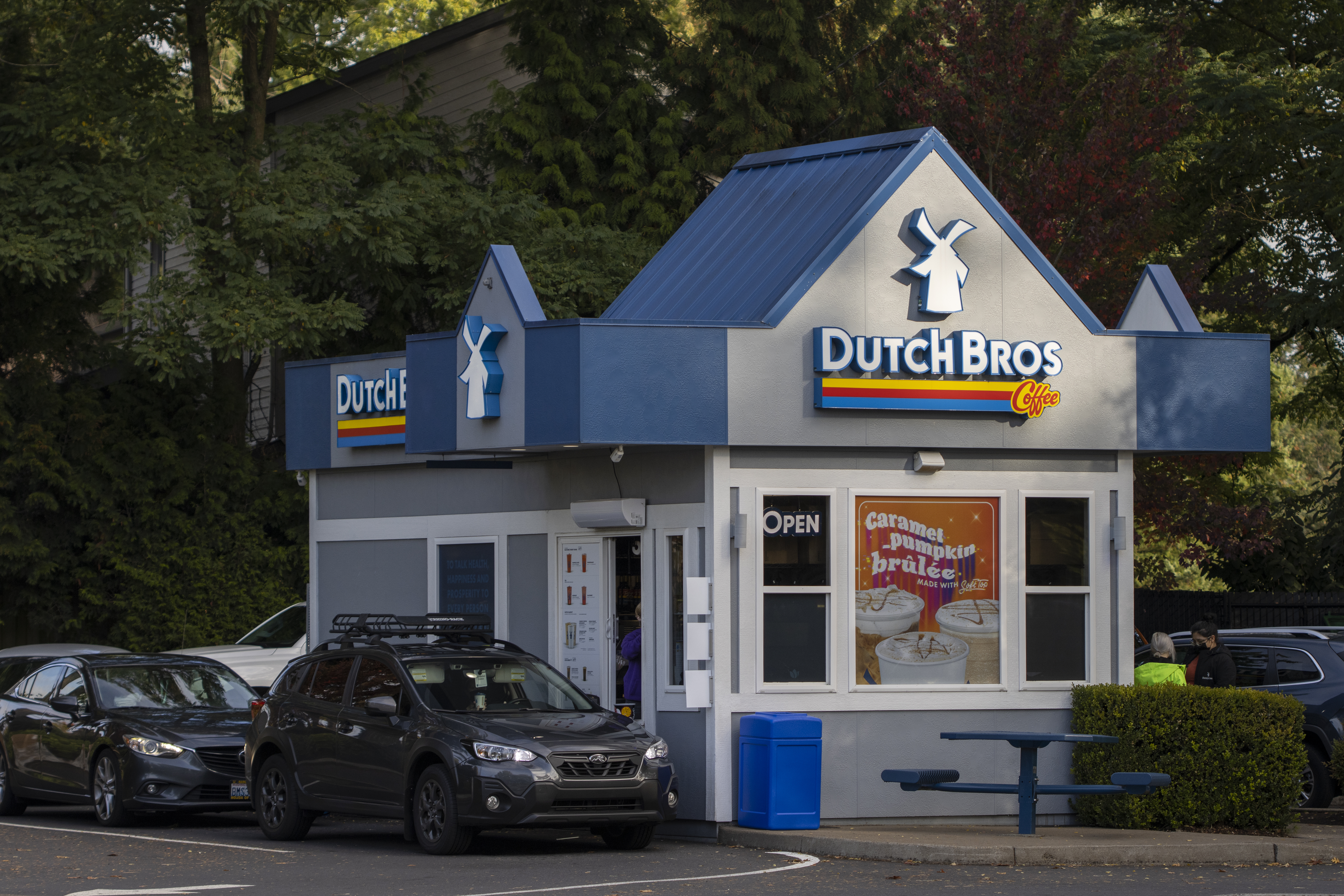
Dutch Bros Coffee plans to open 175 new locations next year in addition to its existing 1,081 sites across 24 states.
Dunn Brothers Coffee aims to add 250 stores over five years, having 50 locations in seven states currently.
Paris Baguette has 260 locations and plans to develop more than 500 additional stores in North America.
Smoothie King, which offers coffee beverages, added 32 new store commitments recently and has over 1,300 locations worldwide.
These expansions suggest a growing market for coffee and related products in the U.S.
Read the Original
Want the full story? Tap a source to open the original
article.
Chancellor Rachel Reeves will not face an ethics investigation over her pre-Budget comments. Concerns were raised that she might have misrepresented the UK's financial situation, but the ethics adviser decided not to pursue an investigation. The focus was on whether her statements were misleading ahead of proposed tax increases.
Key Facts
Rachel Reeves is the Chancellor and was criticized for her remarks before the Budget announcement.
An ethics inquiry was requested by Nigel Farage, leader of Reform UK.
Farage claimed Reeves did not fully disclose the UK's financial status to Parliament.
Reeves insisted she was honest about the choices she faced with the Budget.
Critics said she exaggerated financial problems to justify tax hikes.
The ethics adviser, Sir Laurie Magnus, said it was not within his role to investigate government actions outside of ministers.
The Financial Conduct Authority (FCA) has not started an inquiry into possible market abuse related to Budget leaks.
A senior official from the Office for Budget Responsibility stated that Reeves was facing challenging financial decisions.
Read the Original
Want the full story? Tap a source to open the original
article.