American ranchers are facing challenges due to President Trump's recent beef policies, which include increasing beef imports from Argentina and dropping tariffs on Brazilian beef. These policies aim to balance ranchers' interests with those of American consumers facing high beef prices, but ranchers are concerned about their economic impact. Cattle prices have benefited from low herd numbers and other supply constraints, but recent political decisions have caused confusion and concern among ranchers.
Key Facts
President Trump announced plans to increase beef imports from Argentina and drop tariffs on Brazilian beef.
Ranchers are concerned these imports could harm their recent economic gains.
Cattle prices have been increasing due to low beef cattle numbers and restricted supply.
Consumer beef prices have risen to $6.32 per pound by September 2024, up 11% from the previous year.
A government shutdown has delayed the release of recent economic data by the Bureau of Labor Statistics.
Ranchers expressed frustration over President Trump's comments on social media regarding their objections.
The futures market for cattle, which impacts expected sale prices, fell over 15% after Trump's announcements.
Ranchers have been financially challenged by years of drought, high feed costs, and expensive farm equipment.
Read the Original
Want the full story? Tap a source to open the original
article.
The Office for Budget Responsibility (OBR) apologized for accidentally releasing its economic forecast before the official UK Budget announcement. The premature release included details like the end of a two-child benefit cap and changes to taxes. The OBR is investigating how this leak happened.
Key Facts
The OBR accidentally published its Budget details about 40 minutes early due to a "technical error."
The details are usually kept secret until the chancellor's official announcement because they can influence financial markets.
The leaked document included measures like ending the two-child benefit cap and continuing income tax threshold freezes.
The OBR removed the document quickly and is investigating the incident.
OBR chair Richard Hughes apologized and said he would ensure it doesn't happen again.
The leak caused a stir in the House of Commons and on social media, with calls for an investigation.
Past instances include a similar leak by the Evening Standard in 2013.
There was a brief market impact with volatility in UK bonds, but the situation stabilized.
Read the Original
Want the full story? Tap a source to open the original
article.
The chancellor's decision to freeze tax thresholds means people in the UK will pay more in taxes as their incomes rise. This affects income tax and National Insurance Contributions, with many people entering higher tax brackets over time. The policy aims to raise significant funds by 2031, impacting most taxpayers.
Key Facts
Tax thresholds in the UK will remain frozen for three more years.
A tax threshold is the income level at which you start paying a certain rate of tax.
Freezing the thresholds means as incomes grow, more income becomes taxable at higher rates.
About a million people could start paying income tax due to this change.
Part-time workers and state pensioners may now pay income tax as their incomes reach the threshold.
National Insurance thresholds are also frozen, affecting how much people pay.
The policy expects to pull in £56 billion by 2031, with £12 billion from the latest extension.
By 2030, over five million more people may need to pay taxes due to the freeze in thresholds.
Read the Original
Want the full story? Tap a source to open the original
article.
Chancellor Rachel Reeves announced a change that will limit the amount of money workers can put into their pensions without paying national insurance. Starting in 2029, a cap of £2,000 per year will apply to the salary sacrifice method for pensions, which currently allows for higher contributions. This change aims to generate an estimated £4.7 billion in extra national insurance contributions by that year.
Key Facts
A new cap of £2,000 per year on salary sacrifice for pensions will start in 2029.
The current system allows for larger amounts to be sheltered from national insurance.
This change is expected to raise £4.7 billion in national insurance contributions.
Salary sacrifice lets workers put money into pensions before income tax and national insurance are applied.
Chancellor Reeves stated the current policy benefits high-income earners.
The cap is designed so low-and-middle income earners can still use the scheme without higher taxes.
Around a third of private sector employees and 10% of public workers use salary sacrifice for pensions.
Former pensions minister Steve Webb suggested companies might change their pay and pension structures before 2029 to avoid extra charges.
Read the Original
Want the full story? Tap a source to open the original
article.
Lawyers for Taylor Swift have asked a judge to allow them to file a longer legal document in a copyright lawsuit. The case involves allegations that Swift and others copied poetry for use in songs and visuals. The judge has not yet made a decision on the request.
Key Facts
Taylor Swift's lawyers want to file a motion that is 10 pages longer than the court's current 20-page limit.
The lawsuit claims Swift and her co-defendants copied a Florida artist's work in several albums.
This is the second lawsuit brought by the same artist against Swift.
Swift was dismissed from a previous lawsuit related to this case.
The current case is overseen by Judge Aileen Cannon, who also handled a case involving President Trump.
The legal team argues that more pages are needed to address all issues in the complaint.
The artist suing Swift does not agree with the request to exceed the page limit.
The deadline for Swift's legal team to respond to the complaint is December 4.
Read the Original
Want the full story? Tap a source to open the original
article.
Properties in England valued over £2 million will have a new extra tax starting in 2028, on top of existing council taxes. This new tax, often called a "mansion tax," is expected to generate around £400 million annually by 2029-2030. The money will go to the Treasury instead of local authorities.
Key Facts
Properties over £2 million will have a new tax starting in 2028.
The tax will add at least £2,500 annually, based on property value.
There are four value bands for the tax, with the highest set at £7,500 for properties worth £5 billion or more.
Most affected properties are in London.
The Office for Budget Responsibility predicts the tax will raise about £400 million per year by 2029-2030.
The tax is part of measures included in a budget plan by Rachel Reeves.
The Treasury will receive the funds from this tax, not local councils.
Properties will be assessed in 2026 for this tax, and band limits will adjust with inflation.
Read the Original
Want the full story? Tap a source to open the original
article.
The UK plans to introduce a new tax for electric and hybrid vehicle owners starting in April 2028. Electric car users will pay 3 pence per mile, and hybrid users will pay 1.5 pence per mile. The goal is to generate £1.4 billion in revenue.
Key Facts
The tax applies to electric and plug-in hybrid vehicles.
Electric car owners will be charged 3 pence per mile.
Hybrid car owners will pay 1.5 pence per mile.
The tax begins in April 2028.
The tax rate will increase each year with inflation.
The government expects to raise £1.4 billion from this tax.
The amount collected is about half of the fuel duty paid by petrol car drivers.
The Office for Budget Responsibility apologized for the leak of this information.
Read the Original
Want the full story? Tap a source to open the original
article.
The UK's official economic forecaster, the Office for Budget Responsibility (OBR), has updated its expectations for the country's economy. While growth is predicted to be higher this year than previously expected, forecasts for the next several years have been lowered. The OBR also anticipates an increase in the overall tax burden due to frozen tax thresholds.
Key Facts
The OBR predicts the UK economy will grow by 1.5% this year, up from an earlier forecast of 1%.
Economic growth is expected to slow to 1.4% in 2026 and remain low in the following years.
Income tax thresholds will be frozen until the 2030-31 financial year.
These frozen thresholds mean 780,000 more people will pay the basic income tax rate, 920,000 the higher rate, and 4,000 the additional rate by 2029-30.
The UK's overall tax revenue is expected to reach 38% of GDP by 2030-31 due to these measures.
Inflation is currently expected to be 3.5% this year, slightly above the previous estimate of 3.2%.
The OBR's report was accidentally published online ahead of the Chancellor's budget announcement.
Inflation is expected to decrease to 2% by 2027 and stay there in subsequent years.
Read the Original
Want the full story? Tap a source to open the original
article.
The new Budget announced by Chancellor Rachel Reeves introduces several financial changes for individuals in the UK. Key measures include frozen income tax thresholds, new taxes on electric vehicle use, increased minimum wages, a new council tax surcharge for high-value homes, frozen train fares, and changes to cash Isa savings limits.
Key Facts
Income tax thresholds will remain frozen until 2031, potentially increasing tax for those with rising incomes.
Electric vehicle drivers will face new road taxes from 2028, although fuel duty remains frozen.
Minimum wages will rise in April, with varying rates depending on age.
A new council tax surcharge will apply to homes in England worth £2 million or more starting in 2028.
Regulated rail fares in England will be frozen until March 2027.
The tax-free savings limit in a cash Isa will decrease from £20,000 to £12,000 annually, except for those over 65.
Read the Original
Want the full story? Tap a source to open the original
article.
Details of the United Kingdom's Budget were made public earlier than planned due to a mistake by the Office for Budget Responsibility (OBR). This early release included information on expected measures, and the OBR has apologized, calling it a "technical error" and stating an investigation is underway.
Key Facts
The UK's Budget details were released earlier than intended by the Office for Budget Responsibility.
The premature release happened due to a technical error on the OBR's website.
This error led to a stir among UK politicians who were preparing for the official announcement.
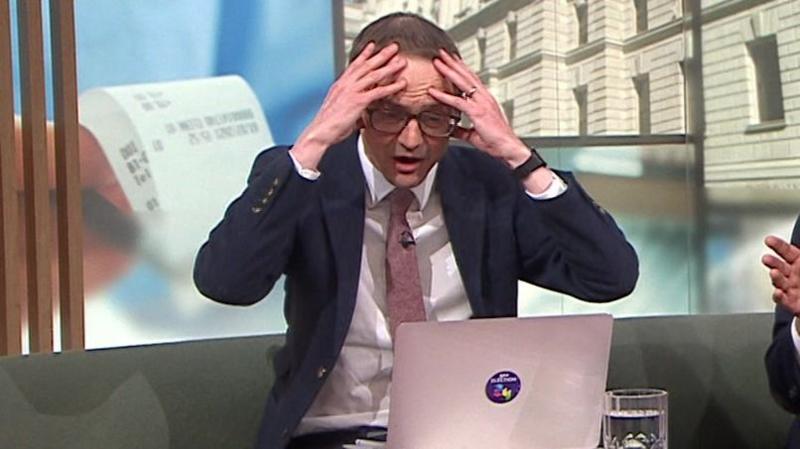
Treasury Minister Torsten Bell was seen notifying others of the early release using his phone.
The error included information that confirmed expected measures like changes to child benefits and taxes.
The OBR has apologized and is investigating how the mistake occurred.
They have promised to report to relevant UK government bodies to explain the incident.
The information has been removed from the OBR website, and official documents will be released after the Chancellor's speech.
Read the Original
Want the full story? Tap a source to open the original
article.
Josh Hammond, who has been the interim president of VCU Health Tappahannock Hospital since June, will officially become the president on December 7. He will oversee hospital operations and strategic initiatives. This role follows the retirement of former president Liz Martin earlier in the year.
Key Facts
Josh Hammond will officially become VCU Health Tappahannock Hospital's president on December 7.
He has been acting in this leadership role since June.
Hammond will manage daily operations and lead strategic initiatives at the hospital.
The hospital is part of the VCU Health system, with nine locations in the area.
Former president Liz Martin retired earlier this year after over 30 years of leadership.
Hammond's previous roles include associate vice president for ambulatory operations at VCU Health.
The hospital recently started its first cancer clinical trial to improve access to new treatments for rural communities.
VCU Health Tappahannock Hospital became an affiliate member of the National Cancer Institute's Community Oncology Research Program in 2024.
Read the Original
Want the full story? Tap a source to open the original
article.
Research shows a large increase in homes being taken off the market in the U.S. because sellers are not willing to lower prices. This trend is keeping home prices high despite a low demand from buyers, who face high costs and affordability issues.
Key Facts
In September, 84,278 homes were removed from the market, a 28% increase from the previous year.
The rate of homes being delisted was the highest for September since 2017.
About 5.5% of all listed homes nationwide were removed from the market in September.
Florida and Texas saw especially high numbers of delistings.
Many homes have been on the market for over 60 days, leading sellers to remove them instead of accepting low offers.
Around 15% of the homes taken off the market in September were at risk of selling at a loss.
High mortgage rates and general affordability issues continue to discourage potential buyers.
Read the Original
Want the full story? Tap a source to open the original
article.
People pay taxes, which are used by the government to fund various public services. Taxes help support things like healthcare, education, and infrastructure.
Key Facts
Taxes are payments made by individuals and businesses to the government.
Governments use these funds to pay for services like healthcare, schools, and road maintenance.
Taxes help support the economy by funding public sector jobs and services.
The budget for how tax money is spent is planned in advance, such as with the Budget 2025.
Taxes can be different types, such as income tax, sales tax, and property tax.
The UK economy relies on taxes as a source of government revenue.
Read the Original
Want the full story? Tap a source to open the original
article.
Newsweek's "New & Noteworthy" segment highlights new products from various categories like food, personal care, and household goods. This week's edition features new items, including a men's body wash by Dove, premium preserves by Oishii, and a new variety of Dave's Killer Bread.
Key Facts
Newsweek's "New & Noteworthy" is a weekly feature showcasing new consumer products.
Dove launched a new body and face wash for men, emphasizing hydration and eco-friendly packaging.
Oishii introduced premium strawberry preserves made by a Michelin-starred chef.
Dave's Killer Bread released a new variety called Oats & Blues with organic ingredients.
The segment also covers products like energy drinks, iced tea, and digestive gummies.
Marketers can submit their new products for potential inclusion in the segment.
Read the Original
Want the full story? Tap a source to open the original
article.
Amazon is offering significant discounts on groceries for its 2025 Black Friday and Cyber Monday sales. These deals include savings on holiday meal essentials, available from November 20 to December 1, with many eligible for same-day delivery in over 1,000 U.S. cities.
Key Facts
Amazon’s Black Friday and Cyber Monday deals run from November 20 to December 1, 2025.
Discounts cover Amazon groceries, including private-label products like 365 by Whole Foods Market.
Deals include a Butterball turkey for $0.69 per pound and party dips for $4 or less.
Amazon Prime members can get 25% off selected baking essentials.
Same-day delivery for grocery deals is available in more than 1,000 U.S. locations, expanding to 2,300 by the end of the year.
Shoppers can save on cookware and storage items, with up to 64% off selected products.
Additional flash deals and bundle offers are expected during the holiday season.
Read the Original
Want the full story? Tap a source to open the original
article.
Many streaming services are offering special discounts for new subscribers during Black Friday. Deals include reduced prices on subscriptions for services like Hulu, Apple TV+, AMC+, BET+, Starz, and more.
Key Facts
Black Friday brings special deals on streaming service subscriptions.
Hulu offers a 99-cent monthly subscription for a year, usually $9.99 per month.
Apple TV+ six-month subscription costs $5.99, with a savings of $42.
AMC+ with ads costs $1.75 per month for two months, down from $6.99.
BET+ offers a subscription for $1.50 monthly during the Black Friday sale.
Starz has a discounted subscription for $2.75 monthly, a 75% discount.
Historically, Amazon Prime gives discounts up to 50% on movies and TV shows.
Most offers are time-limited to the Black Friday period.
Read the Original
Want the full story? Tap a source to open the original
article.
Hollister and Taco Bell have teamed up to release a special clothing line that combines fashion and fast food. This limited edition collection will launch on Cyber Monday and features items like T-shirts, hoodies, and baggy jeans with Taco Bell-themed designs.
Key Facts
Hollister and Taco Bell collaborated on a limited edition clothing collection.
The collection includes items like graphic T-shirts, fleece hoodies, and baggy jeans.
These clothes feature bright colors and Taco Bell logos designed to evoke nostalgia.
The collaboration will be available starting Cyber Monday, December 1.
Prices for the items range from $14.95 to $79.95.
Taco Bell is one of the top-selling fast-food chains in the U.S., with sales of $16.197 billion in 2024.
Similar collaborations have occurred before, such as Nike with Ben & Jerry's and Crocs with KFC.
Read the Original
Want the full story? Tap a source to open the original
article.
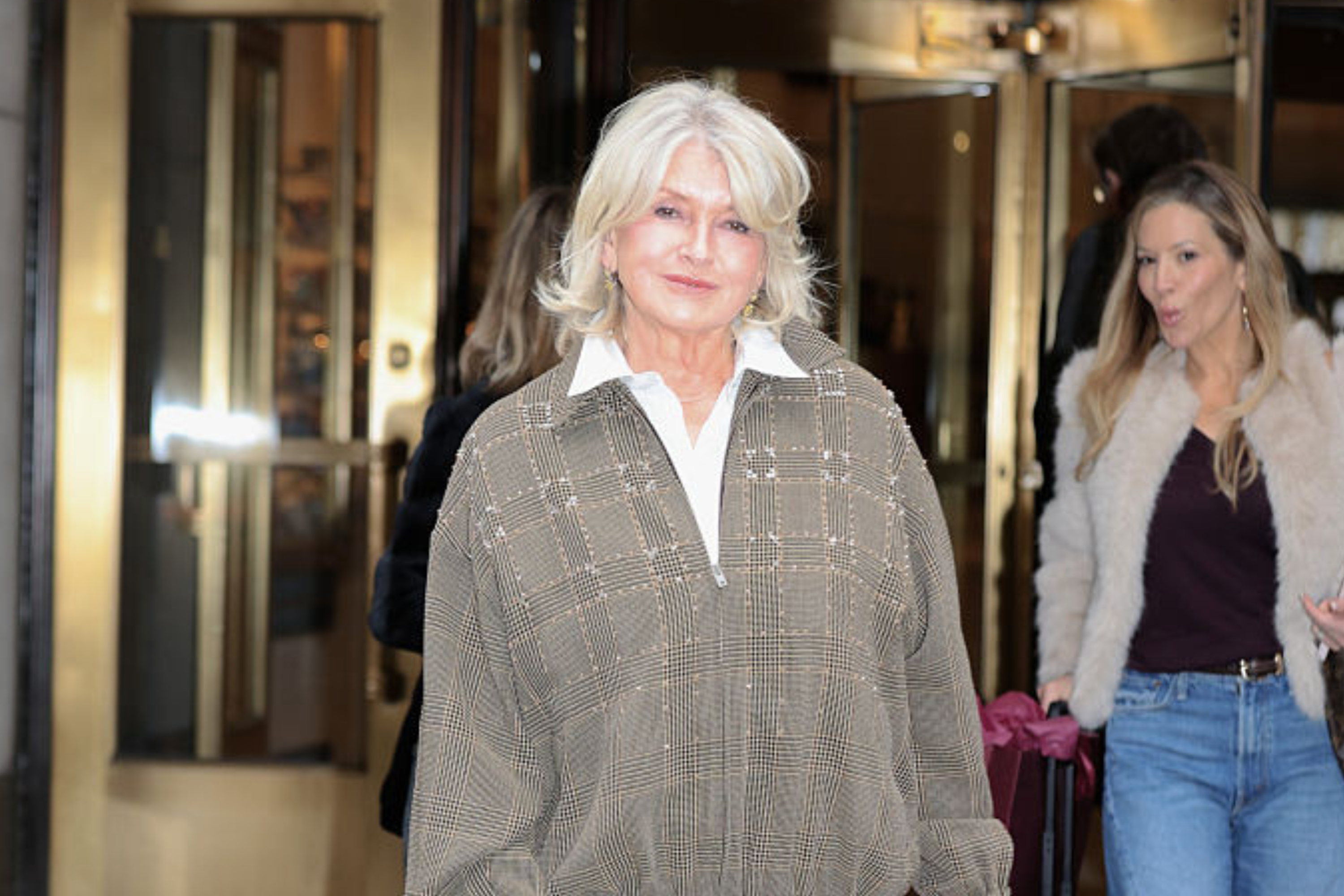
American Eagle has launched a new holiday campaign featuring Martha Stewart, following backlash from a previous ad with Sydney Sweeney. The campaign, titled "Give Great Jeans," aims to highlight denim products. Martha Stewart's involvement brings a fresh face to the brand amid both praise and skepticism.
Key Facts
American Eagle launched a holiday campaign called "Give Great Jeans."
Martha Stewart is the new face of this campaign.
The campaign follows criticism of an earlier ad with Sydney Sweeney that was linked to eugenics-related controversy.
Martha Stewart appeared in campaign videos wrapping gifts in denim and promoting holiday generosity.
Stewart has become a prominent cultural figure even after serving prison time in 2004 for insider trading.
The previous ad with Sydney Sweeney was criticized for perceived ties to white supremacy.
The campaign's choice of Stewart may tap into her ongoing "redemption arc" and appeal to Gen Z.
Read the Original
Want the full story? Tap a source to open the original
article.
Amtrak has seen a record number of passengers, with 36.2 million people using the service in fiscal year 2025, an increase of 10% from the year before. However, the U.S. train system is not prepared to handle this demand due to outdated infrastructure. Lack of investment and political support has kept the U.S. rail system behind compared to other countries like China and France.
Key Facts
Amtrak had 36.2 million passengers in fiscal year 2025, a 10% increase from 2024.
The rise in Amtrak riders comes while other travel options, like flying, are less popular.
Amtrak says cheaper fares are attracting cost-conscious travelers who avoid airports.
U.S. rail infrastructure is aging and not ready for the increased demand.
Experts note that other countries, like China and France, have invested more in high-speed rail.
Funding issues and complex regulations have slowed U.S. rail development.
The 2021 infrastructure law allocated $66 billion for rail, but progress has been slow.
Few major rail projects have advanced, like the Gateway Tunnel project between New York and New Jersey.
Read the Original
Want the full story? Tap a source to open the original
article.
Warner Music Group settled a lawsuit with AI music company Suno and has started a new business venture together. The agreement allows AI-generated music using the voices and likenesses of artists who agree to participate. Suno plans to release new AI music technology next year, and this venture aims to protect artists while exploring new music creation possibilities.
Key Facts
Warner Music Group and Suno have resolved a lawsuit.
The lawsuit was about using AI to create music similar to existing songs.
As part of the new deal, users can use AI to create music with participating artists' voices and likenesses.
Artists have control over how their identity and work are used in AI-generated music.
Suno will introduce new AI music technology starting next year.
The partnership aims to ensure artists are compensated while advancing music creation.
Suno has about 100 million users and started operations two years ago.
Major music companies, including Warner, had previously sued Suno and another company, Udio, over similar issues.
Read the Original
Want the full story? Tap a source to open the original
article.