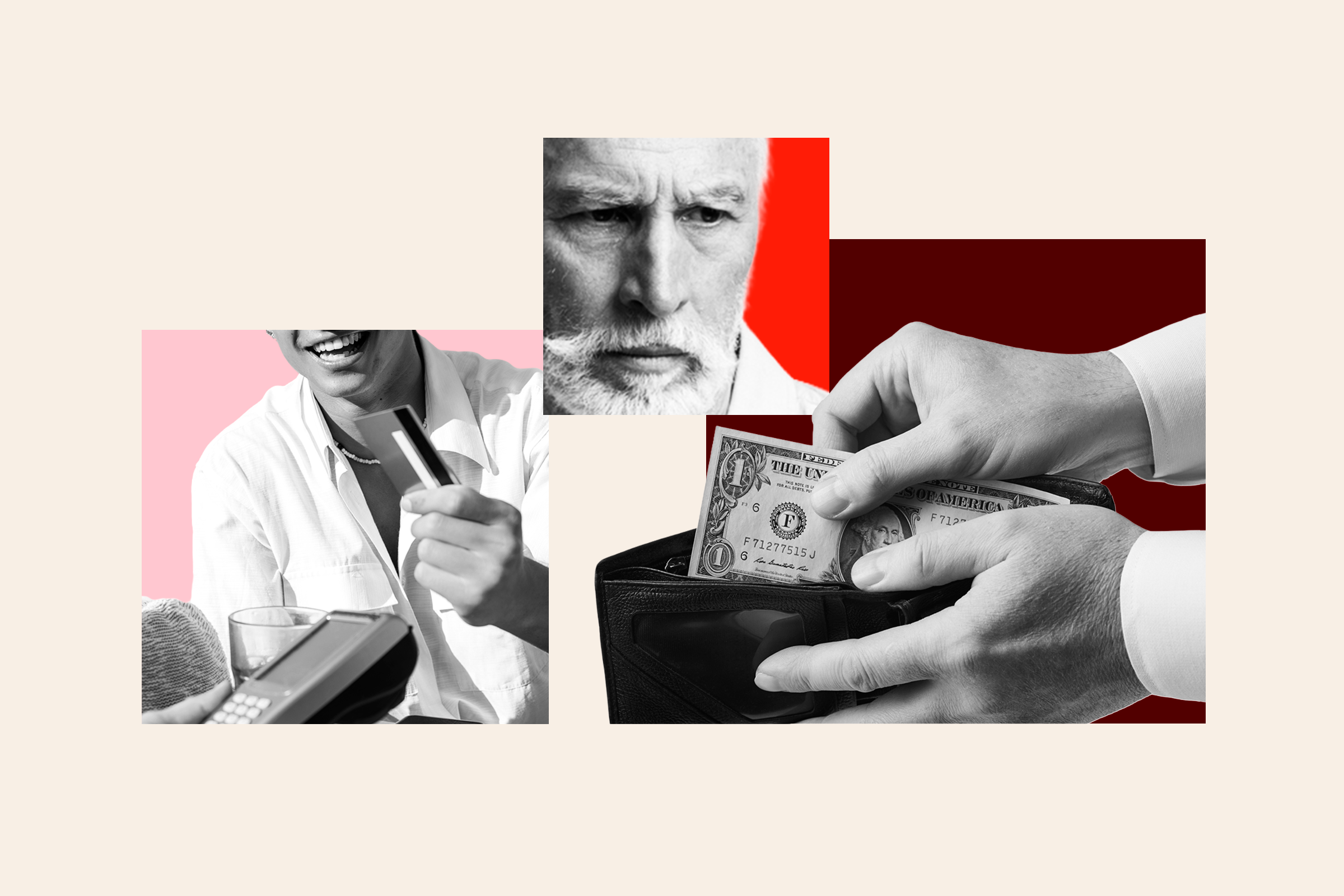
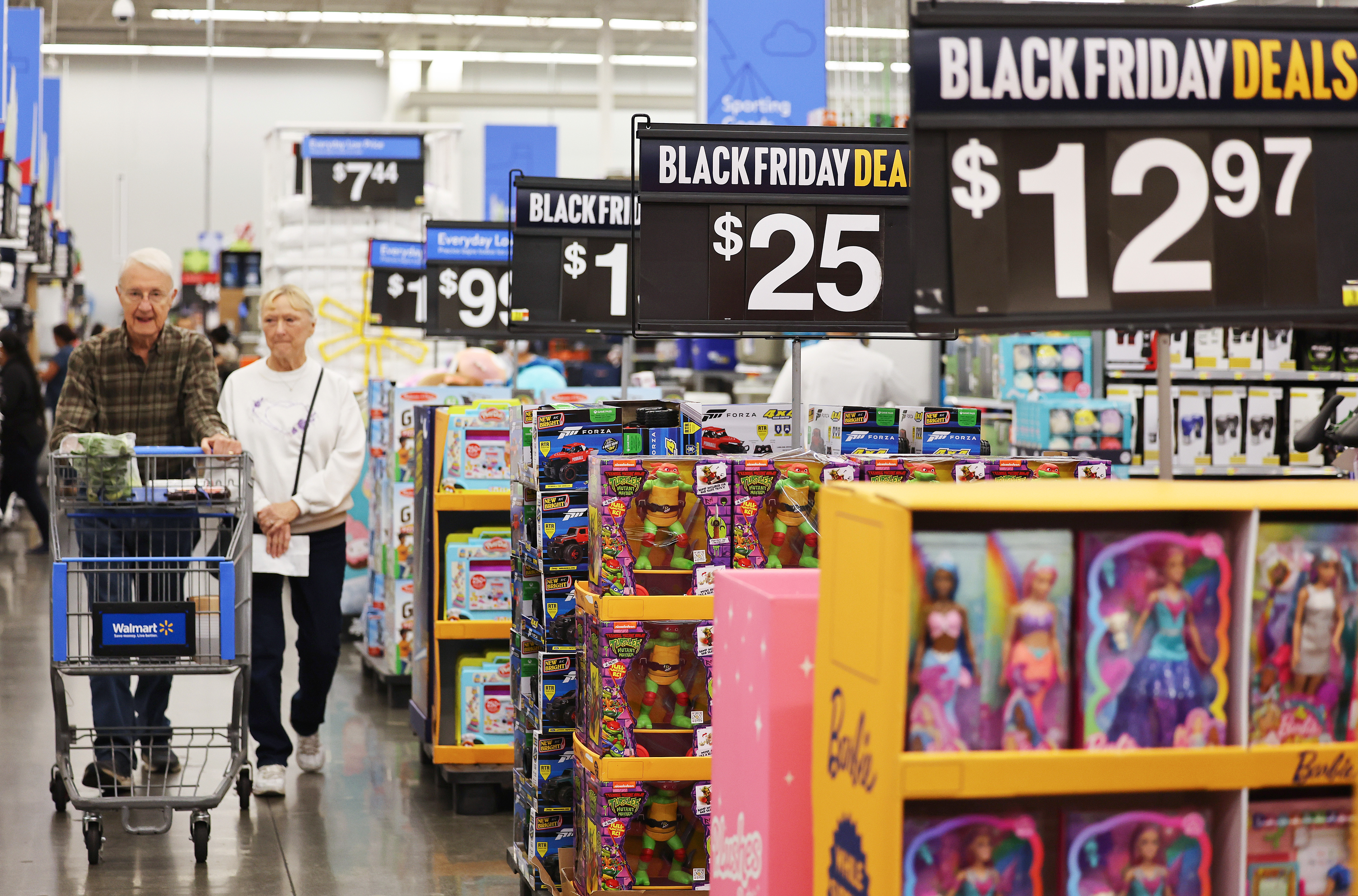
The U.S. economy is increasingly divided, with wealth concentrated at the top while lower-income households struggle. This division, often called a "K-shaped" economy, means that some people are doing really well while others are having a tough time. Experts warn this gap could lead to significant economic problems.
Key Facts
The term "K-shaped" describes an economy where wealth grows for the rich, but poor households face difficulties.
Investment and stock market gains are strong, but many low-income households struggle financially.
Ohio State professor Lucie Dunn suggests this growing gap might lead to a crisis, with the middle class shrinking.
More Americans with weaker financial backgrounds are taking on loans, according to TransUnion data.
Wage growth has slowed more for low-income workers compared to middle- and high-income workers.
High-income consumers are spending more, while lower-income consumers cut back on non-essential purchases.
Nearly half of consumer spending comes from the top 10% of earners, keeping overall spending strong.
Economic experts warn that rising inequality could become a major problem for the economy.
Read the Original
Want the full story? Tap a source to open the original
article.
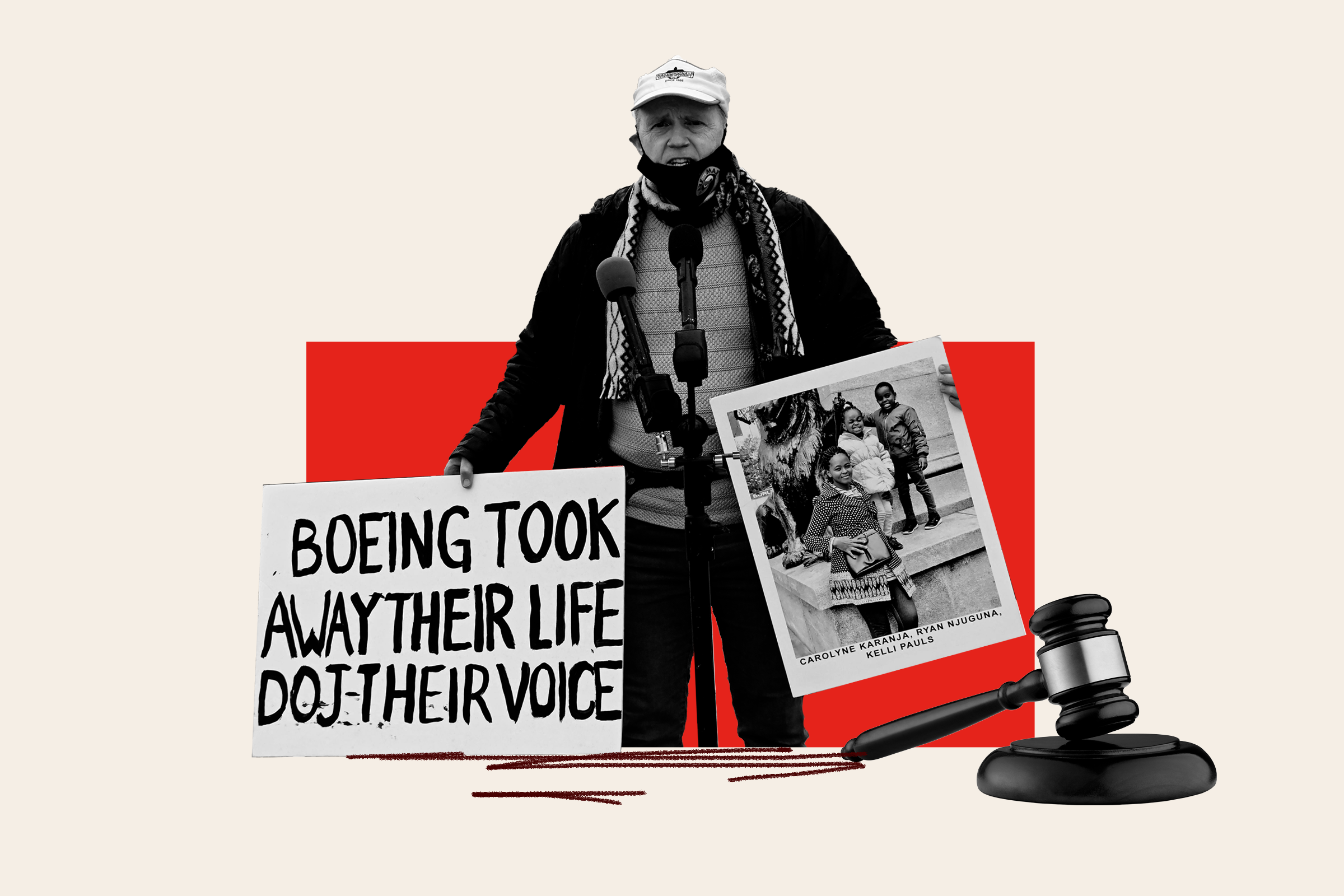
Families of the victims from the two Boeing 737 Max 8 crashes have asked a U.S. appeals court to reconsider a decision that dropped Boeing's criminal charges. They want to challenge the current agreement, which allowed Boeing to avoid further prosecution. The legal action could affect how companies are held accountable for safety issues in the future.
Key Facts
The legal action is a petition for a writ of mandamus, which means asking a court to review a lower court's decision.
346 people died in the two Boeing 737 Max 8 crashes, which happened due to a faulty flight control system called MCAS.
Boeing's criminal charge of conspiracy to defraud the United States was dismissed through a non-prosecution agreement with the Department of Justice (DOJ).
The families' legal challenge targets this DOJ decision, arguing it fails to hold Boeing accountable.
The case could influence how victims' rights are treated and how aviation safety law enforcement is carried out in the future.
Internal communications at Boeing revealed test pilots knew about the MCAS issues as early as 2016, before the crashes.
The Boeing 737 Max fleet was grounded globally after the crashes, and changes were made to the faulty system before the aircraft returned to service in November 2020.
Read the Original
Want the full story? Tap a source to open the original
article.
Larry Summers, a former U.S. Treasury Secretary and current Harvard professor, said he will reduce his public roles. This decision follows revelations about his connections with Jeffrey Epstein in newly released documents.
Key Facts
Larry Summers is a former U.S. Treasury Secretary and a professor at Harvard.
New documents revealed email exchanges between Summers and Jeffrey Epstein.
These documents were released by the House Oversight Committee.
Both political parties have urged organizations to cut ties with Summers.
Summers expressed regret for his actions and acknowledged the pain caused.
He will continue teaching but will step back from other public roles.
The Financial Times initially reported this story.
Read the Original
Want the full story? Tap a source to open the original
article.
An Egyptian company called Saving System claims its technology can help businesses reduce their electricity bills. The company uses special devices called capacitors to make energy use more efficient. The company's CEO, Ahmed Alwakil, notes that implementing new technology takes time.
Key Facts
Saving System is an Egyptian company focused on green technology.
The company claims its technology reduces corporate electricity bills.
The key component of their product is a special device called a capacitor.
Capacitors store electrical energy and help make electricity use more efficient.
CEO Ahmed Alwakil emphasizes the need for patience when launching new tech products.
This article is part of a series about technology in Africa.
Read the Original
Want the full story? Tap a source to open the original
article.
HM Revenue & Customs (HMRC) in the UK paused child benefit payments for many people without proper checks, which upset a group of MPs. Some families' payments stopped because of incorrect assumptions they had moved away when they only traveled temporarily. HMRC has apologized and changed its processes to fix the issue.
Key Facts
HMRC stopped child benefit payments for thousands, thinking they left the UK for good.
The suspension happened because HMRC stopped checking travel data against tax records.
About 3,600 claimants out of over 23,000 had their benefits reinstated after proving eligibility.
The suspension was part of a fraud crackdown believed to save £350 million in five years.
Affected people included those who were abroad temporarily, like for holidays.
The scheme relied on Home Office data but dropped checks against payroll and tax data.
MPs criticized HMRC, with the committee chair calling the action a "costly error."
HMRC apologized and now gives claimants time to prove their eligibility before stopping payments.
Read the Original
Want the full story? Tap a source to open the original
article.
Starting in December, people in the UK will have up to £120,000 of their bank deposits protected if their bank fails. This increase, up from the current £85,000, is the largest change since 2017, aimed at improving confidence in banking safety. The protection automatically applies, so customers do not need to do anything.
Key Facts
The protection for UK bank deposits will increase from £85,000 to £120,000 in December.
The change was confirmed by the Prudential Regulation Authority, which oversees UK banks.
The new limit considers inflation and feedback from consultations.
The protection covers deposits per person, per bank, even if multiple brands operate under one firm.
Customers do not need to take any action for the new limit to apply.
There is a temporary protection increase for high balances, like house sale money, from £1 million to £1.4 million for six months.
The Financial Services Compensation Scheme funds this protection through levies on financial institutions.
Read the Original
Want the full story? Tap a source to open the original
article.
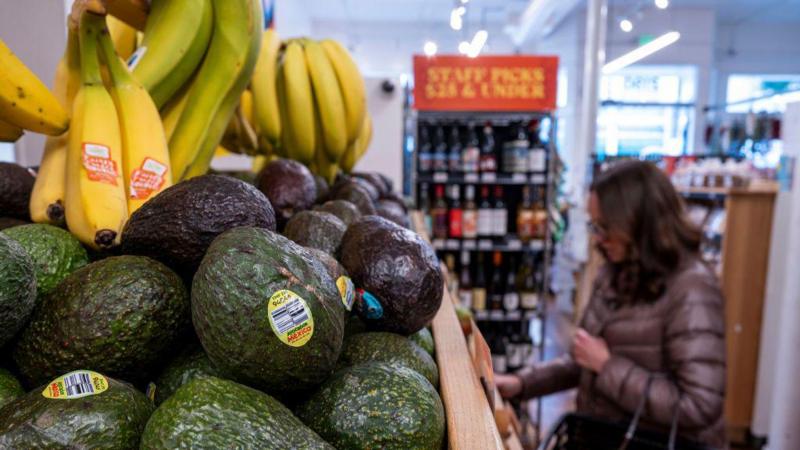
President Donald Trump has removed tariffs on over 200 products, including some popular food items like bananas and coffee. This decision aims to address cost-of-living concerns. While the move may help lower prices of specific imported goods, the overall impact on grocery prices might be limited due to other factors affecting food costs.
Key Facts
President Trump removed tariffs on more than 200 products.
The rollback includes items like coffee, bananas, and spices.
The change aims to address affordability concerns impacting political approval.
US produces little to none of the items now exempt from tariffs.
Economists expect some price reductions for affected items.
The changes might take weeks to reflect on actual consumer prices.
Only a small portion of food imports is affected by tariffs.
Other factors, like labor costs and climate issues, continue to influence food prices.
Read the Original
Want the full story? Tap a source to open the original
article.
The government plans to ban the reselling of event tickets for more than their original price. This decision aims to tackle ticket touts, who often sell tickets at much higher prices, restricting access for genuine fans. The change has support from artists, consumer groups, and the Competition and Markets Authority, though some concerns remain about potential risks of fraud.
Key Facts
The government is expected to announce a ban on reselling tickets above their face value.
This move targets ticket touts and resale sites known for high price markups.
Many artists, including Sam Fender and Dua Lipa, support this action to protect fans.
The government had considered allowing a markup of up to 30% but may stick to face value only.
Some fees could still be added to the original ticket price, apart from the face value.
The Competition and Markets Authority found ticket markups over 50% on resale sites.
Investigations showed tickets sometimes resell for up to six times the original price.
Ticketmaster's parent company supports the change and already limits resale to face value in the UK.
Read the Original
Want the full story? Tap a source to open the original
article.
The Scottish company Wood plc, known for its role in the oil and gas industry, has been sold to Sidara, an engineering firm in Dubai. Wood plc faced significant financial difficulties, leading to a takeover supported by 88% of its shareholders. The deal is valued at £216 million, with Sidara planning to invest an additional $450 million into Wood.
Key Facts
Wood plc, based in Aberdeen, Scotland, is being taken over by Sidara, a Dubai-based engineering firm.
Wood faced financial challenges, including a pre-tax loss of over £2 billion.
The takeover was supported by 88% of shareholder votes.
Wood's market valuation peaked at over £5 billion in 2013 but has since declined sharply.
Sidara offered £216 million for the takeover and plans to inject $450 million into the company.
The company operates in over 60 countries with about 35,000 employees.
Wood's current CEO, Ken Gilmartin, will step down, and Iain Torrens will take over after the deal.
The company was formerly known as the John Wood Group and will return to this branding under Sidara.
Read the Original
Want the full story? Tap a source to open the original
article.
A new report shows that politics distracts younger workers, like Gen Z and millennials, at their jobs more than older workers. These distractions could affect workplace productivity and social dynamics. Despite the increase in political tensions at work, fewer than half of employers have clear policies to manage political discussions.
Key Facts
Gen Z and millennials are almost four times more likely than baby boomers to say politics distracts them at work.
About 29% of Gen Z and 28% of millennials reported political distractions at work in the past year.
Only 7% of baby boomers said politics distracted them at work.
Overall, 27% of employees said they experience political distractions, up from 19% in 2024.
64% of employees experienced or witnessed political disagreements, with 11% seeing escalation and 8% reporting hostility.
Less than half of employers, specifically 47%, have formal policies on politics in the workplace.
Many Gen Z and millennials find politics impacts their lives directly, affecting issues like rent and job security.
Read the Original
Want the full story? Tap a source to open the original
article.
Kimberly Marasco, an artist from Florida, is suing Taylor Swift for copyright infringement and wants to stop the release of a Disney+ docuseries about Swift’s Eras Tour. Marasco claims the series includes content that illegally uses her poetry. The docuseries is due to start streaming on December 12, 2023.
Key Facts
Kimberly Marasco filed a lawsuit claiming Taylor Swift copied her poetry in song lyrics and visuals.
Marasco asked the court to stop the release of the Disney+ series "The End of an Era."
The docuseries focuses on Taylor Swift’s Eras Tour and includes appearances by various artists and crew.
Marasco argues the series will harm her because her works may be used without acknowledgment.
This is the second lawsuit Marasco has filed against Swift; the first was dismissed.
Swift's attorneys deny Marasco's claims, calling them frivolous.
The court has not yet decided on Marasco's request to halt the docuseries release.
Read the Original
Want the full story? Tap a source to open the original
article.
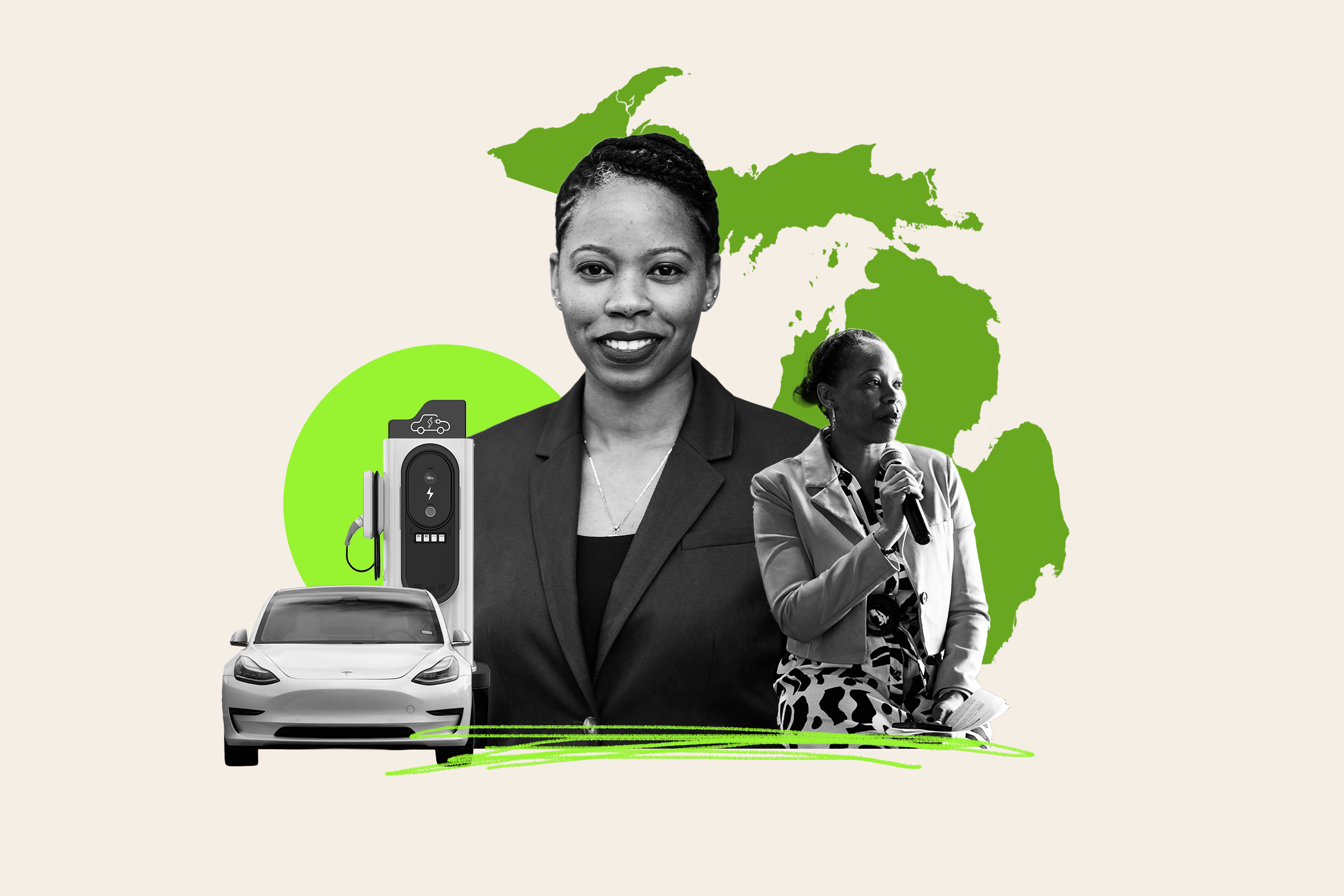
Michigan is working on creating a mobility ecosystem by investing in electric vehicle (EV) infrastructure and new technologies. The state has set goals to increase EV charging stations and support advanced air mobility, aiming to boost its economy through innovation and investment. New legislation supports these initiatives with a focus on retaining high-growth companies.
Key Facts
Michigan aims to expand its mobility ecosystem across various sectors like business and government.
The state has installed over 3,800 public EV charging stations to support electric vehicle adoption.
Michigan plans to have 100,000 EV chargers installed by 2030, with a significant investment needed.
The Michigan Future Mobility Plan includes goals for carbon neutrality and infrastructure development.
Five bipartisan bills were passed to create the Michigan Innovation Fund and an R&D Tax Credit.
Developing advanced air mobility technology is a priority, with expectations of significant industry growth.
Michigan's manufacturing history makes it well-suited for new mobility technologies.
Infrastructure development includes preparing for new types of aircraft like drones and eVTOLs (electric vertical takeoff and landing machines).
Read the Original
Want the full story? Tap a source to open the original
article.
Over 74,000 participants in medical experiments were affected by funding cuts from the National Institutes of Health (NIH). These cuts, which took place from late February to mid-August, led to the stoppage of 383 research studies. The change mainly impacted studies that focused on illnesses like cancer, heart disease, and infectious diseases.
Key Facts
74,000 people in medical studies were affected by NIH funding cuts.
Funding ended for 383 studies from the end of February to mid-August.
The cuts impacted research on cancer, heart disease, flu, pneumonia, and COVID-19.
Some trials were delayed or never started because of lost funding.
Participants might have lost access to treatments or devices.
The NIH had 11,008 funded studies during the study period, and 1 in 30 lost funding.
Concerns are raised about how these cuts might hurt trust in medical research.
The NIH is realigning priorities and cutting funding as part of a new policy direction.
Read the Original
Want the full story? Tap a source to open the original
article.
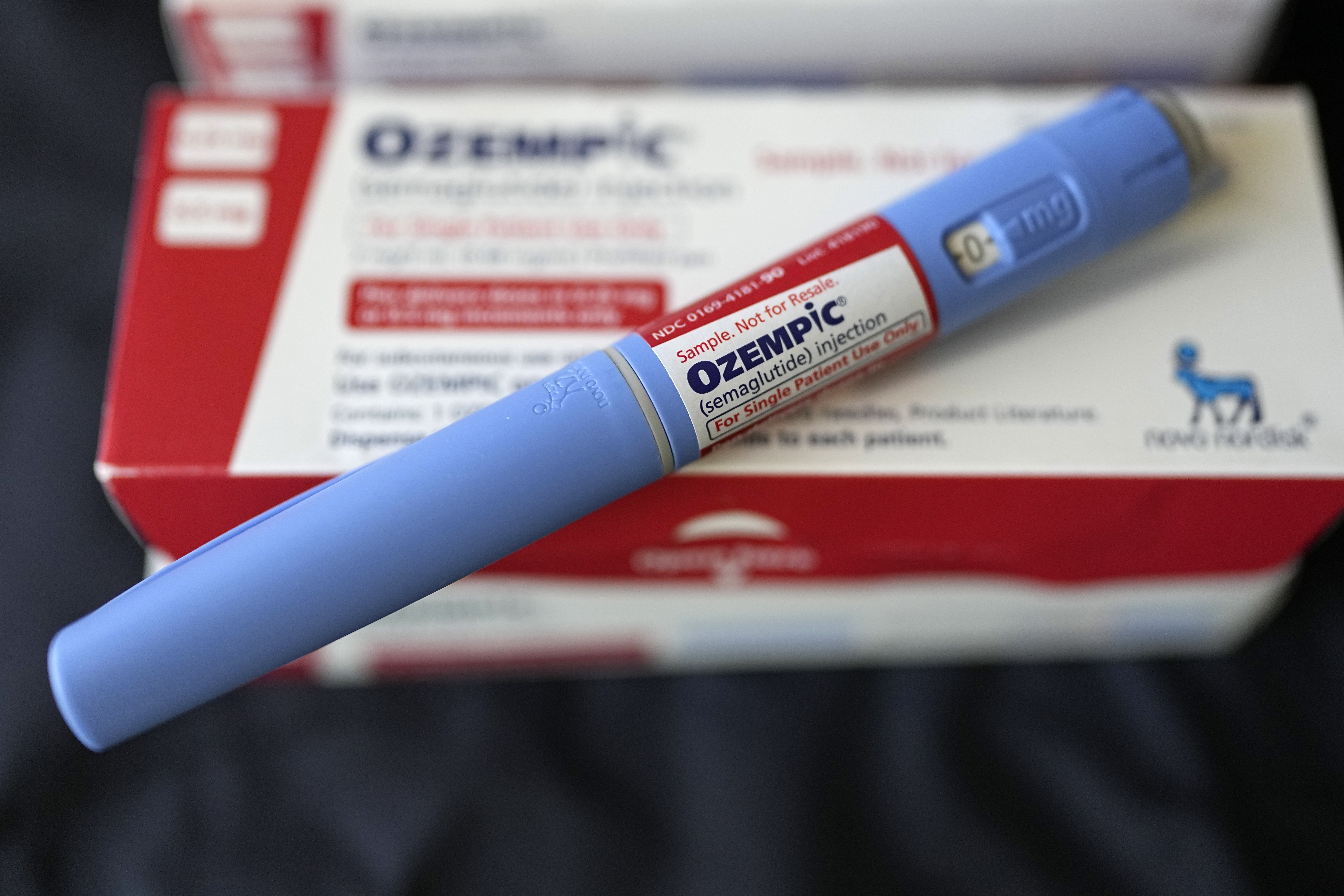
Novo Nordisk announced a temporary price reduction for their injections, Ozempic and Wegovy, starting November 17. The lower prices apply to self-pay patients using the lowest strength injections and aim to make these medications more accessible. The initiative includes a recent agreement with President Donald Trump to further reduce costs for Medicare and Medicaid users.
Key Facts
Ozempic and Wegovy are injectable medications used mainly for type 2 diabetes and weight loss.
Novo Nordisk is cutting prices for Ozempic and Wegovy for a four-month period.
The initial cost for new self-pay patients will be $199 per month for the first two months.
Existing self-pay patients will see a price drop from $499 to $349 monthly for certain doses.
More than 70,000 pharmacies and specific telehealth providers will offer these reduced prices.
President Donald Trump reached a deal to lower prices for Medicare and Medicaid patients.
These offers aim to increase access and counter non-FDA-approved alternatives.
The company hopes this step will help more people manage diabetes and obesity affordably.
Read the Original
Want the full story? Tap a source to open the original
article.
Amazon has changed its return policy for the holiday season. Shoppers can now return most items bought between November 1 and December 31, 2025, until January 31, 2026, giving them more time to make returns after the holidays. Exceptions apply to certain products like Apple items and non-returnable goods.
Key Facts
Amazon's regular return policy allows returns within 30 days of delivery for items in original condition.
The holiday return policy extends the period for returns of most items purchased between November 1 and December 31, 2025, to January 31, 2026.
Apple-branded products bought during the same period can be returned until January 15, 2026.
Refund processing times vary: gift card balance refunds take a few hours, credit card refunds take 3 to 5 days, and debit card refunds may take up to 10 days.
Certain items cannot be returned, including perishables, items with shipping restrictions, and customized products.
The return policy extension aims to improve customer loyalty and handle return volumes more effectively over the holiday period.
Read the Original
Want the full story? Tap a source to open the original
article.
Walmart removed a T-shirt from its online marketplace after critics saw it as offensive. The T-shirt showed a white hand above a Black clenched fist with the phrase "paper beats rock," leading to backlash. Walmart cut ties with the third-party seller and emphasized its policy against prohibited or offensive products.
Key Facts
Walmart took down a T-shirt from its website that was criticized for its imagery.
The T-shirt featured a white open hand above a Black clenched fist with the words "paper beats rock."
Some critics believed the design symbolized racial dominance and was offensive.
A social media post highlighting the T-shirt gained significant attention, leading to widespread backlash.
Walmart stated that the product was listed by a third-party seller and was removed for violating their policies.
As a result, Walmart terminated its relationship with the seller responsible for the T-shirt.
Walmart reiterated its commitment to maintaining customer trust and platform integrity.
Read the Original
Want the full story? Tap a source to open the original
article.
Walmart has announced new Black Friday and Cyber Monday deals, available from November 25 to November 30 for Black Friday, and December 1 for Cyber Monday. Walmart+ members get early access, and deals include discounts up to 60% and faster delivery, reaching 95% of U.S. households within three hours.
Key Facts
Black Friday deals run from November 25 to November 30, and Cyber Monday deals start on December 1.
Walmart+ members can access deals early on November 24 at 7 p.m. ET.
Discounts of up to 60% will be available on some products.
Walmart can deliver to 95% of U.S. households within three hours.
Deals include items under $20 and highlight specific discounted products like Blackstone outdoor griddles and Dyson hair tools.
Customers can shop in-store, online, or through the Walmart app with options for "pickup today" or "delivery today."
Special Cyber Monday offers include discounted items like golf club sets and electric drum sets.
Read the Original
Want the full story? Tap a source to open the original
article.
GameStop is holding a "Trade Anything Day" on December 6, where customers can bring almost any item to a store for credit towards buying gaming products and other merchandise. Certain items, like hazardous materials and live animals, are not allowed. The goal is to provide a way for people to shop without spending cash during the holiday season.
Key Facts
GameStop's "Trade Anything Day" is on December 6.
Customers can trade nearly any physical item for in-store credit.
Items must fit into a box that is 20x20x20 inches.
Some items can't be traded, like hazardous materials, weapons, alcohol, live animals, and certain electronics.
Store credit values for unusual items will be decided by store staff.
There are about 2,150 GameStop stores in the U.S. participating.
GameStop may update trade rules, so customers should check online for changes before trading.
Read the Original
Want the full story? Tap a source to open the original
article.
A new proposal suggests capping annual Social Security Cost-of-Living Adjustments (COLAs) for high-income earners to help stabilize the program's funds. This change aims to protect most beneficiaries from inflation while adjusting increases for those who receive the largest benefits. The proposal could potentially save billions of dollars and address part of the Social Security funding shortfall.
Key Facts
Social Security is facing financial challenges, with its retirement trust fund projected to run out within the next decade.
Over 50 million Americans rely on Social Security retirement benefits as a main source of income.
A new proposal recommends capping COLA increases for individuals receiving high Social Security benefits.
The cap would mean these individuals receive a smaller annual increase in benefits.
The Committee for a Responsible Federal Budget estimates this change could save $115 billion over 10 years if the cap is set at the 75th percentile.
There are alternative proposals in Congress, like taxing high earnings over $400,000 or setting up new investment funds to increase revenue.
These proposed changes aim to address part of the long-term funding shortfall of Social Security.
Read the Original
Want the full story? Tap a source to open the original
article.
Senator Elizabeth Warren and over 40 Democratic lawmakers warned against President Trump's reported plan to sell parts of the $1.6 trillion federal student loan portfolio to private companies. They argue it could harm borrowers and taxpayers. No formal plans have been confirmed by the Trump administration yet.
Key Facts
Senator Elizabeth Warren warned about a plan to sell federal student loans.
The loans total $1.6 trillion and may be sold to private companies.
More than 40 Democratic lawmakers support Warren's concerns.
No official decision or announcement has been made by President Trump's administration.
The potential sale could affect legal protections for borrowers.
Concerns include potential financial loss for taxpayers.
The U.S. Department of Education was contacted but has not commented yet.
Read the Original
Want the full story? Tap a source to open the original
article.