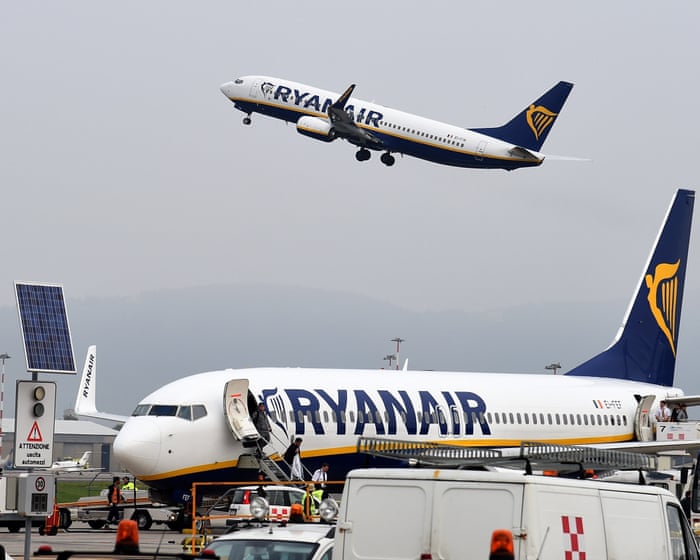
Ryanair has lowered its expected passenger numbers due to high oil prices, which raise fuel costs. The airline warns that if oil prices stay high, air fares in Europe will rise next year, and some airlines may go out of business.
Key Facts
Ryanair cut its passenger target for the year ending March 31 from 216 million to 214 million.
Jet fuel prices are around $140 a barrel, which increases airline costs.
Ryanair has hedged 80% of its jet fuel at $67 per barrel to limit losses.
The airline expects winter losses to drop by €70-100 million due to cutting its schedule.
Passenger numbers for next winter are expected to stay about the same as last year.
If oil prices remain high through summer 2027, short flights in Europe may get more expensive.
Ryanair plans to increase summer passenger numbers by over 5% compared to last year.
Rival budget airline Wizz Air saw a 25.9% rise in passenger numbers last month.
Ryanair reassured customers about safety after a passenger was partly sucked out of a plane window during a flight caused by engine failure.
Read the Original
Want the full story? Tap a source to open the original
article.
Global government bond prices fell again due to rising inflation concerns linked to renewed conflict between the US and Iran. This caused UK borrowing costs to rise sharply, presenting challenges for the UK government’s budget plans.
Key Facts
The interest rate on 10-year UK government bonds rose to nearly 5.3%, the highest since 2008.
Investors are selling bonds because of fears over inflation and growing government deficits.
Fighting between the US and Iran has pushed up oil prices to about $95 a barrel.
Higher bond yields mean it costs more for the UK government to borrow money.
UK Chancellor John Healey faces reduced budget flexibility ahead of his October 28 budget announcement.
Economists estimate the UK’s financial room to maneuver may shrink from £26 billion to less than £14 billion.
The UK may need to consider tax increases or spending cuts due to higher debt costs and defense spending pressures.
The US attempted to stabilize financial markets by supporting the Japanese yen and buying US bonds, but these actions were not successful.
Read the Original
Want the full story? Tap a source to open the original
article.
BP has permanently appointed Ian Tyler as its new chair after removing Albert Manifold in May over concerns about his behavior and governance. Tyler, who was interim chair and has board experience, will help guide BP’s shift back towards fossil fuel production and oversee company strategy.
Key Facts
Ian Tyler was named permanent chair of BP immediately after serving as interim chair.
Albert Manifold was removed as BP chair in late May after just eight months for governance and conduct issues.
Amanda Blanc, BP’s senior independent director, led the search for the new chair and will step down next year.
Manifold was criticized for treating the chair role like an executive position and reportedly belittling colleagues.
Tyler has prior leadership roles at several companies, including Balfour Beatty and Anglo American.
BP is focusing on fossil fuels again and reducing investments in renewable energy.
BP CEO Meg O’Neill encouraged use of UK oil and gas, even as BP plans to sell its North Sea business.
BP recently posted its highest quarterly profits since early in the Russia-Ukraine war, helped by oil and gas price rises.
Read the Original
Want the full story? Tap a source to open the original
article.
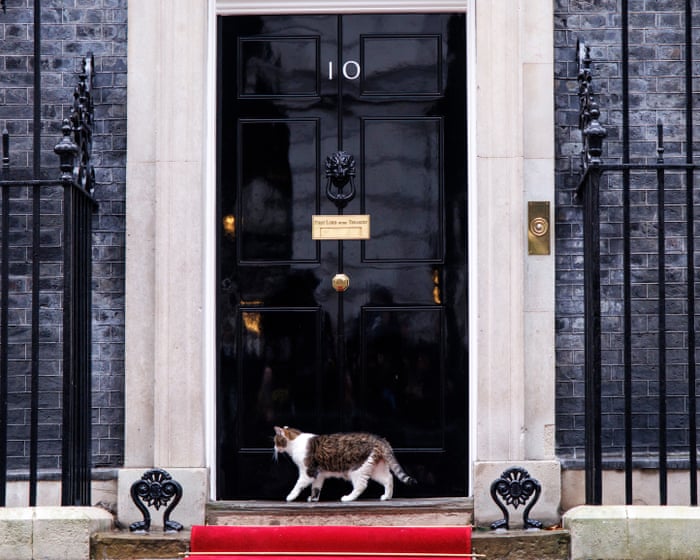
Researchers from consumer group Which? created a fake listing for 10 Downing Street on Booking.com, a popular travel booking site. The fake listing accepted payments and posted fake reviews before being taken down six weeks later, revealing security problems on the platform.
Key Facts
Which? researchers listed 10 Downing Street as a rental property on Booking.com on June 18.
The listing included the exact address and a photo of the prime minister’s official residence.
Users had to request stays, and a test payment for a week was accepted by Booking.com.
A fake positive review mentioning "Larry the cat," Downing Street's pet, was added quickly.
Booking.com’s system did not block suspicious messages asking for credit card details.
The fake listing was removed only on August 27, about six weeks after it first appeared.
Booking.com said the test was limited and not visible to the public, and that many fake listings are removed within 24 hours.
Ofcom noted platforms must remove illegal user content when aware but said Booking.com is not yet covered by certain new rules.
Read the Original
Want the full story? Tap a source to open the original
article.
The UK’s energy system was once led by state-owned companies that installed gas boilers for free and built large infrastructure efficiently. Since privatization began in the 1980s, the energy industry became complex, less efficient, and reliant on imported fossil fuels, which has contributed to high energy bills today. A new book by Arthur Downing argues that ownership plays a key role in how energy systems develop and that looking at history can help improve the current system.
Key Facts
Gas boilers became common in UK homes because a state-owned gas company installed them at no direct cost from the 1940s to the 1980s.
The state-owned energy industry in that period was very innovative, efficient, and built infrastructure quickly and cheaply.
Since the 1980s privatization, the UK’s energy industry has become fragmented and more dependent on imported fossil fuels.
Consumers now face rising energy bills amid a cost of living crisis.
The UK has cut greenhouse gas emissions by 50% from 1990 levels, mainly by switching from coal to gas and reducing industry.
The author, Arthur Downing, works in the energy industry but wrote the book in his own time to explain Britain’s energy history.
Downing argues that who owns and controls energy systems affects what technologies are used and how people benefit from energy.
He challenges the common belief that privatization is always more efficient than public ownership.
Read the Original
Want the full story? Tap a source to open the original
article.
Asian stock markets dropped on Wednesday after U.S. stocks fell and global bond selling increased. This happened as worries about rising inflation, U.S. government debt, and growing military conflicts in the Middle East affected investor confidence.
Key Facts
Tokyo’s Nikkei 225 index fell 3% to 64,278.95.
South Korea’s Kospi dropped 3.6%, with Samsung Electronics down 3.3% and SK Hynix down 3.5%.
Hong Kong’s Hang Seng index decreased 0.8%; Shanghai Composite index fell 0.9%.
Wall Street indexes also declined on Tuesday: S&P 500 down 0.7%, Dow Jones down 0.8%, and Nasdaq down 1%.
U.S. military strikes and Iranian missile attacks increased tensions, pushing oil prices up.
Brent crude oil price reached $95.56 per barrel, up from around $72 before the conflict.
Bond yields rose globally, including the U.S. 10-year Treasury yield reaching about 4.80%, the highest since January.
Rising bond yields cause bond prices to fall, reflecting investor concerns about inflation and government debt.
Read the Original
Want the full story? Tap a source to open the original
article.
German companies that make complex goods like cars and machinery face strong competition from China, whose similar products often cost less. This competition is contributing to slow economic growth in Germany, affecting jobs and company profits.
Key Facts
German economy depends on making and exporting complex products such as cars, locomotives, and machinery.
China’s exports in similar categories are growing, often matching German quality but selling for less.
Economic experts call the impact of China’s competition the "China shock."
Germany’s economy has been stagnant, shrinking in 2023 and 2024 with only 0.2% growth last year.
Major German companies like Volkswagen, BMW, and Bosch announced large job cuts.
Inflation outpaced wage growth after the pandemic, with real wages only recently recovering to 2019 levels.
China is supporting its companies in key sectors, increasing exports even though its own market demand is weak.
Germany is more affected by this competition than other major economies because of its large manufacturing and export sector.
Read the Original
Want the full story? Tap a source to open the original
article.
Apple renamed Lake Ontario to Lake America on its map app for users in the United States. This change follows President Donald Trump's order amid a trade conflict between the US and Canada, which includes new US tariffs on Canadian goods.
Key Facts
Apple Maps shows Lake Ontario as Lake America only for users in the US.
The name stays as Lake Ontario for users in Canada.
President Donald Trump issued the order after trade talks between the US and Canada failed.
The US imposed a 50% tariff on $20 billion worth of Canadian goods.
Google also renamed the lake for US users before Apple did.
Canada responded with matching tariffs on US goods.
Canadian Prime Minister Mark Carney ended trade talks, calling US demands unacceptable.
Carney said serious discussions can start only when the US is more reasonable.
Read the Original
Want the full story? Tap a source to open the original
article.
Range Rover has introduced its first fully electric vehicle after a one-year delay. The launch is part of Jaguar Land Rover’s plan to modernize its factories and workforce despite recent financial challenges and supply problems.
Key Facts
The new Range Rover Electric will be made in Solihull, England.
Jaguar Land Rover (JLR) has trained about 10,500 workers to build electric cars.
JLR is upgrading its factories, including new battery and electric drive unit production lines.
The company faces lower profits and supply issues after a 2023 fire at a supplier in Norway.
JLR had a cyber attack last year that stopped production for over a month.
The business is restructuring and cutting fewer than 300 jobs this year.
JLR’s Electric Propulsion Manufacturing Centre in Wolverhampton now makes batteries and electric motors as well as traditional engines.
Company leaders describe the new electric Range Rover as the result of 10 years of careful engineering.
Read the Original
Want the full story? Tap a source to open the original
article.
Many people in the UK are spending less on eating out because of rising costs. Restaurants face higher bills for food, energy, wages, and taxes, so they have raised their prices. To attract customers, many places now offer discounts, loyalty rewards, and special deals.
Key Facts
Over one-third of Brits are cutting back on dining out due to higher living costs.
Restaurants have raised prices because of increased costs for food, energy, wages, and taxes.
Loyalty programs like Pizza Express Club and Nando's rewards give discounts and freebies.
Eating early or late can save money, with apps offering up to 50% off at off-peak times.
Many places offer free or very cheap meals for kids during school holidays.
New restaurants often run discounted “soft launches” to attract customers.
Supermarket loyalty points can be exchanged for meal vouchers at some restaurants.
Apps like Too Good To Go help customers buy surplus food cheaply to save money.
Read the Original
Want the full story? Tap a source to open the original
article.
The Resolution Foundation thinktank says Chancellor John Healey may need to raise taxes on middle earners to pay for higher defence spending planned by the Labour government. Despite previous tax increases, taxes on average workers in the UK are still lower than in many similar countries.
Key Facts
John Healey plans to increase defence spending to 3.5% of the UK’s GDP by 2035.
The Resolution Foundation says raising £28 billion a year for this will likely require higher taxes on middle-income earners.
Since Labour took power in 2024, taxes have risen by £70 billion a year overall.
The UK still taxes average workers less than most countries in the OECD and G7 groups.
Tax increases under Healey’s predecessor caused the biggest rise in the “tax wedge” (taxes paid minus benefits received) of any OECD country last year.
Countries with higher public spending often tax middle earners more instead of relying mostly on taxes on businesses or the wealthy.
Labour’s current rules prevent raising income tax rates, VAT, or employee national insurance rates.
Healey’s first budget is due on 28 October, and he needs to find about £1.4 billion a year to support defence spending plans.
Read the Original
Want the full story? Tap a source to open the original
article.
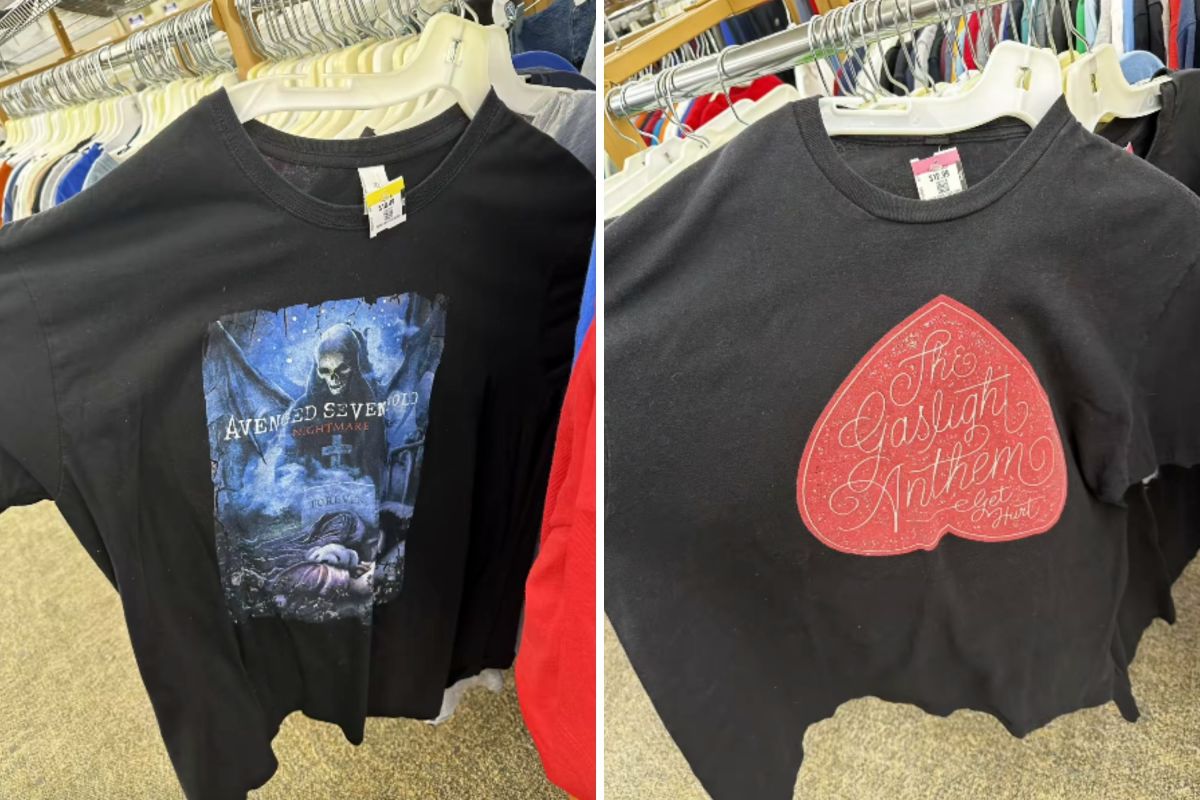
Jordan Lee, a TikTok user and music expert, often finds collections of band T-shirts at thrift stores. He shared a recent find of multiple shirts from various bands, which suggests they came from one person's donated collection, showing how band shirts can tell stories beyond their value.
Key Facts
Jordan Lee is known on TikTok for finding band merchandise at thrift stores.
He recently found several band T-shirts together, not just one isolated shirt.
The shirts featured artists like Gwen Stefani, Interpol, and WWE’s John Cena.
Lee uses clues like size, band genre, and wear patterns to identify collections.
Vintage and rare band T-shirts can sometimes sell for hundreds or thousands of dollars.
Factors affecting a shirt’s value include rarity, artist popularity, tour significance, artwork, condition, and authenticity.
Some T-shirt brands help identify the production time, which helps Lee evaluate their significance.
Lee believes the personal meaning and memories tied to a shirt can be just as important as its market price.
Read the Original
Want the full story? Tap a source to open the original
article.
A group representing European textile companies wants a 10-euro fee on imported fashion items to limit cheap clothes mainly from China. An expert says it is unclear if this will make companies like Shein change their business, and that fast-fashion stores may face problems from customers getting tired of buying so much.
Key Facts
European textile associations propose a 10-euro import fee on fashion goods.
The goal is to reduce competition from very cheap clothes imported mostly from China.
Dr. Sheng Lu, a fashion professor, said it’s uncertain if companies like Shein will change their business ideas because of this fee.
Fast-fashion retailers may have to deal with "consumer fatigue," meaning customers lose interest in frequently buying cheap clothes.
The suggestion aims to protect European clothing makers against cheap imports.
The issue reflects challenges in the fast-fashion market linked to cost and changing consumer habits.
Consumer fatigue means people might be starting to buy less due to feeling overwhelmed or guilty about fast fashion's effects.
Read the Original
Want the full story? Tap a source to open the original
article.
Interest rates on government bonds are rising worldwide, making borrowing more expensive for people and companies. This increase affects loans like mortgages and car payments and raises concerns about government debt and inflation.
Key Facts
Bond yields, or interest rates on government debt, are going up globally.
Higher bond yields make borrowing more costly for consumers and businesses.
Inflation worries and ongoing conflicts in the Middle East have driven oil prices higher, contributing to rising yields.
The 10-year U.S. Treasury yield hit 4.80%, the highest since early 2025, affecting mortgage rates.
The 5-year Treasury yield reached 4.55%, influencing car loan rates.
The U.S. government is borrowing more due to budget deficits larger than before the pandemic.
Large tech companies are borrowing to expand data centers for artificial intelligence.
Federal Reserve Chair Kevin Warsh suggested short-term interest rates might rise again if inflation stays high.
Treasury Secretary Scott Bessent took unusual steps last month to try to slow the increase in bond yields.
Read the Original
Want the full story? Tap a source to open the original
article.
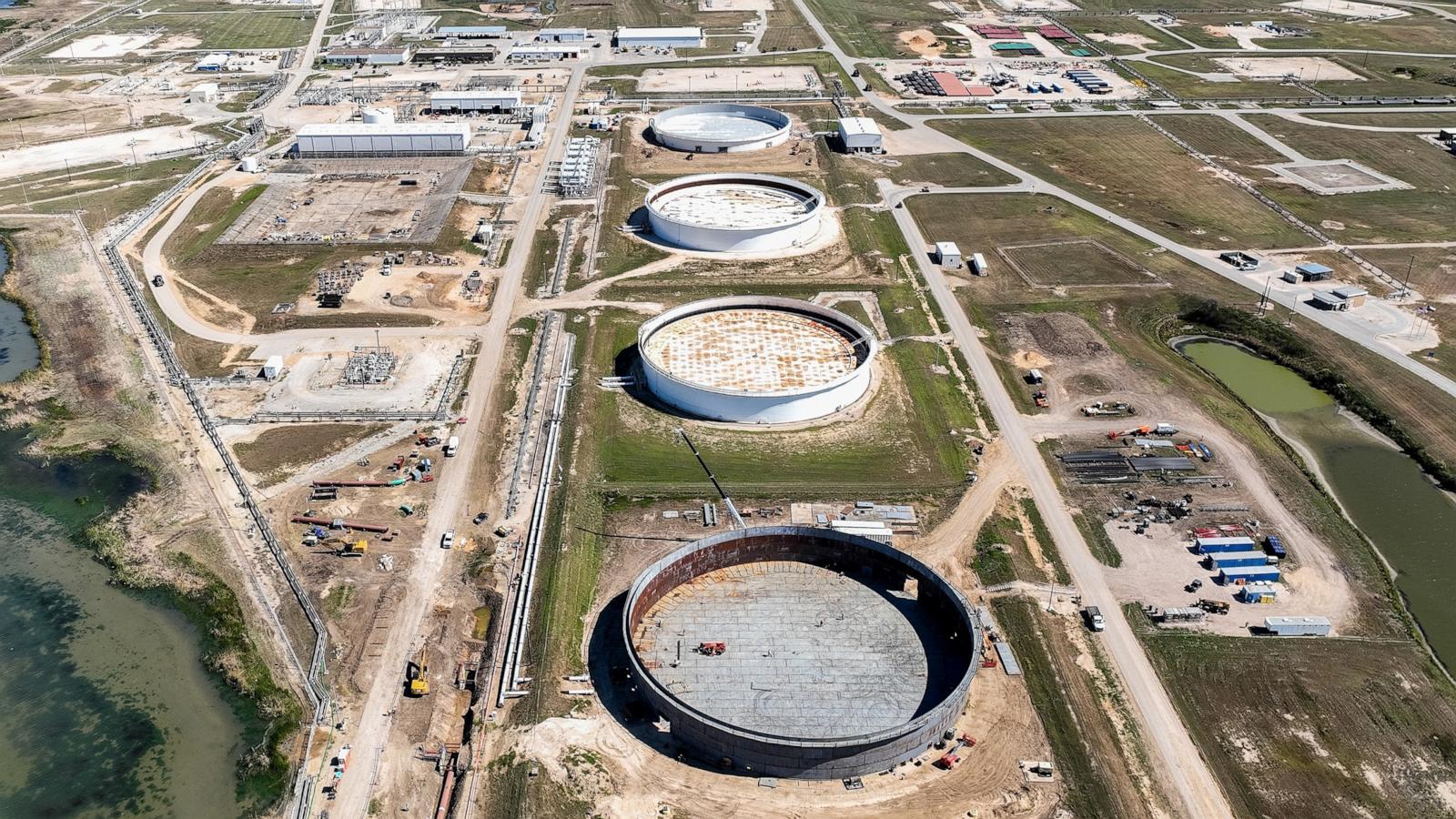
The U.S. Strategic Petroleum Reserve has dropped to its lowest level since 1982 due to releasing millions of barrels of oil in response to a global energy shortage linked to the Iran war. The reserve now holds about 286.6 million barrels, which is around 40% of its capacity, as the government tries to ease higher oil prices.
Key Facts
The U.S. Strategic Petroleum Reserve fell below levels not seen since 1982.
It dropped by more than 3 million barrels in one week, ending August 28, 2026.
The reserve currently holds 286.6 million barrels of oil, about 40% of its total 714 million barrel capacity.
The reserve is stored underground in salt caverns along the Gulf coasts of Texas and Louisiana.
The reserve was created after the 1970s Arab Oil Embargo to provide emergency oil supply during shortages.
The U.S. released about 128 million barrels from the reserve since the Iran war started in late February 2026.
The International Energy Agency coordinated a release of 400 million barrels among its 32 member countries to manage the supply crisis.
Historically, the reserve has been used in emergencies only four times before this event, including recent releases after the Russian invasion of Ukraine.
Read the Original
Want the full story? Tap a source to open the original
article.
A new office tower called Bevel is planned for downtown Bellevue, Washington. It aims to become the tallest mass timber office building in North America, using wood as the main building material and focusing on sustainability and modern design.
Key Facts
Bevel will be a 12-story, 55-meter (180 feet) tall office tower made primarily from mass timber (engineered wood).
The project is designed by Mithun and Waugh Thistleton Architects and developed by Skanska.
Bevel is still awaiting approvals and depends on new building codes that allow timber to be used as the main material in commercial buildings.
This will be one of the first commercial office buildings in the U.S. to use exposed timber structure and ceilings throughout.
The design includes a steel core for support due to the high earthquake risk in the area, and five levels of underground concrete parking.
Bevel aims to achieve LEED v4 Platinum certification, the highest green building rating, with features like stormwater reuse, full electrification, and nature-focused design.
The project shows that mass timber construction can be cost-effective compared to traditional concrete buildings.
Biophilic design elements like floor-to-ceiling windows and natural daylight are part of the building’s sustainable features.
Read the Original
Want the full story? Tap a source to open the original
article.
After the US launched new attacks on Iranian targets, global bond prices fell sharply, oil prices went up, and stock markets dropped. Investors worry about rising inflation and increasing government debt, with U.S. debt now over 40 trillion dollars and inflation in the Eurozone hitting a three-year high.
Key Facts
The US military conducted fresh attacks on targets in Iran.
Oil prices increased following these attacks.
Stock markets declined worldwide after the news.
Bond yields, which move opposite to bond prices, rose sharply; Japan’s 10-year bond yield reached 3% for the first time since 1996.
Global inflation fears are growing, partly due to higher energy prices.
US government debt has exceeded 40 trillion dollars.
Inflation in the Eurozone rose to its highest level in three years in August.
These events contribute to a deepening global financial selloff.
Read the Original
Want the full story? Tap a source to open the original
article.
Allison Ellsworth started Poppi soft drinks using apple cider vinegar as a kitchen experiment. Her company became very successful, leading to PepsiCo buying it for $1.95 billion.
Key Facts
Allison Ellsworth is the founder of Poppi soft drinks.
Poppi uses apple cider vinegar in its soft drinks.
The business started as a kitchen experiment with a SodaStream machine.
Allison pitched her company on the TV show Shark Tank while nine months pregnant.
Poppi became the number one soda brand on Amazon in the US.
The company relaunched during the Covid lockdowns.
PepsiCo bought Poppi for $1.95 billion.
The story was featured on BBC’s Business Daily program.
Read the Original
Want the full story? Tap a source to open the original
article.
Certificate of deposit (CD) accounts currently offer higher interest rates than many other savings options. The highest rates this September are found in longer-term CDs, ranging from about 4.35% to 4.50%, but shorter-term CDs and alternatives like high-yield savings accounts also provide competitive options.
Key Facts
CD accounts offer fixed interest rates, usually higher than regular savings accounts.
CD terms vary from 3 months to 10 years.
Longer-term CDs (18 months to 5 years) have the highest rates currently, between 4.35% and 4.50%.
Shorter-term CDs have slightly lower rates, ranging from around 3.90% to 4.30%.
Withdrawing money before a CD matures often results in penalties that reduce earned interest.
High-yield savings and money market accounts offer variable rates that are a bit lower than top CD rates but allow easier access to funds.
Savers should choose CD terms that match when they can leave their money untouched.
Expected interest rate changes from the Federal Reserve may affect future rates on CDs and savings accounts.
Read the Original
Want the full story? Tap a source to open the original
article.
Treasury Secretary Scott Bessent urged G20 countries to use tariffs like the Trump administration did to protect their industries from cheap imports. He emphasized the need to safeguard jobs and manufacturing, while also discussing U.S.-China trade tensions and global economic challenges.
Key Facts
Bessent encouraged G20 nations to adopt tariff measures to guard against cheap imports harming local industries.
He warned early in President Trump’s second term that U.S. tariffs would cause Chinese goods to flood other markets.
Trump administration tariffs raised retail prices on imported goods by about 7% in 2025, according to the Tax Foundation.
The U.S. Supreme Court ruled in February that Trump’s global tariffs under an emergency law were unconstitutional.
The U.S. is considering an additional 7.5% tariff on Chinese imports due to concerns about excess capacity and forced labor.
Bessent spoke with Chinese officials but gave no details, emphasizing a need to “de-risk” trade without breaking ties.
China’s trade surplus hit $1.2 trillion in 2025, which Bessent says hampers global growth.
Global debt reached $353 trillion, and U.S. debt hit $40 trillion in August, though Bessent said bond markets are stable.
Read the Original
Want the full story? Tap a source to open the original
article.