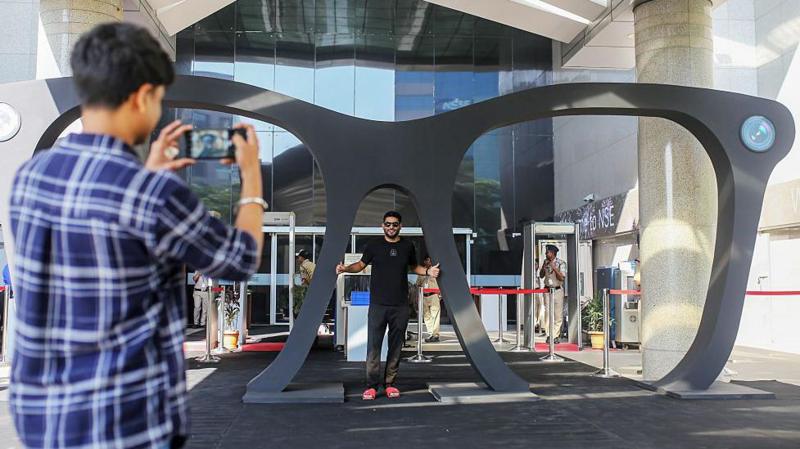
Start-up companies in India are increasing their presence in public stock markets with several initial public offerings (IPOs). Notably, eyewear company Lenskart quickly sold out its IPO despite high valuation concerns. The current trend shows a significant number of these young tech businesses making gains, but there are ongoing concerns about their valuation and profitability.
Key Facts
Lenskart, an eyewear start-up, had a fully subscribed IPO within hours.
Groww, a retail brokerage backed by Microsoft's CEO, had high investor interest with its IPO being oversubscribed 17 times.
Pine Labs, a financial technology company, is preparing to list its shares soon.
Over 40 start-ups have issued IPOs in India this year, five times more than in 2020.
Many new investors, such as small retail investors, mutual funds, and insurance companies, are entering India's stock markets.
There are concerns about high valuations as some companies are not yet profitable.
Experts note the growing participation and better regulation in the market.
Some start-up IPOs like Zomato and Nykaa have been successful for early investors.
Read the Original
Want the full story? Tap a source to open the original
article.
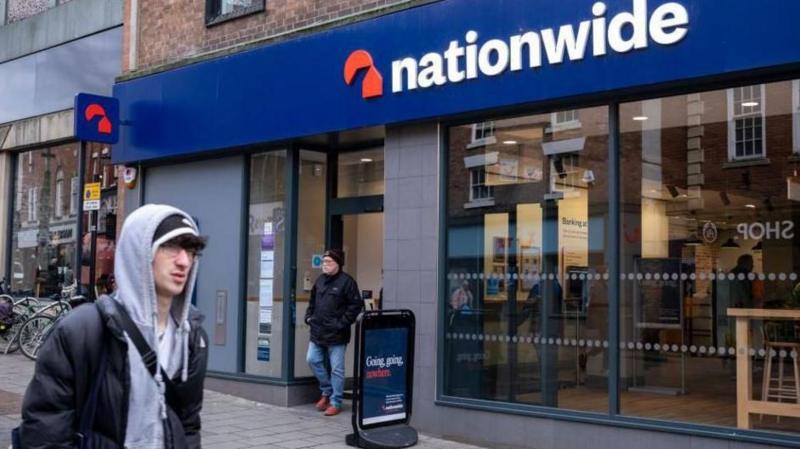
The Nationwide, the UK's largest building society, has promised to keep all of its 696 branches open until at least 2030. This decision extends their earlier commitment as they report more customers using branches despite the trend towards online banking. The move seeks to address concerns about access to financial services for vulnerable groups and maintain community support.
Key Facts
Nationwide Building Society will keep its 696 branches open until at least 2030.
This is a two-year extension to their previous promise not to close branches.
Nationwide made this promise after seeing an increase in branch usage by customers.
More than 6,000 bank branches have closed in the UK over the last decade.
Nationwide took over Virgin Money, and its 91 branches are included in the no-closure promise.
Nationwide aims to support vulnerable people and provide secure financial services.
Nationwide is owned by its members, which may increase its responsibility to the community.
Newcastle Building Society is opening new branches, including in shared community spaces.
Read the Original
Want the full story? Tap a source to open the original
article.
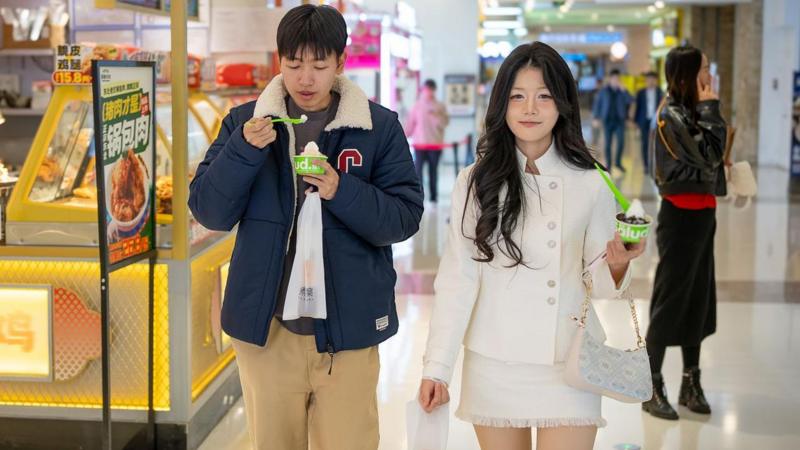
China's youth are spending less money, despite government efforts to encourage more spending to help the economy. High youth unemployment and fears about job security and housing are leading many young people to save money and live frugally. This trend poses a challenge to China's economic growth, which relies on increased domestic consumption.
Key Facts
China wants young consumers to spend more to boost the economy.
Youth unemployment in China is close to 20%.
Many young Chinese fear losing their jobs and struggle to own homes.
Social media in China is filled with tips on how to live frugally.
Influencers are promoting a minimalist lifestyle to their followers.
Domestic consumption in China is about 39% of GDP, lower than in many developed countries.
Young people are more pessimistic about their financial future compared to previous generations.
Read the Original
Want the full story? Tap a source to open the original
article.
YouTube TV is offering a $20 credit to customers after temporarily removing Disney channels, including ABC and ESPN, due to a disagreement with Disney over a carriage rights deal. Customers can claim this credit through the 'Updates' tab in their Membership Settings on the YouTube TV website.
Key Facts
YouTube TV customers lost access to ABC and ESPN due to a negotiation issue between Google (YouTube TV's parent company) and Disney.
YouTube TV announced a $20 credit to customers if the Disney channels remained unavailable for a long period.
The announcement about the credit offer was made on November 11.
YouTube TV is still trying to reach a deal with Disney to restore the channels.
To receive the credit, customers need to click the 'Updates' tab in their Membership Settings.
The credit is applied directly to the customer’s next bill after following the online steps.
Read the Original
Want the full story? Tap a source to open the original
article.
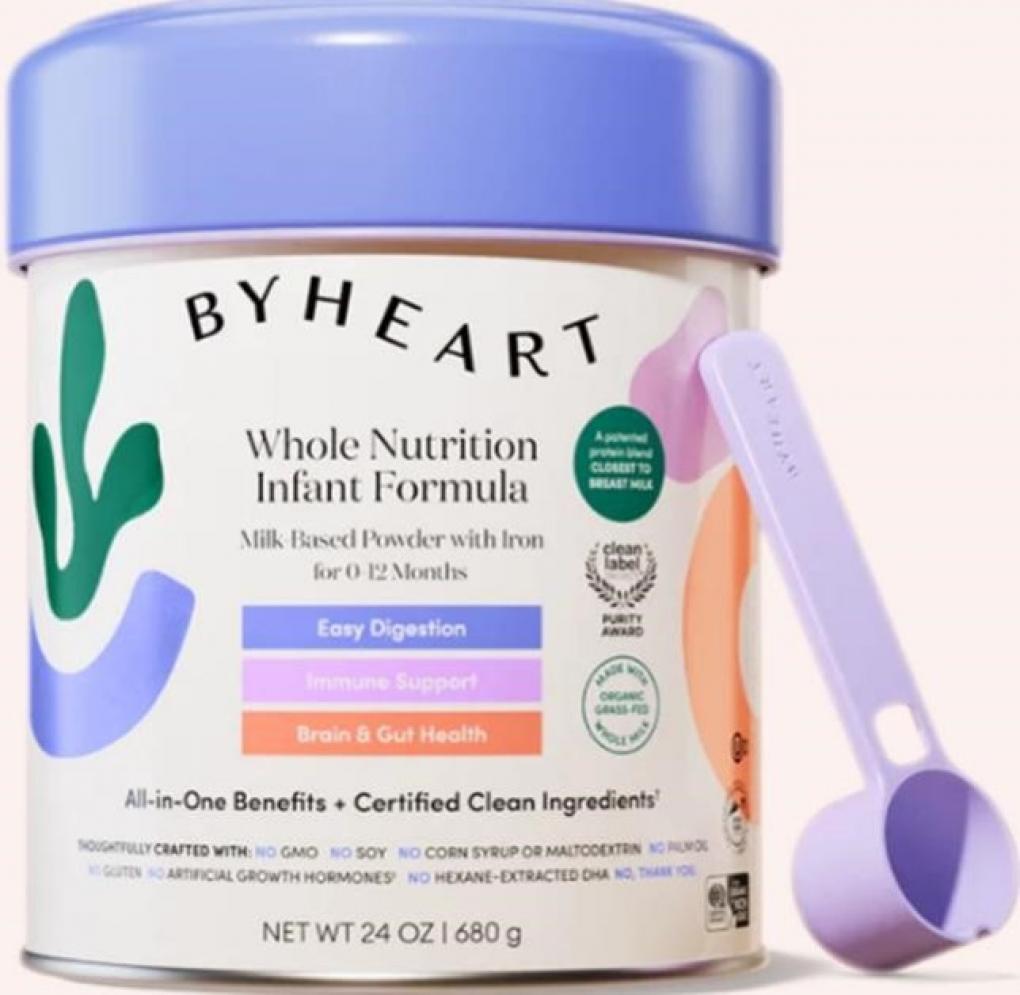
ByHeart Inc. has expanded its voluntary recall of baby formula due to an ongoing investigation by the FDA into cases of infant botulism. The company is recalling all batches of its Whole Nutrition Infant Formula and Anywhere Packs nationwide, following reports of botulism cases in infants who consumed the formula. No unopened cans have tested positive for the bacteria, but the FDA and other authorities are investigating the matter.
Key Facts
ByHeart Inc. expanded its recall of baby formula due to a botulism investigation.
The U.S. Food and Drug Administration (FDA) is looking into several cases of infant botulism.
All batches of ByHeart Whole Nutrition Infant Formula and Anywhere Packs are affected by the recall.
There have been 15 suspected or confirmed infant botulism cases in 12 states, all resulting in hospitalizations.
No deaths have been reported, and no unopened cans have tested positive for the botulism bacteria.
ByHeart is working with independent labs and giving authorities access to test their products.
The recall was expanded after the FDA found two more botulism cases linked to ByHeart formula.
Consumers are advised to stop using the recalled formula and contact the company with questions.
Read the Original
Want the full story? Tap a source to open the original
article.
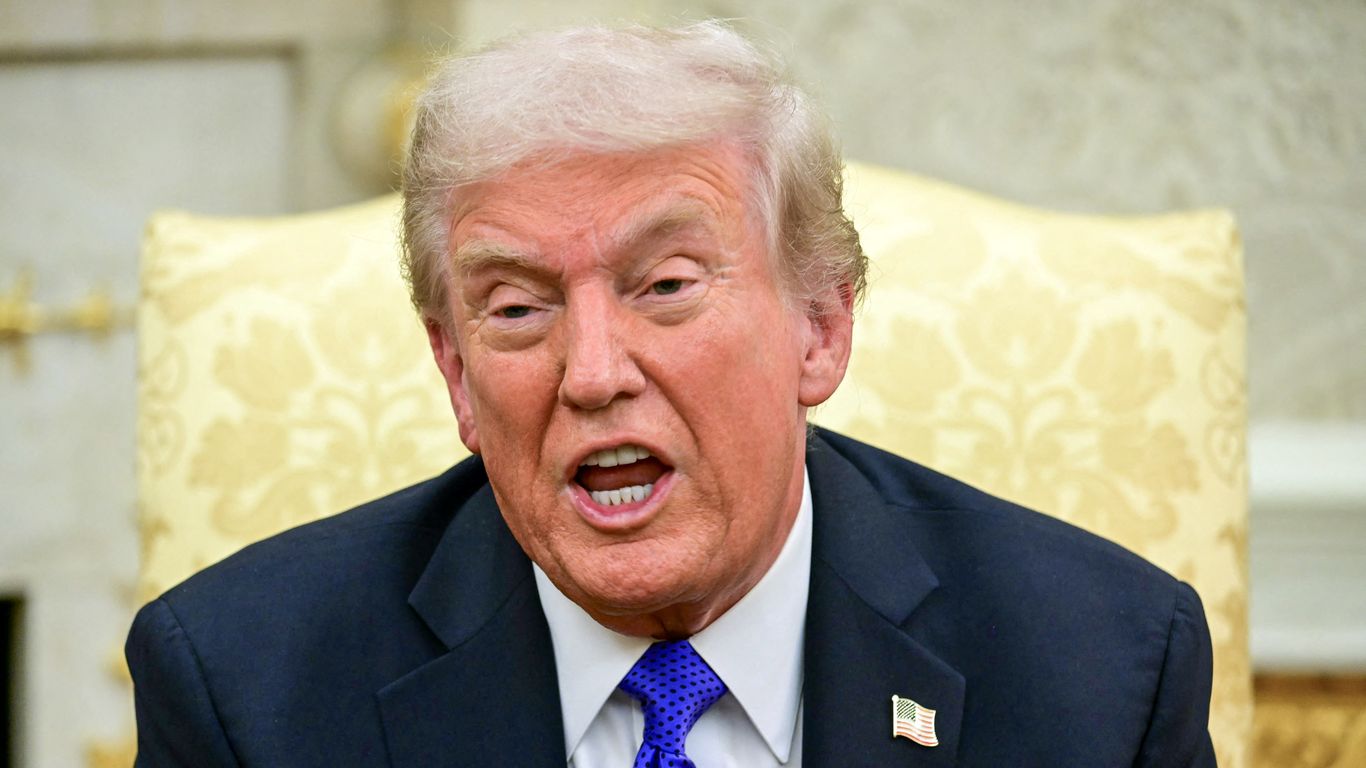
President Trump stated that losing a Supreme Court case about tariffs could cost the U.S. $3 trillion in terms of refunds and lost investments. He emphasized the importance of the tariffs as a key part of his economic policy. Trump also mentioned that Americans could receive a $2,000 payment from the already collected tariff revenue.
Key Facts
President Trump claims a $3 trillion loss could occur if the U.S. loses a tariff case at the Supreme Court.
He suggested that losing the case could seriously harm the country’s economy and national security.
Trump has promised a $2,000 payment to most Americans from tariff revenues.
He posted different cost estimates ($2 trillion and $3 trillion) related to the potential loss on his social media.
The U.S. collected about $195 billion in tariffs in the 2025 fiscal year.
Trade agreements with Japan, South Korea, and the European Union involve future investments of over $1.5 trillion into the U.S.
It is unclear if the Supreme Court will address the refund issue in their verdict.
If tariffs are invalidated, refunds might become a new legal issue.
Read the Original
Want the full story? Tap a source to open the original
article.
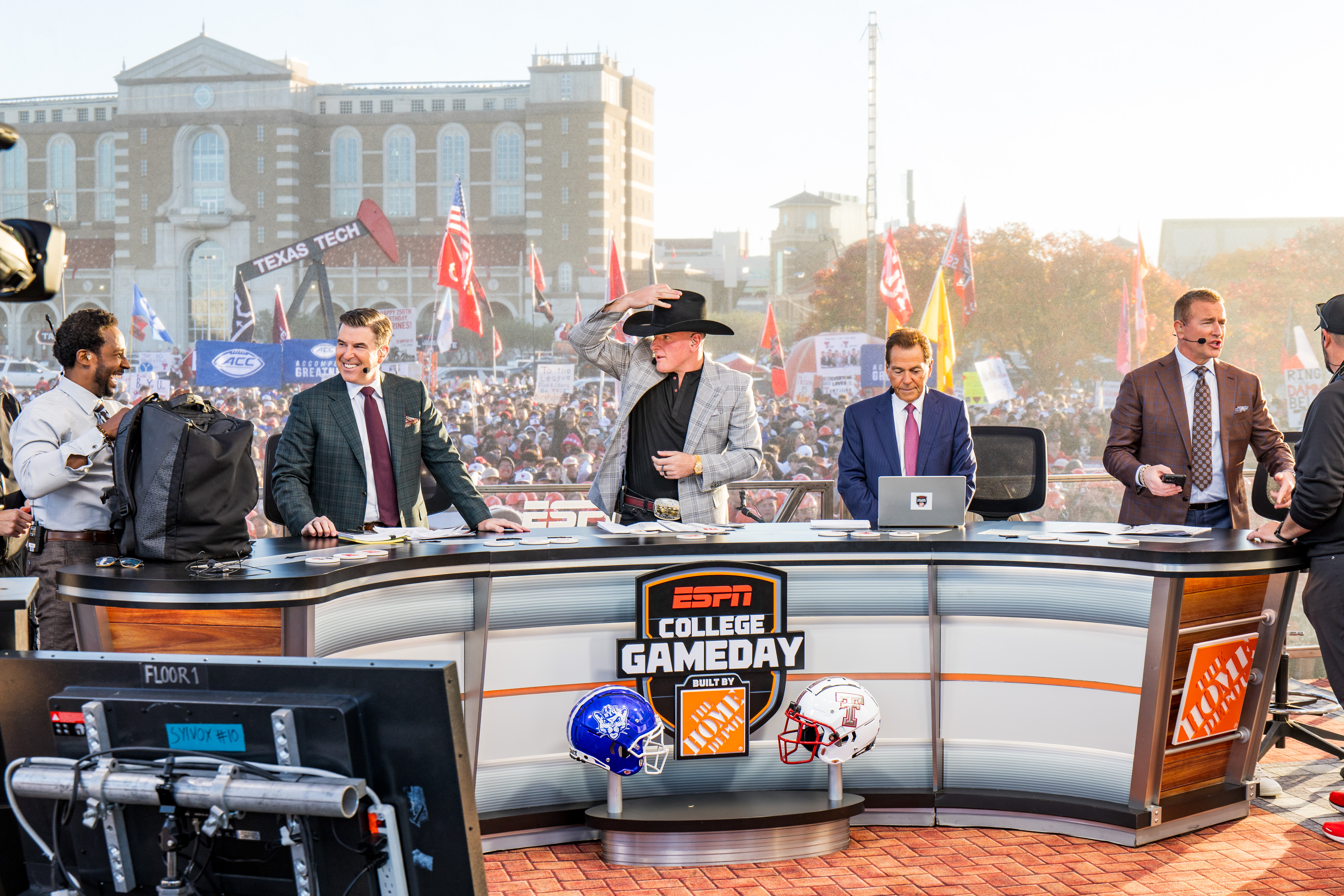
Disney and YouTube TV are in a dispute that has led to Disney losing over $30 million a week because its channels like ESPN and ABC are not available on YouTube TV. This disagreement centers around pricing and how content is provided, affecting over 10 million YouTube TV subscribers who can't access certain live sports and shows.
Key Facts
Disney is losing about $30 million each week during the dispute.
The disagreement started when the previous contract ended in late October.
The outage has impacted ESPN, ABC, and other Disney channels.
Over 10 million YouTube TV subscribers are affected by the blackout.
YouTube TV offered a $20 credit to subscribers to offset the disruption.
YouTube TV is not agreeing to new terms it believes are unfavorable.
ESPN is a crucial revenue source for Disney, making this dispute significant.
Negotiations are ongoing, but no agreement has been reached yet.
Read the Original
Want the full story? Tap a source to open the original
article.
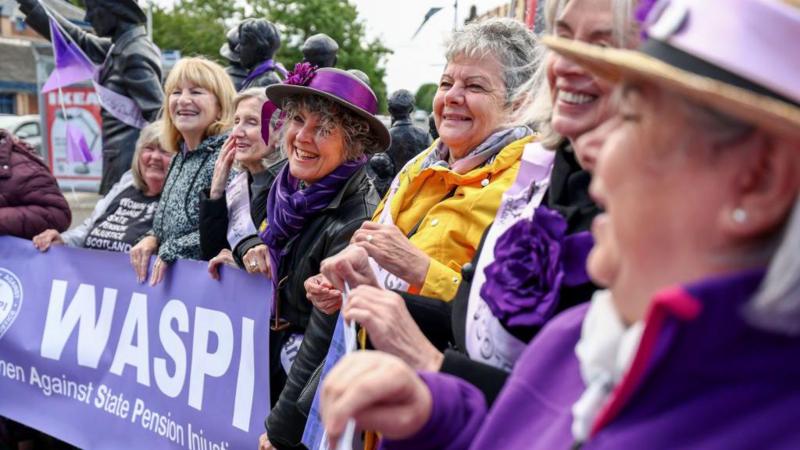
The U.K. government will reconsider its previous decision to not provide compensation to women affected by changes in the state pension age. This decision impacts 3.6 million women born in the 1950s who were not properly informed about the pension age increase. The government has stated that a new decision does not guarantee compensation will be given.
Key Facts
The U.K. government previously rejected compensation for women born in the 1950s affected by state pension age changes.
The pension age for women was increased to align with men, from 60 to 65, then to 66.
An undisclosed document from 2007 has been discovered, prompting the government to rethink its decision.
The government originally apologized for a delay in informing the affected women but rejected offering financial compensation.
The Parliamentary and Health Service Ombudsman recommended compensation of £1,000 to £2,950 per person, but the government declined.
The Waspi campaign seeks at least £10,000 for each affected woman and is pursuing a judicial review of the government's decision.
The case will be considered by the High Court in December.
Campaigners argue that women were treated unfairly due to inadequate communication about the pension age change.
Read the Original
Want the full story? Tap a source to open the original
article.
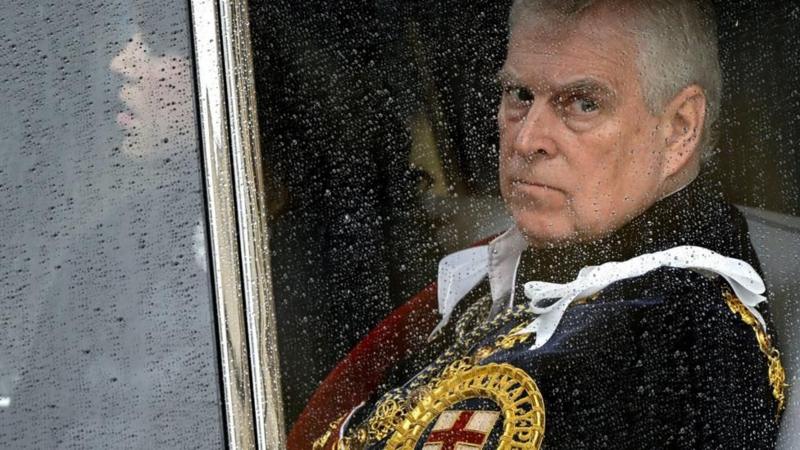
Andrew Mountbatten-Windsor is closing down his business interests, including Pitch@Palace Global Ltd, a startup competition that has been inactive for some time. The company faced controversy in recent years, and a planned sale did not happen. Another linked company, Innovate Global Ltd, is also being closed.
Key Facts
Andrew Mountbatten-Windsor is shutting down Pitch@Palace Global Ltd and Innovate Global Ltd.
Pitch@Palace helped entrepreneurs present ideas to investors and stopped its UK operations in 2021.
The company faced criticism due to Andrew's links to Jeffrey Epstein and an espionage accusation against a Chinese partner.
The sale of Pitch@Palace to a Dutch company did not finalize earlier this year.
As of the latest records, Pitch@Palace Global had just £10,965 left in its account.
Arthur Lancaster, the sole director, signed the documents to close these companies.
Andrew's surname will officially use a hyphen, "Mountbatten-Windsor," as per a 1960 Privy Council announcement.
Read the Original
Want the full story? Tap a source to open the original
article.
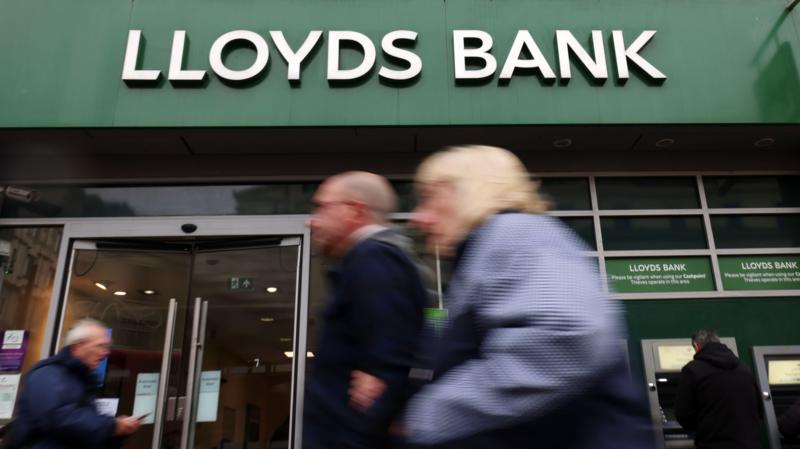
Lloyds Banking Group used data from the personal bank accounts of more than 30,000 employees during pay negotiations. The bank compared its employees' financial situations to the general public to inform its pay decisions. Some union representatives are concerned, but Lloyds stated it used the data in a way that follows regulations.
Key Facts
Lloyds Banking Group accessed data from over 30,000 employees' personal bank accounts.
The bank compared employees' financial data with that of the general public.
This data usage was part of pay negotiations for future salary decisions.
Some union reps raised concerns that this data may have been used to justify lower pay offers.
Lloyds stated the data was aggregated and anonymized, following regulations.
The bank's pay offers for junior staff include increases of between 7% and 9%.
The pay offer was supported by recognized unions but rejected by the Affinity union.
Employees are encouraged to open accounts with Lloyds as part of their employment.
Read the Original
Want the full story? Tap a source to open the original
article.
Workers at Leonardo's UK helicopter factory will begin a strike on November 12 after rejecting the latest pay offer from the company. About 3,000 employees, represented by the Unite union, are asking for a higher pay increase due to the rising cost of living. The company expressed disappointment and is open to further negotiations.
Key Facts
Workers at Leonardo's UK helicopter factory have planned a strike starting November 12.
The strike involves about 3,000 employees, all members of the Unite union.
The union rejected a pay increase offer of 3.2%, followed by 3.6%, as these were below the inflation rate of 4.5%.
Leonardo's UK operations include five sites across several cities, including Yeovil, Luton, Basildon, Edinburgh, and Newcastle.
The strike will initially occur on November 12-13, with additional strikes at specific sites later in November.
Leonardo is a major defense company headquartered in Italy that makes helicopters, aerospace parts, and cybersecurity technology.
The company has stated it is disappointed with the strike decision but is willing to return to talks with the union.
Read the Original
Want the full story? Tap a source to open the original
article.
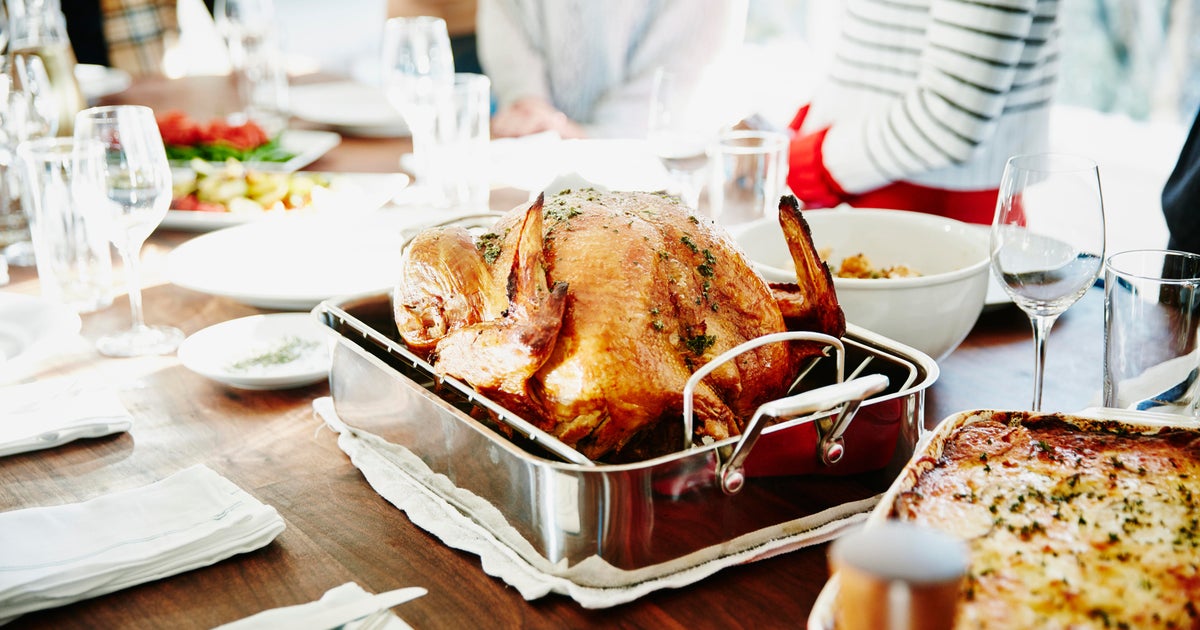
Wholesale prices for frozen turkeys in the U.S. are expected to rise by about 40% ahead of Thanksgiving due to a smaller supply caused by bird flu outbreaks and decreased production. Despite higher wholesale costs, some retailers are offering discounts to attract customers, and consumer prices are not expected to rise as sharply.
Key Facts
The wholesale price for frozen turkeys is estimated to be $1.32 per pound in 2025, up from $0.94 per pound in 2024.
Bird flu outbreaks have affected over 3 million turkeys this year, reducing supply.
Farmers are expected to raise about 195 million turkeys in 2025, down from 200 million in 2024.
The number of turkeys raised has been declining for years, from 245 million in 2016 to the current forecast.
Retailers like Walmart and Aldi are offering deals on turkeys and Thanksgiving meal packages to keep prices affordable.
The average retail cost of a 16-pound frozen turkey was about $25 in 2024.
Experts predict consumer prices will rise only slightly despite higher wholesale prices.
Prices for other Thanksgiving ingredients such as butter, milk, and potatoes have remained stable compared to last year.
Read the Original
Want the full story? Tap a source to open the original
article.
Visa and Mastercard are set to lower some of their fees charged to retailers in the U.S. as part of a proposed $38 billion settlement. This deal aims to resolve a 20-year legal dispute over alleged antitrust violations involving these companies and banks. The settlement needs court approval, and it could impact how much merchants pay in fees and the rewards consumers get from using credit cards.
Key Facts
Visa and Mastercard have reached a $38 billion settlement proposal to resolve antitrust claims.
The settlement includes lowering swipe fees by 0.1 percentage point for five years.
Standard consumer rates would be reduced by over 25% and capped at 1.25% for eight years.
Merchants will have more flexibility to select which cards to accept.
Merchants can impose new surcharges on card payments.
The settlement could save merchants an estimated $200 billion over its duration.
Previous settlement attempts, such as a $30 billion plan, were rejected.
The settlement could potentially reduce credit card rewards since rewards come from interchange fees.
Read the Original
Want the full story? Tap a source to open the original
article.
Several Mexican fast-food chains in the U.S. are closing locations or filing for bankruptcy due to rising costs and changing consumer habits. These changes are happening as the restaurant industry struggles to cope with higher costs and increased competition. Some chains are restructuring or being sold to new owners to survive.
Key Facts
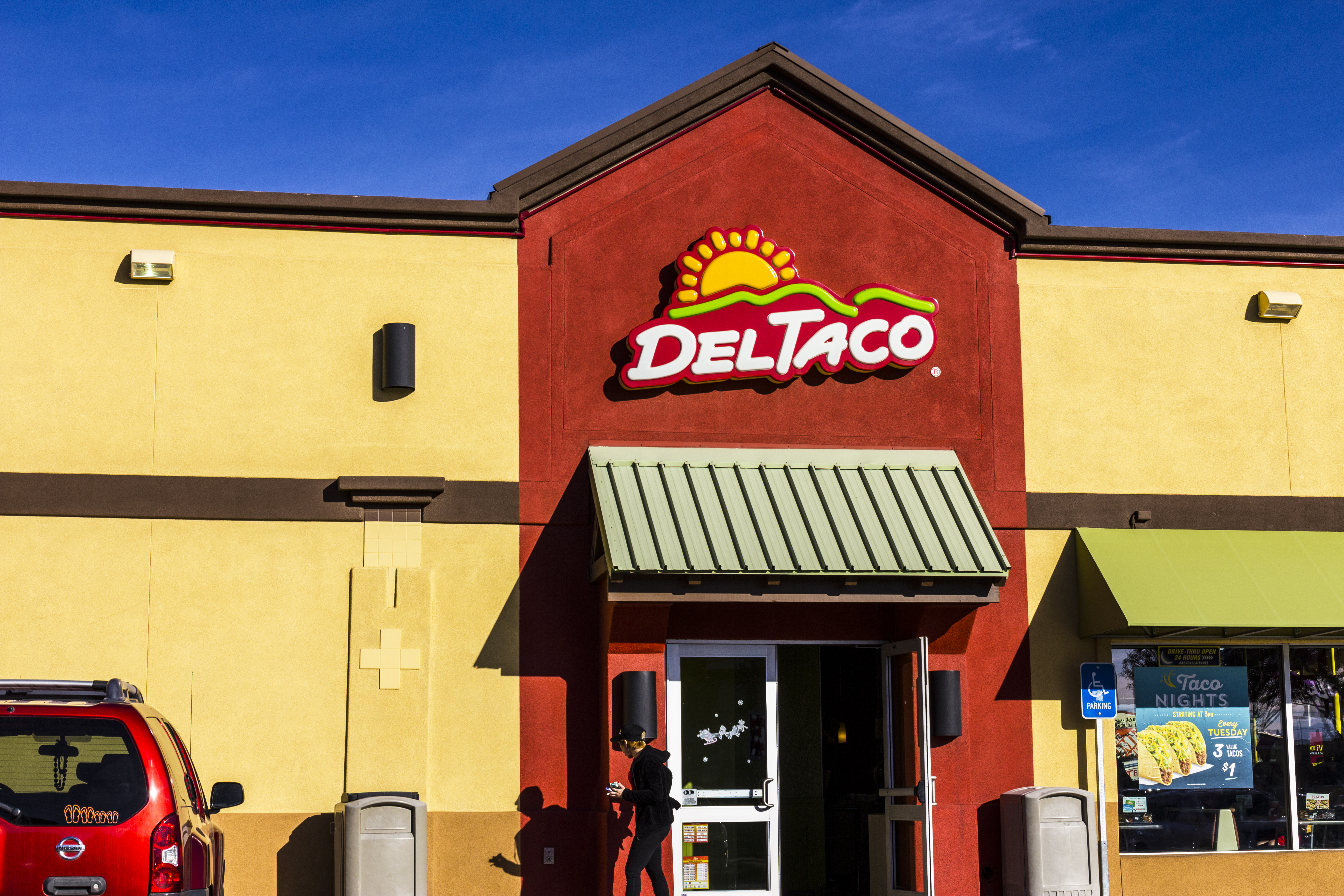
Del Taco closed 18 locations in Colorado after a franchisee filed for bankruptcy.
Taco Cabana is shutting down five locations in San Antonio but still has around 136 stores.
Quesadilla Gorilla is closing two locations in California but plans to open a new one in 2026.
On The Border Mexican Grill & Cantina filed for Chapter 11 bankruptcy and closed 77 locations but was bought by Pappas Restaurants.
Abuelo’s filed for Chapter 11 bankruptcy and closed 24 locations, leaving 16 still open.
Rising labor and supply costs, along with changes in dining preferences since the COVID-19 pandemic, contribute to these closures.
Read the Original
Want the full story? Tap a source to open the original
article.
Vinted changed its sizing categories for women's and children's clothes on its app, which caused items to be listed with different sizes than originally posted. Many users expressed frustration because they were not informed before the change and now have to manually adjust their listings. Vinted says the new system aligns with other platforms and will improve shopping accuracy, especially for international brands.
Key Facts
Vinted updated its sizing categories for women's and children's clothing.
Users did not receive prior notice about the sizing change.
The new sizing system aims to align more closely with international brands and other platforms.
Vinted advised users to manually update their listings if sizes are incorrect.
The sizing system now includes a letter with a range, e.g., S/UK 8-10, instead of a single numeric size.
Some sizes have been recategorized, such as size L changing from a UK 12 to a UK 16-18.
Vinted has over 100 million users globally, including 18 million in the UK.
Vinted is known for not charging sales fees and integrating shipping costs into its app.
Read the Original
Want the full story? Tap a source to open the original
article.
Burger King plans to greatly increase the number of its restaurants in China through a new partnership with a local company. This effort involves a $350 million investment to expand from about 1,250 to over 4,000 locations by 2035. The Chinese partner, CPE, will hold a major stake in this venture, with Burger King's parent company keeping a smaller stake and a seat on the board.
Key Facts
Burger King wants to expand its number of restaurants in China from about 1,250 to over 4,000 by 2035.
A joint venture called Burger King China will receive $350 million from the private equity firm CPE.
CPE will own about 83% of the joint venture, while Restaurant Brands International (RBI) will keep around 17% and have a board seat.
Burger King sees China as a major growth opportunity, according to RBI's CEO.
Burger King, a company founded in 1953, began operating in China in 2005.
In China, Burger King faces strong competition from McDonald's and KFC, which have more than 6,800 and 12,600 locations respectively.
The decision aligns with a trend of U.S. brands adjusting their presence in China, similar to Starbucks selling a majority stake in its China business.
Read the Original
Want the full story? Tap a source to open the original
article.
YouTube TV users cannot access ABC and ESPN because Disney and Google (which owns YouTube TV) have not agreed on a new deal regarding how much YouTube TV should pay Disney to show their channels. YouTube TV wants to pay less than other big TV distributors like Comcast. During this standoff, YouTube is offering a $20 credit to its subscribers.
Key Facts
YouTube TV has stopped showing ABC and ESPN due to a disagreement with Disney.
Disney and Google couldn't agree on a new payment deal for airing Disney channels.
YouTube TV seeks a better rate than what Disney charges Comcast, Charter, and DirecTV.
As a result, YouTube TV users missed events like Monday Night Football.
YouTube TV is giving a $20 credit to subscribers due to this service disruption.
Users will receive instructions on how to get this credit through email.
Read the Original
Want the full story? Tap a source to open the original
article.
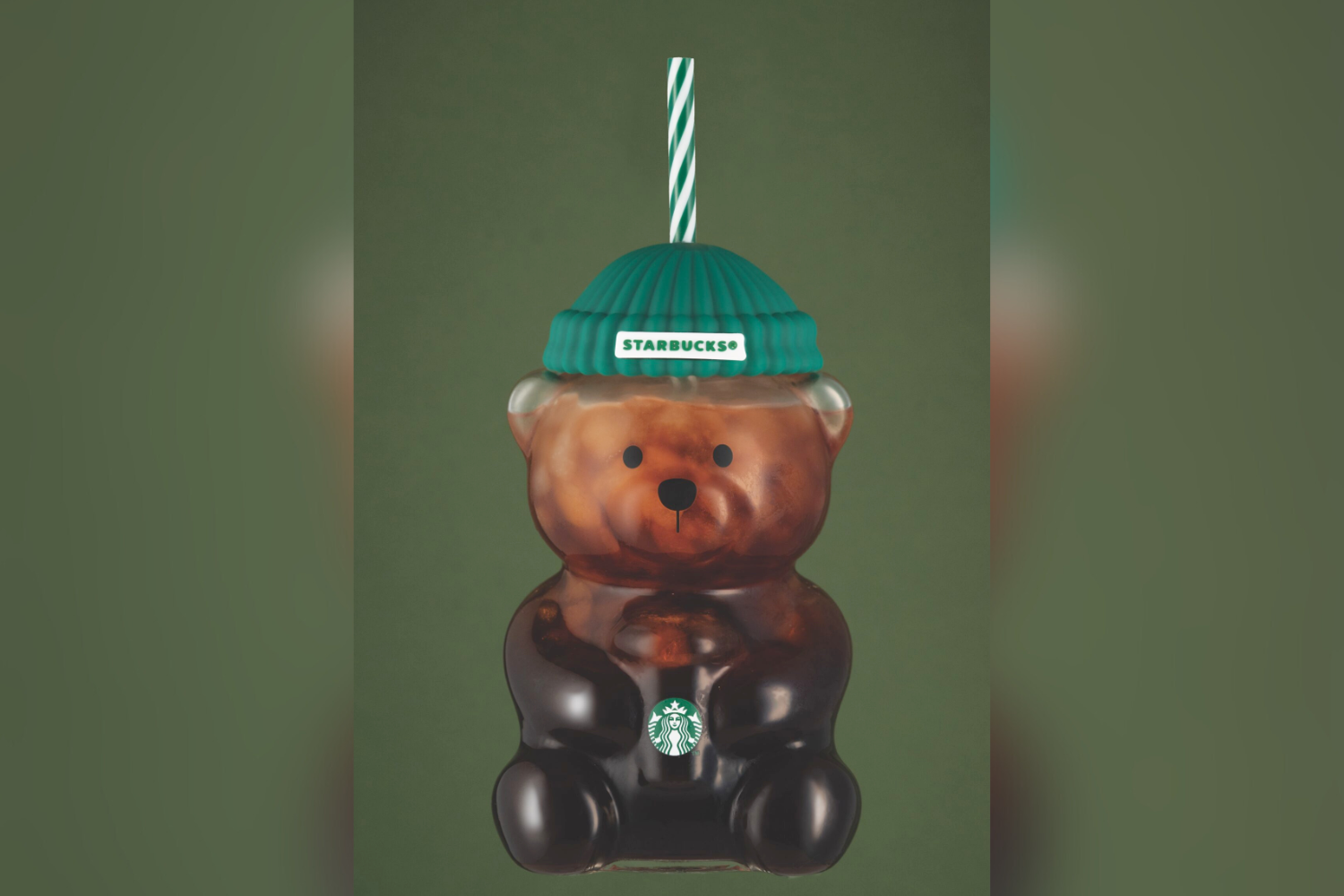
Walmart has introduced a bear-shaped glass cup similar to Starbucks' popular Bearista mug, which quickly sold out after its release. Walmart's version is available online at a lower cost, appealing to those who missed the chance to buy the limited-edition Starbucks cup.
Key Facts
Walmart is selling a glass bear-shaped cup that resembles Starbucks' Bearista mug.
Multiple sellers on Walmart's site offer the cup starting at $14, less expensive than Starbucks' version, which was priced at $29.95.
The Starbucks Bearista cup was part of its 2025 holiday collection and sold out shortly after release on November 6.
High demand for the Bearista cup led to lines outside Starbucks stores and a resale market online.
Walmart's bear cup, described as a "cute bear glass cup with straw," is available online in singles and two-pack options.
Some online users are enthusiastic about Walmart's alternative, while others miss the Starbucks branding.
Starbucks confirmed the Bearista cup's high demand, noting it shipped more of these than most other holiday items.
Read the Original
Want the full story? Tap a source to open the original
article.
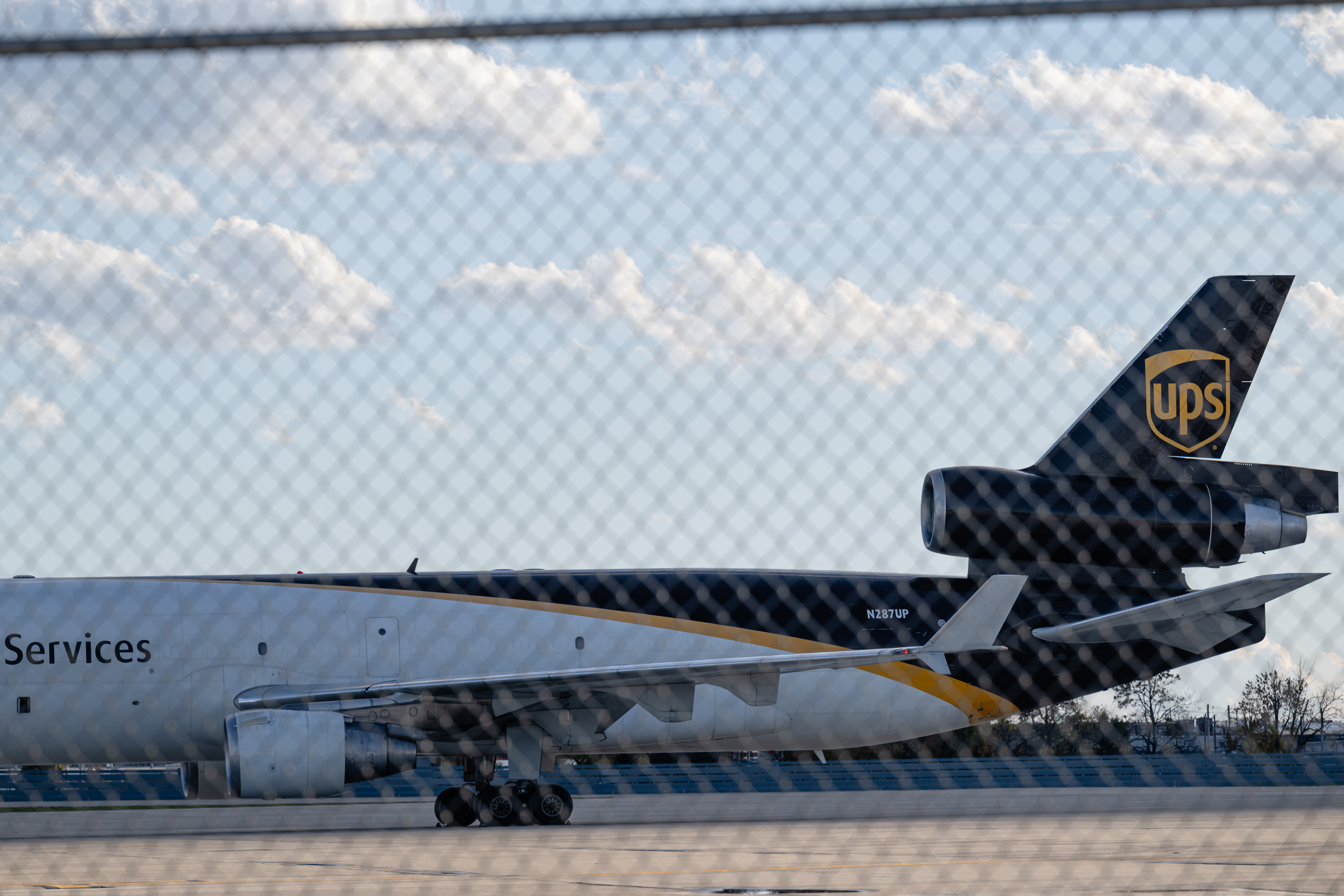
After a UPS cargo plane crash in Kentucky, UPS and FedEx have grounded all MD-11 planes due to safety concerns, as advised by the Federal Aviation Administration (FAA). Although this grounding could potentially affect deliveries, especially during the holiday season, both companies have plans in place to minimize disruptions.
Key Facts
A UPS plane crashed after takeoff in Louisville, Kentucky, leaving more than 10 people dead.
UPS and FedEx have grounded all MD-11 planes following the crash.
The Federal Aviation Administration issued an emergency directive to keep these planes grounded until inspected.
UPS has 26 MD-11 planes, and FedEx has 28 in their fleets.
Both companies have stated they have plans to prevent delivery disruptions.
Experts are concerned that the grounding could affect holiday deliveries due to reduced capacity.
Satish Jindel, a transportation consultant, believes most holiday products are already in the U.S., reducing potential disruption impacts.
Read the Original
Want the full story? Tap a source to open the original
article.
Nearly 1 million bottles of Kirkland Signature prosecco sold at Costco are being recalled because the bottles may break and cause injury. The U.S. Consumer Product Safety Commission announced the recall, advising consumers not to open or consume the prosecco and to contact Ethica Wines for a refund.
Key Facts
The recall affects about 941,400 bottles of Kirkland Signature Valdobbiadene Prosecco DOCG sold at Costco.
The bottles could break or shatter, posing a risk of cuts from flying glass.
The recall covers Costco locations in 12 states and online sales.
At least 10 cases of bottle breakage have been reported, with one resulting in an injury.
The prosecco was sold for around $8 per bottle from April to August 2025.
Consumers should dispose of the bottles and contact Ethica Wines for a refund.
The CPSC advises not to open or consume the affected prosecco.
Read the Original
Want the full story? Tap a source to open the original
article.